
Essential Solutions Offered by a Plumber Home Service
When homeowners call us for a plumber home service, they are often dealing with everyday annoyances that threaten to turn into full-blown emergencies. Residential plumbing systems are complex networks of water supply pipes, drain lines, fixtures, and specialized appliances. Over time, friction, pressure fluctuations, mineral buildup, and normal wear and tear cause components to fail.
A comprehensive residential plumbing evaluation covers everything from simple surface fixes to deep structural assessments. Here are the core solutions a professional plumber home service provides:
- Tap Repair and Dripping Faucet Fixes: A single dripping tap can waste hundreds of gallons of water every month, driving up utility bills and leaving unsightly rust or mineral stains in your sink. We repair cartridge, compression, ball, and ceramic disk faucets to restore smooth operation and eliminate leaks.
- Leak Detection and Diagnostics: Not all leaks occur where you can see them. Concealed leaks inside walls, beneath hardwood floors, or under concrete basement slabs require specialized acoustic equipment and thermal imagery to pinpoint without tearing up your home unnecessarily.
- Fixture Repairs and Upgrades: From running toilets and loose shower handles to outdated kitchen sprayers, upgrading or repairing fixtures improves both household water efficiency and daily comfort.
- Water Heater Maintenance and Replacement: Whether your tank is sputtering cold water during your morning shower or showing corrosion around the base, keeping your hot water supply steady is crucial. Knowing the signs your water heater may need repair or replacement helps prevent unexpected cold showers and severe basement flooding.
- Drain Cleaning and Clog Removal: Hair, grease, soap scum, and food waste gradually narrow the inside diameter of drain pipes. Professional drain cabling (snaking) and video inspection clear stubborn blockages safely without the harsh chemicals that corrode metal and PVC pipes.
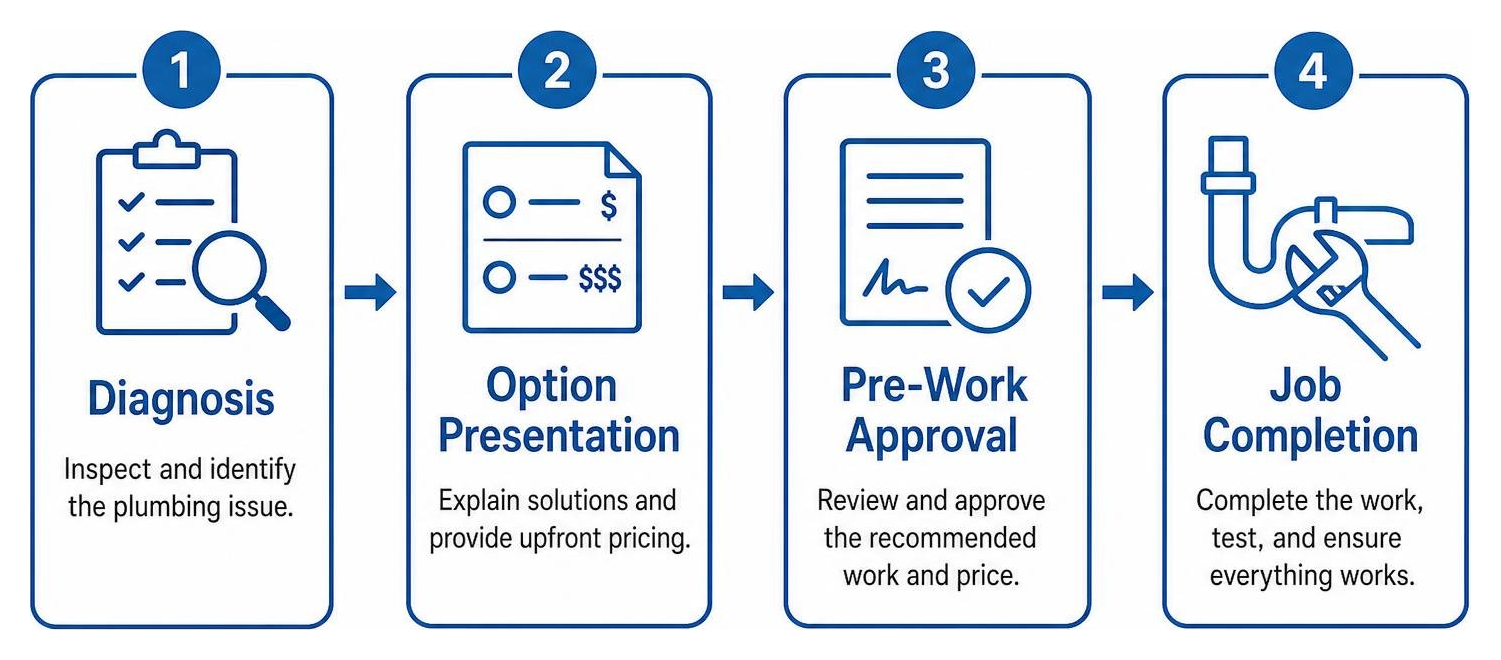
To visualize how a standard service call progresses from initial diagnosis to resolution, consider this typical workflow:
Sump Pump and Sewer Line Maintenance
In Chicagoland, heavy rainfall, rapid snowmelt, and intense freeze-thaw cycles place extraordinary demand on drainage systems. Protecting your basement from severe flooding and keeping wastewater flowing out of your property requires dedicated upkeep of sump pumps and sewer laterals.
Sump pumps serve as the first line of defense against groundwater intrusion. Standard primary pumps run on electrical power, but during severe spring thunderstorms, power outages are common. Pairing a primary sump pump with a battery-powered or water-powered backup pump ensures continuous basement flood protection even when the local grid fails. If you are evaluating repair or replacement options for your groundwater management system, learning how to choose a sump pump repair company without getting soaked will keep your property dry during heavy downpours.
Out in the yard, sewer lines work behind the scenes to transport household wastewater to municipal mains. However, mature tree roots seeking moisture can penetrate pipe joints, while shifting soil and aging cast-iron or clay pipes lead to cracks, sags, or collapse. Recognizing the early signs a sewer line may need repair or replacement—such as multiple slow drains, gurgling toilets, or damp patches in the yard—can save thousands of dollars in emergency damage.
Modern plumbing technology allows us to inspect the interior condition of underground pipes using high-definition video camera inspections. If a block or structural flaw is detected, high-pressure hydro-jetting can scour tree roots and accumulated grease from pipe walls, restoring full flow without invasive trenching.
What to Expect During a Plumber Home Service Visit
Inviting a service technician into your home requires trust. A professional plumbing company should ensure that every step of the visit feels transparent, courteous, and safe.
- Technician Photo Verification: Before the plumber arrives at your doorstep, you should receive a booking confirmation or text containing the technician’s name and photograph so you know exactly who to expect.
- Property Protection Measures: Professional plumbers respect your living space. Technicians should wear protective shoe covers (booties) and lay down heavy drop cloths across walkways and under work zones to keep your floors spotless.
- Comprehensive On-Site Diagnosis: The technician inspects the problem firsthand, tests water pressure or flow, and performs non-invasive tests to uncover the root cause rather than applying a temporary band-aid.
- Upfront Pricing and Pre-Work Approval: Before any tools are picked up or repairs commence, the technician walks you through their findings and presents clear repair or replacement options with flat-rate pricing. You approve the exact scope of work and cost in writing prior to execution.
- Zero Payment Before Completion: You should never be asked to pay upfront for standard residential repair work. Payment is collected only after the job is completed successfully to your satisfaction.
Many homeowners also take advantage of free estimates for major projects or seek a free second opinion when faced with a massive estimate from another provider. Having a second pair of expert eyes evaluate a major pipe replacement or water heater project ensures you make an informed decision without feeling pressured.
Understanding Plumbing Service Costs, Discounts, and Financing
Understanding how plumbing services are priced helps homeowners budget effectively and avoid unpleasant surprises when the invoice arrives. Professional home plumbing companies typically utilize flat-rate pricing structures rather than charging unpredictable hourly rates. With flat-rate pricing, you pay a fixed price for the specific repair task regardless of how long the technician takes to complete it.
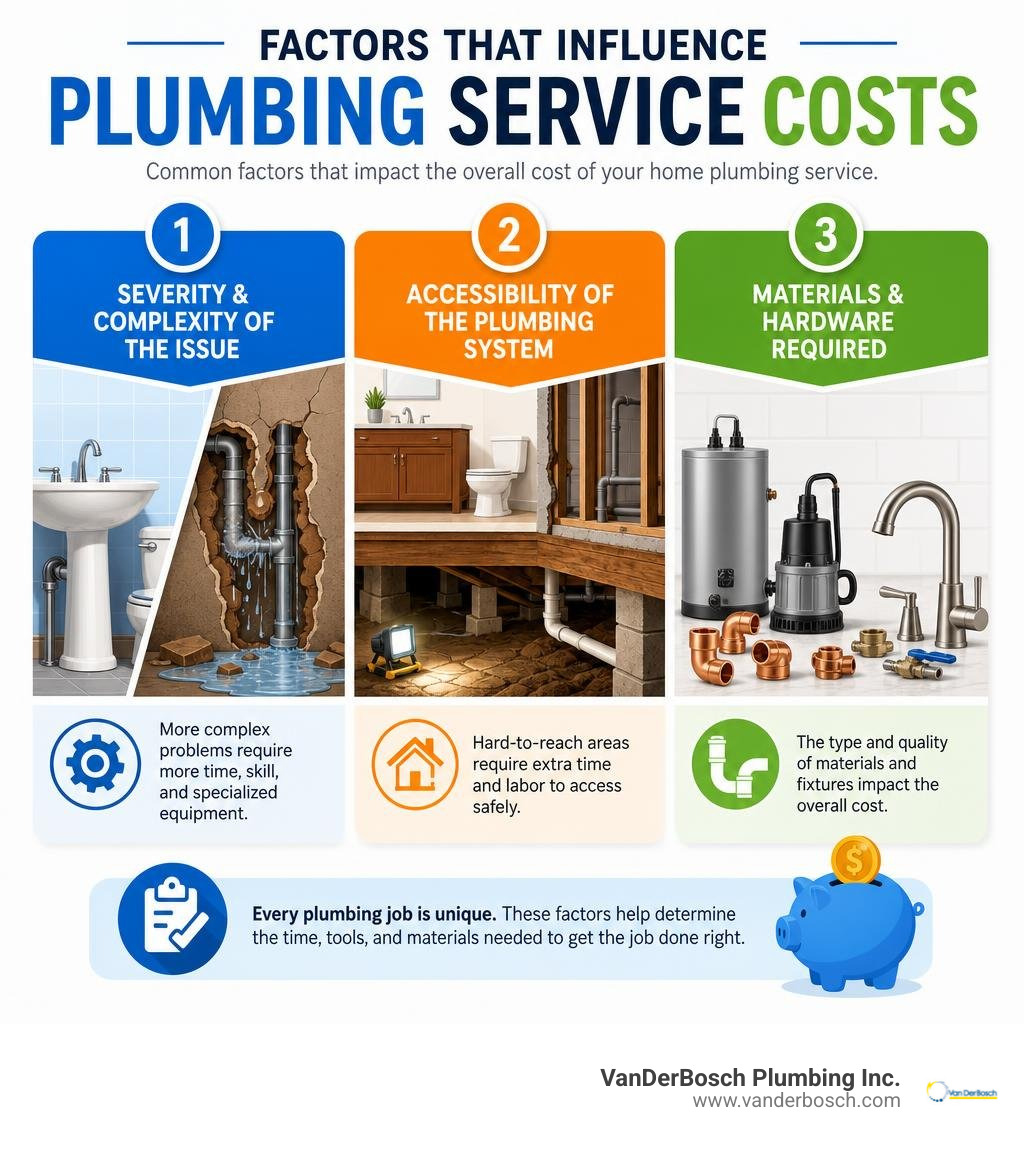
When calculating the investment required for a plumbing repair, several key variables come into play:
- Severity and Complexity of the Issue: A basic faucet washer replacement requires less time and technical apparatus than locating an underground pipe leak or replacing a cracked sewer lateral.
- Accessibility of the Plumbing System: Plumbing fixtures hidden behind tiled walls, beneath concrete slabs, or tucked deep inside cramped crawlspaces require additional labor to access safely.
- Materials and Hardware Required: High-efficiency tankless water heaters, commercial-grade sump pumps, specialized copper fittings, or custom designer faucets affect total material costs.
- Diagnostic Requirements: Minor surface fixes are simple to diagnose, whereas multi-point leak detection or sewer camera inspections require specialized electronic machinery.
- Emergency Dispatch Timing: Standard scheduled calls during normal business hours are straightforward, though top-tier service providers maintain flat dispatch rates even during off-hours.
To help offset immediate repair expenses, reputable companies frequently offer diagnostic discounts or seasonal repair specials. For instance, taking advantage of a $68 off any repair offer can make fixing a stubborn faucet drip or minor pipe weeping much more budget-friendly.
For major system replacements, such as converting to a high-efficiency tankless unit or completing a whole-home pipe replacement, flexible financing options and low monthly payment programs allow homeowners to address critical infrastructure needs immediately while spreading payments over manageable monthly terms. Some homeowners even explore equipment subscription models, such as monthly water heater lease options that combine installation and ongoing maintenance into a simple monthly rate.
Membership Plans and Preventive Maintenance
The most cost-effective way to manage home plumbing expenses is to stop major breakdowns before they happen. Enrolling in an annual service agreement or preventive maintenance membership program provides year-round protection for your property.
Annual plumbing care plans—such as regional Service Partner Plans or annual inspection agreements—typically include comprehensive whole-home plumbing inspections. During these routine tune-ups, a technician tests household water pressure, inspects supply lines under sinks and behind appliances, flushes water heater tanks to remove sediment, and checks sump pump float switches.
Membership programs often feature exclusive owner perks, including:
- Priority Scheduling: Jump to the front of the service line during high-demand weather events like severe cold snaps or intense summer storms.
- Member Discounts: Receive automatic percentage discounts (such as 5% to 15% off) on all standard repairs, upgrades, and drain cleaning services.
- Waived Dispatch Fees: Save on standard diagnostic or service call charges whenever you request an inspection or estimate.
- Extended Warranties: Enjoy longer labor and parts coverage on all completed service work.
Signing up for regular maintenance ensures that small drips, silent toilet leaks, or minor pressure drops are caught early, protecting your wallet and preserving your home’s infrastructure.
Handling Emergencies and Licensing Standards
Plumbing emergencies rarely happen at a convenient time. A copper pipe can burst in the middle of a winter night, or a main sewer line can back up during a family holiday dinner. Knowing how to handle these urgent crises and verifying the credentials of your service provider protects both your property and your family’s safety.
When an emergency strikes, time is critical. Water leaking from a pressurized supply line can saturate drywall, ruin ceiling plaster, destroy hardwood flooring, and encourage toxic mold growth within 24 to 48 hours. Similarly, gas line leaks from water heaters or gas appliances present immediate health and fire hazards that demand immediate attention.
Legitimate emergency plumbing providers offer true 24/7 emergency response, 365 days a year. Furthermore, transparent providers operate with no after-hours or overtime charges, meaning you won’t be penalized with inflated rates simply because an emergency occurred on a weekend or late at night. For quick access to off-hours assistance, keep a reliable 24/7 plumbing company emergency plumber in Chicago IL saved in your phone contacts.
Before allowing any plumber to begin work on your property, always confirm that the business meets rigorous industry standards:
- State Licensing: Verify that the plumbers hold active Master Plumber or Journeyman credentials issued by state licensing boards. Licensed plumbers have completed thousands of hours of supervised practical training and passed rigorous code exams.
- Comprehensive Insurance: Ensure the company maintains full commercial liability insurance and workers’ compensation coverage to protect you from financial liability in the event of accidental property damage or technician injury on site.
- Background Checks and Drug Screening: Trustworthy companies perform strict criminal background checks and drug screenings on all employees before putting them in service vans.
For further reference on state plumbing standards, licensing frameworks, and safety guidelines across local jurisdictions, review resource databases such as the Illinois Department of Public Health Plumbing Program.
Selecting the Right Plumber Home Service for Emergency Repairs
When faced with a sudden burst pipe or flooded basement, choosing the right plumber home service quickly can feel overwhelming. Having an established action plan helps you remain calm and take control of the situation.
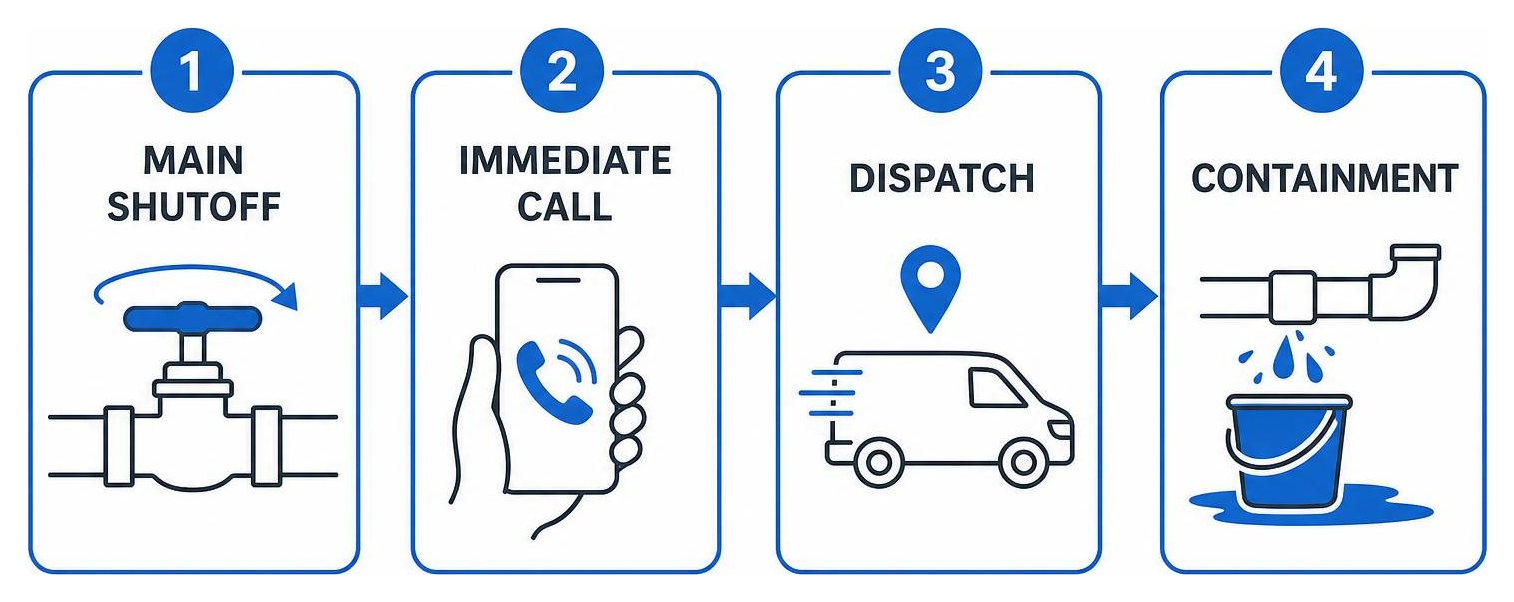
- Locate and Turn Off the Main Water Valve: Every homeowner should know the location of their primary water shutoff valve (usually situated near the water meter or basement wall). Closing this valve immediately stops the flow of water and halts active flooding.
- Turn Off Fuel Supply or Power if Necessary: If water is leaking near electrical outlets, breaker panels, or natural gas appliances, safely shut off power at the main breaker or shut off the unit’s gas valve.
- Contact a Rapid-Dispatch Emergency Plumber: Call a local plumber with proven emergency availability and guaranteed rapid response times in your specific municipality.
- Confirm Local Service Coverage: Ensure the plumbing company actively covers your specific neighborhood or suburb to avoid long response delays. Reviewing local service areas guarantees that trucks are operating near your location.
- Document Damage for Insurance Claims: Take clear photos and videos of the affected area, leaking components, and any damaged personal property before clean-up begins.
Knowing that a fully stocked truck with licensed technicians is dispatched to your home brings instant peace of mind during a stressful home crisis.
Preventive Measures for Long-Term Plumbing Protection
While responsive plumbing repairs fix immediate breakdowns, implementing proactive household habits is the best way to safeguard your plumbing infrastructure over the long term.
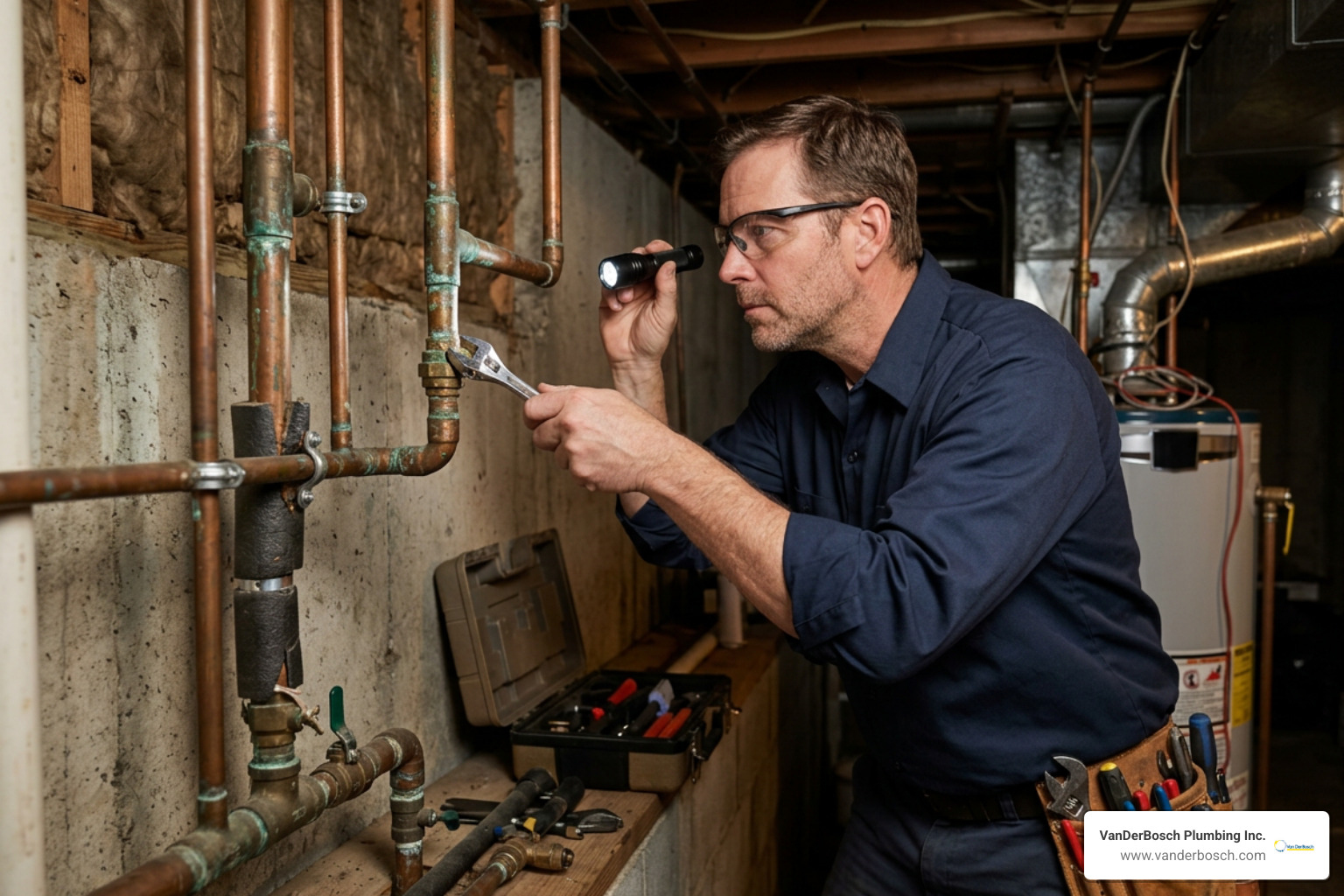
Comparing preventive home maintenance against reactive plumbing repairs highlights the tremendous financial savings of staying proactive:
| Plumbing System Component | Proactive Preventive Maintenance | Reactive Emergency Repair |
|---|---|---|
| Kitchen & Bath Drains | Monthly biological drain treatments; lint catchers; hair strainers installed in drains | Emergency hydro-jetting or main sewer line augering after back-ups occur |
| Water Heater Tank | Annual flushing of sediment buildup; anode rod replacements every 3–5 years | Complete tank rupture replacement, water extraction, and drywall restoration |
| Sump Pump System | Semi-annual float switch testing; battery backup replacement every 3 years | Total basement flood restoration, finished drywall replacement, and mold remediation |
| Exposed Water Lines | Pre-winter pipe insulation sleeve installation; thermostat management during severe freezes | Emergency burst pipe repair, structural drying, and subfloor replacement |
| Household Fixtures | Periodic washer/cartridge replacements and water pressure checks | Continuous water waste, high utility bills, and cabinet base water rot |
To maintain trouble-free plumbing performance, follow these expert care recommendations:
- Mind What Goes Down the Drain: Never pour kitchen fats, oils, or grease down your sink. As grease cools inside cold sewer pipes, it solidifies into dense blockages. Avoid putting stringy vegetables, eggshells, coffee grounds, or rice down garbage disposals. In the bathroom, flush only toilet paper—never wipe products labeled “flushable,” as they do not break down in water.
- Protect Pipes from Winter Freezes: Sub-zero temperatures can freeze water trapped inside uninsulated exterior wall pipes or unheated crawlspaces. Install foam insulation sleeves around vulnerable pipes, disconnect garden hoses before freezing weather arrives, and keep cabinet doors open under sinks during extreme cold spells to allow warm indoor air to circulate around plumbing.
- Address Hard Water Buildup: Hard water contains heavy concentrations of calcium and magnesium minerals. Over time, these minerals form hard scale deposits inside pipes, faucets, and water heaters, reducing water flow and shortening appliance lifespan. Installing a whole-home water softener or water filtration system neutralizes hard water, protects fixtures, and leaves dishes streak-free.
- Flush Your Water Heater Annually: Heating municipal or well water causes dissolved minerals to settle at the bottom of standard water heater tanks. This sediment layer insulates the burner, reduces heating efficiency, causes popping noises, and accelerates tank corrosion. Flushing the tank once a year flushes out sediment and extends the life of your heating equipment.
For broader insights into residential home system care and water efficiency standards, homeowners can consult resources provided by organizations like the U.S. Environmental Protection Agency WaterSense Program.
Frequently Asked Questions About Home Plumbing Services
Do home plumbers offer free estimates and second opinions before starting work?
Yes, reputable home plumbing companies provide free estimates for major installations, replacements, and non-emergency repair projects before any work begins. A technician will evaluate the scope of work, inspect the system, and present a written estimate detailing flat-rate pricing.
Furthermore, if you have received an unusually high estimate or major diagnosis from another service provider (such as a full sewer line replacement or total home repiping), trustworthy plumbers offer free second opinions. They will inspect the problem independently, verify whether a less invasive repair is possible, and outline transparent options so you can choose what is best for your budget and home.
Are there extra charges or hidden fees for emergency after-hours plumbing calls?
While many trade contractors add high dispatch surcharges or double hourly rates for night, weekend, or holiday service calls, premier plumbing service providers maintain transparent pricing with zero hidden fees or after-hours surcharges.
When choosing an emergency plumber, always ask upfront if their service fee remains flat regardless of the hour. Transparent companies provide fixed flat-rate pricing options on-site before starting emergency work, ensuring you won’t face surprise charges simply because your plumbing emergency occurred outside traditional business hours.
How can I prevent sudden drain clogs and pipe leaks in my home?
Preventing drain clogs and pipe leaks comes down to mindful daily habits and regular preventive maintenance. Prevent drain clogs by placing mesh strainers over sink and shower drains to catch hair and debris, avoiding dumping grease or fibrous food waste down garbage disposals, and flushing drains with hot water regularly.
To prevent leaks, monitor your household water pressure using a simple pressure gauge attached to an outdoor spigot—water pressure exceeding 80 PSI puts excessive stress on pipe joints and flexible fixture lines. Additionally, replace rubber washing machine hoses with braided stainless steel hoses every five years, insulate exposed pipes against winter freezes, and schedule an annual whole-home plumbing inspection.
If you have additional questions regarding specific household plumbing issues, consult our detailed resource on frequently asked questions.
Conclusion
A well-maintained plumbing system is essential for household comfort, health, and property value. From minor faucet drips and silent toilet leaks to emergency burst pipes and sewer main blockages, having a dependable plumber home service partner makes all the difference when unexpected issues arise.
At VanDerBosch Plumbing Inc., we are committed to delivering exceptional residential and light commercial plumbing care throughout Chicagoland—including Chicago, Roselle, Niles, Winnetka, Melrose Park, Oakbrook Terrace, Hyde Park, Sauganash, West Ridge, Ukrainian Village, Elmhurst, and Mount Prospect. Our team of experienced, background-checked, licensed, and insured plumbers is backed by our 100% satisfaction guarantee. We offer transparent pricing with zero hidden service charges, prompt 24/7 emergency availability, and require your pre-work approval before any repair begins.
Whether you need routine tap repair, non-invasive electronic leak detection, sewer camera inspection, or a whole-home plumbing tune-up, we are here to help.
Ready to resolve your plumbing concerns? Read our verified customer reviews, explore our complete list of services, or contact us today to schedule appointment with our expert team!