
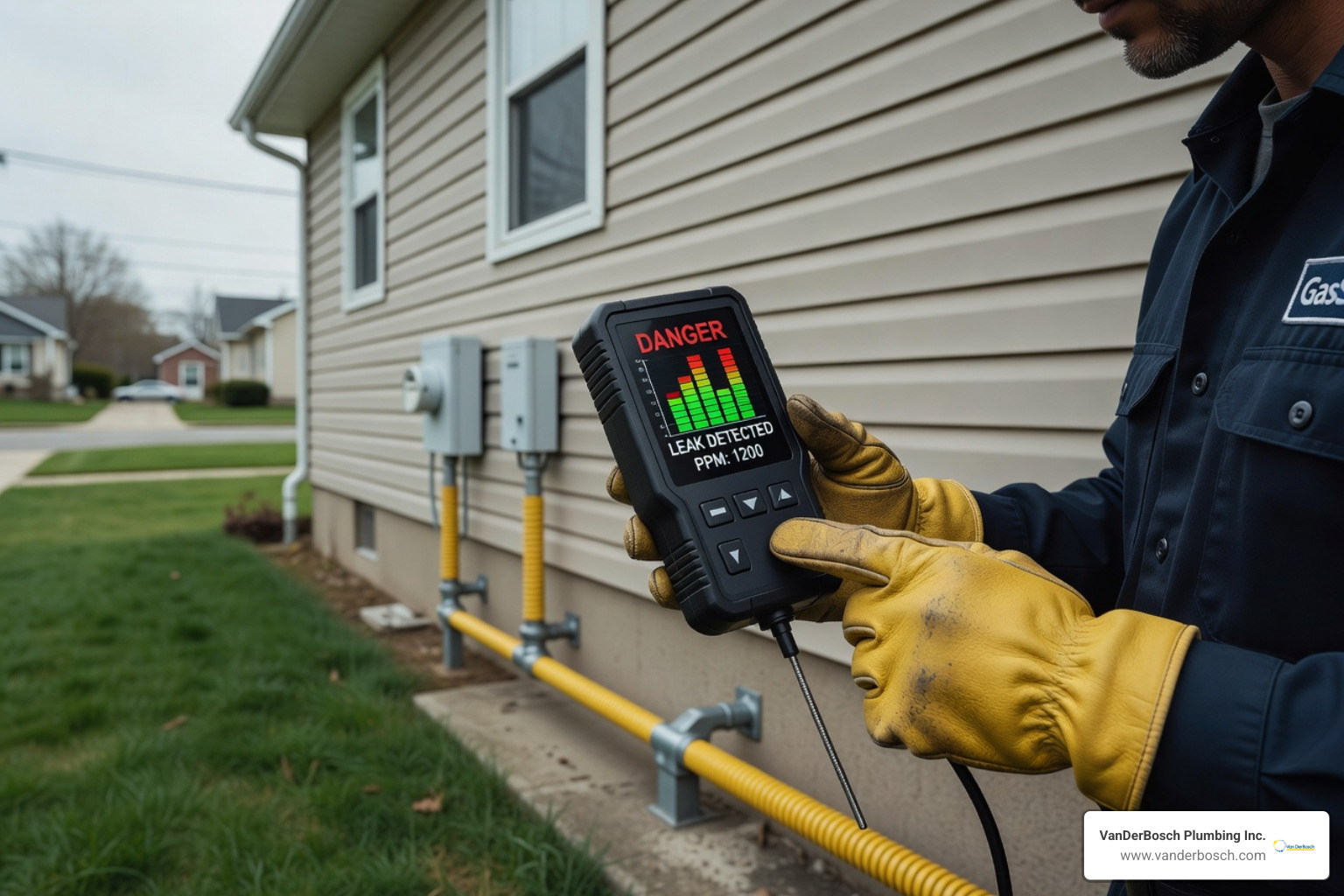
Why Every Home and Vehicle with CNG Needs a Leak Detector
A CNG leak detector is a safety device that senses methane gas in the air before it reaches dangerous levels. Here’s a quick overview of what you need to know:
- What it detects: Methane (the main component of Compressed Natural Gas), typically 70–90% of natural gas composition
- Why it matters: Methane becomes explosive at concentrations between 5% and 15% by volume in air
- Who needs one: Homeowners with gas appliances, CNG vehicle owners, fleet operators, and businesses using natural gas
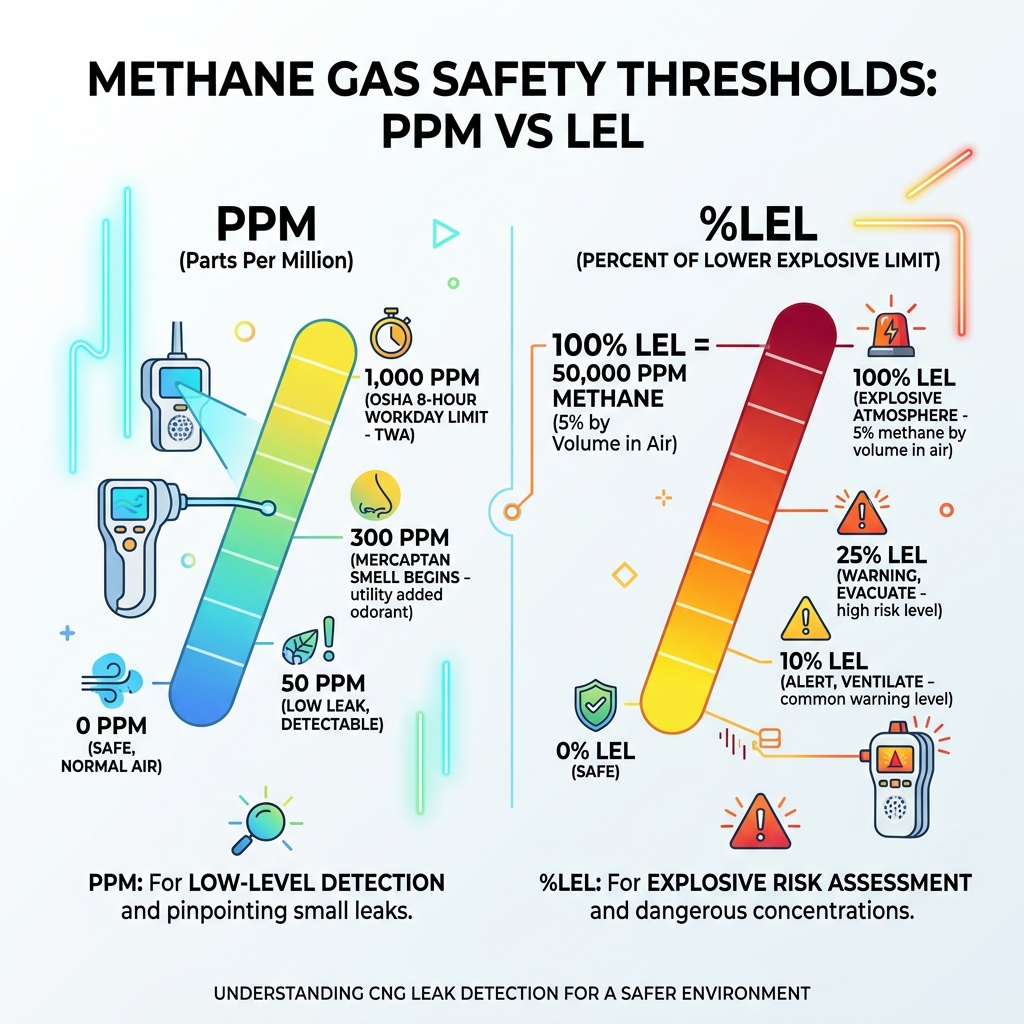
- Key reading types: PPM (parts per million) for low-level detection; %LEL (percent of Lower Explosive Limit) for explosive risk assessment
- OSHA limit: 1,000 ppm as a time-weighted average over an 8-hour workday
Natural gas is odorless on its own. Utility companies add a chemical called mercaptan to give it that familiar “rotten egg” smell. But here’s the problem: your nose can only detect it at concentrations around 0.3% — well above where a good detector will already have sounded the alarm. That gap is exactly why a dedicated detector matters.
I’m Hugh Hodur, President of VanDerBosch Plumbing Inc., and through years of overseeing residential and commercial plumbing services across Chicagoland, I’ve seen how a reliable CNG leak detector can be the difference between a close call and a catastrophe. Let’s walk through everything you need to know to choose and use one correctly.
Understanding the CNG Leak Detector: Technology and Sensors
When we talk about a cng leak detector, we are primarily talking about a methane detector. Compressed Natural Gas (CNG) is mostly methane (CH4), usually ranging from 70% to 90% of the total volume. Unlike Liquefied Petroleum Gas (LPG/Propane), which is heavier than air and sinks to the floor, CNG is lighter than air. This means if you have a leak in your Chicago kitchen or a Roselle garage, the gas will rise and pool at the ceiling.
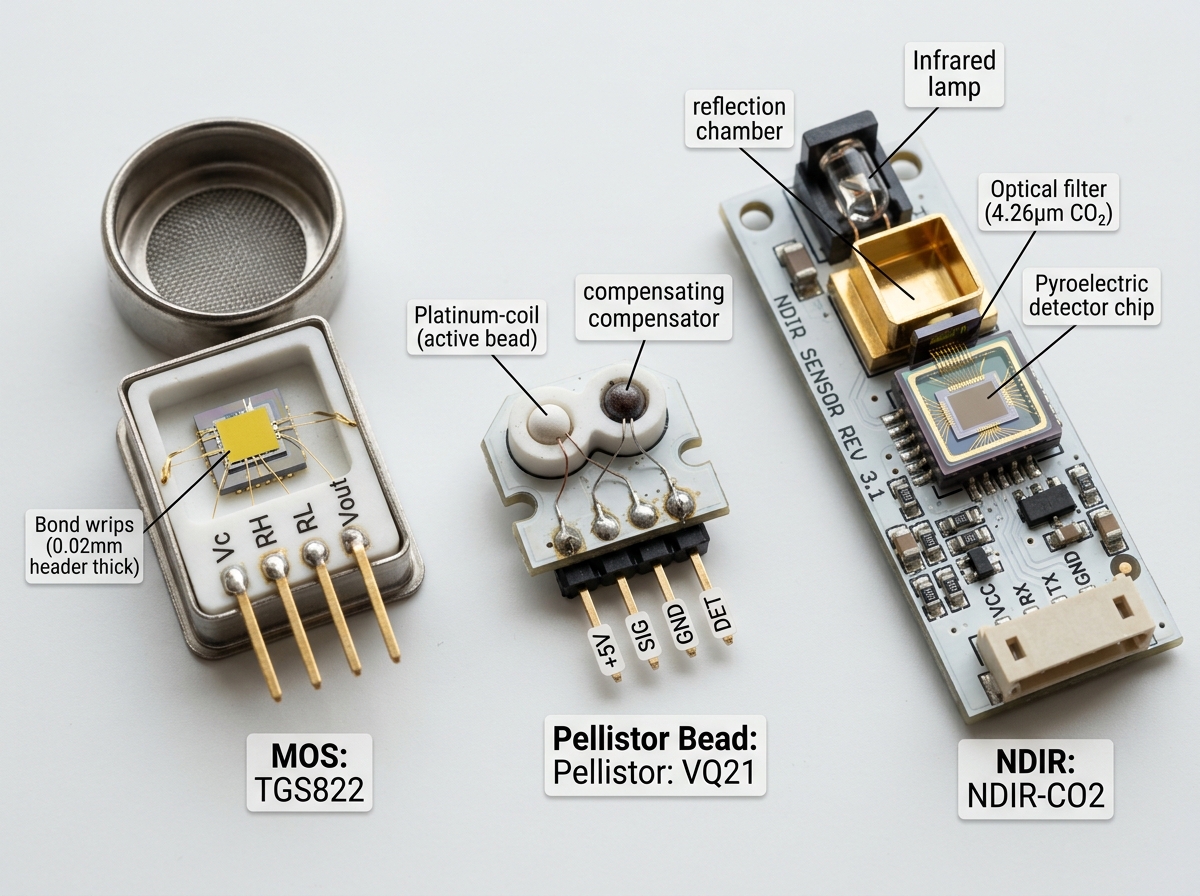
The “brain” of any detector is its sensor. There are three main technologies used to sniff out these leaks:
- Semiconductor (Metal Oxide) Sensors: These are common in residential plug-in models. They work by measuring changes in electrical resistance when gas hits a heated metal-oxide film. These sensors are rugged and can last up to 10 years, which is significantly longer than other types.
- Catalytic Bead Sensors: Often found in industrial or portable “sniffers,” these sensors literally burn a tiny amount of gas on a wire coil to measure the heat released. They are excellent for detecting explosive levels but can be “poisoned” by household chemicals like silicone or lead.
- Non-Dispersive Infrared (NDIR) Sensors: These are the gold standard for accuracy. They use infrared light to identify the specific “fingerprint” of methane molecules. Devices like the Infrared leak detector for natural gas leak detection | INFICON utilize this technology to provide high-precision readings without being affected by other gases.
| Sensor Type | Typical Lifespan | Pros | Cons |
|---|---|---|---|
| Semiconductor | 5–10 Years | Low cost, long life | Can have false alarms from hairspray/alcohol |
| Catalytic | 2–3 Years | Very accurate for LEL | Shorter life, sensitive to “poisoning” |
| Infrared (NDIR) | 10+ Years | Highly specific, no poisoning | Higher initial cost |
Portable vs. Fixed CNG Leak Detector Options
In our work across Cook County, we use both portable and fixed systems depending on the goal.
- Handheld Sniffers: These are portable units often equipped with “gooseneck” probes. They allow us to get into tight spots—like behind a stove in a Ukrainian Village apartment or around a fuel tank in a CNG-powered van. Models like the SENSIT® HXG-3 Combustible Gas Leak Detector provide real-time PPM and %LEL readings as you move.
- Fixed/Wall-Mounted Alarms: These are “set it and forget it” devices. They plug into an outlet or are hardwired near the ceiling. Because CNG rises, these should be mounted about 12 inches from the ceiling to catch a leak early.
Smart Features in Modern Detection Systems
The world of gas safety has gone digital. Modern detectors, such as the Shelly GAS (CNG), now offer Wi-Fi connectivity. If a leak is detected while you’re out enjoying a day at the Chicago lakefront, you’ll receive an immediate notification on your smartphone.
Some advanced systems even include “valve control outputs.” This means the detector can send an electrical signal to a motorized shut-off valve, automatically cutting off the gas supply the moment a leak is sensed. For families caring for elderly relatives in Sauganash or Winnetka, voice evacuation instructions are another fantastic feature, providing clear, calm directions instead of just a piercing siren.
Why CNG Safety is Critical for Homes and Vehicles
Whether it’s a fleet of CNG delivery trucks in Melrose Park or a high-efficiency furnace in an Elmhurst home, the risks of a leak are the same: fire and explosion.
Methane is only explosive when it reaches a specific concentration in the air—between 5% and 15%. This is known as the “explosive range.” If the concentration is below 5%, it’s too “lean” to burn; above 15%, it’s too “rich.” However, that 5% to 15% window is a dangerous “sweet spot.”
Because we spend so much time indoors, understanding how to keep a household safe from gas leaks is vital. While the “rotten egg” smell of mercaptan is helpful, it isn’t foolproof. “Odor fade” can occur in new pipes, and some people simply have a diminished sense of smell. Furthermore, OSHA sets a permissible exposure limit of 1,000 ppm for methane. While methane itself isn’t toxic like carbon monoxide, it is an asphyxiant—it displaces the oxygen you need to breathe.
Maintenance and Testing: Ensuring Long-Term Reliability
A cng leak detector is only useful if it actually works when needed. Like any precision instrument, these devices drift over time due to humidity, temperature changes, and sensor aging.
At VanDerBosch Plumbing Inc., we recommend a “12-point calibration check” for professional-grade equipment. This includes verifying the battery, inspecting the sensor for debris, and ensuring the pump (in portable units) is drawing air correctly. Most residential sensors should be replaced every 5 to 10 years, depending on the manufacturer’s specs. If you’re unsure about the state of your home’s gas system, you can learn more info about gas leak detection services on our dedicated service page.
The Importance of a CNG Leak Detector Bump Test
A “bump test” is a quick functional check. It doesn’t tell you if the device is perfectly accurate, but it proves the sensor is alive and the alarm works. You can do this by briefly exposing the sensor to a known source of gas—like an unlit stovetop burner (carefully!) or a specialized “bump gas” canister. If the alarm doesn’t trigger immediately, the unit is faulty and must be replaced.
Calibration Procedures for Professional Accuracy
For our commercial clients in Oakbrook Terrace or industrial sites in Niles, we perform full calibrations. This involves “zeroing” the sensor in fresh air and then applying a “span gas” with a precise concentration of methane (e.g., 2.5% methane, which represents 50% LEL). We adjust the device until its reading matches the gas concentration exactly. This ensures that when the screen says “10% LEL,” it really means it.
Emergency Protocols: What to Do if a Leak is Detected
If your cng leak detector goes off, every second counts. Here is the protocol we teach our neighbors in Chicagoland:
- Evacuate Immediately: Don’t stop to grab your keys or laptop. Get everyone (including pets) out of the building.
- Do Not Create Sparks: Do not turn lights on or off. Do not use a flashlight, a landline phone, or even your cell phone inside the house. A single spark from a light switch can ignite a methane-rich atmosphere.
- Shut Off the Gas (If Possible): If the main shut-off valve is outside and you can reach it safely, turn it off.
- Call for Help: Once you are a safe distance away (usually across the street), call 911 or your local gas utility.
- Professional Inspection: Never turn the gas back on yourself. You will need professional gas line repair services to find the leak, fix it, and certify that the system is safe for use.
Frequently Asked Questions about CNG Detection
Can a standard carbon monoxide detector find a CNG leak?
No. This is a dangerous misconception. Carbon monoxide (CO) is a byproduct of incomplete combustion. Methane (CNG) is the raw fuel itself. The sensors are completely different. Unless you buy a “dual-gas” detector specifically labeled for both CO and Combustible Gas, your CO alarm will remain silent during a gas leak.
How often should a CNG leak detector be replaced?
Most residential semiconductor sensors last about 5 to 7 years. High-end models with 10-year sealed batteries are becoming the standard. Always check the “replace by” date on the back of your device. If it’s chirping and it’s not the battery, it’s likely the sensor telling you its life is over.
What is the difference between PPM and %LEL readings?
Think of PPM (Parts Per Million) as a microscope—it’s for finding tiny leaks before they become dangerous. Think of %LEL (Percent of Lower Explosive Limit) as a speedometer for danger. 100% LEL means the air is now explosive. Most detectors are set to alarm at 5% or 10% LEL, giving you a massive safety margin to get out.
Conclusion
Safety isn’t something you should leave to chance or “the sniff test.” Whether you are a homeowner in West Ridge or manage a commercial property in Hyde Park, a high-quality cng leak detector is a non-negotiable part of a modern safety plan.
At VanDerBosch Plumbing Inc., we’ve built our reputation on keeping Chicagoland safe since 1993. We offer licensed residential and light commercial plumbing services with a 100% satisfaction guarantee. Our technicians are background-checked, experienced, and available 24/7 for emergencies. From Mount Prospect to Ukrainian Village, we are here to ensure your gas lines are tight and your family is protected.
Don’t wait for a “rotten egg” smell to tell you there’s a problem. Schedule a professional gas leak detection service with us today and breathe easier knowing your home is secure.