Table of Contents
- Plumbing Emergency Signs That Require Drain Cleaning
- What to Do Right Now if Your Drain Is Backed Up
- Why Chemical Drain Cleaners Can Make Things Worse
- How Sewer Video Inspection Identifies the Real Problem
- Hydro Jetting Services for Stubborn Clogs and Buildup
- When to Call a Licensed Plumber for Emergency Drain Cleaning
- Preventing Future Drain Emergencies
- Frequently Asked Questions
Last Updated: September 30, 2026
Plumbing Emergency Signs That Require Drain Cleaning
A backed-up drain is one of the most common plumbing emergencies homeowners face. Unlike a slow drain that develops over weeks, a true emergency drain situation demands immediate attention because water can’t flow out of your home, creating potential damage and sanitation hazards.
The first step is recognizing whether you’re dealing with a localized clog or a sign of a deeper problem in your plumbing system. Not every slow drain requires professional emergency drain cleaning, but some situations absolutely do. Understanding the difference between a minor inconvenience and a genuine emergency will help you decide whether to try a temporary fix or call for help right away.
Single Drain vs. Multiple Drains Backing Up
When only one sink, shower, or toilet is draining slowly or backing up, the clog is likely isolated to that fixture or its branch line. You might be able to handle this yourself with a plunger or a drain snake.
But when multiple drains in different areas of your home back up at the same time, the problem is farther down your plumbing system. If your kitchen sink, bathroom sink, and shower all drain slowly or back up together, the blockage may be in your main sewer line or a shared drain line. This is a red flag that requires professional diagnosis and emergency drain cleaning services.
Water Pooling and Slow Drainage
Water pooling around floor drains, in your basement, or near your foundation is a serious sign. This often indicates a sewer backup or a main line clog that’s preventing water from leaving your property entirely. Slow drainage that worsens over hours rather than days also suggests an urgent blockage.
If you notice sewage smell coming from drains, toilets, or your yard, stop using water immediately and contact a professional. This is a health and safety issue that demands same-day attention.
What to Do Right Now if Your Drain Is Backed Up
When you discover a backed-up drain, your first priority is preventing water damage and further complications. Take these steps immediately while waiting for professional help.
Stop Using Water Immediately
The moment you realize you have a backed-up drain, stop using water. This includes toilets, sinks, showers, and washing machines. Every time you use water, you’re sending more liquid into a system that can’t drain it out. This increases the risk of sewage backing up into your home through the lowest drains, typically in basements or lower-level bathrooms.
If you have a basement floor drain and you see water beginning to pool there, this is an urgent sign. Turn off water use and contact an emergency plumber immediately.
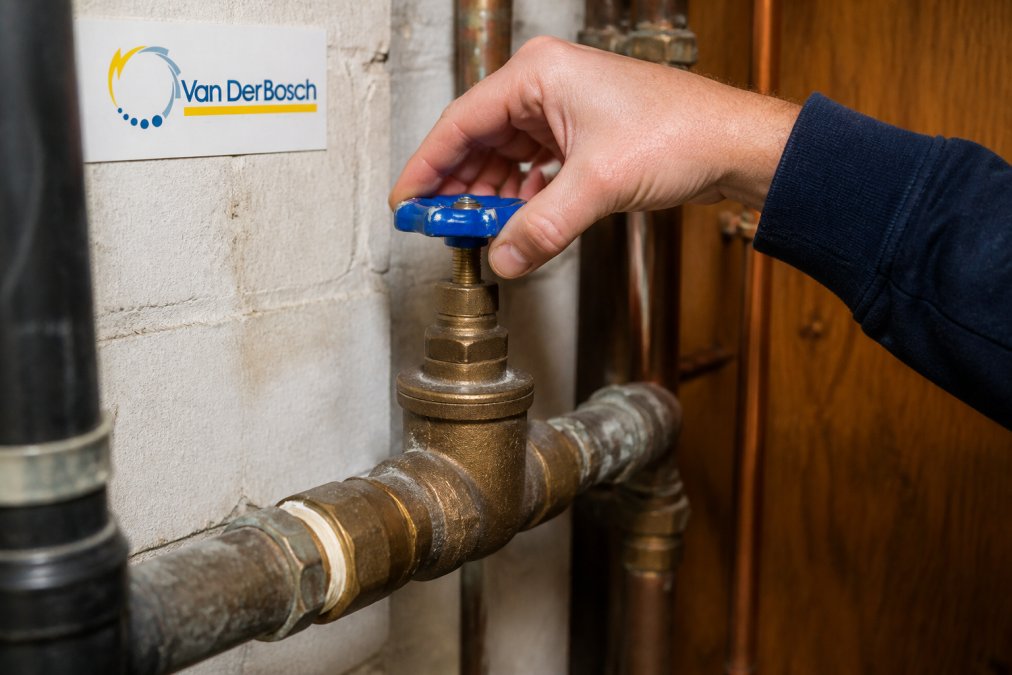
Check Your Main Water Shut-Off Valve
Know where your main water shut-off valve is located before an emergency happens. It’s typically found near your water meter in a basement, crawl space, or utility room. In some homes, it’s outside near the street.
If water is backing up into your home or you see significant pooling, you may need to shut off the main water supply to prevent additional water from entering your system. Turn the valve clockwise to close it. This is a temporary measure only, you’ll still need professional help to clear the blockage and restore normal drainage.
Temporary Steps While Waiting for Help
While waiting for emergency drain cleaning services, avoid using the affected drains. If you must use water, use only the drains that are working normally and are in a different part of your home.
Don’t attempt to use a chemical drain cleaner on a backed-up drain. These products can make the situation worse and create safety hazards for the professional who arrives to help. Similarly, avoid using a plunger on multiple drains at once, as this can force sewage into other areas of your plumbing system.
If water is actively backing up into your home, place towels or a wet vacuum near the affected area to catch overflow. Document the problem with photos if possible, this helps your plumber understand what happened and how to address it.
Why Chemical Drain Cleaners Can Make Things Worse
Chemical drain cleaners are one of the most common mistakes homeowners make during a plumbing emergency, and they frequently turn a manageable problem into a costly one.
These products work by generating an exothermic reaction, they produce heat and caustic chemical action inside your pipes. When a drain is completely blocked, this pressure and heat have nowhere to escape. In older cast iron, clay, or galvanized steel pipes common in homes, the combination of heat and chemical corrosion can cause the pipe walls to weaken, crack, or even rupture. Plastic PVC pipes can soften or warp. If the blockage is severe, the buildup of pressure may force sewage backward into other parts of your plumbing system or cause a pipe joint to separate. Avoiding these destructive chemical reactions is essential when you are attempting professional blocked drain clearing to restore normal flow without compromising the integrity of your home plumbing.
Beyond structural damage, chemical cleaners create serious hazards for the professional who arrives to help. Residual chemicals can splash or react unpredictably when a plumber introduces water, tools, or diagnostic equipment into the drain. Some chemical products are incompatible with the high-pressure water used in hydro jetting, creating a safety risk. If a plumber must perform a sewer video inspection, chemical residue can coat the camera lens and make diagnosis impossible.
Chemical cleaners also leave a toxic residue inside your pipes that can persist for days or weeks. This makes it harder to determine the actual cause of the blockage, was it grease, tree roots, mineral buildup, or a structural failure? Without knowing the real problem, a plumber may recommend an incomplete solution, and the clog will return.
If you’ve already used a chemical drain cleaner before calling for professional help, inform your plumber immediately. They need to know what product was used, how much, and when. This allows them to take appropriate safety precautions and choose the right cleaning method.
For a true emergency drain situation, skip the chemicals entirely. A licensed plumber has the tools, training, and diagnostic equipment to clear the blockage safely without risking additional damage to your plumbing system or creating hazards during the repair process.
How Sewer Video Inspection Identifies the Real Problem
When a drain backs up, the cause might be a simple clog, tree roots invading your sewer line, a collapsed pipe section, or buildup inside your pipes. Without knowing what’s actually blocking the line, it’s impossible to choose the right solution.
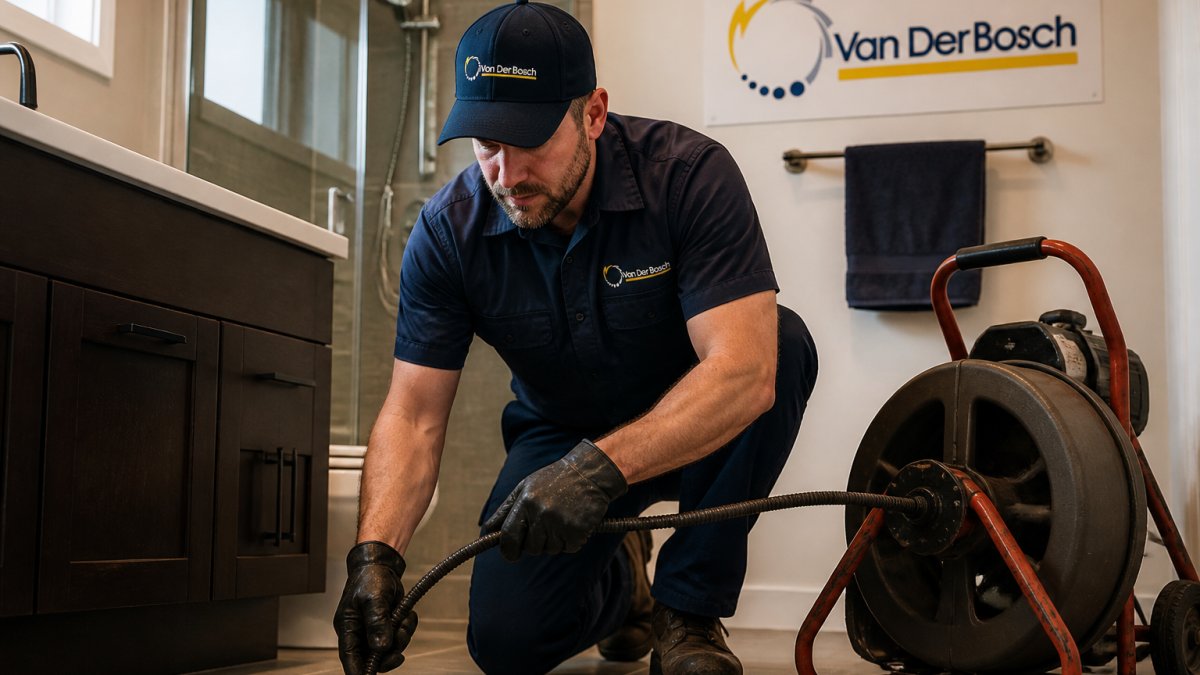
Sewer video inspection uses a small camera on a flexible cable to look directly inside your drain and sewer lines. The plumber can see exactly where the blockage is, what’s causing it, and how severe the damage is.
Hydro Jetting Services for Stubborn Clogs and Buildup
Hydro jetting is a powerful drain cleaning method that uses high-pressure water to blast away clogs, grease buildup, and debris inside your pipes. Unlike a traditional drain snake, which punches a hole through a blockage, hydro jetting cleans the entire interior wall of the pipe.
When to Call a Licensed Plumber for Emergency Drain Cleaning
If your drain is backing up, multiple drains are slow at once, you see sewage or foul water, or water is pooling in your home, you need professional help immediately. These situations pose health risks and can cause significant property damage if not addressed quickly.
24-Hour Emergency Response and Same-Day Service
Drain emergencies don’t happen during business hours. When a pipe backs up at midnight or on a weekend, you need a plumber who’s actually available.
What to Expect During an Emergency Service Call
When your plumber arrives, they’ll start by asking about when the problem began, which drains are affected, and what you’ve already tried. This information helps them narrow down the cause.
Preventing Future Drain Emergencies
The best response to a drain emergency is preventing one in the first place. But if you’ve already experienced a backup, understanding what caused it and taking steps to prevent recurrence is equally important.
Addressing the Aftermath of a Sewer Backup
If sewage has backed up into your home, whether into a basement, crawl space, or lower-level bathroom, the cleanup involves more than just removing standing water. Sewage contains harmful bacteria, viruses, and pathogens that pose serious health risks to you and your family.
Routine Maintenance to Prevent Recurring Clogs
Once you know what caused your emergency, you can take targeted steps to prevent recurrence.
Frequently Asked Questions
What are the main signs I need emergency drain cleaning?
Multiple drains backing up at once, water pooling around floor drains, sewage odors, or gurgling sounds from toilets and sinks all indicate a clog deeper in your drain line or sewer system. A single slow sink may just need a plunger, but when several fixtures fail simultaneously, professional emergency drain cleaning is needed. Stop using water and call a licensed plumber right away.
Why shouldn’t I use chemical drain cleaners during an emergency?
Chemical cleaners can corrode older pipes, create toxic fumes, and may not reach the actual clog if it’s deep in the sewer line. If the clog is severe, the chemical can pool and cause pressure buildup. Professional drain cleaning methods like hydro jetting or drain snakes are safer and more effective for true emergencies.
How does sewer video inspection help with emergency drain cleaning?
A sewer video inspection camera shows exactly where the clog is located and what caused it—roots, grease buildup, broken pipe sections, or debris. This diagnostic step prevents unnecessary digging and helps the plumber choose the right cleaning method. For emergency situations, it confirms whether you need standard drain cleaning, hydro jetting services, or sewer line repair.
What should I do if my drain backs up at 2 AM?
Stop using all water immediately to prevent overflow and water damage. Locate your main water shut-off valve and know where it is. Do not use chemical drain cleaners. Place towels around affected drains to contain water. Call a licensed plumber who offers 24-hour emergency response. Many clogs worsen overnight, so immediate professional help prevents costly damage to your home or business.