
Why Water Leak Detection Sensors Are Essential for Every Chicagoland Home
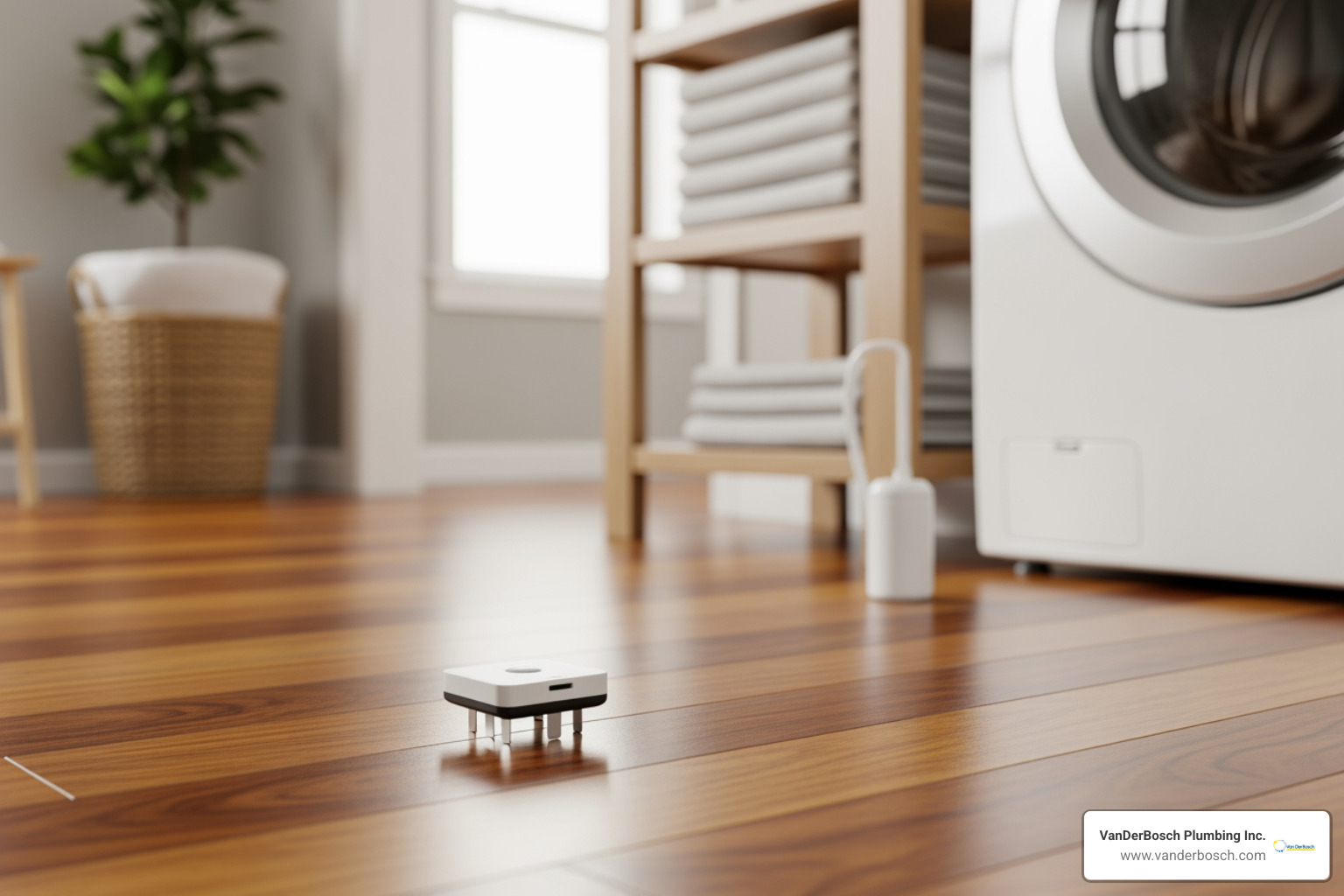
Water leak detection sensors are small devices that sit on floors near appliances and plumbing fixtures, using metal terminals to detect moisture and immediately alert you via loud sirens and smartphone notifications when water is present.
Quick Answer: What You Need to Know
- How they work: Sensors detect water through electrical conductivity when moisture bridges metal contact points
- Alert methods: Audible alarms (85+ decibels) plus Wi-Fi-enabled smartphone push notifications and emails
- Price range: $50-$500+ for spot sensors; whole-home systems cost more and may require professional installation
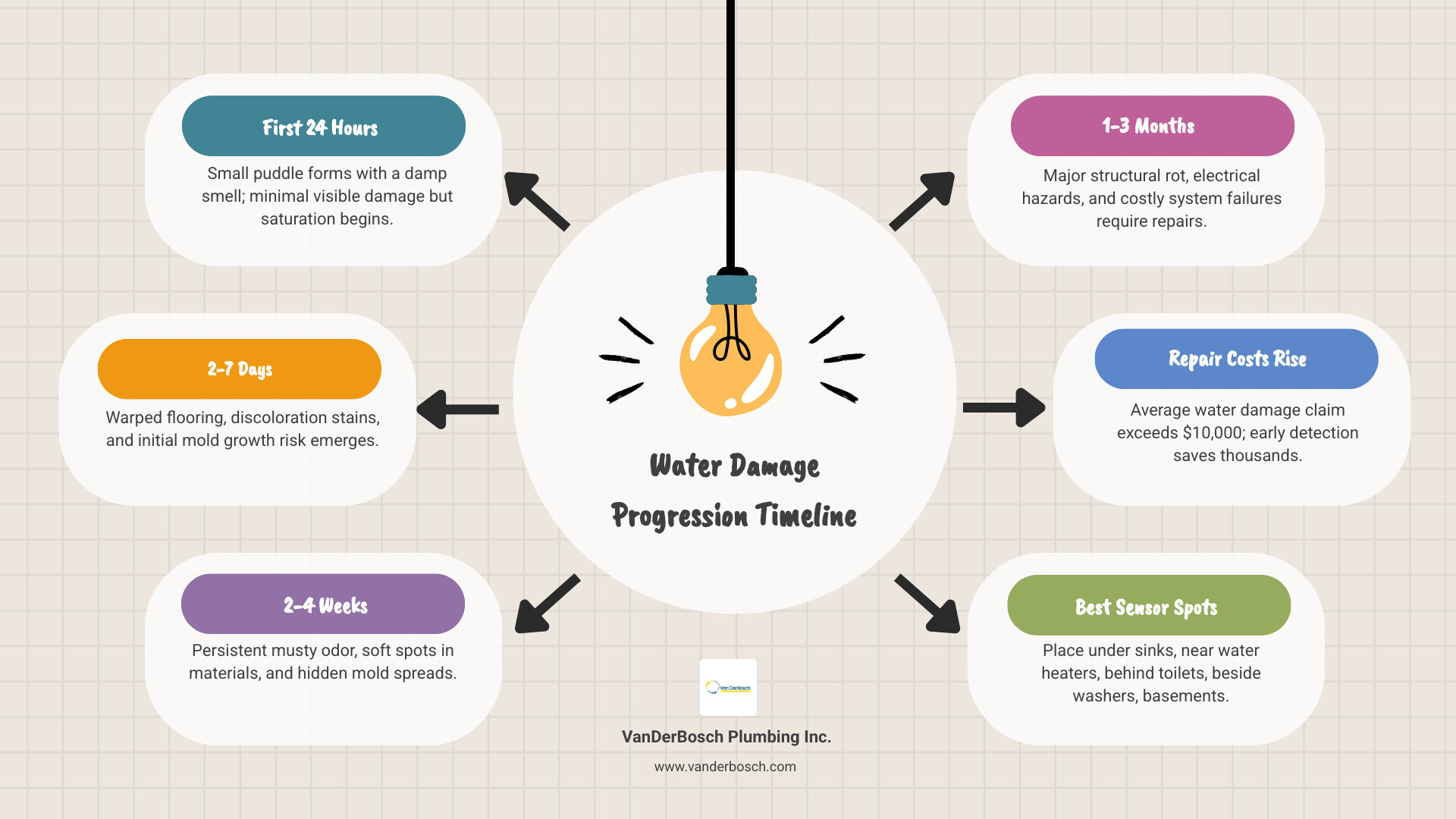
- Best placement: Under sinks, near water heaters, behind toilets, beside washing machines, and in basements
- Key benefit: Early detection prevents damage that can cost thousands in repairs within just 24 hours to 3 months
Flood damage is the most common home insurance claim and one of the most expensive. A small drip might seem harmless, but research shows that within 1-3 months of a leak starting, major repairs may be needed—including rot, electrical issues, and structural failures.
The good news? Modern water leak detection sensors catch problems before they become disasters.
These battery-powered or plug-in devices act like smoke detectors for water damage. They sit quietly under your sink or behind your water heater, monitoring 24/7. The moment water touches their sensors, they sound an alarm and send alerts to your phone—even when you’re away from home.
Some advanced systems go further. They monitor your entire home’s water flow through the main line, learn your usage patterns, and can automatically shut off your water supply when they detect abnormal flow. Users of systems like the Flume 2 have reduced their household water consumption by an average of 10 percent after installation.
I’m Hugh Hodur, President of VanDerBosch Plumbing Inc., and over my years serving the Chicagoland area, I’ve seen how water leak detection sensors save homeowners from catastrophic damage by alerting them to problems before they escalate. Our team regularly helps customers integrate these systems into comprehensive plumbing protection strategies.
What Are Water Leak Detection Sensors and How Do They Work?
At their core, water leak detection sensors are the “early warning system” of your home’s plumbing. But how does a little plastic box know when your water heater is about to throw a tantrum?
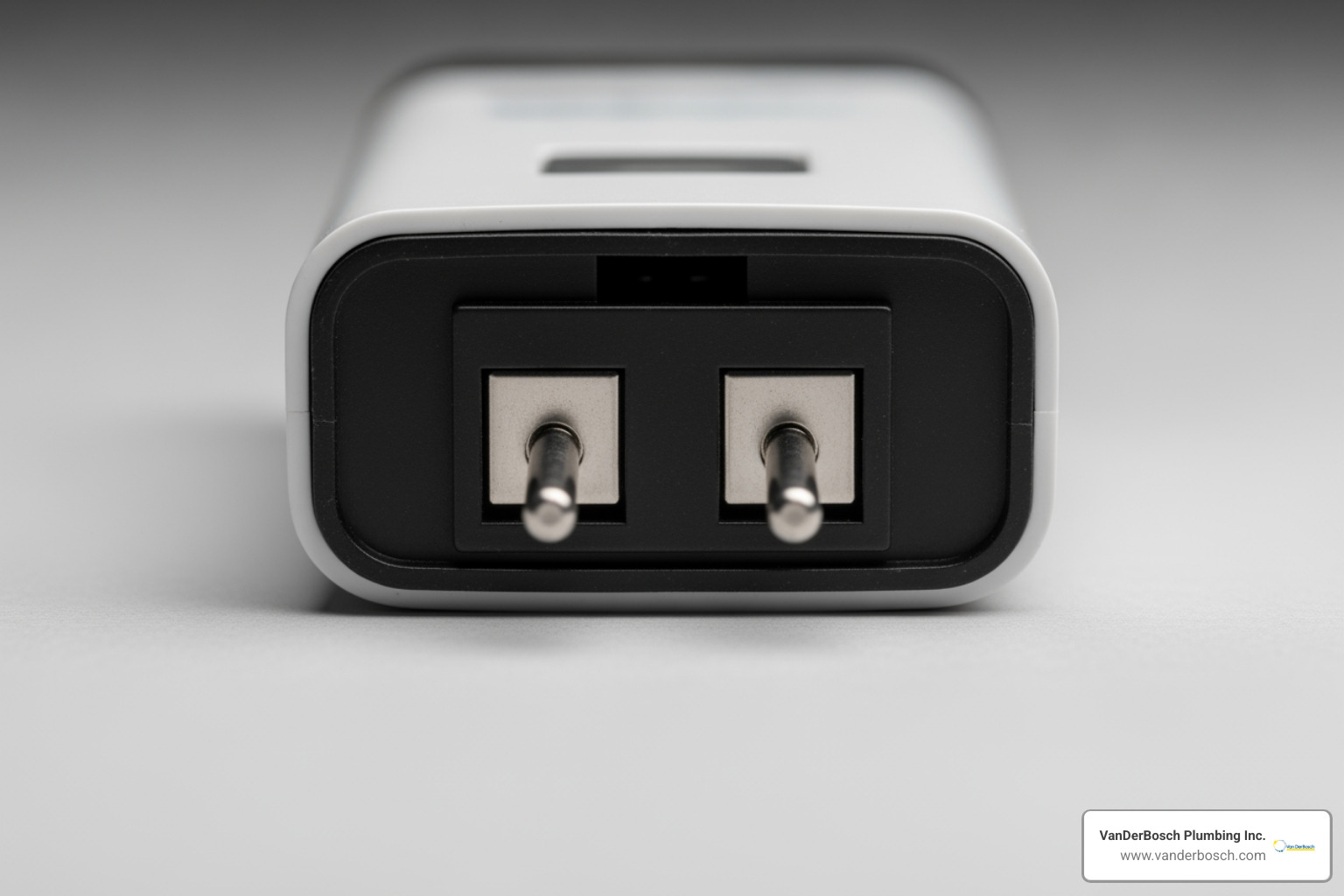
Most spot detectors use a simple but effective principle: electrical conductivity. On the bottom of the device, you’ll find two or more metal contact points (probes). Water is an excellent conductor of electricity. When a leak occurs and water touches both probes at once, it completes an electrical circuit. This “bridge” tells the device to freak out—in a helpful way.
Once triggered, the sensor responds in a few ways:
- Audible Sirens: Most units emit a piercing beep (often 85 decibels or higher) to alert anyone currently in the house.
- Smartphone Alerts: Smart models like the First Alert L1 Wi-Fi Water Leak and Freeze Detector use Wi-Fi to send a push notification or email directly to your phone. This is a lifesaver if you’re at work or vacationing away from Chicago.
- Connectivity: Some sensors connect directly to your home Wi-Fi, while others require a “hub” (a central bridge) to talk to the internet.
For homeowners in our service areas, from Roselle to Winnetka, professional Water Leak Detection services often start with these smart tools to identify the exact source of a problem before it warps your beautiful hardwood floors.
Types of Water Leak Detection Systems for Every Home
Not all water leak detection sensors are created equal. Depending on your home’s layout and your budget, you might choose a single “puck” or a comprehensive whole-home shut-off system.
| System Type | Best For | Detection Method | Installation |
|---|---|---|---|
| Spot Detectors | Under sinks/toilets | Metal probes on bottom | DIY (Place and go) |
| Sensor Cables | Basements/Attics | Fabric rope detects water along its length | DIY (Wrap or lay down) |
| Flow Monitors | Whole-home tracking | Ultrasonic or magnetic flow sensing | DIY or Professional |
| Inline Shut-off | Maximum protection | Pressure/Flow monitoring + Valve | Professional Plumbing |
Spot Detectors vs. Whole-Home Water Leak Detection Sensors
Spot Detectors (like the First Alert L1 or SimpliSafe sensors) are localized. They only know if water is touching them right now. They are fantastic for high-risk areas like the laundry room or under a 10-year-old water heater.
Whole-Home Systems (like Flo by Moen or Phyn) are the heavy hitters. These are often installed on your main water line. They don’t just wait for a puddle; they monitor the pressure and flow of water throughout your entire house. They can detect “micro-leaks”—tiny drips behind walls that wouldn’t hit a floor sensor for months.
The coolest part? Many of these systems feature an automatic shut-off valve. If the system detects a burst pipe while you’re out enjoying a game at Wrigley Field, it can physically turn off your home’s water supply in seconds. While spot sensors are easy DIY projects, we highly recommend professional help for inline valves to ensure your main line remains leak-free. If you’re looking for Water Leak Detection in Skokie, IL, our team can help you decide which level of protection fits your property.
Environmental Monitoring with Water Leak Detection Sensors
Many modern water leak detection sensors do double duty as environmental monitors. In the Chicagoland climate, where temperatures can swing from a humid 90°F to a pipe-bursting -20°F, this is critical.
- Temperature Tracking: Sensors can alert you if the area near your pipes drops below 32°F, allowing you to take action before a freeze occurs.
- Humidity Alerts: High humidity (above 55%) can indicate a slow, hidden leak or create the perfect breeding ground for mold.
- Freeze Prevention: By setting thresholds, you get a head start on dripping your faucets or turning up the heat.
Interestingly, keeping an eye on your home’s “health” isn’t just about water. Many of our customers who install water sensors also ask about Gas Leak Detection to ensure their home is protected from all invisible threats.
Key Features to Consider When Choosing a System
When shopping for water leak detection sensors, don’t just grab the cheapest one on the shelf. Here’s what actually matters:
- Connectivity Protocols:
- Wi-Fi: Connects directly to your router. Simple, but can drain batteries faster.
- Zigbee/Z-Wave/Thread: These require a hub (like Amazon Echo or a proprietary bridge). They are more energy-efficient and often have better range in large homes.
- Smart Home Integration: If you’re an Apple fan, look for the Eve Water Guard, which is Matter-compatible and works seamlessly with HomeKit. Others play better with Alexa or Google Assistant.
- Battery Longevity: Some sensors, like those from SimpliSafe, boast a 5-year battery life. You don’t want a sensor that dies right before a leak starts!
- Siren Decibels: If the Wi-Fi goes down, you need to hear that alarm. Look for at least 85dB.
- Extension Cable Support: Some sensors allow you to “chain” sensing cables together. For example, the First Alert L1 can support up to 500 feet of cable—perfect for wrapping around the entire perimeter of a Chicago basement.
Strategic Placement and Installation Guide
Placement is everything. A sensor in the middle of the hallway won’t help you if the leak is tucked behind the dishwasher.
Where to place your water leak detection sensors:
- Kitchen: Under the sink (near the P-trap) and behind the dishwasher.
- Laundry Room: Behind the washing machine, specifically near the supply hose connections.
- Bathroom: Behind the toilet and under the vanity.
- Utility Areas: In the water heater drain pan and beside the sump pump.
- Basements: Near any foundation walls prone to seepage or under overhead pipes.
- Refrigerator: Behind the unit if you have an ice maker or water dispenser line.
While you’re securing your home against water, don’t forget that safety is multi-faceted. Check out our guide on How to Keep a Household Safe from Gas Leaks for a complete home safety checklist.
The Financial and Safety Benefits of Leak Detection
Is it worth spending $50 to $500 on sensors? Let’s look at the ROI.
Insurance Discounts: Many major insurance providers offer premium discounts (sometimes up to 5-10%) for homes with active water monitoring and shut-off systems. They’d much rather you catch a drip than file a $20,000 claim for a flooded basement.
Water Conservation: Systems like the Flume 2 Smart Home Water Monitor help you see exactly where your water goes. By identifying “phantom” usage (like a leaky toilet flapper), users save an average of 10% on their monthly bills.
Structural Integrity: Constant moisture leads to wood rot and weakened foundations. In older Chicago homes, preventing rot is essential for maintaining property value.
Subscription Costs: Be aware that some “smart” features (like detailed historical data or premium monitoring) may require a monthly fee, though many sensors provide basic alerts for free.
Frequently Asked Questions about Water Leak Detectors
How much do water leak detection sensors cost?
Individual smart spot sensors typically cost between $35 and $100. Whole-home systems with shut-off valves range from $400 to $800+. If you choose an inline system, professional installation usually adds $200 or more to the total, depending on your plumbing configuration. Extension cables for larger areas usually run about $20 each.
Can water leak detectors help reduce home insurance premiums?
Yes! Because water damage is the most frequent insurance claim, many carriers incentivize risk mitigation. You may need to provide proof of professional installation for whole-home shut-off valves to qualify for the largest “Smart Home” credits.
What should I do immediately if a leak is detected?
- Shut off the water: If you don’t have an automatic valve, go to your main water shut-off immediately.
- Cut the power: If the leak is near an electric water heater or appliances, turn off the corresponding breaker.
- Dry the area: Use towels or a wet-vac to prevent mold from starting.
- Call the pros: A sensor tells you there is a leak, but a licensed plumber tells you why and fixes it correctly.
For residents in the city, we also provide specialized Gas Leak Detection in Edgewater, Chicago, IL for those concerned about other household hazards.
Conclusion
Investing in water leak detection sensors is one of the smartest moves a Chicagoland homeowner can make. Whether you’re in a historic bungalow in Sauganash or a modern condo in Ukrainian Village, these devices provide the peace of mind that comes with 24/7 protection.
At VanDerBosch Plumbing Inc., we believe in proactive protection. Our licensed, background-checked technicians are available 24/7 to help you install whole-home monitoring systems or repair the leaks your sensors uncover. With our 100% satisfaction guarantee and transparent pricing (no service charges!), we make it easy to keep your home dry and safe.
Don’t wait for a puddle to become a flood. Contact us today for professional Water Leak Detection Services and take the first step toward a disaster-proof home.