
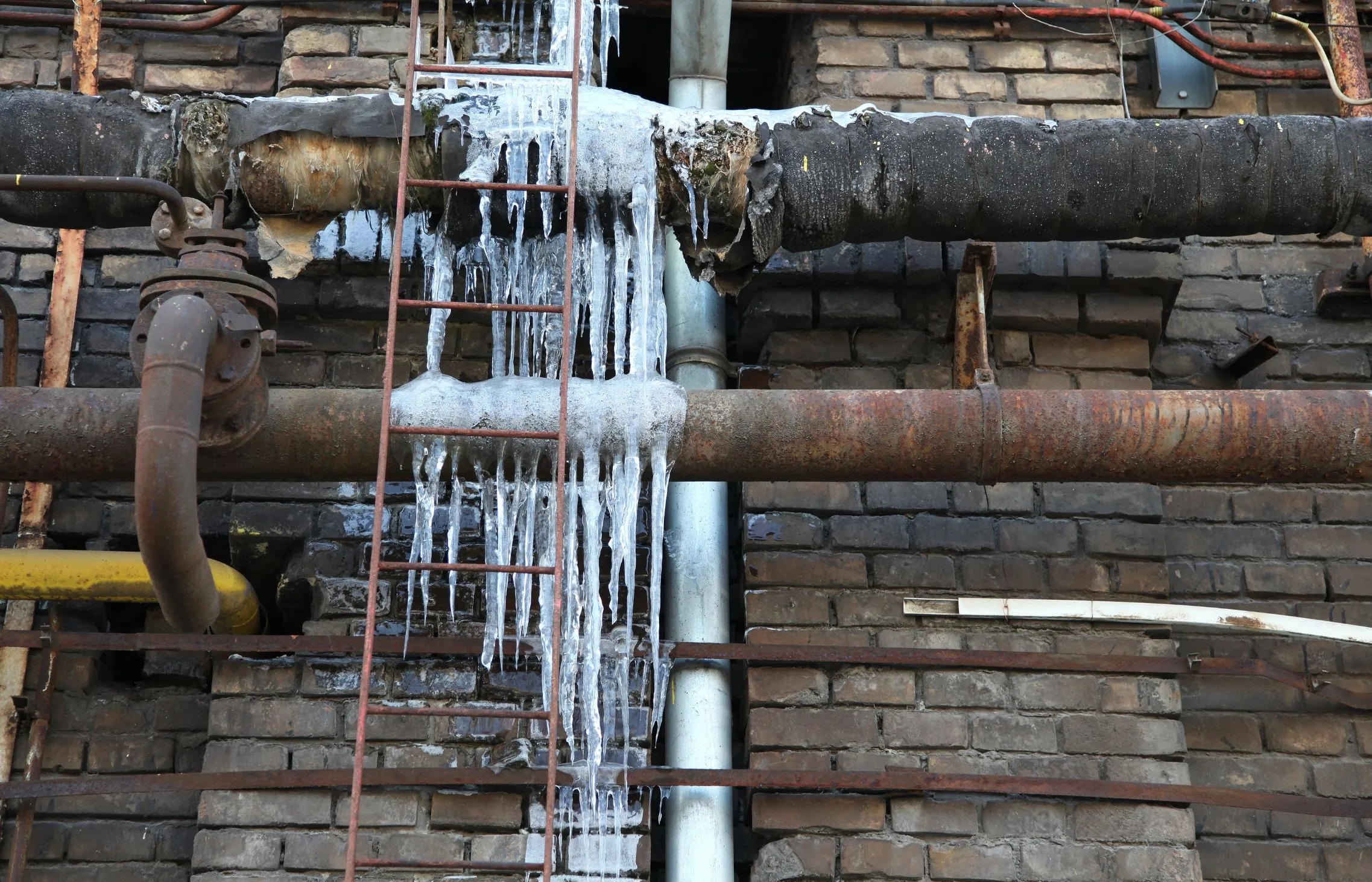
Frozen pipes are one of the most common and damaging winter plumbing issues for homeowners in Chicago, IL. With long periods of freezing temperatures, exposed and poorly insulated pipes can quickly freeze, expand, and eventually burst — leading to costly water damage and emergency repairs. Understanding why frozen pipes happen, how to prevent them, and when to call a professional plumber can help protect your home during harsh Chicago winters.
Why Frozen Pipes Are a Serious Problem in Chicago
Chicago winters are known for sustained subfreezing temperatures, making frozen pipes a frequent issue in both older and newer homes. Pipes located in basements, crawl spaces, exterior walls, garages, and attics are especially vulnerable. When water inside a pipe freezes, it expands, increasing pressure inside the pipe until it cracks or bursts. Once temperatures rise and the ice thaws, water can flood your home within minutes.
Frozen pipes in Chicago, IL are not just a seasonal inconvenience — they are a major cause of emergency plumbing calls during winter months.
Common Causes of Frozen Pipes
Several factors increase the risk of frozen pipes, particularly in the Chicago area. Poor insulation is one of the leading causes, especially in older homes with outdated plumbing layouts. Pipes exposed to cold air, unheated spaces, or drafts are more likely to freeze. Another common issue is leaving water unused for long periods, which allows standing water inside pipes to freeze more easily. Sudden temperature drops and wind chill can also accelerate freezing, even in pipes that have not frozen before.
Warning Signs Your Pipes May Be Frozen
Frozen pipes often show early warning signs before a burst occurs. Reduced water flow, strange odors from drains, or no water coming from faucets are common indicators. In some cases, frost may be visible on exposed pipes. If you notice any of these signs during cold weather, it’s important to act quickly to prevent pipe failure and water damage.
How to Prevent Frozen Pipes in Chicago Homes
Preventing frozen pipes starts with proper insulation. Exposed pipes should be wrapped with insulation sleeves, especially in unheated areas. Keeping your home consistently heated, even when you’re away, helps maintain safe pipe temperatures. Allowing faucets to drip slightly during extreme cold can also relieve pressure inside the pipes. Sealing gaps and drafts near plumbing lines and disconnecting outdoor hoses before winter are additional preventive measures that significantly reduce risk.
What to Do If Your Pipes Freeze
If you suspect frozen pipes, turn off the main water supply immediately to reduce the risk of flooding. Avoid using open flames or high heat to thaw pipes, as this can cause further damage or create fire hazards. Instead, use warm air from a hair dryer or space heater, starting from the faucet end and working toward the frozen section. If you’re unable to safely locate or thaw the pipe, contacting a professional plumber is the safest option.
Professional Frozen Pipe Repair in Chicago, IL
When frozen pipes burst or remain inaccessible, professional plumbing service is essential. Experienced plumbers have the tools and expertise to safely thaw pipes, repair damaged sections, and inspect your plumbing system for hidden issues. Fast response is especially important for burst pipe plumber in Chicago, IL, where winter conditions can quickly worsen plumbing problems.
Protect Your Home Before Winter Hits
Frozen pipes are largely preventable with the right preparation and professional support. If your home has a history of frozen pipes or contains vulnerable plumbing areas, proactive inspection and insulation can save you from expensive repairs. Addressing potential issues before temperatures drop is the most effective way to protect your plumbing system throughout the Chicago winter.
For frozen pipe concerns or emergency plumbing assistance in Chicago, IL, contact VanDerBosch Plumbing Inc. at 773-900-6886 for fast, professional service.