
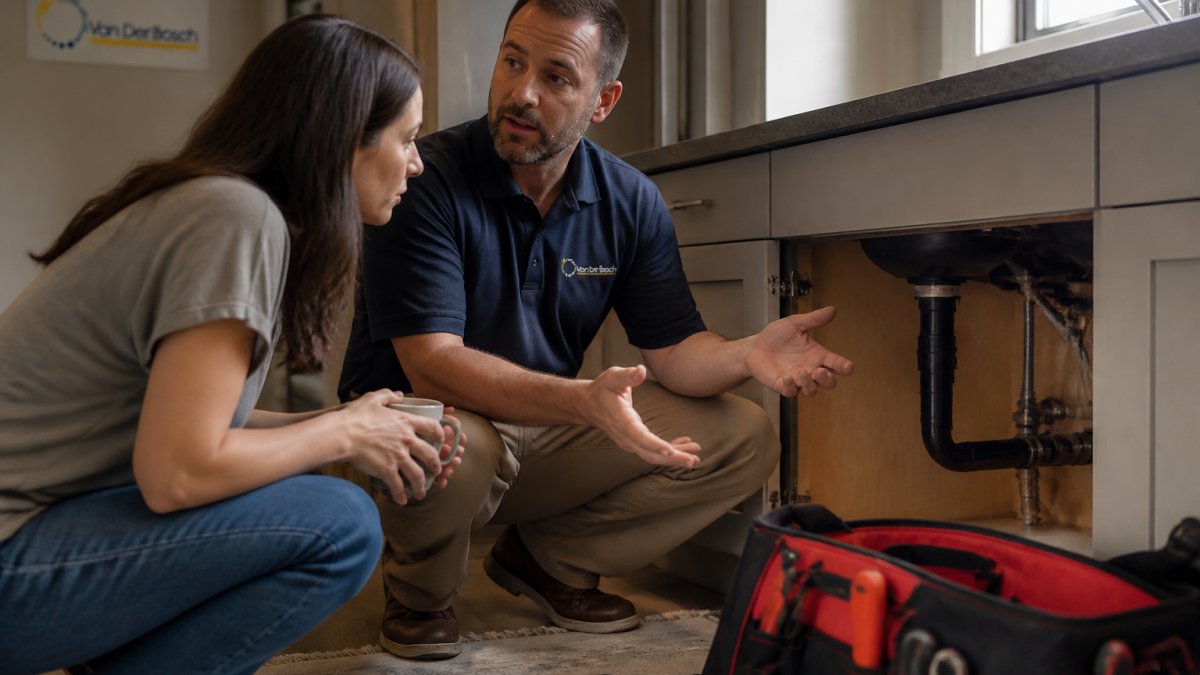
Table of Contents
- What Qualifies as a Plumbing Emergency
- How to Find Emergency Plumbers When You Need Them
- Signs of a Sewer Line Emergency
- Burst Pipe Repair Services and When to Call
- Gas Leak Detection and Safety
- What to Expect During an Emergency Plumbing Visit
- What to Do Before the Plumber Arrives
- Building Your Vetting Checklist for Emergency Plumbers
- Frequently Asked Questions
Last Updated: September 28, 2026
What Qualifies as a Plumbing Emergency
A plumbing emergency is any situation where water damage, health hazards, or system failure pose an immediate threat to your home or safety. The key difference between an emergency and a routine repair is urgency and risk.
True emergencies include burst pipes flooding your basement, sewage backing up into your home, active gas leaks, or complete loss of water supply. These situations demand immediate professional attention because they can cause structural damage, contaminate your water supply, or create dangerous conditions.
Not every plumbing problem requires emergency service. A slow drain, a dripping faucet, or a running toilet are annoying but not urgent. You can schedule these repairs during regular business hours. The challenge is knowing which problems fall into each category, especially when you’re stressed and water is actively damaging your home.
When you call about a potential emergency, describe what’s happening clearly: “Water is actively leaking from under my sink” gets a faster response than “I think I might have a leak somewhere.” Professionals can then assess whether your situation truly requires immediate dispatch or can wait for a scheduled appointment.
How to Find Emergency Plumbers When You Need Them
To find emergency plumbers when you need them, start your search before an actual emergency occurs. The time to research isn’t when water is pouring into your basement at midnight. Build a short list of licensed professionals in your area during calmer moments, then you’ll know exactly who to call when crisis hits.
Distinguish Emergency from Non-Emergency to Avoid Unnecessary Costs
Not every plumbing problem that happens outside business hours qualifies as an emergency. Understanding the difference can save you hundreds of dollars in after-hours surcharges.
True emergencies demand immediate dispatch:
- Active water leaks flooding your home or basement
- Burst pipes with water actively spraying or pooling
- Sewage backing up into your home or yard
- Complete loss of water supply
- Gas leaks (call your utility company first, then a licensed professional)
- Boiler failures in winter when heating is at risk
Problems that can wait until business hours:
- Slow or clogged drains (unless multiple drains are backing up simultaneously)
- Dripping faucets or running toilets
- Low water pressure in a single fixture
- Minor leaks under sinks that you can contain with a bucket
- Water heater producing less hot water than usual
The key distinction is whether the problem is actively causing damage or creating a safety hazard right now. A slow leak under your sink is annoying, but if you’ve placed a bucket underneath and the water isn’t spreading, it can wait for a daytime appointment. A burst pipe flooding your basement cannot.
When you call, describe the situation clearly and let the professional determine urgency. “Water is actively leaking from my burst pipe and pooling on my basement floor” gets a faster response than “I think I might have a leak.” Professionals hear dozens of calls daily and can quickly assess whether your situation truly requires immediate dispatch.
Check Availability and Response Time
Ask any plumbing company directly: “Do you offer 24/7 emergency service?” Many plumbers advertise emergency availability but may operate limited hours or have varying response times.
Follow up with: “If I have an emergency at 2 AM on a Saturday, how long until someone arrives?” A realistic answer depends on your location and time of year, but professionals can often provide a general timeframe. Be skeptical of promises that sound too good to be true.
Also ask whether the company charges an additional fee just to dispatch someone for an emergency call. Understanding these cost structures upfront helps you decide whether to call immediately or wait a few hours.
Verify Licensing and Insurance
This is non-negotiable. Every plumber who enters your home should be licensed by your state and carry liability insurance. Licensing means they’ve passed exams and met training requirements. Insurance protects you if something goes wrong during the repair, for example, if a technician accidentally damages your wall while accessing a pipe.
Ask to see proof of both licenses and insurance before work begins. A legitimate company will provide this information without hesitation or defensiveness. If a plumber gets evasive about credentials, move on to someone else.
Licensed professionals also carry the right tools and knowledge to handle complex emergencies safely. Gas line work, boiler repairs, and sewer line issues require specific certifications beyond general plumbing licenses. You want someone who knows what they’re doing, especially when safety is at stake.
Build Your Pre-Emergency Contact List
During normal business hours, call 2-3 plumbers in your area and ask these questions:
- Do you offer 24/7 emergency service?
- What is your typical response time for emergencies?
- Do you charge an additional fee for after-hours or emergency dispatch?
- Can you provide proof of state licensing and liability insurance?
- Do you provide written estimates before starting work?
- What happens if the repair costs more than the initial estimate?
- What warranty or guarantee covers your repairs?
Write down their answers. When an actual emergency hits, you’ll already know who to call and what to expect. This preparation removes decision-making stress when you’re in crisis mode and helps you avoid calling the first plumber you find online, who may not be the best fit for your situation.
Signs of a Sewer Line Emergency
A sewer line emergency develops when your main sewer line backs up or breaks. Multiple drains in your home may back up simultaneously, or you might notice raw sewage in your yard. These situations create serious health hazards and require professional intervention immediately.
Common warning signs include toilets that gurgle when you run the sink, frequent backups in your lowest-level fixtures (usually the basement toilet or shower), or soft spots in your yard. If you notice a sewage smell in your yard or basement, don’t ignore it.
Older homes in the area sometimes have cast iron or clay sewer lines that deteriorate over decades. Tree roots can also penetrate sewer pipes and cause blockages (the EPA).
Burst Pipe Repair Services and When to Call
A burst pipe is an immediate emergency. Frozen pipes in winter are the most common cause, but pipes can also burst from age, corrosion, or high water pressure. Water floods out rapidly, causing damage to walls, ceilings, and belongings.
Gas Leak Detection and Safety
A gas leak is a life-threatening emergency. If you smell gas (a rotten egg odor that gas companies add for safety), leave your home immediately and call your gas utility company from outside. Don’t use your phone indoors, don’t flip light switches, and don’t light matches or candles.
What to Expect During an Emergency Plumbing Visit
When an emergency plumber arrives, they’ll assess the situation and explain what they found and what needs to happen next. A good professional takes time to answer your questions, even during an emergency.
What to Do Before the Plumber Arrives
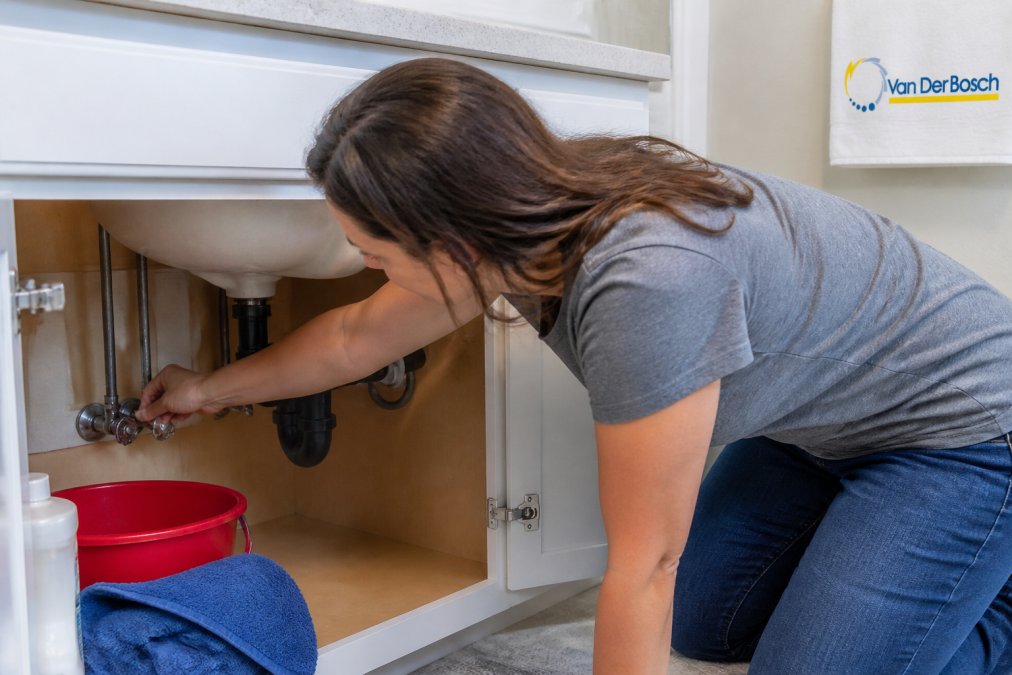
Your immediate actions in the first minutes of a plumbing emergency can prevent thousands of dollars in damage.
Building Your Vetting Checklist for Emergency Plumbers
Before an emergency happens, create a simple checklist of questions to ask plumbers in your area. This preparation lets you make a confident decision quickly when stress is high.
When a pipe bursts or sewage backs up into your home, you need professional help fast. VanDerBosch Plumbing Inc. provides emergency plumbing services seven days a week with no service call fees, so you pay only for the actual repair. Our licensed and insured technicians arrive promptly and explain exactly what needs to happen next. Call today to discuss your emergency or to add our number to your contact list before you need it.
|
Vetting Criteria |
What to Ask |
Why It Matters |
|---|---|---|
|
Availability |
Do you offer 24/7 emergency service? |
Ensures help is available when you need it |
|
Response Time |
How long until dispatch in emergencies? |
Sets realistic expectations for when help arrives |
|
Licensing |
Can you provide proof of state license? |
Confirms training and legal authority to work |
|
Insurance |
Do you carry liability insurance? |
Protects you if something goes wrong during repair |
|
Service Fees |
Do you charge a service call fee? |
Removes hidden costs from the estimate |
|
Pricing Transparency |
Do you provide written estimates before work? |
Prevents surprise charges when the bill comes |
|
Warranty |
What warranty covers your repairs? |
Gives you recourse if the repair fails soon after |
|
Experience |
What is your experience in the plumbing industry? |
Indicates stability and experience with complex issues |
Frequently Asked Questions
What qualifies as a plumbing emergency that requires immediate professional attention?
A plumbing emergency requires immediate professional attention when there is active water damage, gas leak, sewage backup, burst pipes, or complete loss of water service. Situations involving multiple drains backing up simultaneously, water pooling in the basement, or visible gas leak symptoms (rotten egg smell, hissing sounds) should be treated as emergencies. Contact a licensed plumber immediately or call emergency services if you suspect a gas leak.
How do I verify that an emergency plumber is actually licensed and insured?
Ask for the plumber’s license number and verify it with your state’s licensing board before work begins. Request a copy of their insurance certificate covering both liability and workers’ compensation. A reputable emergency plumbing company will provide this information immediately without hesitation. Licensed and insured technicians protect you from liability if someone is injured or property is damaged during the repair.
What should I do while waiting for an emergency plumber to arrive?
Locate and shut off your main water supply valve immediately to minimize water damage. Move valuables and furniture away from the affected area. If the emergency involves sewage, avoid contact and keep family members and pets away. For gas leaks, evacuate the building and call emergency services. Document the damage with photos for insurance purposes. Keep the area accessible so the plumber can work quickly when they arrive.
How can I find an emergency plumber who charges fair prices and is transparent about costs?
Call several emergency plumbing companies and ask about their service call fees, hourly rates, and whether they charge for diagnosis. Reputable companies will explain their pricing structure upfront and won’t hide charges in fine print. Always ask what the initial quote includes and whether additional costs may apply if the problem is more complex than first assessed.