
Why Your Outdoor Water Leak Deserves Immediate Attention
An outdoor water leak might seem like a minor inconvenience at first—maybe a soggy patch in your yard or a slightly higher water bill. But here’s what many Chicagoland homeowners don’t realize: that small drip you’re ignoring could be wasting over 3,000 gallons of water per year, and a pinhole-sized leak in your pool or irrigation system can lose nearly 1,000 gallons per day.
Quick Answer: How to Identify an Outdoor Water Leak
- Check your water meter – Turn off all water in your home, then watch the leak indicator (usually a small triangle). If it’s moving, you have a leak.
- Look for visible signs – Wet spots, unusually green grass patches, foundation cracks, or pavement discoloration.
- Listen carefully – Running water sounds when all fixtures are off.
- Monitor your bill – Unexplained month-to-month increases in water costs.
- Test the location – Shut off your main house valve and recheck the meter. If it still shows flow, the leak is outside.
The hidden costs go far beyond your water bill. Water seeping into your foundation can cause structural damage, create conditions for mold growth, and even attract pests like termites. During Chicago’s brutal winters, outdoor leaks become even more dangerous—each year, an average of 250,000 families experience severe home damage from frozen pipes that burst or crack.
This guide will walk you through everything you need to know: how to spot the warning signs, what causes these leaks, and when to tackle the problem yourself versus calling in professional help. Whether you’re dealing with a leaky outdoor faucet, a failing sprinkler system, or a mysterious wet spot in your yard, you’ll learn how to protect your property and your wallet.
Your Leak Detective Toolkit: How to Spot and Confirm a Leak
Detecting an outdoor water leak early can save you significant money and prevent extensive damage to your property. Often, the first clue is a sudden spike in your water bill, but many other signs can point to a hidden leak. We’ll equip you with the knowledge to become your own leak detective.
Telltale Signs on Your Property
Your property often provides the most immediate clues that an outdoor water leak is present. Learning to recognize these signs can help you identify a problem before it escalates.
- Visible Clues:
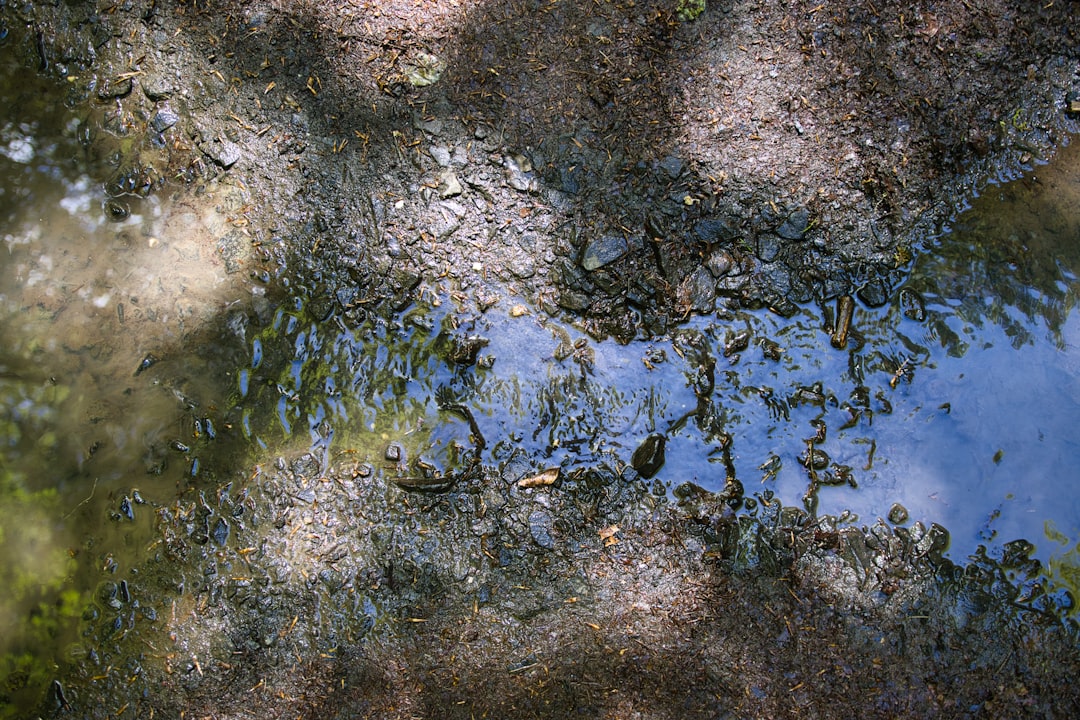
- Soggy or Muddy Spots: Unexplained wet patches in your yard, especially during dry weather, are a classic indicator. These can be soft to the touch or even lead to small puddles.
- Unusually Green Grass Patches: While a lush lawn is usually desirable, a patch of grass that’s significantly greener or growing faster than the surrounding areas can signal a hidden underground leak, providing constant fertilization.
- Foundation Cracks: Water saturating the soil around your home’s foundation can cause it to shift, leading to visible cracks in the foundation or even interior walls. This is a serious sign of potential structural damage.
- Pavement Discoloration or Damage: If you notice wet or discolored pavement, cracks, chipping, potholes, or even sinkholes in your driveway, sidewalks, or patios, it could be due to soil erosion caused by an underground leak.
- Erosion: Watch for areas where soil seems to be washing away, particularly near your foundation or landscaping. This can be a direct result of continuous water flow from a leak.
- Wet Walls or Peeling Exterior Paint: If an outdoor pipe or faucet is leaking close to your home’s exterior, moisture can seep into the walls, causing paint to bubble, peel, or even lead to water stains.
- Auditory Clues:
- Sound of Running Water: When all faucets and appliances are off, listen carefully for the sound of running or dripping water. This could indicate a leak in an underground pipe or a continuously running toilet.
- Environmental Changes:
- Overgrown Vegetation: Just like unusually green grass, certain plants or weeds might thrive excessively in areas where an underground leak provides a constant water source.
- Standing Water: Persistent standing water that doesn’t drain, even after a long dry spell, can be a clear sign of a leak.
- Sinkholes: In extreme cases, continuous underground leaks can wash away soil, creating dangerous sinkholes.
- Pest Infestations:
- Termites and Other Pests: Constant moisture from leaks can attract pests like termites, ants, and rodents, as it creates an ideal breeding ground and softens wood.
- Musty Odors:
- Musty Odors Near the Foundation: A persistent musty smell around your home’s foundation or in your basement can indicate hidden moisture and potential mold growth due to an unseen leak.
Regularly inspecting your property for these signs is a proactive way to catch an outdoor water leak early.
The Water Meter Test: Your Ultimate DIY Check
When you suspect an outdoor water leak, your water meter is your best friend. It provides a definitive way to confirm if water is escaping somewhere on your property.
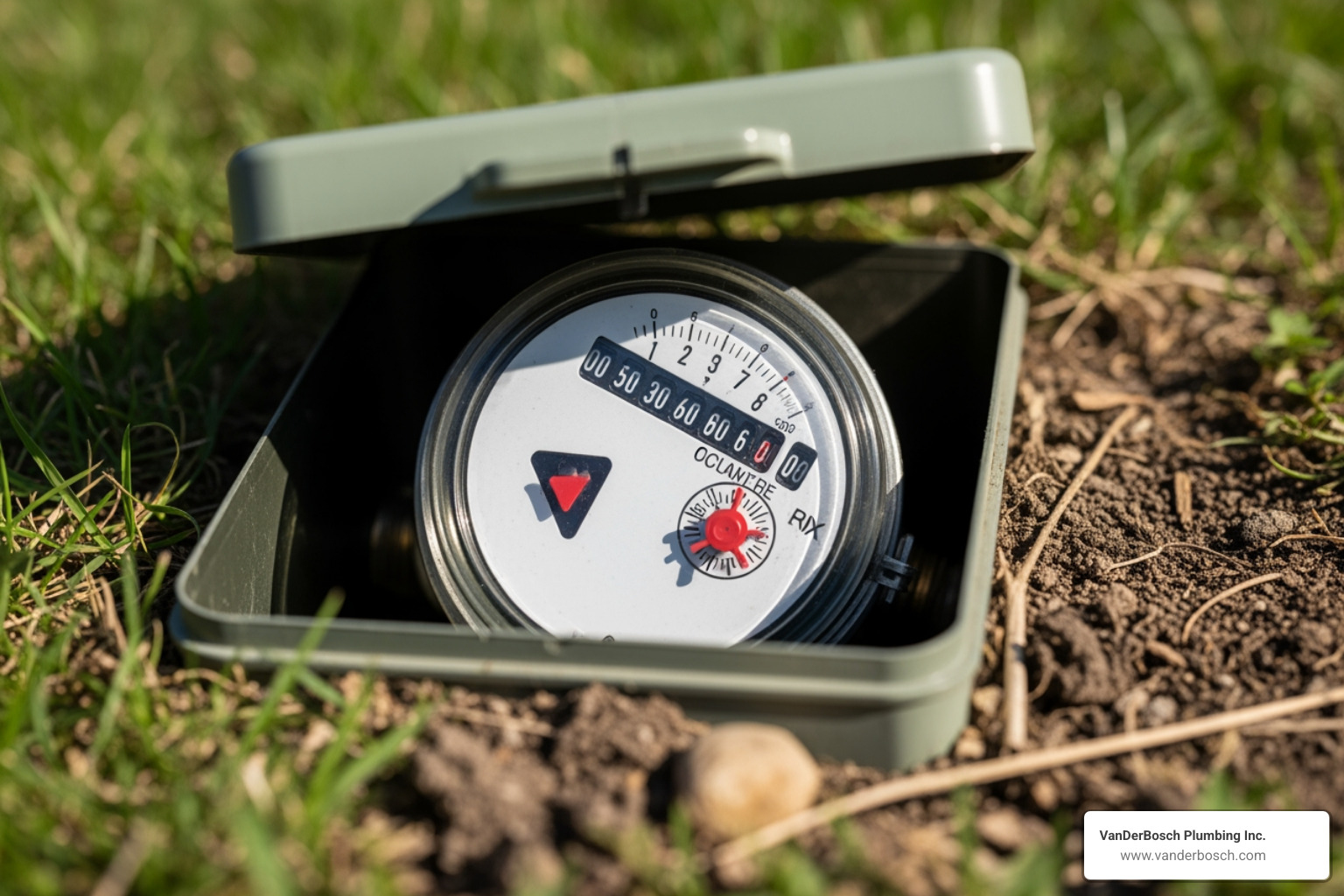
Here’s a step-by-step guide to performing a water meter test:
- Turn Off All Water: Ensure no water is being used inside or outside your home. This means no flushing toilets, running dishwashers, washing machines, or even ice makers. Inform everyone in your household to avoid water usage during the test.
- Locate Your Water Meter: Your water meter is typically located near the street, often in a covered box. In some areas, it might be in your basement or utility area. You might need a large screwdriver or a meter key to open the cover. Be cautious of insects or debris inside.
- Check the Leak Indicator: Most modern water meters have a small red or blue triangle, a silver wheel, or a small hand that acts as a leak indicator. If this indicator is spinning, even slowly, it means water is currently flowing through your meter, indicating a leak.
- Record Reading and Wait: If your meter doesn’t have a visible leak indicator, or if you want to be extra thorough, record the exact numbers on your water meter. Wait for a period of 30 to 60 minutes (or even a few hours, like overnight, for a more accurate reading of very slow leaks) without any water being used. Then, check the meter again. If the numbers have changed, you have a leak. Even a small leak can waste 300 or more gallons of water per month.
Differentiating Indoor vs. Outdoor Leaks with the Main Shut-Off Valve:
Once you’ve confirmed a leak, the next step is to determine if it’s inside or outside your home.
- Locate Your Home’s Main Shut-Off Valve: This valve controls all water entering your house. It’s usually found where the main water line enters your home, often in the basement, a utility closet, or near your water heater. If you’re in Chicagoland, this might be in your basement or crawl space.
- Turn Off the Main Shut-Off Valve:
- For a wheel-style (gate) valve, turn the handle clockwise until it can no longer rotate.
- For a lever-style (ball) valve, turn the handle a quarter (90-degree) turn until it’s perpendicular to the pipe.
- Recheck Your Water Meter: After the main shut-off valve is closed, go back to your water meter. If the leak indicator is still spinning or the meter reading has changed after a waiting period, the leak is definitely outdoor. If the meter has stopped, the leak is likely inside your home.
Knowing how to perform this test empowers you to quickly identify and locate potential leaks, helping to prevent costly water damage and high utility bills.
Uncovering the Culprits: Causes and Dangers of an Outdoor Water Leak
An outdoor water leak isn’t just a nuisance; it’s a symptom of an underlying issue that, if ignored, can lead to significant problems for your property and finances. Let’s explore what causes these leaks and the hidden dangers they pose.
A small drip may seem harmless, but it can waste thousands of gallons of water over time. For instance, a pinhole-sized leak in a pool plumbing system can lose almost 1,000 gallons of water per day. This translates to skyrocketing water bills and substantial financial impact for homeowners.
Common Causes of Leaks
Outdoor plumbing systems are constantly exposed to the elements and various environmental factors, making them susceptible to wear and tear.
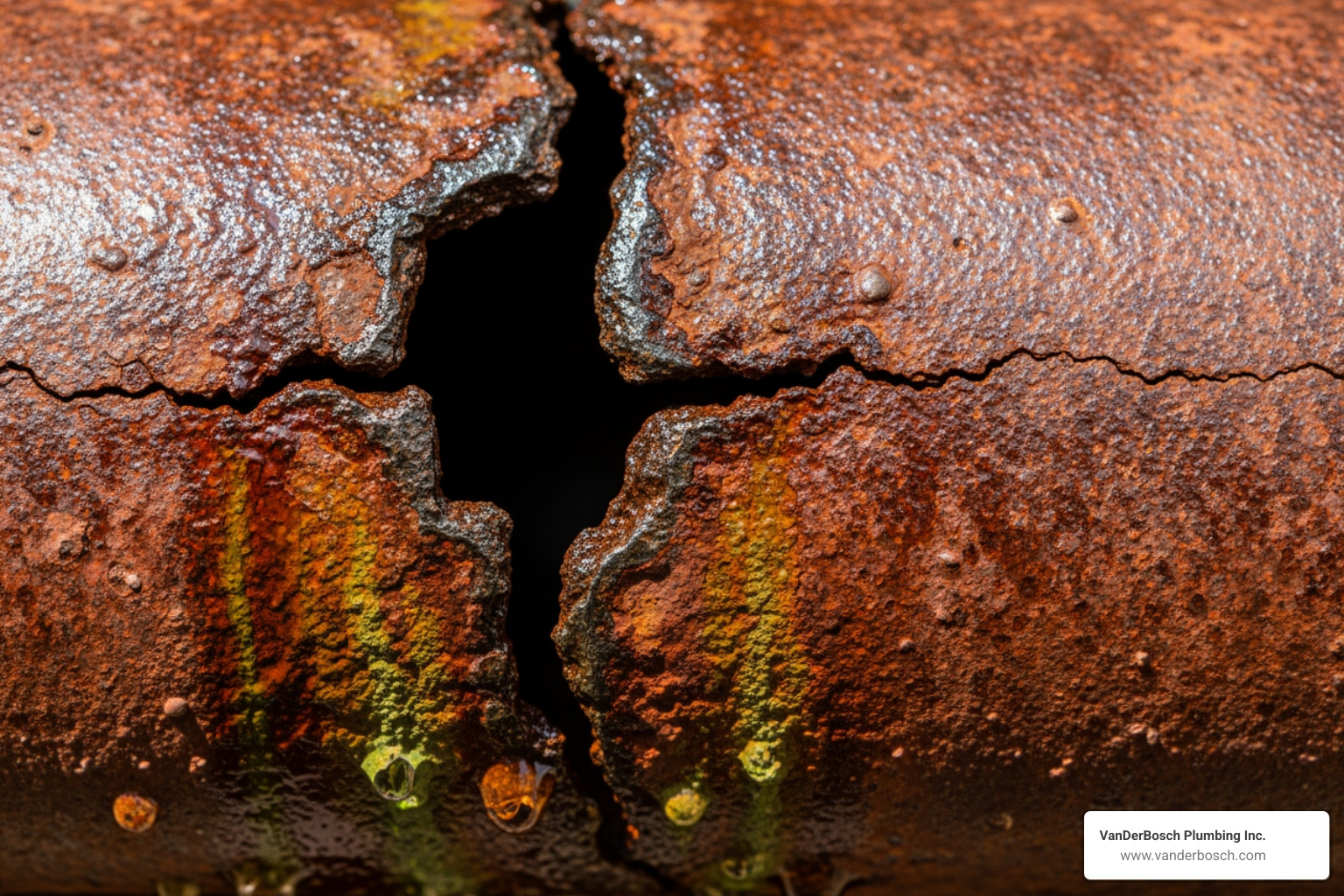
- Aging Pipe Materials: Many homes in Chicagoland, especially older properties, may have original supply pipes made from materials like galvanized cast iron. These materials are prone to corrosion and deterioration over time, eventually leading to leaks. As these older systems near the end of their service life, they become more fragile.
- Tree Root Intrusion: Tree and shrub roots naturally seek out water sources. Even a tiny crack or loose joint in an underground pipe can attract roots, which then grow into the pipe, expanding the opening and causing significant blockages and leaks.
- Shifting Soil: The expansive clay soils common in parts of Illinois, coupled with freeze-thaw cycles, can cause the ground to shift, heave, and settle. This movement puts immense stress on rigid underground pipes, leading to cracks, dislodged connections, or even complete breaks.
- Improper Installation: Poor plumbing practices, such as inadequate pipe support, incorrect connections, or using incompatible materials during installation, can create weak points that develop into leaks over time.
- Weather Conditions:
- Freezing Temperatures: The most notorious culprit in Chicagoland is freezing weather. Water expands when it freezes, and if outdoor pipes, hose bibs, or irrigation lines are not properly drained or insulated, the expanding ice can cause them to burst or crack. Each winter, an average of 250,000 families encounter severe home damage due to frozen pipes that have burst or cracked.
- Temperature Extremes: Beyond freezing, rapid temperature fluctuations can also stress pipes, causing them to expand and contract, which can weaken joints and lead to leaks.
- Malfunctioning Outdoor Faucets: Also known as spigots or hose bibs, these can leak due to worn-out washers, loose packing nuts, or damage from freezing temperatures. An outdoor faucet leak can result in wasting approximately 1,851 gallons of water per year in one household alone.
The Hidden Dangers Lurking Beneath the Surface
The immediate financial drain from a higher water bill is just the tip of the iceberg. Outdoor water leaks can cause a cascade of problems that are far more costly and destructive.
- Structural Foundation Damage: Constant water saturation around your home’s foundation can soften the soil, leading to erosion, settlement, and ultimately, cracks in the foundation. This compromises the structural integrity of your entire house, potentially leading to expensive repairs.
- Water Backup into Home: If the leak is near your foundation, the excess water can find its way into your basement or crawl space, leading to flooding, property damage, and creating a breeding ground for other issues.
- Mold and Mildew Growth: Persistent dampness from a leak creates the perfect environment for mold and mildew to thrive. These fungi can spread quickly, causing extensive damage to building materials and posing significant health risks, including respiratory problems and allergic reactions.
- Pest Attraction: Moisture attracts pests. Termites, carpenter ants, mosquitoes, and rodents are all drawn to damp areas, making a leaky outdoor pipe or wet foundation an open invitation for an infestation.
- Landscape and Soil Erosion: Beyond your foundation, continuous leaks can wash away valuable topsoil, destroy landscaping, and create unsightly muddy areas or even small ravines in your yard.
- Sinkhole Formation: In severe cases, particularly with significant underground leaks, the continuous flow of water can erode soil beneath the surface, leading to the formation of dangerous sinkholes that can swallow trees, cars, or even parts of your home.
Addressing an outdoor water leak promptly is crucial to safeguarding your property, your health, and your wallet from these lurking dangers.
Solutions and Prevention: Protecting Your Property
Once you’ve identified an outdoor water leak, the next step is to address it. Depending on the severity and location, you might be able to tackle minor issues yourself, but prevention is always the best strategy.
Proactive maintenance is far less costly and stressful than reactive repairs. Knowing the location of your main water shut-off valve is a critical first step for any homeowner in Chicagoland. In an emergency, quickly turning off the water can prevent catastrophic damage.
How to Fix a Minor Outdoor Water Leak
Some outdoor water leaks are small and easily manageable for the average homeowner.
- DIY Faucet Repairs: A dripping outdoor faucet is often caused by a worn-out washer.
- Replacing Faucet Washers: First, turn off the water supply to the faucet (there might be a small shut-off valve nearby, or you’ll need to use your main shut-off valve). Disassemble the faucet handle and stem, remove the old rubber washer, and replace it with a new one of the correct size. Reassemble the faucet, and your drip should be gone.
- Tightening Hose Connections: If the leak is at the connection point between your hose and the faucet or spray nozzle, simply tightening the connection often solves the problem. If it persists, the rubber washer inside the hose connector might be worn and need replacement.
- Replacing Damaged Sprinkler Heads: If you notice a sprinkler head is broken, cracked, or simply spraying water inefficiently, you can usually unscrew the damaged head and replace it with a new one. Ensure the new head is compatible with your system and properly adjusted for optimal coverage.
Preventing a Future Outdoor Water Leak
Prevention is key to avoiding the headaches and expenses of outdoor water leaks. Here are crucial steps to protect your property:
- Regular Inspections: Make it a habit to regularly inspect all outdoor plumbing, including hose bibs, sprinkler heads, irrigation lines, and pool equipment. Look for visible signs of wear, corrosion, or dampness. Check your sprinkler system at least once per month for any broken heads or leaks.
- Insulate Outdoor Pipes and Faucets Before Winter: This is paramount for Chicagoland homeowners. Before the first freeze, drain and insulate exposed outdoor pipes, hose bibs, and sprinkler system components. Consider upgrading to frost-proof spigots, which are designed to keep the water shut off further inside your home, away from freezing temperatures.
- Ensure Proper Yard Drainage and Grading: Make sure your yard slopes away from your home’s foundation. Proper grading prevents water from pooling near your house, reducing the risk of foundation damage and leaks seeping into your basement.
- Clean Gutters and Downspouts: Keep your gutters free of debris and ensure downspouts extend at least 8-10 feet away from your foundation. This directs rainwater away from your home, preventing water from saturating the soil around your foundation and potentially exacerbating underground leaks.
- Regulate Water Pressure: High water pressure can put undue stress on your plumbing system, increasing the risk of leaks. Consider installing a pressure regulator to maintain a safe and consistent water pressure throughout your home and outdoor systems.
- Know Your Main Water Shut-Off Valve: As mentioned earlier, knowing where and how to operate your main water shut-off valve is vital. Practice turning it off so you’re prepared in an emergency.
When Major Repairs Are Needed
While minor fixes are DIY-friendly, many outdoor water leaks require professional expertise.
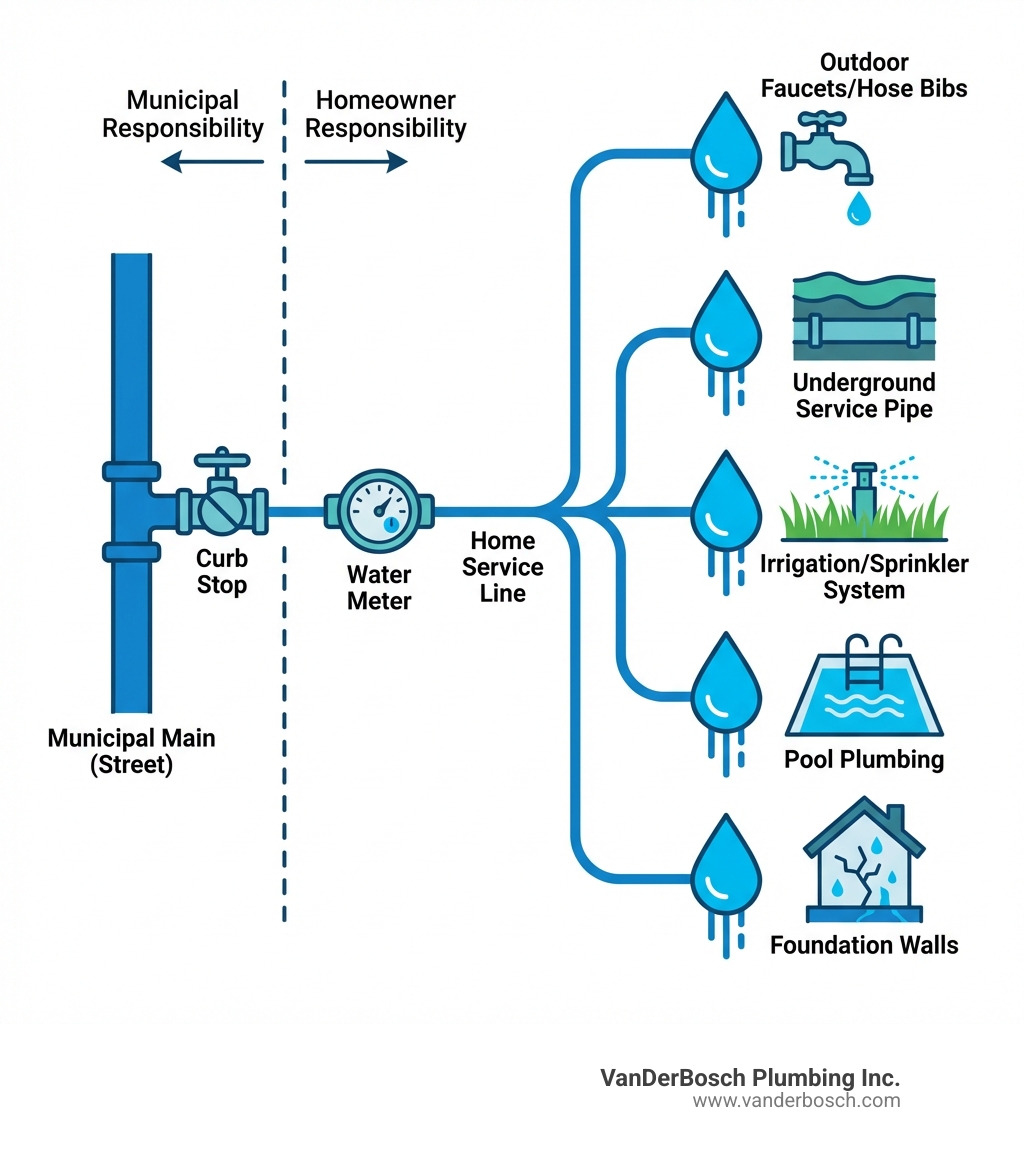
- Underground Pipe Repair: Locating and repairing leaks in underground pipes, especially the main service line, is a complex task. It often requires specialized leak detection equipment, excavation, and expert plumbing knowledge to ensure the repair is done correctly and to code. For Cook County residents, information on leak repair programs can be found on the Cook County Leak Repair page.
- Main Service Line Replacement: If your main service line is old, corroded, or suffers from multiple leaks, a full replacement may be necessary. This is a significant undertaking that impacts your entire water supply and should only be handled by licensed professionals.
- Complex Irrigation Issues: Leaks within intricate irrigation systems, especially those involving multiple zones, controllers, or backflow preventers, often require a landscape or plumbing specialist.
- Signs You Need a Professional:
- Leak Location is Unknown: If you’ve done the water meter test but can’t pinpoint the leak’s exact location, professional Water Leak Detection services are essential. They use advanced tools like acoustic detectors and thermal imaging.
- Sudden, Significant Drop in Water Pressure: This can indicate a major break in your main water line.
- Visible Structural Damage: If you notice foundation cracks, significant erosion, or sinkholes, a professional must assess the situation immediately.
- You’re Not Comfortable with the Repair: Never attempt a repair that feels beyond your skill level. Incorrect DIY repairs can worsen the problem and lead to more costly fixes.
- The Leak is Underground: Excavation and repair of underground pipes are best left to professionals to avoid further damage to your property or utility lines.
For any significant or persistent outdoor water leak, it’s always best to consult with a licensed plumbing professional.
When to Call a Plumber for An Outdoor Water Leaks
Unexplained soggy patches in your yard, low water pressure, or spike in your water bill are clear signs of a subterranean line break. Knowing when to call a plumber for an outdoor water leak in Chicago can save you from severe foundation damage and astronomical utility costs. Because Chicago weather and shifting soil can take a heavy toll on underground pipes, these deep pools of water or hidden line bursts require specialized, professional leak-detection equipment to pinpoint and repair without destroying your entire landscape.
For over 30 years, VanDerBosch Plumbing has been Chicagoland’s trusted expert for residential plumbing and emergency sewer solutions. Our licensed, local technicians offer 24/7 live answering and straightforward pricing to address dangerous outdoor leaks before they escalate. Don’t let a minor yard puddle turn into a major excavation nightmare — contact the honest professionals at VanDerBosch Plumbing today to schedule your same-day inspection and protect your property.