
Table of Contents
- How Plumbing for Multi-Unit Buildings Differs from Residential
- Commercial Plumbing Maintenance for Multi-Unit Properties
- Sewer Line Repair for Apartment Buildings
- Boiler Maintenance for Multi-Family Buildings
- Emergency Plumbing for Property Managers
- Water Pressure Regulation and Fixture Units in Large Buildings
- Retrofitting and Capital Planning for Multi-Unit Properties
- Frequently Asked Questions
Last Updated: September 24, 2026
How Plumbing for Multi-Unit Buildings Differs from Residential
Plumbing for multi unit buildings operates under fundamentally different constraints than single-family homes. Instead of one toilet, shower, and main water line, property managers oversee dozens of fixtures, multiple vertical stacks, and interconnected systems serving dozens or hundreds of residents simultaneously.
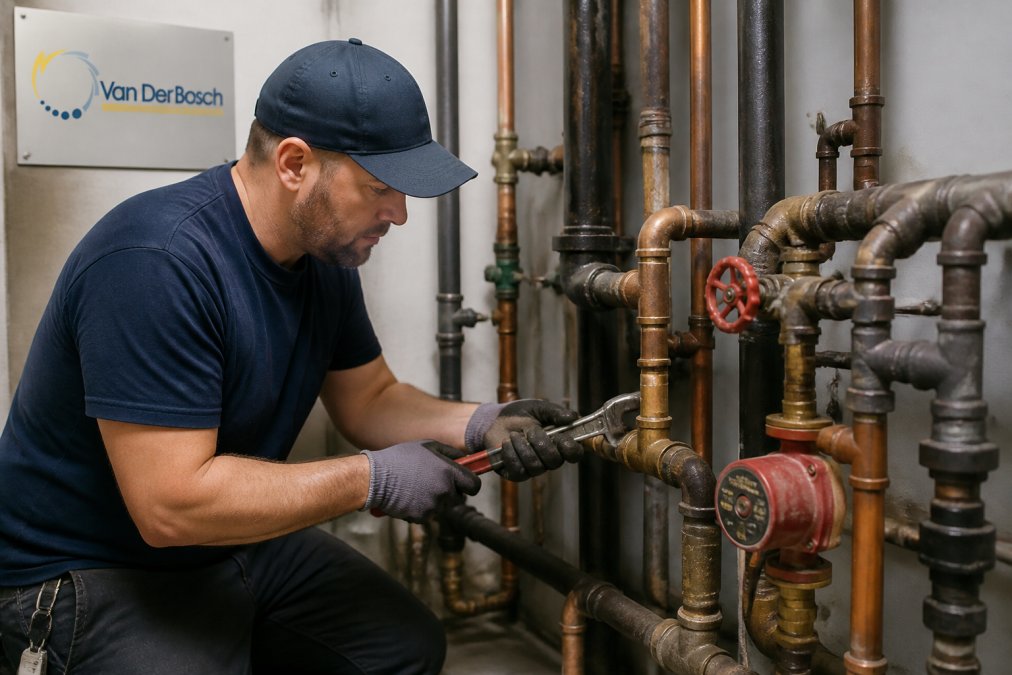
A clogged main drain in a multi-unit building can back up sewage into multiple apartments at once, whereas a residential clog affects only one household. This is why plumbing for multi unit buildings requires preventative strategies, regular inspections, and professional-grade equipment designed for continuous demand.
Scale, Complexity, and System Design
Multi-unit buildings demand plumbing systems engineered for simultaneous demand. When multiple apartments run showers at peak times, the water pressure and flow rate must accommodate everyone, residential systems aren’t designed for that load.
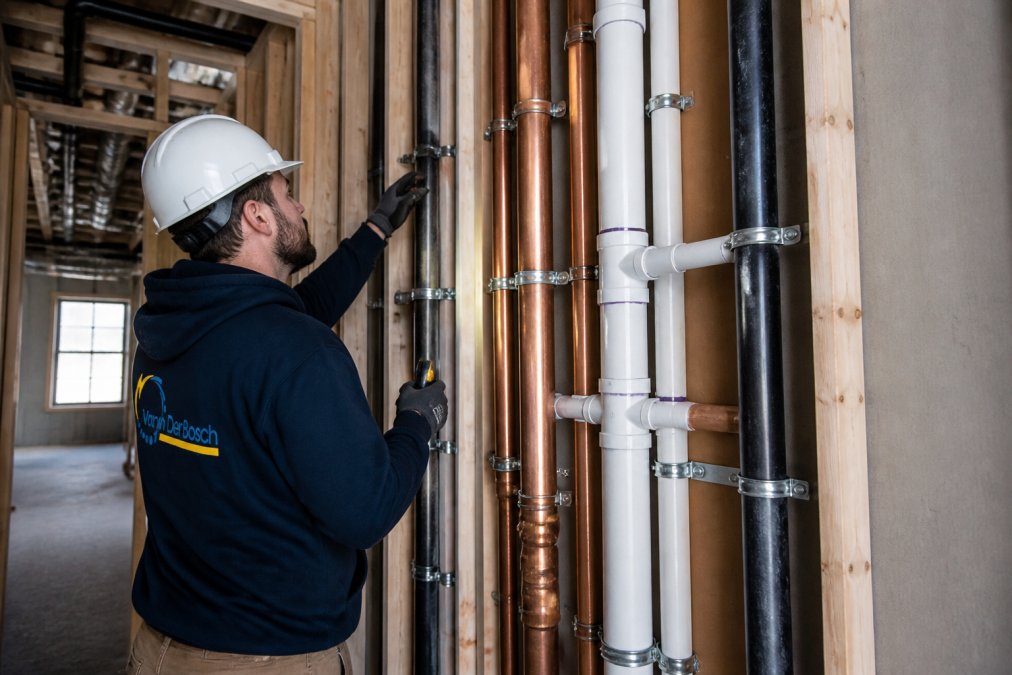
The piping layout reflects this complexity. Instead of one main water line entering a house, multi-unit buildings typically have:
- Separate risers (vertical pipes) serving different sections of the building
- Expansion joints that absorb pressure changes and temperature fluctuations
- Multiple shut-off valves positioned strategically so repairs don’t interrupt service to the entire building
- Larger diameter pipes throughout to handle continuous high-volume demand
Building codes require specific pipe sizing based on the number of fixtures and occupants. Multi-unit buildings follow stricter requirements for water pressure regulation, backflow prevention devices, and venting than single-family homes.
Older multi-unit buildings often have outdated plumbing layouts that need retrofitting to meet current building codes, adding complexity to repair and upgrade projects.
Building Codes and Compliance Standards
Multi-unit buildings fall under commercial plumbing codes, which are more restrictive than residential codes and establish requirements that go beyond single-family homes.
Compliance matters because code violations create liability. Licensed professionals who understand these requirements are essential to protect the building and residents.
Common compliance areas include:
- Backflow prevention to protect the municipal water supply
- Proper venting of drainage systems to prevent trap seal loss
- Water heater installation and capacity sizing
- Gas line safety and pressure regulation
- Sump pump systems in basements
- Water quality and filtration requirements
A licensed plumber performing work on multi-unit buildings knows exactly which permits are required, which inspections must occur, and how to document everything properly. This protects both the building and the residents.
Commercial Plumbing Maintenance for Multi-Unit Properties
Preventative maintenance prevents emergencies that affect dozens of households.
Preventative Maintenance Schedules
Regular maintenance schedules prevent emergencies. A professional plumber identifies slow leaks, corroded pipe sections, and drain buildup before they become catastrophic.
Typical maintenance includes:
- Annual inspection of all accessible plumbing
- Drain cleaning on common areas and problem drains
- Water heater flushing and inspection
- Boiler system checks (for buildings with steam or hot-water heat)
- Sump pump testing and maintenance
- Backflow prevention device testing
- Shut-off valve operation checks
Frequency depends on the building’s age and condition. Older buildings with vintage plumbing systems often benefit from quarterly or semi-annual inspections.
Documentation matters.
Common Issues in Multi-Family Buildings
Certain problems appear repeatedly in multi-unit buildings because of how the systems are designed and used.
Sewer Line Repair for Apartment Buildings
The sewer line is the one component that serves the entire building. A single failure affects everyone.
Shared Sewer Systems and Liability
Most multi-unit buildings share a common sewer line connecting to the municipal system. The building owner is responsible from the building exit to the municipal connection point. If the line fails, the cost and liability fall on the property owner or management company.
When Inspection and Repair Are Necessary
Sewer video inspection uses a camera to examine the line without excavation, diagnosing problems and determining whether repair or replacement is necessary.
Signs that sewer line inspection should be scheduled include:
- Multiple drains backing up simultaneously
- Sewage smell in the building or around the foundation
- Unusually slow drains throughout the building
- Wet patches in the yard or basement
- Recurring drain clogs despite regular cleaning
Boiler Maintenance for Multi-Family Buildings
Buildings with steam or hot-water boiler systems require specialized maintenance. Many older buildings in the region still use steam heat, which is efficient and durable but requires proper care.
Steam and Hot-Water Systems
Steam boilers heat water to create steam, which travels through pipes to radiators in each unit. Hot-water boilers heat water that circulates through pipes and radiators. Both systems require regular inspection and maintenance to operate safely and efficiently.
Expansion Joints and System Longevity
Expansion joints allow pipes to expand and contract with temperature changes. A failing joint is one of the first signs that a boiler system is aging.
Emergency Plumbing for Property Managers
Emergencies happen. A burst pipe at 2 AM affects multiple units immediately. Property managers need a plan.
Preparation and Response Protocols
Know where the main shut-off valve is located and ensure it works. Test it annually and ensure all staff know its location. Shutting off the main water supply during a major leak minimizes damage.
Knowing When to Call a Licensed Professional
Some plumbing issues in multi-unit buildings are beyond DIY repair. Gas line problems, boiler issues, major water leaks, sewer backups, and electrical components of plumbing systems all require licensed professionals. Attempting these repairs without proper training and licensing creates safety risks and violates building codes.
Water Pressure Regulation and Fixture Units in Large Buildings
Water pressure in multi-unit buildings must be carefully managed. Too much pressure damages fixtures and causes leaks. Too little pressure frustrates residents.
Retrofitting and Capital Planning for Multi-Unit Properties
Older buildings often need plumbing upgrades to meet current codes, improve efficiency, or address aging systems. These projects require careful planning and budgeting.
Repair Versus Replacement Decisions
When a major component fails, property managers face a choice: repair it or replace it. The decision depends on several factors.
Budgeting and Long-Term Infrastructure Planning
Multi-unit buildings benefit from a long-term capital plan that identifies aging systems and schedules replacements before emergencies occur. A sewer line inspection at year 5 of ownership provides valuable information for planning. If the line shows minor issues, the property manager knows to budget for repair within the next 3-5 years. If it’s in good condition, the owner can defer that expense.
Frequently Asked Questions
What are the most common plumbing issues in multi-unit buildings?
Multi-unit buildings frequently experience clogged drains and sewers due to shared drainage systems, water pressure imbalances affecting upper floors, corrosion in older pipe materials, and backflow problems when one unit’s waste affects others. Stack replacements become necessary when vertical plumbing stacks deteriorate. Property managers should monitor for slow drains, reduced water pressure, and sewage backups, which often signal deeper system problems requiring professional sewer video inspection or hydro jetting to restore proper drainage.
How does commercial plumbing maintenance differ from residential plumbing maintenance?
Commercial plumbing maintenance for multi-unit buildings involves larger-scale systems, higher fixture loads, stricter building code compliance, and coordinated service across multiple units. While residential plumbing focuses on individual homes, commercial plumbing maintenance includes preventative schedules for shared components, backflow prevention testing, water pressure regulation across multiple floors, and documentation for liability and HOA compliance. Downtime affects multiple residents, making preventative maintenance more critical to avoid emergency disruptions.
When should a property manager call a professional for multi-unit plumbing?
Call a licensed professional immediately for sewage backups, burst pipes, major water leaks, no water pressure to upper floors, gas line issues, boiler malfunctions, or any situation affecting multiple units. Also schedule professional service for annual preventative maintenance, sewer line inspections every 3-5 years, water heater capacity assessments, and before attempting repairs on pressurized systems or shared infrastructure. Professional diagnosis prevents costly mistakes and ensures compliance with building codes.
What is the importance of regular sewer and drain maintenance in large buildings?
Regular maintenance prevents backups that can affect multiple units simultaneously, reduces emergency repair costs, extends the life of drainage infrastructure, and ensures compliance with building codes and health standards. Preventative drain cleaning and periodic sewer video inspections catch problems early, tree root intrusion, pipe corrosion, or blockages, before they escalate into system failures. For multi-unit buildings, proactive maintenance protects property value, minimizes tenant disruption, and reduces liability for property managers and HOAs.
How is water distributed in a multi-story building?
Water enters through a main line and is distributed vertically through risers (main supply pipes running up the building) and horizontally through branch lines to individual units. Water pressure must be regulated to ensure adequate flow to upper floors while preventing excessive pressure that damages fixtures. Backflow prevention devices protect the municipal water supply from contamination. Fixture units determine the pipe sizing required by code, larger buildings need larger diameter pipes and sometimes pressure-reducing valves to maintain balanced pressure throughout the system.
Is PEX piping allowed in commercial buildings?
PEX (cross-linked polyethylene) is allowed in many commercial and multi-unit applications under the International Plumbing Code, but local building codes vary. Some jurisdictions restrict PEX in certain areas, such as underground installations or high-temperature applications. For multi-unit buildings, code compliance depends on your local authority having jurisdiction. When planning retrofits or repairs, verify with your local building department and always work with licensed professionals who understand current code requirements in your area.
What factors should property managers consider when planning plumbing upgrades?
Consider the age and condition of existing piping, frequency of repairs, compliance with current building codes, water pressure issues, sewer line integrity, boiler capacity and efficiency, and long-term infrastructure longevity. Capital expenditure planning should prioritize urgent repairs (leaks, backups) before elective upgrades. Retrofit projects require professional assessment to determine whether repair or replacement is more cost-effective. Budget for professional sewer video inspection and pressure testing to identify hidden problems before they become emergencies.