
Why Water Filtration Systems Matter for Your Home and Health
Water filtration systems are devices that remove contaminants, sediment, chemicals, and biological impurities from your tap water — making it safer to drink, cook with, and bathe in.
Here’s a quick look at the most common types:
| System Type | Best For | Key Benefit |
|---|---|---|
| Whole House | All household water | Filters at the main line |
| Reverse Osmosis | Drinking & cooking | Removes 90+ contaminants |
| Under-Sink | Kitchen faucet | Compact, high performance |
| Countertop | Renters, small spaces | No installation needed |
| UV Purification | Bacteria & viruses | Chemical-free disinfection |
Most Chicago-area tap water is treated by the city — but treatment doesn’t mean perfect. Aging pipes can add lead, chlorine byproducts linger, and emerging contaminants like PFAS are increasingly common concerns. Well water users face an entirely different set of challenges, from sediment to bacteria.
The right filtration system depends on your water source, household size, and which contaminants you’re actually dealing with. This guide breaks it all down.
I’m Hugh Hodur, President of VanDerBosch Plumbing Inc., and through years of overseeing residential and commercial plumbing services across Chicagoland, I’ve seen how the right water filtration systems protect both families and plumbing infrastructure. Let’s walk through everything you need to know to make a confident, informed choice.
Understanding the Different Types of Water Filtration Systems
When we talk about Water Filtration System options, it is important to realize that there isn’t a “one size fits all” solution. Your neighbor in Sauganash might need a completely different setup than a family in Roselle or a business in the Ukrainian Village.
Whole House Systems
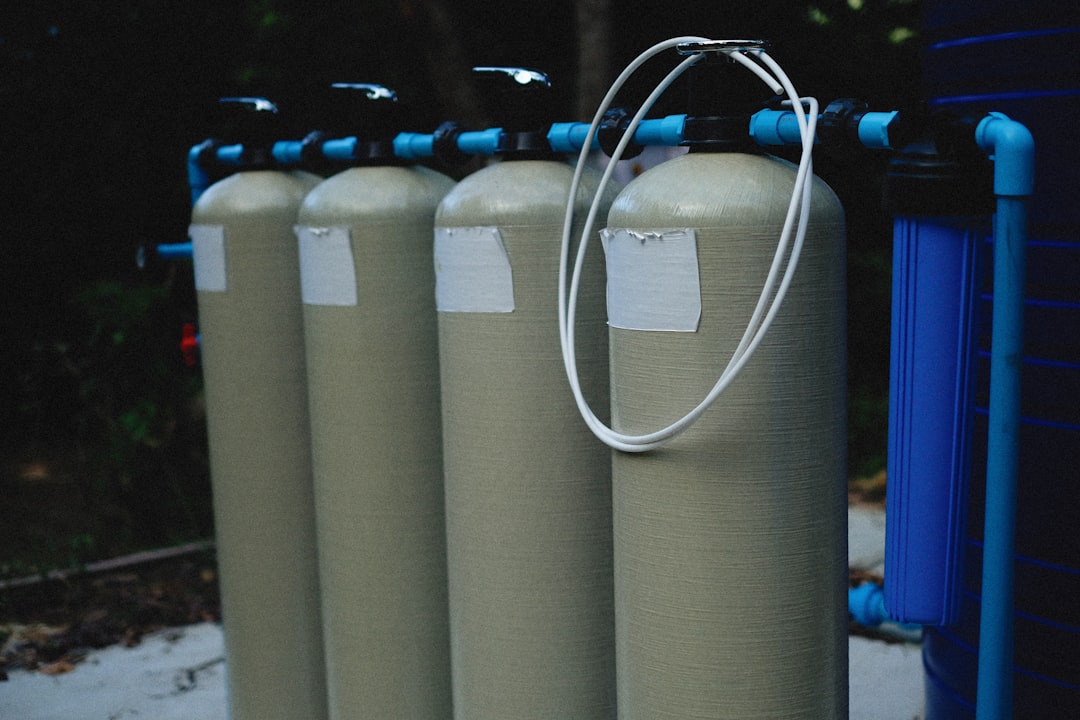
Also known as Point-of-Entry (POE) systems, these are installed at the main water line where water first enters your home. This means every drop of water—whether it’s coming out of your kitchen faucet, your showerhead, or going into your washing machine—is filtered. High-capacity systems, like the Aquasana Rhino®, can reduce up to 97% of chlorine and are designed to last for a staggering 1,000,000 gallons or roughly 10 years.
Reverse Osmosis (RO)
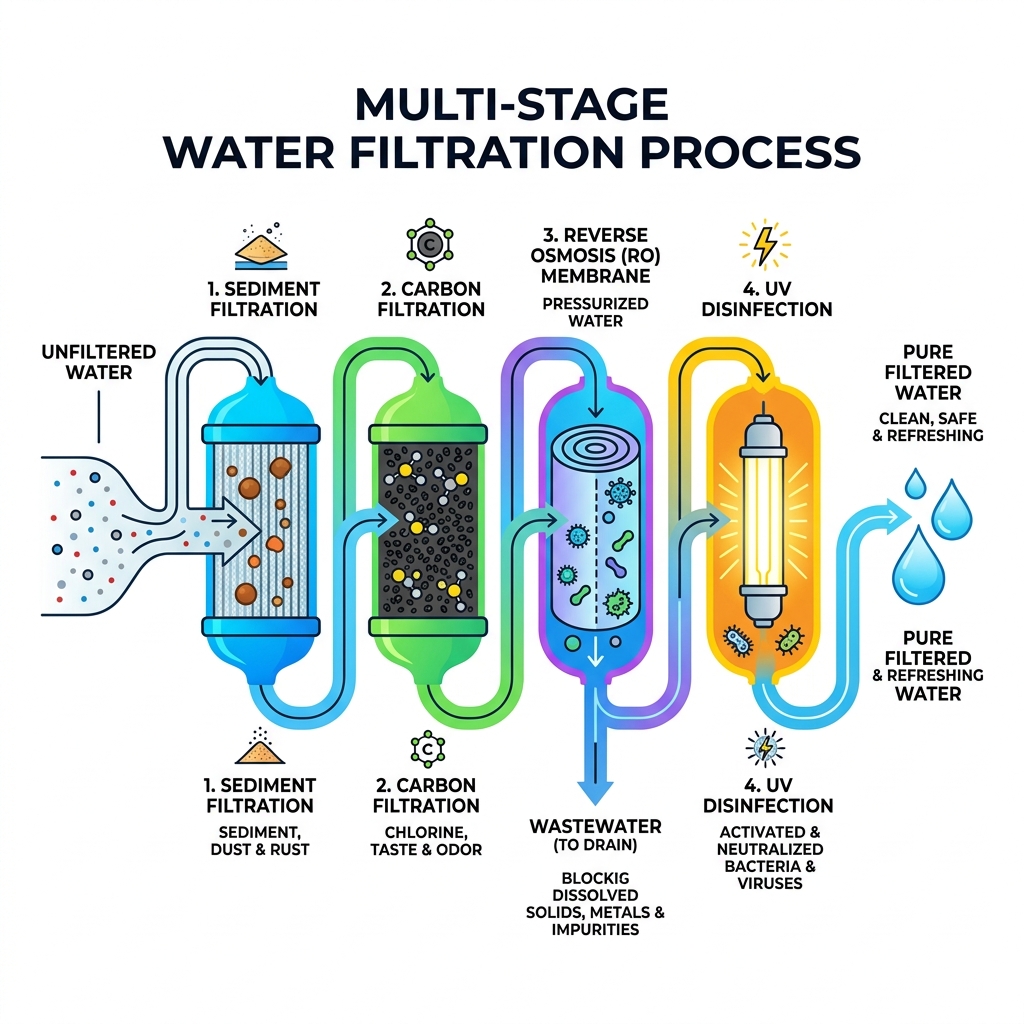
These are the heavy hitters of the filtration world. Typically installed under the kitchen sink, RO systems use a semi-permeable membrane to strip away a vast array of contaminants. Modern units, such as the Waterdrop X12, are “tankless,” saving up to 70% of under-sink space while delivering a rapid flow of 1200 gallons per day (GPD). They are certified to reduce over 90 different contaminants, including the “forever chemicals” known as PFAS.
Under-Sink and Countertop Filters
If you are looking for a more targeted approach or live in a rental in Hyde Park where you can’t modify the plumbing, these are excellent choices. Countertop systems like the WaterChef C7500 connect directly to your faucet and can filter up to 1,000 gallons per cartridge. Under-sink systems are more permanent but provide a dedicated faucet for crisp, clean drinking water without taking up counter space.
UV Purification
UV systems are like a security guard for your water. They don’t “filter” out particles; instead, they use ultraviolet light to scramble the DNA of bacteria and viruses, rendering them harmless. This is especially vital for well water users in areas like Niles or Mount Prospect who may worry about microbiological safety.
Point-of-Entry vs. Point-of-Use
The choice between Point-of-Entry (Whole House) and Point-of-Use (Faucet, Shower, or Under-Sink) often comes down to your goals. Do you want to protect your water heater and pipes from sediment and scale? Go with POE. Do you just want the best-tasting coffee and safest drinking water? Point-of-Use is your best bet.
Specialized Filtration Methods
- Ultrafiltration (UF): These systems use a membrane with tiny pores—as small as 0.015 microns. To put that in perspective, that is 3,000 times smaller than a human hair!
- Activated Carbon: This is the most common method. It works through adsorption, where contaminants stick to the surface of the carbon. It’s the gold standard for removing chlorine and improving taste.
- Distillation: This mimics the natural water cycle by boiling water into steam and then condensing it back into liquid, leaving impurities behind.
How Filtration Technologies Remove Contaminants
Understanding how water filtration systems work requires a little bit of science, but we promise to keep it simple. Most systems use a combination of physical barriers and chemical reactions.
Pore Size and Micron Ratings
Think of a filter like a net. The “micron rating” tells you how small the holes in that net are.
- Absolute Pore Size: This means every single pore is the rated size or smaller. A 1-micron absolute filter will catch a 1-micron germ every time.
- Nominal Pore Size: This is more of an “average.” Some larger particles might still sneak through.
Adsorption and Ion Exchange
Carbon filters use adsorption. Because carbon is incredibly porous, it has a massive surface area that “traps” chemicals like chlorine and VOCs. Ion exchange, often found in water softeners or specialized filters, swaps “bad” ions (like lead or calcium) for “good” ones (like sodium or potassium).
Comparison of Performance
| Technology | Removes Bacteria? | Removes PFAS/Lead? | Improves Taste? |
|---|---|---|---|
| Reverse Osmosis | Yes (99%+) | Yes (High reduction) | Excellent |
| Carbon Block | No (Usually) | Yes (If certified) | Great |
| UV Sterilization | Yes (99.99%) | No | No change |
Chemical and Heavy Metal Reduction
In Chicagoland, lead is a primary concern due to older service lines. Systems certified to NSF/ANSI 53 are specifically tested to reduce lead. We also see concerns regarding mercury, arsenic, and volatile organic compounds (VOCs) which can enter the water supply through industrial runoff.
Biological and Physical Impurities
Sediment—like rust, sand, and silt—can cloud your water and damage your appliances. Beyond the visible stuff, we also deal with microplastics and cysts (like Cryptosporidium). Ultrafiltration and RO are the most effective ways to ensure these microscopic threats never reach your glass.
Choosing the Right System for Your Home
Selecting a system isn’t just about picking the most expensive model; it’s about matching the technology to your specific needs. Why Water Filtration Systems Are Important becomes clear when you realize that your water quality affects everything from your morning tea to the lifespan of your dishwasher.
Water Source: City vs. Well
If you are on city water in Chicago or Winnetka, your primary concerns are likely chlorine (used for disinfection), lead (from old pipes), and fluoride. Well water users in more rural parts of Cook County have different hurdles, such as iron, sulfur (that “rotten egg” smell), and potential bacterial contamination.
Household Size and Flow Rate
A family of five in Elmhurst has different water demands than a couple in a Melrose Park condo. You need to ensure your system has a high enough flow rate—measured in Gallons Per Minute (GPM)—so that you don’t see a drop in water pressure when someone starts the laundry while you’re in the shower. Whole house systems often provide 14+ GPM to handle busy households.
Assessing Your Local Water Quality
Before buying, we always recommend testing. You can look at your local Consumer Confidence Report (CCR), but a home test is better for identifying issues within your specific plumbing. For example, Roselle Water Filtration System needs might focus on hardness and TDS (Total Dissolved Solids) levels that are specific to that local grid.
Certification and Performance Standards
Don’t just take a manufacturer’s word for it. Look for these “gold standards” of testing:
- NSF/ANSI 42: Covers aesthetic effects like chlorine and taste.
- NSF/ANSI 53: Covers health effects like lead and cysts.
- NSF/ANSI 58: The specific standard for Reverse Osmosis systems.
- IAPMO Platinum Seal: Reserved for the most reputable manufacturers who meet rigorous testing requirements.
Installation, Maintenance, and Costs
DIY vs. Professional Setup
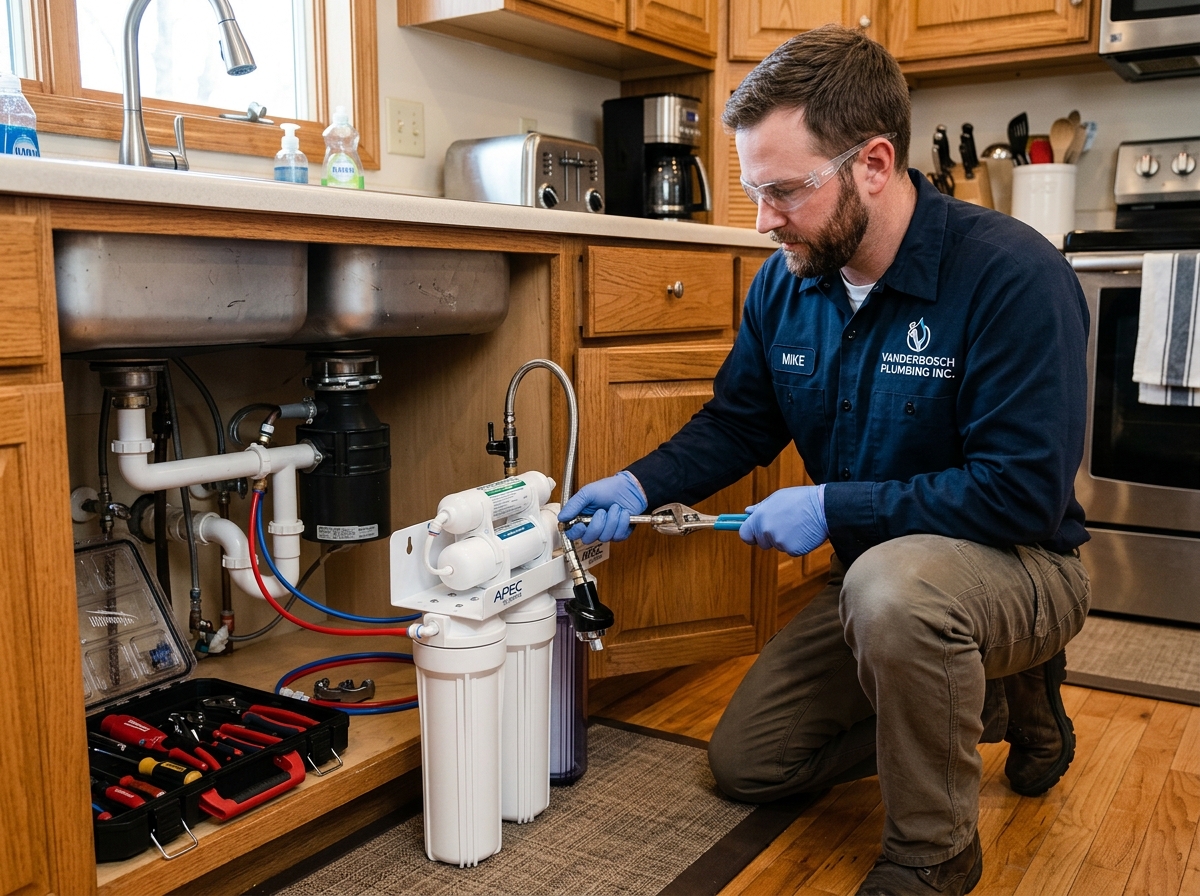
While some countertop and faucet filters are easy DIY projects, permanent water filtration systems like whole-house units or RO systems often require cutting into your main water line or installing a drain connection. At VanDerBosch Plumbing Inc., we ensure your system is installed correctly, leak-free, and up to local Chicagoland codes. Professional installation also ensures that space requirements—like the 40 to 83 pounds of weight for a large filter tank—are properly supported.
Ongoing Maintenance and Filter Lifespan
Filters aren’t “set it and forget it.”
- Sediment Pre-filters: Usually replaced every 3–6 months.
- Carbon Cartridges: Often last 6–12 months.
- RO Membranes: Can last 2–3 years depending on water quality.
- Ultrafilters: High-end versions can last up to 3 years with self-cleaning features.
Many modern systems now include “Smart Monitors” or LED indicators on the faucet that track actual water usage rather than just time, so you know exactly when it’s time for a change.
Long-term Cost Analysis
The initial investment for a quality RO system might range from $300 to $1,000+, while whole-house systems can be higher. However, when you calculate the cost per gallon, it is often as low as $0.06. Compare that to the $1.50 or more you might pay for a single bottle of water!
Health and Environmental Benefits of Filtered Water
Better Taste and Hydration
It’s simple: when water tastes better, you drink more of it. Removing chlorine and sulfur eliminates the “chemical” or “swampy” taste often found in tap water. RO systems that include a “remineralization” stage are particularly popular because they add back beneficial minerals like calcium and magnesium, giving the water a crisp, refreshing finish.
Skin and Hair Improvement
Chlorine is a disinfectant, but it is also a harsh oxidant that can strip the natural oils from your skin and hair. Many of our clients in Oakbrook Terrace and Niles report softer hair and less itchy skin after installing a whole-house filter or a dedicated shower filter.
Reducing Environmental Impact
The environmental stats are staggering. Culligan solutions alone have saved over 40 billion single-use plastic bottles. A single WaterChef CR75 cartridge can replace over 7,500 plastic bottles. By switching to water filtration systems, you’re not just helping your health; you’re significantly reducing plastic waste in our Great Lakes and landfills.
Smart Features and User Experience
We live in a connected world, and water filters are no exception. High-end RO systems now feature:
- Real-time TDS Monitoring: See exactly how many “dissolved solids” are in your water at any second.
- Leak Detection: Automatic shut-off valves that prevent basement flooding if a seal fails.
- Pure-to-Drain Ratios: Older RO systems wasted 4 gallons for every 1 gallon of pure water. Modern “green” systems like the Waterdrop X12 have a 3:1 ratio, meaning they are 1200% more efficient.
Frequently Asked Questions
How often do I need to replace my water filtration systems filters?
Most standard carbon filters need a change every 6 to 12 months. However, this depends heavily on your “gallon capacity.” If you have a large family in West Ridge using hundreds of gallons a day, you’ll hit that limit faster than a single person in an apartment. Always follow the manufacturer’s guidelines, but keep an eye on your water pressure; a drop in pressure is often the first sign of a clogged filter.
Is a whole house water filtration system worth the investment?
Absolutely. Beyond the health benefits, it protects your home’s infrastructure. Filtered water prevents sediment from building up in your water heater (which can reduce its efficiency and lifespan) and stops “pinhole leaks” caused by corrosive chemicals in some water supplies. It’s an investment in your property value and your peace of mind.
How do I test my water quality at home?
You can start with a basic DIY kit from a hardware store to check for pH, hardness, and chlorine. However, for a truly comprehensive look—especially for lead, PFAS, or bacteria—we recommend a professional laboratory analysis. For those on city water, your annual Consumer Confidence Report is a great (and free) place to start.
Conclusion
Navigating water filtration systems in Chicago can feel overwhelming, but you don’t have to do it alone. Whether you’re looking to eliminate the chlorine smell in your showers or ensure your children are drinking lead-free water, there is a solution that fits your home and your budget.
At VanDerBosch Plumbing Inc., we’ve spent decades serving the Chicagoland community—from the historic homes of Winnetka to the bustling streets of Ukrainian Village. We pride ourselves on our transparent pricing, background-checked technicians, and our 100% satisfaction guarantee. We don’t believe in “cookie-cutter” solutions; we believe in finding the right system for your specific water.
Ready to transform your home’s water? Schedule your Water Filtration System consultation with us today and experience the difference that truly clean water can make.