
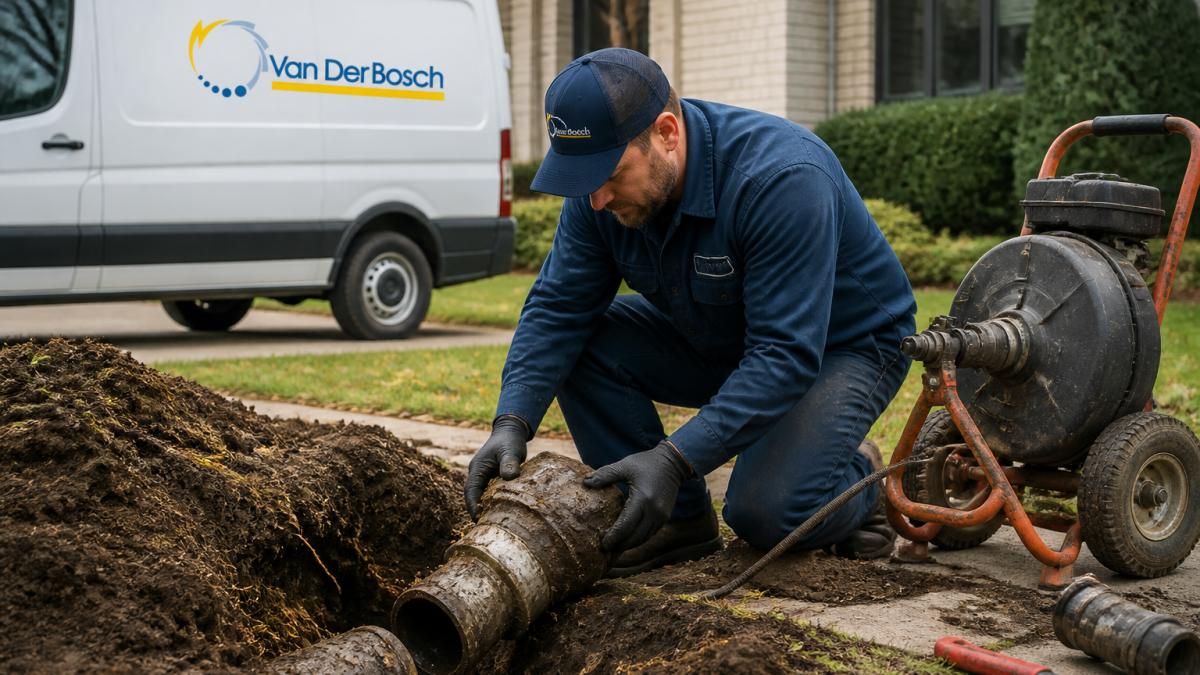
Table of Contents
- Signs You Have a Sewer Line Emergency
- Immediate Steps to Take During a Sewer Backup
- What Causes Sewer Line Failure
- Sewer Video Inspection: Diagnosing the Problem
- Repair vs. Replacement: Understanding Your Options
- Sewer Line Replacement Cost Factors
- When to Call a Professional
- Frequently Asked Questions
Last Updated: October 2, 2026
Signs You Have a Sewer Line Emergency
A sewer line emergency means sewage is backing up into your home or pooling in your yard, and getting sewer line repair help from a licensed professional is essential. This is one of the most serious plumbing problems you can face, and it requires professional attention quickly.
The most obvious sign is raw sewage appearing in your basement, lower-level bathrooms, or yard. You might notice foul odors near drains, toilets, or the foundation. Multiple drains backing up at the same time, toilets, showers, and sinks all draining slowly or not at all, usually points to a problem deeper in the main sewer line rather than a single clogged fixture.
Main sewer line clog symptoms to watch for
Watch for these warning signs that your main sewer line may be failing:
- Gurgling sounds from drains or toilets when you flush or run water
- Slow drainage in multiple fixtures simultaneously
- Raw sewage or foul odors coming from drains, basement floors, or yard areas
- Patches of unusually lush grass or soft ground in your yard (sewage acts as fertilizer)
- Visible cracks, sinkholes, or sunken areas in your lawn
- Repeated backups in the lowest drains of your home
If you see any of these signs, the problem likely extends beyond a simple drain clog. The issue may be a collapsed pipe, tree root intrusion, or buildup of grease and debris far down the line where you cannot reach it with a plunger or standard drain snake.
Immediate Steps to Take During a Sewer Backup
When sewage backs up into your home, your first priority is safety and preventing further damage.
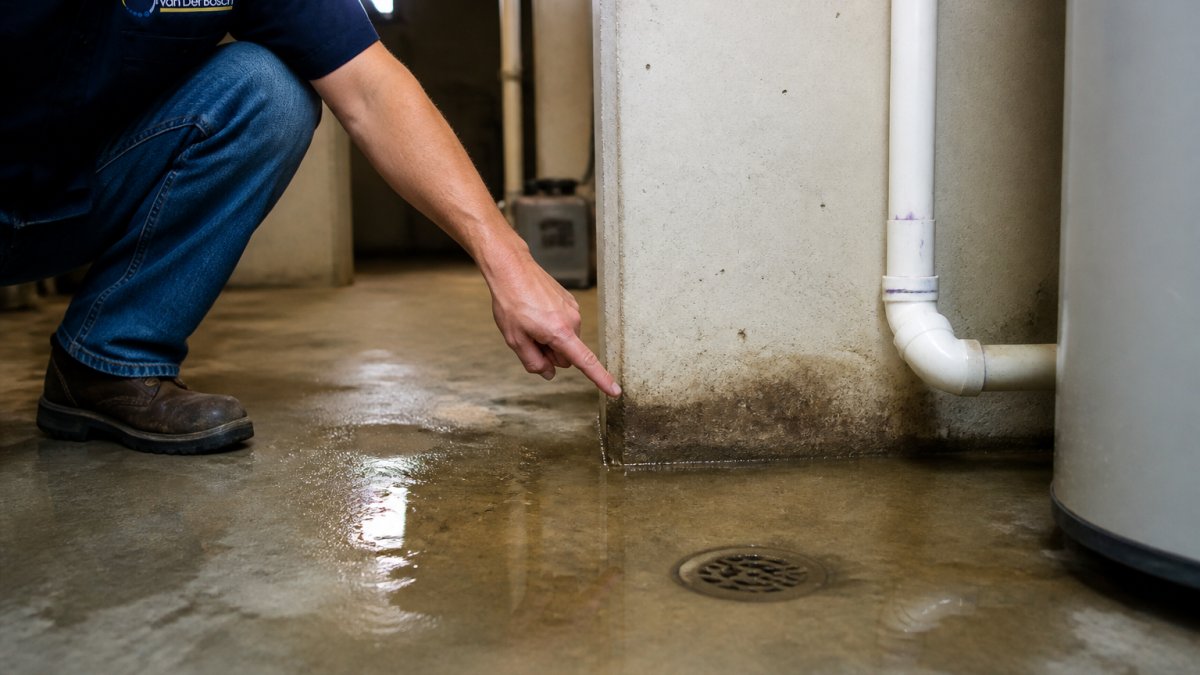
Stop using water immediately. Do not flush toilets, run showers, use sinks, or run washing machines.
Locate your main water shut-off valve. This is usually near the street, at the foundation wall in your basement, or in a utility closet.
Identify and protect low-lying areas. Sewage flows to the lowest point in your home. If your basement has floor drains, a sump pump, or a laundry area, move valuables, electronics, and important documents away from these areas.
Contain the mess if it has already started. If sewage has begun backing up into your basement, place towels or absorbent materials around the affected area. Do not use your regular household vacuum or mop.
Keep people and pets away from affected areas. Sewage contains harmful pathogens (the CDC). Do not let children or pets play in yards where you suspect a sewer problem or touch contaminated water or materials.
Document what you see for insurance and diagnosis. Take photos or video of the backup, location, odors, and visible damage.
Call a licensed plumber immediately. A sewer line emergency requires professional diagnosis and cannot wait. Do not attempt to clear a main sewer line yourself with a plunger, drain snake, or chemical drain cleaner. VanDerBosch Plumbing Inc. provides emergency service to assess whether the problem is in your line or the municipal system, and to begin mitigation or repair.
What Causes Sewer Line Failure
Sewer line problems develop over time or occur suddenly. Understanding the cause helps determine whether you need repair or replacement.
Tree root intrusion is one of the most common causes. Tree roots seek moisture and can penetrate small cracks in older pipes, growing inside the line and blocking flow (Tree root intrusion in sewer systems: A review of extent and costs). Homes with mature trees near the sewer line are especially vulnerable.
Pipe collapse happens when cast iron, clay, or concrete pipes deteriorate from age or ground movement. Older homes often have cast iron or clay pipes that can crack or collapse.
Grease and debris buildup occurs when fats, oils, and non-flushable items accumulate in the line. Over time, this restricts flow and can cause backups. Drain cleaning and hydro jetting services can remove buildup before it causes a major blockage.
Ground movement or settling can shift pipes out of alignment, creating low spots where sewage pools instead of flowing. This is common in older neighborhoods where the soil has settled unevenly.
Bellied pipes (sagging sections) trap sewage and debris, leading to recurring clogs and backups.
Municipal system issues occasionally cause backups that originate outside your property. Heavy rains can overwhelm the city system, pushing sewage back into homes. A licensed plumber can determine whether the problem is on your side of the meter or the city’s responsibility.
Sewer Video Inspection: Diagnosing the Problem
Before deciding on repair or replacement, you need to know exactly what is wrong with your sewer line. A sewer camera inspection shows the condition of the pipe from inside.
A technician inserts a small camera on a flexible cable into your cleanout or drain, revealing cracks, collapses, root intrusion, debris, and misalignment. This diagnostic step determines your options: a small crack may be repairable with trenchless technology, while a severely collapsed section may require full replacement.
VanDerBosch Plumbing Inc. uses sewer line camera inspection services to give you a clear picture before recommending treatment and provides documentation for repairs or insurance claims.
Repair vs. Replacement: Understanding Your Options
Once you know what is wrong, you face a choice: repair the damaged section or replace the entire line.
Repair is appropriate when:
- The damage is localized to a small section
- The pipe material is still structurally sound elsewhere
- The cost of repair is significantly lower than replacement
- The pipe has many years of life remaining
Replacement is appropriate when:
- The pipe is severely collapsed or has multiple breaks
- The pipe material is at the end of its service life (cast iron over 75 years, clay over 60 years)
- You are experiencing recurring problems
- Repairs have failed to solve the problem permanently
- The entire line shows signs of deterioration
Do not let a contractor automatically recommend replacement if repair will solve your immediate problem. A localized crack can often be repaired affordably. However, if your pipe is 80 years old and showing multiple problem areas, replacement may be the better long-term choice even if only one section is currently failing.
Trenchless pipe repair as an alternative to excavation
Trenchless repair technology has changed sewer line treatment. Instead of excavating your yard, a technician can repair pipes from the inside using one of two methods.
Pipe bursting pulls a new pipe through the old one, breaking the damaged pipe apart as it goes. This works well for collapsed pipes and requires only small access holes at each end.
Cured-in-place pipe (CIPP) uses a resin-saturated liner inserted into the damaged pipe and hardened in place, sealing cracks and small breaks without removing the old pipe.
Both methods avoid digging up your yard, eliminating landscape damage, heavy equipment, and reducing completion time. A sewer video inspection determines whether trenchless repair is possible for your situation.
Sewer Line Replacement Cost Factors
Pipe material and age. Older homes often have cast iron or clay sewer pipes that deteriorate and become brittle, crack, or collapse.
Depth and accessibility. Sewer lines typically run 4-8 feet below ground. Deeper lines require more excavation and equipment, increasing labor and time.
Length of the damaged section. If damage is isolated to a small section, repair of just that section may be appropriate.
Soil conditions and water table. Clay and rocky soil are harder to excavate than sandy soil.
Whether you choose traditional excavation or trenchless repair. Trenchless methods avoid digging and can be a more efficient option than full excavation in many cases.
Permits, inspections, and municipal requirements. Your city or county requires permits for sewer work and inspections at various stages.
Whether additional plumbing components need attention. If the inspection reveals that your cleanout is damaged, corroded, or missing, it may need repair or replacement.
Restoration and site conditions after excavation. If traditional excavation is necessary, the contractor must restore the area afterward.
Get a professional assessment rather than guessing at scope or cost.
When to Call a Professional
Do not wait to call a plumber if you suspect a sewer line problem. Early diagnosis prevents sewage from backing into your home and damaging your foundation or personal property.
Call immediately if you see raw sewage, smell foul odors from drains, or notice multiple fixtures draining slowly. These are signs the problem is beyond what you can fix yourself.
Call within 24 hours if you notice one or two drains backing up slowly, gurgling sounds from toilets, or patches of unusually green grass in your yard.
A licensed plumber can run a camera inspection, identify the problem, and explain your options. Many sewer issues are easier and less expensive to fix early than after they cause major damage.
VanDerBosch Plumbing Inc. is available seven days a week for emergency plumbing service. When a sewer line backup threatens your home, we respond quickly to diagnose the problem and discuss repair or replacement options.
A sewer line emergency can feel overwhelming, but you do not have to navigate it alone.
Frequently Asked Questions
What are the warning signs of a failing sewer line?
Multiple drains backing up simultaneously is the clearest sign. You may also notice sewage odors in the yard or basement, patches of unusually green grass (from sewage nutrients), persistent slow drains that don’t respond to plunging, or gurgling sounds from toilets and drains. If you see any of these, a sewer video inspection can confirm whether the main sewer line is damaged or clogged.
Can I fix a sewer line backup myself?
No. Sewer backups involve pressurized systems, hazardous wastewater, and underground infrastructure that requires professional diagnosis and repair. What you can do immediately is stop using water, locate your cleanout, and document the problem with photos for insurance. A licensed plumber should handle the actual repair work.
What’s the difference between trenchless pipe repair and traditional excavation?
Traditional excavation involves digging up your yard to access and replace the damaged pipe. Trenchless pipe repair uses camera inspection and specialized equipment to repair or reline the pipe from inside without major digging. Trenchless methods are faster and less disruptive, but not all damage qualifies. A professional inspection determines which option applies to your situation.
How much does sewer line repair or replacement cost?
Cost depends on the severity of damage, how deep the line is, whether you need repair or full replacement, accessibility, and whether trenchless methods can be used. A professional inspection and estimate are the only way to know your actual cost. Contact a licensed plumber for an evaluation of your specific situation.