
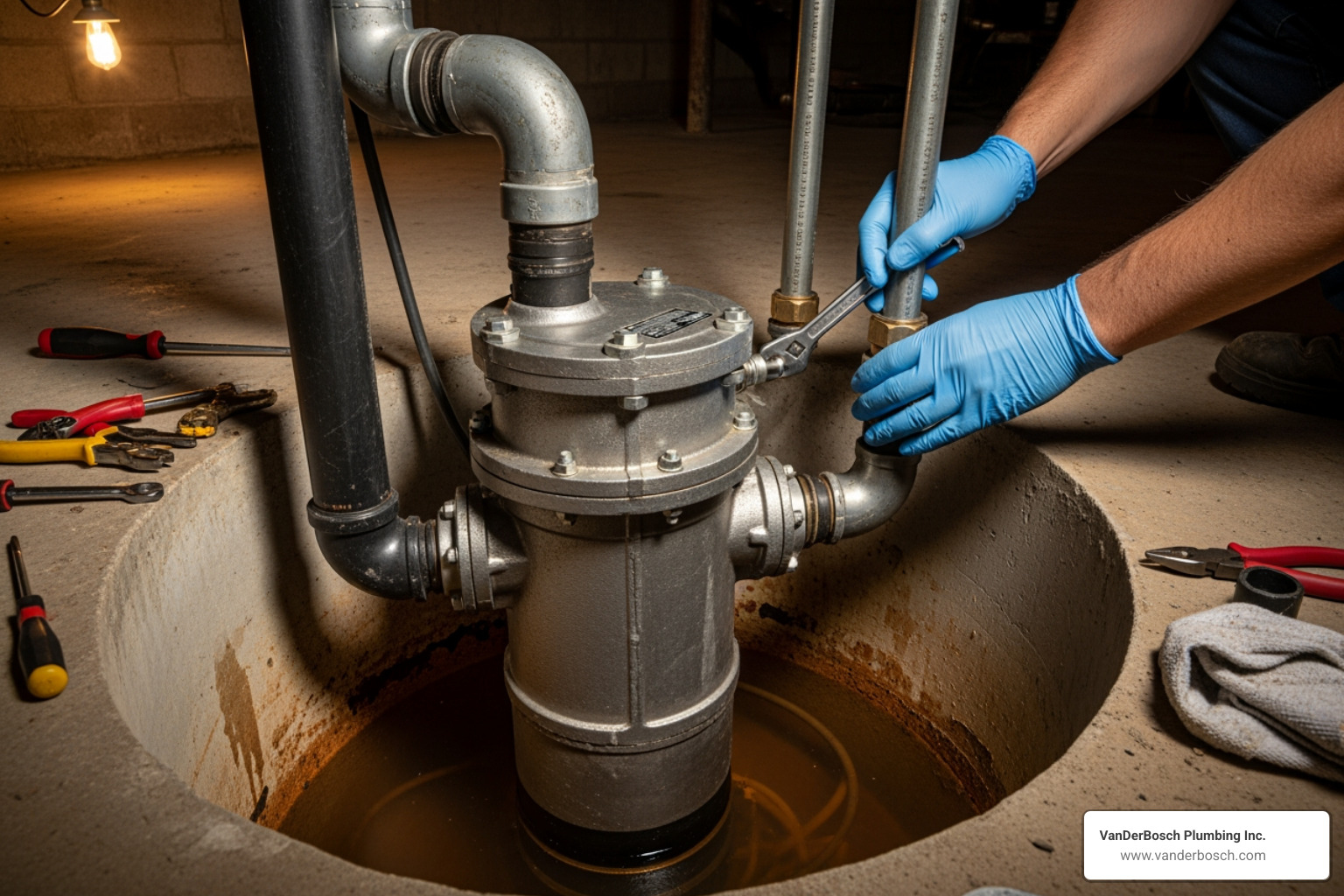
Protecting Your Chicago Basement from Wastewater Woes
Ejector pump repair Chicago services are essential for homeowners and business owners with below-grade plumbing fixtures. If your ejector pump fails, sewage and wastewater can quickly back up into your basement, creating a messy, smelly, and potentially hazardous situation.
Need ejector pump repair in Chicago right now? Here’s what to do:
- Stop using all basement plumbing fixtures immediately (toilets, sinks, showers, washing machines)
- Check your circuit breaker to ensure the pump has power
- Call a licensed plumber for emergency service – most reputable companies offer same-day response
- Expect completion in under 90 minutes for most standard repairs
- Get upfront pricing before work begins – standard maintenance calls typically start around $79
Chicago’s unique infrastructure challenges make ejector pumps critical for thousands of homes. Heavy rain, aging plumbing systems, and the city’s topography mean that many basements sit below the main sewer line. When you install a bathroom, laundry room, or utility sink in your basement, gravity can’t do the work anymore. That’s where your ejector pump comes in.
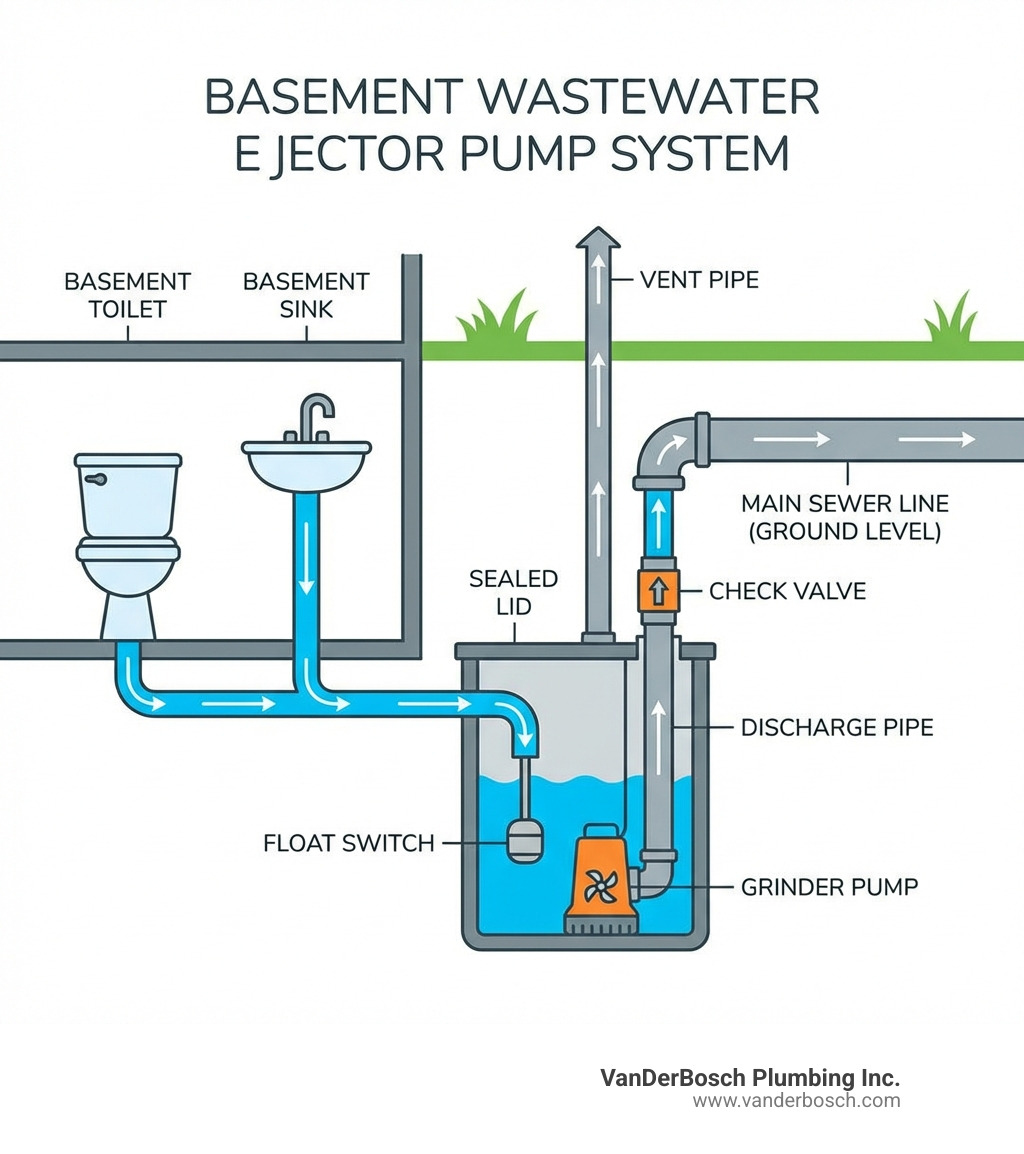
This sealed system collects wastewater from your below-grade fixtures in a basin. When the water level rises, a float switch activates the pump, which grinds up solid waste and pushes everything up to your main sewer line. Without a functioning ejector pump, you’re one toilet flush away from a sewage backup.
The risks of a malfunctioning ejector pump go beyond inconvenience. Sewage backups expose your family to harmful bacteria, can trigger mold growth, and cause thousands of dollars in property damage to flooring, drywall, and personal belongings. Ejector pumps typically last seven to ten years, but pumps over a decade old become increasingly unreliable and prone to unexpected failure.
Understanding Your Ejector Pump: Function, Failures, and Risks
For homes across Chicago and its suburbs like Roselle, Niles, and Elmhurst, especially those with finished basements, an ejector pump is a silent hero. It’s easy to forget about this crucial piece of equipment until it stops working, but understanding its function is key to appreciating its importance.
What is an Ejector Pump and How Does it Work?
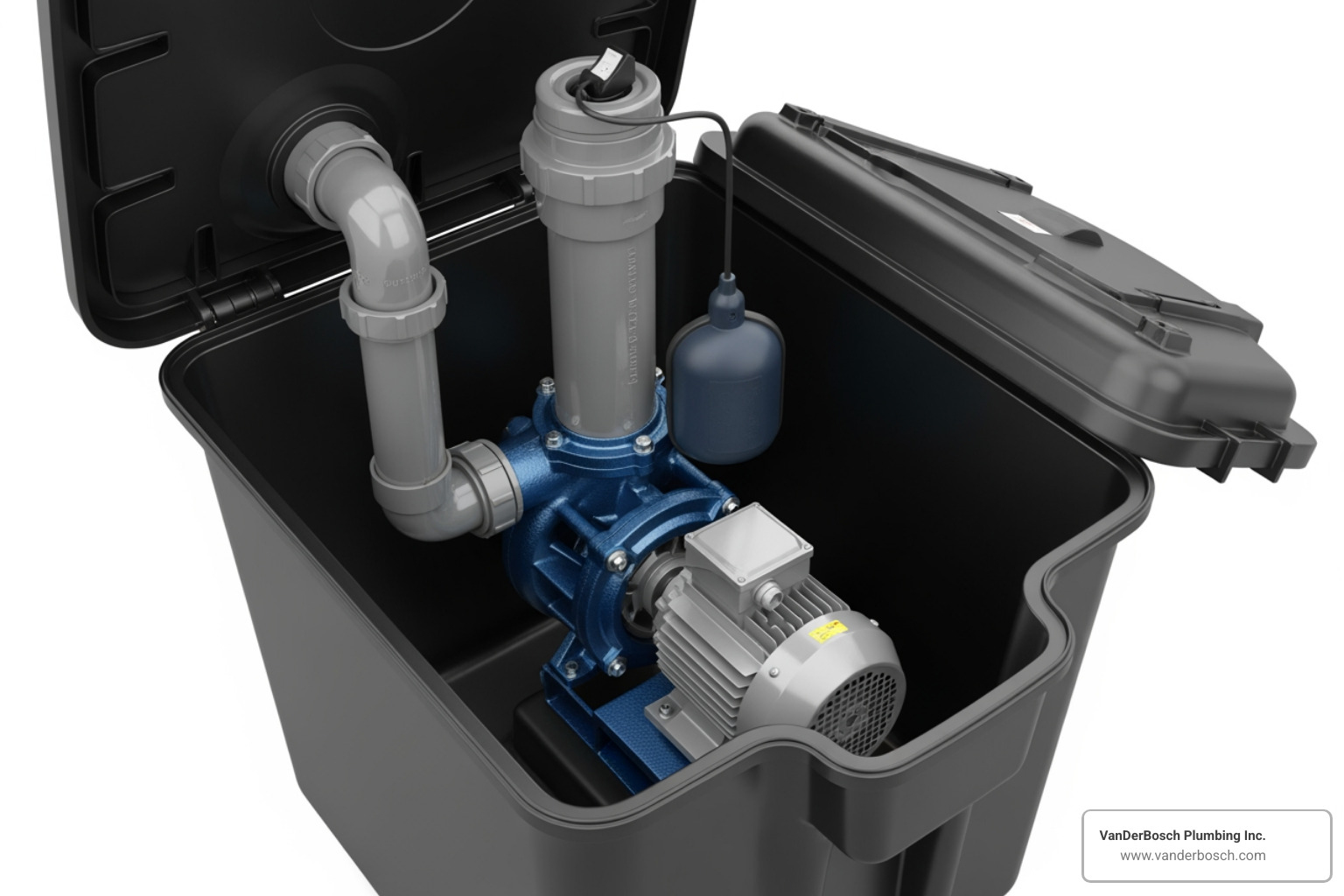
An ejector pump, also known as a sewage ejector pump or sewage pump, is specifically designed to handle wastewater from plumbing fixtures located below the main sewer or septic line. Unlike typical plumbing that relies on gravity, ejector pumps actively push wastewater upwards to the main sewer line. This system typically consists of:
- A sealed basin (or pit): This is where wastewater from your basement toilet, shower, sink, or laundry collects.
- A float switch: As the wastewater level in the basin rises, the float switch lifts, triggering the pump.
- The pump: Once activated, the pump, often equipped with a grinder, breaks down solid waste and propels the wastewater through a discharge pipe.
- A vent pipe: Required for installation, this equalizes pressure and allows sewer gases to escape, usually venting through the roof or connecting to an existing soil stack.
This process ensures that all waste, both gray water (from sinks, washing machines, showers) and black water (from toilets), is safely moved out of your home. It’s a non-negotiable component if you have any plumbing fixtures in your basement.
Ejector Pump vs. Sump Pump: A Crucial Distinction
It’s common for homeowners to confuse ejector pumps with sump pumps, but they serve entirely different purposes. While both are critical for protecting your basement, here’s a clear breakdown:
| Feature | Sump Pump | Ejector Pump |
|---|---|---|
| Purpose | Removes groundwater from beneath the foundation | Pumps wastewater (sewage) from basement plumbing fixtures |
| Water Type | Clear water, groundwater | Black water, gray water (wastewater, solids) |
| Pit/Basin | Unsealed pit, allows water in | Sealed lid and basin, contains sewage and odors |
| Solids Handling | No solids handling | Designed to handle and grind solids |
| Discharge | Directs water safely away from the home (e.g., storm drain) | Pumps wastewater up to the main sewer line |
| Ventilation | Typically no vent pipe required | Requires a vent pipe for pressure equalization and gas escape |
Essentially, a sump pump protects your basement from external water (like heavy rainfall or rising groundwater), while an ejector pump protects it from internal wastewater generated by your basement plumbing. For more information on preventing basement water problems, visit our page on Basement Water Problems: A Reliable Sump Pump is Your First Line of Defense.
Common Causes of Ejector Pump Failure
Ejector pumps are robust, but they’re not immune to issues. Recognizing the common culprits behind a failing pump can help you act quickly:
- Clogs: This is a major one. Flushing items like “flushable” wipes, paper towels, feminine hygiene products, or dumping grease down basement drains can quickly lead to blockages. The grinder can also get overwhelmed by foreign objects.
- Float Switch Issues: The float switch is the pump’s brain. If it gets stuck (in the ‘on’ or ‘off’ position), or if it malfunctions, the pump won’t activate or won’t stop running. This is a frequent cause of continuous running or complete inactivity.
- Motor Failure: Like any motor, an ejector pump’s motor can wear out over time due to continuous use, overheating, or electrical issues. A humming sound without pumping action often indicates a motor problem.
- Power Outages: Without electricity, your ejector pump cannot operate. This is particularly problematic during heavy storms when you need it most.
- Age-Related Wear and Tear: Ejector pumps have a lifespan. Components like seals, bearings, and impellers degrade over time, leading to reduced efficiency and eventual breakdown. Pumps over 10 years old are significantly more prone to unexpected failures.
- Improper Sizing or Installation: An ejector pump that is too small for your home’s needs, or one that was incorrectly installed, can lead to premature failure and frequent issues.
The Alarming Health and Safety Risks
A malfunctioning ejector pump isn’t just an inconvenience; it’s a serious health and safety hazard.
- Sewage Backup: The most immediate and horrifying consequence is a sewage backup into your basement. This means raw sewage, including human waste, can flood your living space.
- Bacteria and Viruses: Raw sewage is teeming with harmful bacteria, viruses, and pathogens. Exposure can lead to severe gastrointestinal illnesses, skin infections, and other health problems.
- Mold Growth: Even after cleanup, moisture from a sewage backup can lead to rapid mold growth within 24-48 hours. Mold can cause respiratory issues, allergic reactions, and further property damage.
- Property Damage: Beyond the unsanitary conditions, a sewage backup can cause extensive and costly property damage. This includes ruined flooring (carpeting, hardwood, laminate), damaged drywall, destroyed furniture, and compromised structural elements. The cleanup and restoration costs can quickly skyrocket into thousands of dollars.
- Unpleasant Odors: Even without a full backup, a failing ejector pump can lead to foul, persistent odors emanating from your drains, signaling a problem with waste containment.
Ignoring a problem with your ejector pump is akin to ignoring a ticking time bomb in your basement. Prompt action is crucial to protect your home and your family’s health.
Your Guide to Ejector Pump Repair in Chicago
When your ejector pump shows signs of trouble, it’s natural to feel a sense of dread. But with the right approach and a reliable partner for ejector pump repair in Chicago, you can mitigate the damage and restore peace of mind.
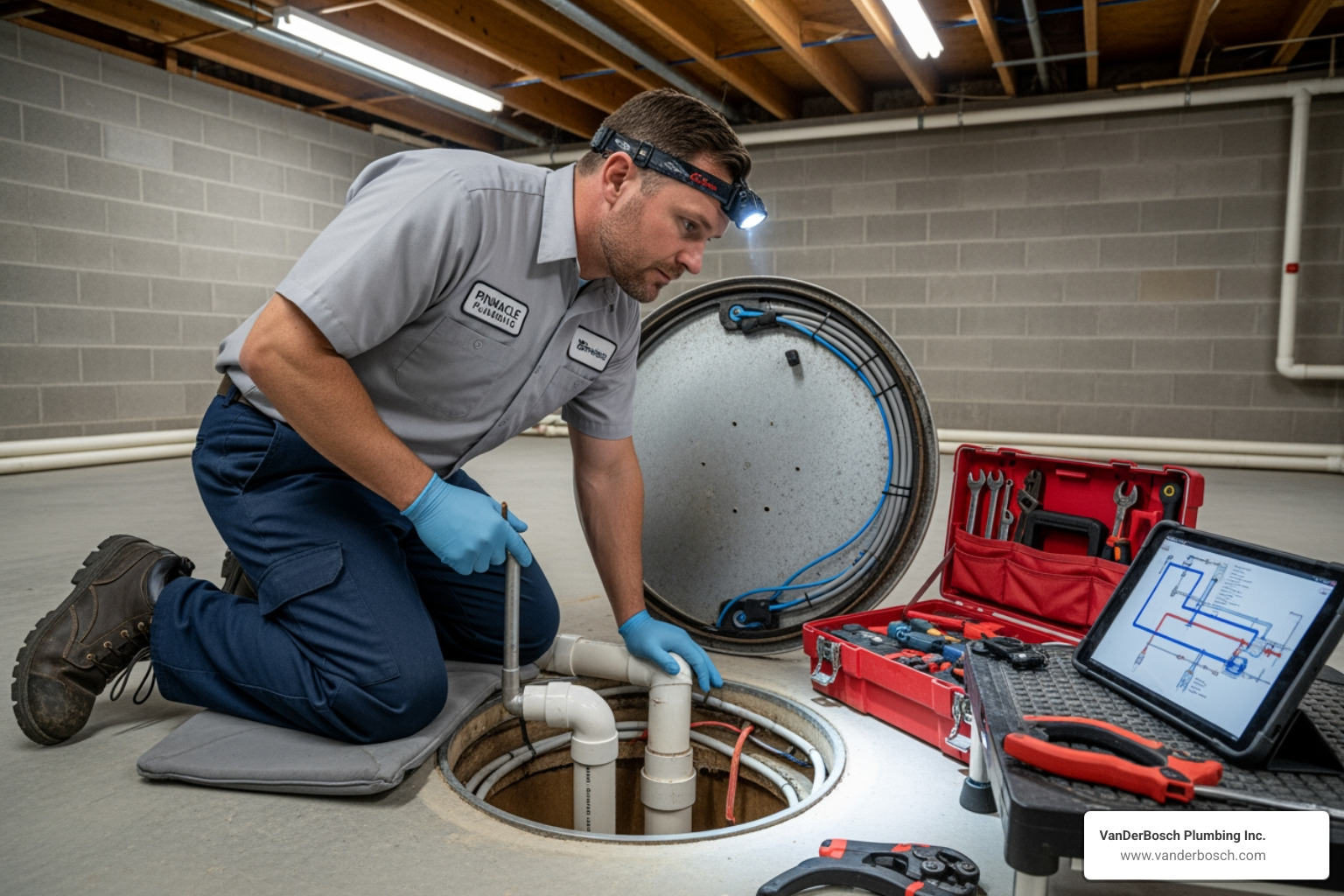
What to Do If Your Ejector Pump Fails
If you suspect your ejector pump has failed, here are the immediate steps to take:
- Stop Using Basement Plumbing: Immediately cease using all plumbing fixtures in your basement. This includes toilets, sinks, showers, and washing machines. Any further use will only add to the wastewater in the basin, increasing the risk of overflow and backup.
- Check the Circuit Breaker: Sometimes, the simplest solution is the right one. Head to your electrical panel and check if the circuit breaker for your ejector pump has tripped. If it has, reset it. If it trips again immediately, do not attempt to reset it repeatedly, as this indicates a more serious electrical or pump issue.
- Call a Professional Immediately: Do not attempt complex repairs yourself. Dealing with raw sewage involves significant health risks and requires specialized knowledge and tools. Contact a licensed and insured plumbing professional for emergency service. We offer 24/7 availability for such critical situations across Chicago and its service areas like Roselle, Winnetka, and Mount Prospect.
Repair vs. Replacement: Making the Right Choice
When your ejector pump malfunctions, the big question is often whether to repair it or replace it entirely. This decision usually comes down to age, the severity of the issue, and cost-effectiveness.
- Typical Lifespan: Ejector pumps typically last between seven to ten years, depending on usage and maintenance. Some sources suggest a range of 5-7 years, while others indicate they can last 10 years or longer with proper care.
- Inefficiency of Older Pumps: If your ejector pump is over 10 years old, it’s likely less efficient and more prone to unexpected breakdowns. At this point, even a seemingly minor repair might be a temporary fix for a pump that’s nearing the end of its functional life.
- Cost-Benefit Analysis:
- Repair: If your pump is relatively new and the issue is minor (like a stuck float switch or a simple clog), a repair is often the most economical solution.
- Replacement: For older pumps, those with significant motor issues, or pumps that are frequently breaking down, replacement is usually the more cost-effective long-term solution. Investing in a new, more efficient model can prevent future headaches and costly emergency calls. Our experts can help you assess the situation, providing clear options and upfront pricing so you can make an informed decision.
For homeowners considering adding new plumbing to their basement, understanding the role of pumps is crucial. Explore the Reasons to Add a Sump Pump to the Home for related insights.
Common Signs You Need Ejector Pump Repair in Chicago
Being aware of the warning signs can help you catch a problem early, potentially preventing a full-blown emergency. Don’t ignore these indicators:
- Strange Noises: Any unusual sounds like grinding, rattling, clunking, or humming coming from the pump pit are red flags. Grinding might indicate debris in the impeller, while a persistent hum could mean the motor is trying to run but can’t.
- Foul Odors from Drains: If you notice unpleasant, sewage-like smells emanating from your basement drains, it’s a strong sign that wastewater isn’t being properly ejected, or that the sealed system has been compromised.
- Slow Drainage in Basement Fixtures: If your basement toilet, sink, or shower is draining slowly, it suggests that the ejector pump is struggling to move the wastewater efficiently.
- Pump Won’t Start: This is an obvious sign. If the pump doesn’t activate when water levels rise, you’re heading for a backup.
- Pump Runs Constantly (Short-Cycling): If your ejector pump turns on and off frequently, or runs non-stop, it often points to a malfunctioning float switch. This constant operation wastes energy and can quickly burn out the motor.
Here are the Top 5 Ejector Pump Warning Signs:
- Strange or loud noises from the pump.
- Foul odors in your basement.
- Slow draining basement fixtures.
- The pump fails to turn on.
- The pump runs continuously or cycles frequently.
The Process for Emergency Ejector Pump Repair in Chicago
When your ejector pump fails, you need fast, reliable service. We understand the urgency, especially in a busy city like Chicago and its surrounding communities. Our process is designed for speed and efficiency:
- 24/7 Availability: Plumbing emergencies don’t stick to business hours, and neither do we. Our team is available around the clock, every day of the week, to respond to your urgent needs.
- Same-Day Service & Rapid Dispatch: We pride ourselves on rapid response. Most ejector pump calls are completed with same-day service. When you call, our expert team is dispatched quickly to your location.
- Initial Assessment: Upon arrival, our licensed and background-checked technician will conduct a thorough assessment of your ejector pump system to accurately diagnose the problem.
- Transparent, Upfront Quote: Before any work begins, you’ll receive a clear, upfront quote for the necessary repairs or replacement. We believe in transparent pricing with no hidden fees or service charges. For instance, our standard maintenance call is only $79.
- Repair Execution: Our skilled technicians arrive fully equipped to handle most ejector pump issues on the spot. They work diligently to resolve the problem efficiently.
- System Testing: After the repair or replacement, we rigorously test the entire system to ensure it’s functioning correctly, the float switch is operating optimally, and there are no leaks or further issues.
- Job Completion in Under 90 Minutes: For most standard ejector pump calls, our expert team typically gets the job done in less than an hour and a half, minimizing disruption to your home.
Why Professional Service is Non-Negotiable
When it comes to something as critical as your home’s wastewater management system, cutting corners or attempting DIY fixes can lead to far greater problems. Professional ejector pump repair in Chicago isn’t just convenient; it’s essential.
The Risks of a DIY Approach
- Health Hazards: Dealing with raw sewage exposes you to dangerous bacteria, viruses, and other pathogens. Without proper protective equipment and sanitation protocols, you risk serious illness.
- Complex Electrical and Plumbing Connections: Ejector pumps involve both electrical wiring and intricate plumbing connections. A mistake in either can lead to electrical shock, leaks, or further damage to your plumbing system.
- Code Compliance: Plumbing work in Chicago and its suburbs must adhere to strict local building codes. Improper installation or repair can lead to code violations, which may require costly re-work and fines.
- Lack of Specialized Tools and Knowledge: Ejector pump repair and installation require specialized tools and expert knowledge to diagnose problems accurately and perform lasting repairs. Attempting it yourself can easily lead to more significant, more expensive issues down the line.
If you’re wondering about professional installation for other basement water solutions, you might find our article Do You Need a Plumber for Sump Pump Installation? insightful.
The Benefits of Choosing VanDerBosch Plumbing Inc.
Choosing a professional service like ours for your ejector pump repair in Chicago offers unparalleled benefits:
- Licensed and Insured Technicians: Our team consists of licensed, insured, and bonded plumbing experts. This ensures that the work is performed to the highest standards and that you are protected against any unforeseen issues.
- Warranties and Guarantees: We stand by our work. We offer a 100% satisfaction guarantee, meaning you can trust that the job will be done right. Additionally, manufacturers’ warranties on new pumps and our labor warranties provide long-term peace of mind. For more details on our commitments, please review our Terms of Service.
- Peace of Mind: Knowing that your ejector pump is professionally installed, maintained, or repaired by experienced, background-checked experts gives you confidence in your home’s plumbing system. You won’t have to worry about the next heavy rainfall or basement toilet flush.
- Preventative Maintenance: Regular maintenance is crucial for extending the life of your ejector pump and preventing unexpected failures. Our services include annual inspections, testing of the motor, inspection of the pit and piping, light cleaning of the pit, testing the pump’s operation by filling the pit, and inspection of the piping, check valve, and switch. This proactive approach helps catch small issues before they become major, costly problems. We recommend maintenance at least once a year.
We’re committed to providing top-tier service across all our locations, including Hyde Park, Sauganash, and West Ridge. For a full list of our offerings, please visit our Services page.
Frequently Asked Questions about Chicago Ejector Pumps
We often get questions from homeowners about their ejector pumps. Here are some of the most common ones:
How much does ejector pump repair or replacement cost in Chicago?
The cost of ejector pump repair in Chicago or replacement can vary significantly depending on several factors:
- Type of Repair: A simple fix like replacing a float switch will be less expensive than a motor repair or addressing a severe clog.
- Parts Needed: The cost of replacement parts can vary based on the pump model and manufacturer.
- Pump Replacement Cost: If a full replacement is necessary, the cost will include the new pump itself (which can range based on horsepower and features) and the labor for installation.
- Labor: Technician time and expertise are factored into the cost.
While we can’t give a precise figure without an inspection, we always provide a transparent, upfront quote before any work begins. Our goal is to ensure you understand the costs involved and can make an informed decision without any surprises.
How long does an ejector pump last?
Ejector pumps typically last between seven to ten years. However, this lifespan can be influenced by several factors:
- Usage Frequency: A pump in a heavily used basement bathroom will likely have a shorter lifespan than one in a rarely used guest bathroom.
- Maintenance Schedule: Regular annual or semi-annual maintenance can significantly extend a pump’s life by addressing minor issues before they escalate and keeping components clean and well-functioning.
- Water Quality: The type of wastewater handled can affect wear and tear.
- Installation Quality: A properly installed pump will generally last longer than one with installation flaws.
Ejector pumps over 10 years old are generally less efficient and more prone to unexpected breakdowns. If your pump is approaching or has exceeded this age, it’s wise to consider a proactive replacement to avoid emergency situations. For more general plumbing questions, check out our Frequently Asked Questions.
Can I prevent my ejector pump from failing?
While no mechanical device can be guaranteed to last forever, there are definite steps you can take to prolong the life of your ejector pump and minimize the risk of failure:
- Proper Disposal Habits: This is paramount. Never flush anything other than human waste and toilet paper down basement toilets. Avoid disposing of grease, “flushable” wipes (they’re not truly flushable!), feminine hygiene products, dental floss, or excessive food waste into basement drains. These are major causes of clogs and pump motor strain.
- Regular Maintenance Checks: Schedule annual or semi-annual professional inspections. During these checks, our technicians will inspect the pump’s components, test the float switch, clean the pit if necessary, and ensure all connections are secure.
- Install a Battery Backup System: Power outages are a common cause of ejector pump failure, especially during heavy Chicago storms. A battery backup system can provide crucial emergency power, allowing your pump to continue operating when the main power is out. This is a critical component for flood prevention, similar to how How Sump Pumps Protect Against Flooding during heavy rains.
By being proactive and mindful of what goes down your drains, you can significantly reduce the chances of needing emergency ejector pump repair in Chicago.
Conclusion: Secure Your Home with Reliable Ejector Pump Services
Your ejector pump is a vital component of your Chicago home’s plumbing system, especially if you enjoy the convenience of a finished basement. Neglecting its maintenance or ignoring the warning signs of a malfunction can lead to unsanitary conditions, extensive property damage, and significant health risks.
Don’t wait for a messy and costly disaster to strike. At VanDerBosch Plumbing Inc., we’re committed to providing expert, reliable, and prompt ejector pump repair in Chicago and surrounding areas like Ukrainian Village, Oakbrook Terrace, and Niles. Our licensed, background-checked technicians are equipped with the expertise and tools to diagnose any issue, offer transparent pricing, and ensure your ejector pump is working flawlessly.
Schedule your ejector pump inspection or repair today to protect your property, maintain a healthy home environment, and secure your peace of mind. We’re here to help, 24/7. Contact us for expert sump and ejector pump services and let us be your trusted partner in plumbing.