
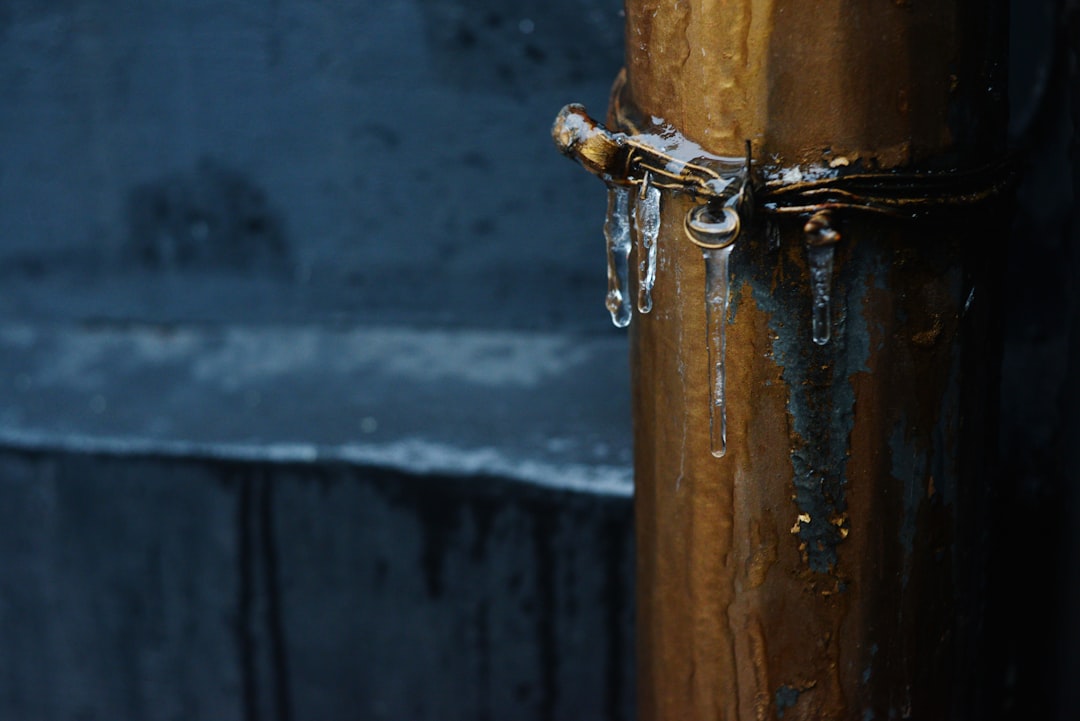
When You Need Frozen Pipe Repair: What to Do Right Now
Frozen pipe repair is urgent — acting fast can mean the difference between a minor inconvenience and thousands of dollars in water damage. Here’s what to do immediately:
- Turn off your main water supply at the shut-off valve
- Open the faucet connected to the frozen pipe to relieve pressure
- Apply gentle heat to the frozen section using a hair dryer, heating pad, or warm towels
- Check for cracks or bulging before restoring water flow
- Call a licensed plumber if you can’t locate the freeze point, thawing fails, or a pipe has burst
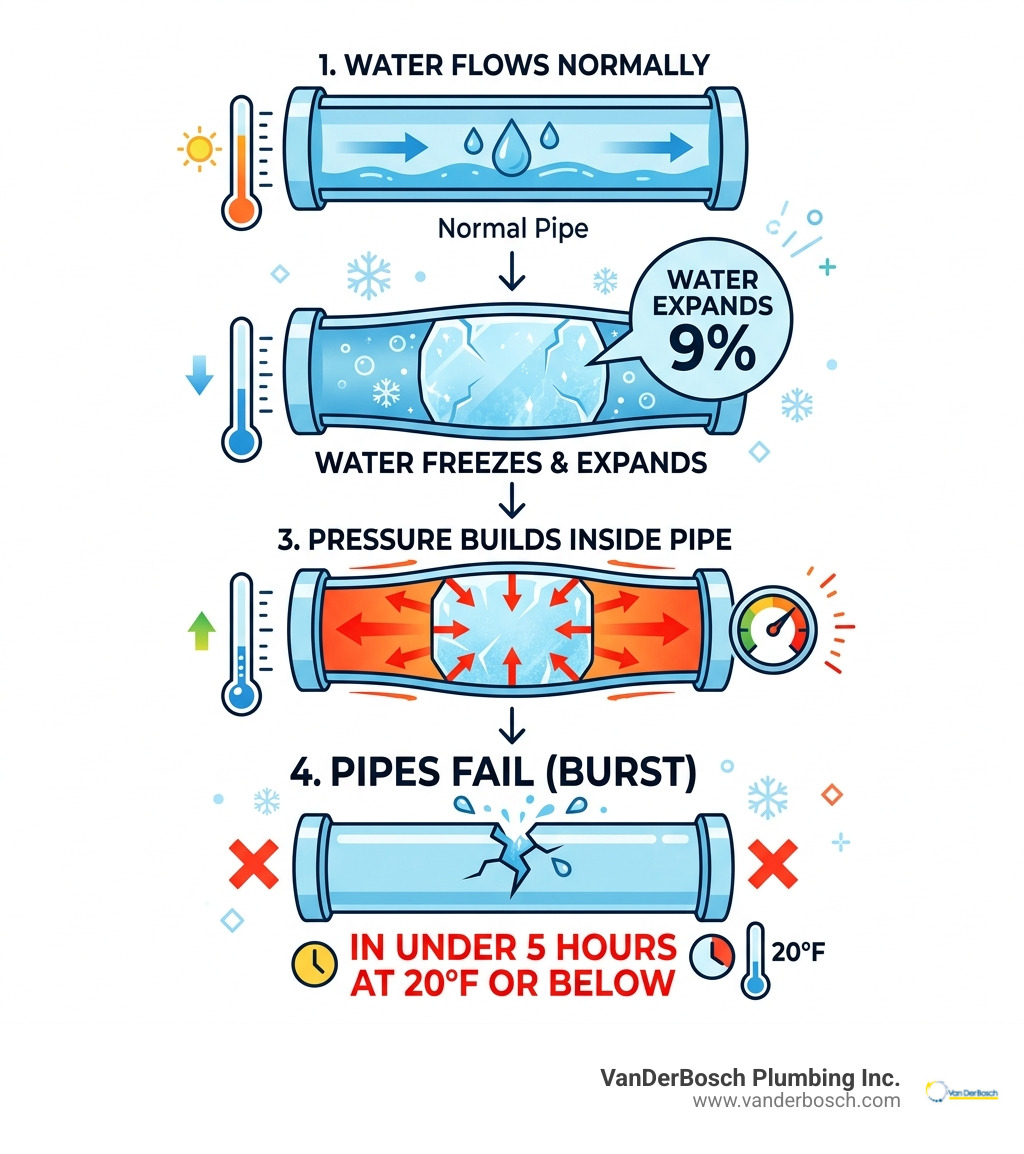
Frozen pipes are more common — and more dangerous — than most homeowners realize. More than 20% of U.S. homes face the risk every winter. When water freezes inside a pipe, it expands by roughly 9%, creating enormous pressure. That pressure can split a pipe open in less than five hours at 20°F or below. A burst pipe can then release more than 250 gallons of water in a single day, causing serious damage to walls, floors, ceilings, and belongings.
Chicago winters make this risk especially real. Extended cold snaps, wind chill, and aging housing stock all push local pipes to their limits.
The good news? Most frozen pipe situations are manageable — if you know what to do and move quickly.
I’m Hugh Hodur, President of VanDerBosch Plumbing Inc., and I’ve overseen frozen pipe repair and emergency plumbing services across the Chicagoland area for years. In this guide, I’ll walk you through everything you need to handle this safely — from thawing a frozen pipe at home to knowing when it’s time to call in a pro.
Identifying the Need for Frozen Pipe Repair
In April 2026, looking back at the winter season, we see that many homeowners in neighborhoods like Sauganash or Ukrainian Village were caught off guard by sudden deep freezes. Knowing the early warning signs can save you from a full-blown emergency.
The magic number to remember is 20°F. While water technically freezes at 32°F, research shows that pipes are most likely to freeze and burst when the outside temperature hits 20°F or lower. This is especially true for pipes in unheated areas like basements, attics, or crawl spaces.
So, how do you know if you’re dealing with a freeze?
- No Water Flow: This is the most obvious sign. You turn on the tap, and nothing comes out, or perhaps just a pathetic trickle.
- Visible Frost: If you can see the pipe, look for a coating of frost on the exterior. This is a clear indicator that the water inside has turned to ice.
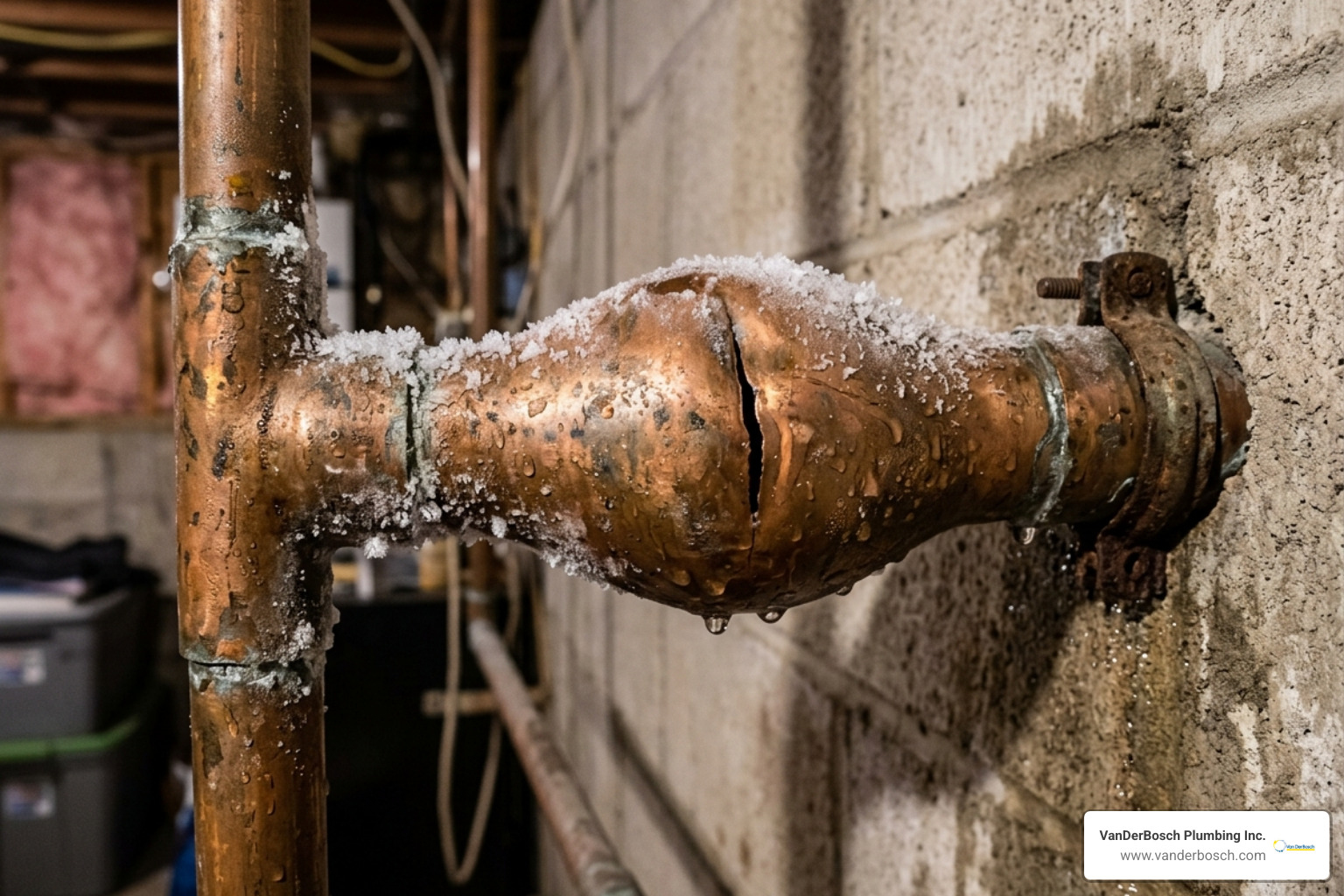
- Bulging Pipes: As water expands, it can actually deform the metal or plastic. If a section of your pipe looks like it’s “swelling,” it is under extreme pressure. You can learn more about this physical process in our guide on Why Do Pipes Burst?.
- Strange Noises: If you hear clanking or banging sounds coming from the walls when you try to use the water, it could be ice chunks moving or pressure fluctuations caused by a blockage.
- Foul Odors: Sometimes, a frozen pipe prevents sewer gases from escaping correctly. If an unused sink starts smelling like a swamp, check the pipes below.
- Condensation: Excessive “sweating” on a pipe in a cold area often precedes a freeze.
According to the American Red Cross, the pipes most at risk are those against exterior walls or those that enter the home through the foundation. For those of us living in older Chicago bungalows or Victorians in Niles and Roselle, these vulnerabilities are common. Check out our specific advice for Frozen Pipes in Chicago, IL: What Homeowners Need to Know to see how local architecture plays a role.
Immediate Steps and Safe Thawing Techniques
If you’ve confirmed the pipe is frozen but hasn’t burst yet, you are in a race against time. Your goal is to melt the ice safely without causing the pipe to crack from thermal shock.
The Safe Thawing Process
- Open the Faucet: Before you start heating, open the tap. As the ice melts, water needs a place to go. Keeping the faucet open also helps relieve the pressure buildup between the ice blockage and the faucet—which is actually where most bursts occur.
- Locate the Blockage: Feel along the pipe. The coldest spot or the area with visible frost is your target.
- Apply Heat Gradually: Start heating from the faucet end and work your way toward the blockage. This ensures that as the ice melts, the water can flow out through the open tap.
- Hair Dryer: Keep it on a low or medium setting and move it back and forth.
- Electric Heating Pads: Wrap these around the pipe and plug them in.
- Warm Towels: Soak towels in hot water, wring them out, and wrap them around the frozen section. Replace them as they cool.
- Space Heaters: You can place a portable heater near the pipe, but never leave it unattended and keep it away from flammable materials.
If these DIY steps don’t yield results within 30 to 45 minutes, or if the pipe is located behind a wall, it’s time for professional frozen pipe repair. We utilize specialized Frozen Pipes Repair equipment that can safely thaw pipes without needing to tear down your drywall in many cases.
Methods to Avoid During Frozen Pipe Repair
Safety is paramount. Every winter, we hear horror stories of DIY attempts gone wrong in Chicagoland. To protect your home and your family, never use the following:
- Open Flames: Blowtorches, propane heaters, or charcoal broilers are incredibly dangerous. Not only do they pose a massive fire risk, but the intense, localized heat can cause the pipe to explode or melt.
- Boiling Water: Pouring boiling water directly onto a frozen pipe can cause “thermal shock,” leading the pipe to crack instantly.
- Unattended Devices: Never leave a space heater or any electrical heating device running if you aren’t in the room to monitor it.
- Kerosene Heaters: These produce dangerous fumes and are a fire hazard indoors.
The City of Winnipeg and other cold-weather municipalities emphasize that most structure fires during winter storms are caused by improper thawing techniques. Don’t let a plumbing problem turn into a fire department visit.
Professional Frozen Pipe Repair and Maintenance
Sometimes, the freeze is simply out of reach. If your pipes are in a crawl space under a home in Elmhurst or buried deep in a wall cavity in a West Ridge apartment building, a hair dryer isn’t going to cut it.
Licensed plumbers use industrial-grade heat guns and electronic pipe thawers that pass a safe, low-voltage current through the pipe to generate heat from the inside out. We also have diagnostic tools like thermal imaging cameras to pinpoint exactly where the ice is located without guessing. This precision preserves your home’s structural integrity and ensures the frozen pipe repair is completed before a burst occurs. You can find more professional tips on the Lowe’s guide to prevention and repair.
How to Handle a Burst Pipe Emergency
If you hear the sound of rushing water or see a geyser in your basement, the pipe has already burst. A burst pipe can leak 10 gallons of water per minute. That’s 600 gallons an hour. In the time it takes to watch a movie, your basement could be underwater.
Immediate Action Plan:
- Shut off the Main Water: Every adult in your home should know where the main shut-off valve is. It’s usually near the water meter.
- Kill the Power: If the water is near electrical outlets, breaker boxes, or appliances, shut off the electricity to that area of the house immediately.
- Call VanDerBosch Plumbing Inc.: We provide 24/7 emergency service throughout Cook County.
- Start Cleanup: Use a wet/dry vac, mops, and towels. Mold can begin to grow in as little as 24 to 48 hours.
Temporary vs. Permanent Repairs
While you wait for a plumber, you might need to make a temporary fix to stop a small leak.
| Repair Method | Best For | Durability |
|---|---|---|
| Pipe Clamp | Small cracks or pinholes | Temporary (Days) |
| Epoxy Putty | Small leaks in joints | Temporary (Hours/Days) |
| Rubber Patch & Hose Clamps | Longer cracks in straight sections | Emergency only |
| Professional Replacement | All burst scenarios | Permanent (Decades) |
A temporary patch is just that—temporary. The structural integrity of the pipe is compromised, and it will likely fail again during the next temperature swing. For more on keeping your system resilient, see our Tips on Keeping Your Plumbing Safe in Colder Temperatures.
The City of Toronto reminds residents that property owners are responsible for the pipes from the property line into the home. Don’t wait for the city to fix a private burst; call a licensed professional immediately.
Long-Term Prevention and Winterization Strategies
Prevention is always cheaper than frozen pipe repair. In fact, the average insurance claim for a burst pipe is over \$10,000, while a few rolls of insulation cost less than a dinner out in Ukrainian Village.
- Insulate Exposed Pipes: Use foam sleeves or UL-listed heat tape on pipes in unheated areas. This is the most effective way to delay freezing.
- Seal the Gaps: Use caulk or spray foam to seal cracks in exterior walls where cold air might whistle in and hit a pipe. Check around dryer vents, electrical wiring, and windows.
- The 55°F Rule: Never set your thermostat lower than 55°F, even if you are leaving for a vacation. In Chicago, we actually recommend 68°F to 70°F during extreme “Polar Vortex” events.
- Open Cabinet Doors: Let the warm air from your kitchen or bathroom reach the pipes under the sink.
- Let the Faucets Drip: A very slow drip (about 5-10 drops per minute) keeps water moving. Moving water is much harder to freeze than standing water.
- Install Frost-Free Spigots: Also known as frost-free sillcocks, these have a long stem that places the shut-off valve deep inside the warm interior of your home.
- Heat Tape: For particularly vulnerable pipes, thermostat-controlled heat tape can provide just enough warmth to prevent ice formation.
- Winterize Outdoor Plumbing: Disconnect all garden hoses and shut off the indoor valves leading to outdoor faucets.
For more detailed steps, check out Angi’s guide on unfreezing and prevention.
Frequently Asked Questions about Frozen Pipes
What temperature causes pipes to freeze and burst?
While 32°F is the freezing point of water, pipes generally don’t freeze until the outside temperature drops to 20°F or below for several hours. Wind chill can accelerate this process by stripping heat away from the house faster. Typically, it takes about 4 to 5 hours of exposure to these sub-20 temperatures for a pipe to reach the breaking point.
Does homeowners insurance cover frozen pipe repair?
Usually, yes, but there are catches. The average homeowner insurance claim for water damage and freezing is \$10,849, and severe flooding can drive that up to \$18,000. However, many insurance companies will deny a claim if they can prove “negligence.” For example, if you turned off your furnace while on vacation and the pipes froze, they may refuse to pay. Always document your prevention efforts and keep receipts for any professional maintenance.
How do you prepare pipes if you are going away during winter?
If you’re heading south for the winter from Mount Prospect or Winnetka, do the following:
- Shut off the main water valve.
- Drain all the water from the system by opening every faucet until they run dry.
- Flush all toilets to empty the tanks.
- Keep the heat set to at least 55°F.
- Ask a neighbor to check the house every few days.
- Consider installing a smart leak detector that sends alerts to your phone.
Conclusion
Frozen pipes are a reality of living in Chicagoland, but they don’t have to be a disaster. By understanding the 20°F threshold, knowing how to thaw pipes safely, and acting instantly if a burst occurs, you can protect your home from devastating water damage.
At VanDerBosch Plumbing Inc., we’ve been the trusted choice for Chicago, Roselle, Niles, and the surrounding suburbs for decades. We offer:
- 24/7 Emergency Service: Because pipes don’t wait for business hours to burst.
- 100% Satisfaction Guarantee: We stand by our work.
- Transparent Pricing: No hidden fees or surprise service charges.
- Expert Technicians: Background-checked and highly experienced in Chicago’s unique plumbing challenges.
Don’t wait for a drip to become a flood. If you suspect your pipes are frozen or you need professional winterization, contact us today for expert Frozen Pipe Repair Services in Chicago, IL. We are here to keep your water flowing and your home dry, no matter how low the temperature drops.