
Last Updated: October 31, 2026
Quick Summary
If you smell gas, leave the building immediately and call your gas utility’s emergency line or 911 from outside, well away from the structure. Do not use light switches, phones, flames or appliances inside, because a spark can ignite a gas leak.
- Leave doors open behind you if safe, and do not stop to gather belongings or shut off appliances.
- Strong rotten-egg odor, hissing, or a visible cloud means treat it as an active emergency.
- Headaches, dizziness, or nausea in people or pets can signal gas exposure, so get out and call for help.
- Shut off the meter valve only if you already know where it is and can reach it safely on the way out.
- Do not re-enter or relight appliances until responders or a licensed professional confirm the system is safe.
Table of Contents
- What to Do If You Smell Gas Right Now
- Gas Leak Warning Signs to Watch For
- Shutting Off the Gas Supply Safely
- Gas Utility vs. Plumber: Who Handles What
- How Plumbers Check for Gas Leaks
- Gas Line Repair, Verification, and Safe Relighting
- Booking Your Gas Line Inspection With VanDerBosch
- Frequently Asked Questions
What to Do If You Smell Gas Right Now
If you smell gas, get out first and ask questions later. Leave the building immediately and call your gas utility’s emergency line or 911 from outside, well away from the structure. The smell homeowners associate with natural gas is a warning that should never be investigated indoors.
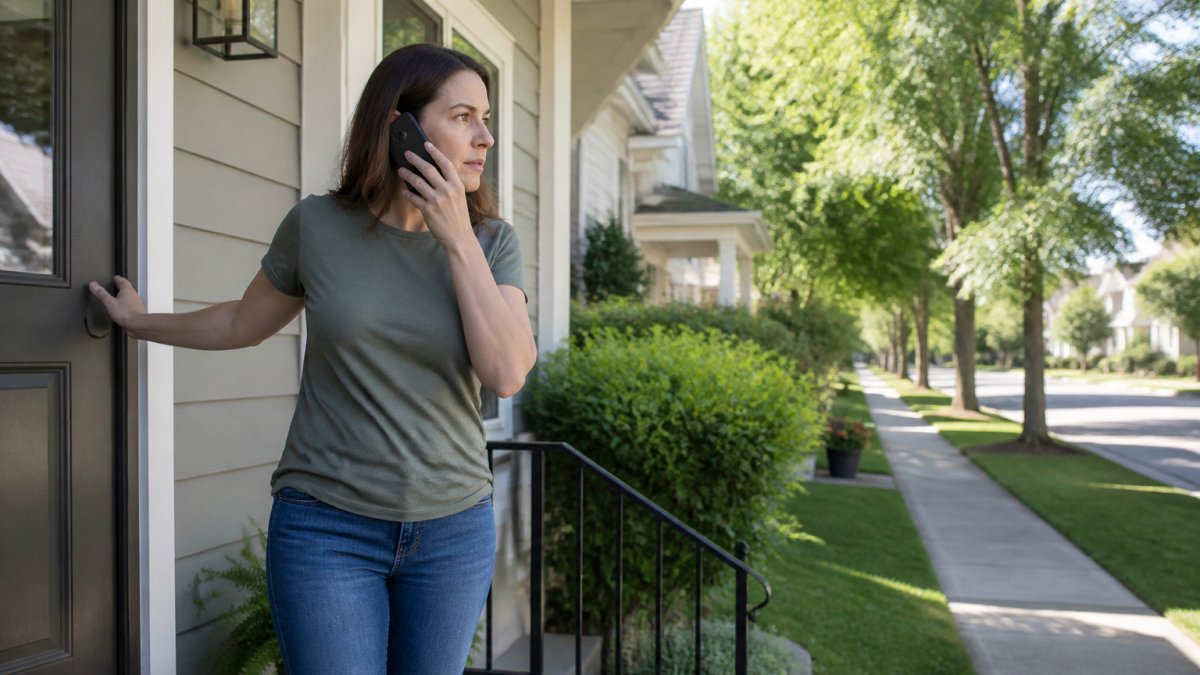
Get everyone out, then call
- Leave doors open behind you if it is safe to do so, do not stop to close windows, gather belongings, or shut off appliances.
- Move everyone, including pets, to a safe distance from the building and stay there.
- Call the gas utility’s emergency line or 911 from outside. Do not call from inside the home.
- Wait for emergency responders or utility crews to clear the building before anyone goes back in.
What not to do during a suspected leak
A spark or flame is all it takes to ignite leaking gas. While you are inside or near the building:
- Do not flip light switches, use flashlights, or unplug or plug in anything.
- Do not use a phone, including a cell phone, inside the building.
- Do not light matches, lighters, candles, or pilot lights, and do not smoke.
- Do not start a vehicle in an attached garage or near the structure.
- Do not run exhaust fans, furnaces, water heaters, boilers, or other appliances.
- Do not try to find the leak yourself or attempt any DIY pipe repair.
Match your response to what you notice
Not every gas smell means the same thing, and the right response depends on how strong the signal is.
Strong, persistent rotten-egg odor, hissing, or a visible cloud: Treat this as an active emergency. Evacuate immediately, call from outside, and do not re-enter until responders say it is safe.
Faint odor that comes and goes, or odor only near one appliance: Leave the area and call the utility to report it. Do not try to pinpoint the source indoors. A faint smell can still indicate a real leak, and smell alone cannot tell you where it is or how serious it is.
Headaches, dizziness, nausea, fatigue, or pets acting strangely: These can be signs of gas exposure. Get out and call for help, and tell responders about the symptoms so they can assess exposure.
If anyone is unconscious, confused, or having trouble breathing, call 911 immediately and do not re-enter the building to help. Let trained responders handle the rescue.
Gas leak emergencies are a safety issue first and a plumbing issue second. Once people are out and emergency responders have been contacted, a licensed professional can help locate and repair the problem.
Gas Leak Warning Signs to Watch For
The most common warning sign is a strong rotten-egg odor. Utilities add a chemical called mercaptan to natural gas so leaks are detectable by smell. Other signs include a hissing or whistling sound near a gas line or appliance, dead or dying plants in an area where nothing else explains the damage, and bubbles in standing water above a buried line.
Physical symptoms can also indicate gas exposure. Headaches, dizziness, nausea, or unusual fatigue in people or pets in the home are reasons to leave immediately and call for help.
Do not try to confirm a leak by searching for it with a flame. Smell, sound, and visible signs are enough to justify getting out and calling. For more on household gas safety guidance, including what plumbers recommend when a gas line leak is suspected, see the linked guide.
Several signs can point to a gas leak, and each one calls for a different level of response.
| Warning sign | What it may indicate | Right response |
|---|---|---|
| Strong rotten-egg odor | Mercaptan added to natural gas | Evacuate and call from outside |
| Hissing or whistling | Escaping gas near a line or appliance | Leave and call the utility |
| Dead plants with no other cause | Gas leaking into soil | Report to the gas utility |
| Bubbles in standing water | Leak from a buried line | Keep clear and call for help |
| Headaches or dizziness | Possible gas exposure | Get out and seek help |
Shutting Off the Gas Supply Safely
Shutting off the gas is a backup step, not a substitute for evacuating and calling for help. Only attempt it if you can reach the valve quickly and safely on your way out, and only if you already know where it is and how it operates. If you are unsure, leave it alone and let the utility or emergency responders handle it.
Know which valve you are looking at
There are two common shutoff points, and they do different jobs:
- The meter valve is located at the gas meter, usually outside or in a utility area. Turning it off stops gas to the entire building. This is the valve to use in an emergency.
- An appliance valve is the small valve on the supply line feeding a single appliance, such as a water heater, furnace, boiler, or range. It stops gas to that appliance only and does not protect the rest of the system.
Most modern meter valves are quarter-turn ball valves: a handle that sits parallel to the pipe is open, and turning it a quarter turn so the handle sits perpendicular to the pipe closes it. Older meters may have a plug-style valve that requires a wrench. If the valve is stiff, corroded, or you cannot tell which position is closed, do not force it, get out and let the utility handle it.
What a shutoff does and does not do
Closing the meter valve stops the flow of gas into the building, which can reduce the risk while responders are on the way. It does not fix the leak, does not make the building safe to re-enter, and does not restore service. Once gas is shut off at the meter, service is typically restored only by the utility or a licensed professional after the system has been repaired and tested.
If you do not already know where your meter valve is and how it turns, find out before you need it. A quick look during calm conditions, without touching anything, is far easier than figuring it out during an emergency.
Never attempt to repair a gas leak yourself, and do not try to relight appliances or restore gas flow after a shutoff. Restoring service should only be done by the utility or a licensed professional who can verify that the system is safe.
Gas Utility vs. Plumber: Who Handles What
The gas utility is responsible for emergency response and for the gas service up to the meter. Utility crews respond to leaks, shut off service when needed, and can check the meter and supply lines. Responsibility for piping beyond the meter generally falls to the property owner, and that work is typically handled by a licensed plumber.
A licensed gas plumber handles the repair or replacement of damaged interior gas piping, the connection of appliances, and the testing of repairs. If you are looking for a certified gas plumber near you, that guide covers credentials, costs, and how to choose a licensed professional. Requirements for licensing and inspection vary by city and state, so check with your local building department.
How Plumbers Check for Gas Leaks
Once a professional arrives, the first step is usually a visual inspection of accessible piping, connections, and appliance hookups. Plumbers look for corrosion, improper connections, and damaged sections of pipe.
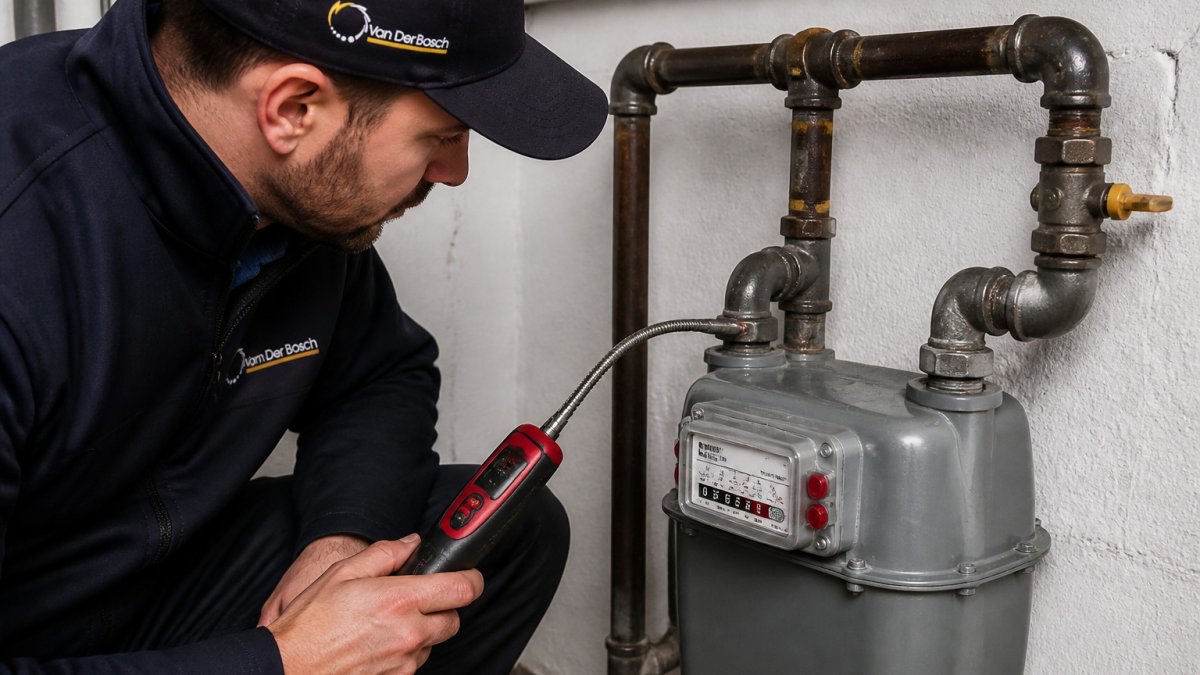
Electronic combustible-gas detectors can find leaks that are not obvious from smell or sight. Pressure testing is another common method, where the system is pressurized and monitored for drops that indicate leakage. Each method has limits, so a combination of checks is often used to locate a leak accurately. Our guide to how gas leak detection works explains the signs, tools, and professional testing involved before you decide whom to call.
Gas Line Repair, Verification, and Safe Relighting
Repairs may involve replacing a damaged section of pipe, correcting an improper connection, or replacing a failed fitting. The work should be code-compliant and performed by a licensed professional.
After any repair, the system should be tested again to confirm it holds pressure and shows no leaks. Relighting appliances should happen only after this verification is complete. Homeowners should never light pilot lights or restore gas flow themselves after a leak.
Booking Your Gas Line Inspection With VanDerBosch
If you suspect a gas leak, call the gas utility first for emergencies. Once the situation is safe, VanDerBosch Plumbing Inc. can inspect gas piping, locate the source of a leak, and handle gas line repair and installation for residential and light commercial properties. Our licensed technicians can also help you understand which repairs are needed and what testing will be done before the system is returned to service.
If a leak turns out to be tied to a water heater or boiler, our water heater repair and installation team can assess the appliance and its gas connection together.
Contact VanDerBosch Plumbing Inc. today to schedule a gas line inspection and get your home or business checked by a professional.
Frequently Asked Questions
Is my gas pipe leaking?
A gas pipe may be leaking if you notice the rotten egg odor utilities add to natural gas, a hissing sound near a gas line, bubbling or standing water near a buried line, or dead or unusually dying plants in an area where nothing else is wrong. Because some leaks give no obvious sign, a professional leak test is the only reliable way to confirm one. If you have any doubt, leave the building and contact your gas utility or a licensed plumber.
Is it free to get a gas leak checked?
Whether a leak check is free depends on who performs it. Gas utilities often respond to suspected leaks, and policies on charges differ by provider, so ask your utility what it covers. A licensed plumber’s diagnostic and repair work is billed separately, and the cost depends on the location of the leak, accessibility, and the extent of repairs. Call your gas utility first to find out what it covers in your situation.
Can a plumber find and repair a gas leak?
Yes. A licensed plumber can use gas detection equipment and pressure testing to locate a leak, then repair or replace the damaged section of pipe, fittings, or connections. Repairs must be done to code and tested before gas service is restored. Plumbers do not replace utility-owned lines or meters, so the responsibility for those components falls to the gas utility. If the leak is active or you smell gas, leave the building first and call for help from outside.
