
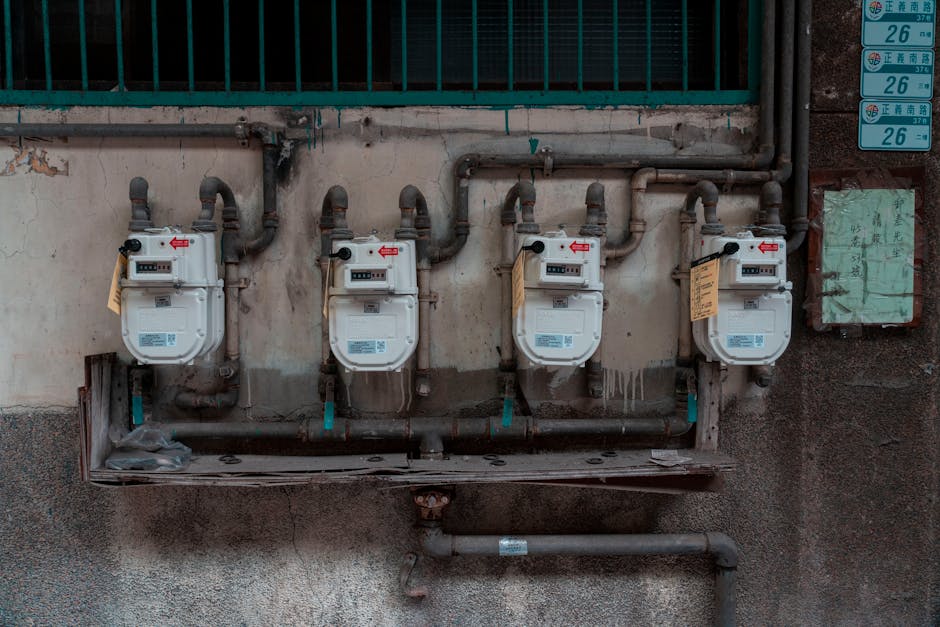
Why Gas Leak Detection Could Save Your Life
Gas leak detection is the process of identifying dangerous natural gas escaping from pipes, appliances, or connections in your home or business. Here’s a quick overview of what you need to know:
- Smell it? Natural gas is odorless by nature, but utility companies add a chemical called mercaptan that smells like rotten eggs or sulfur.
- Hear it? A hissing or whistling sound near a gas line or appliance is a serious warning sign.
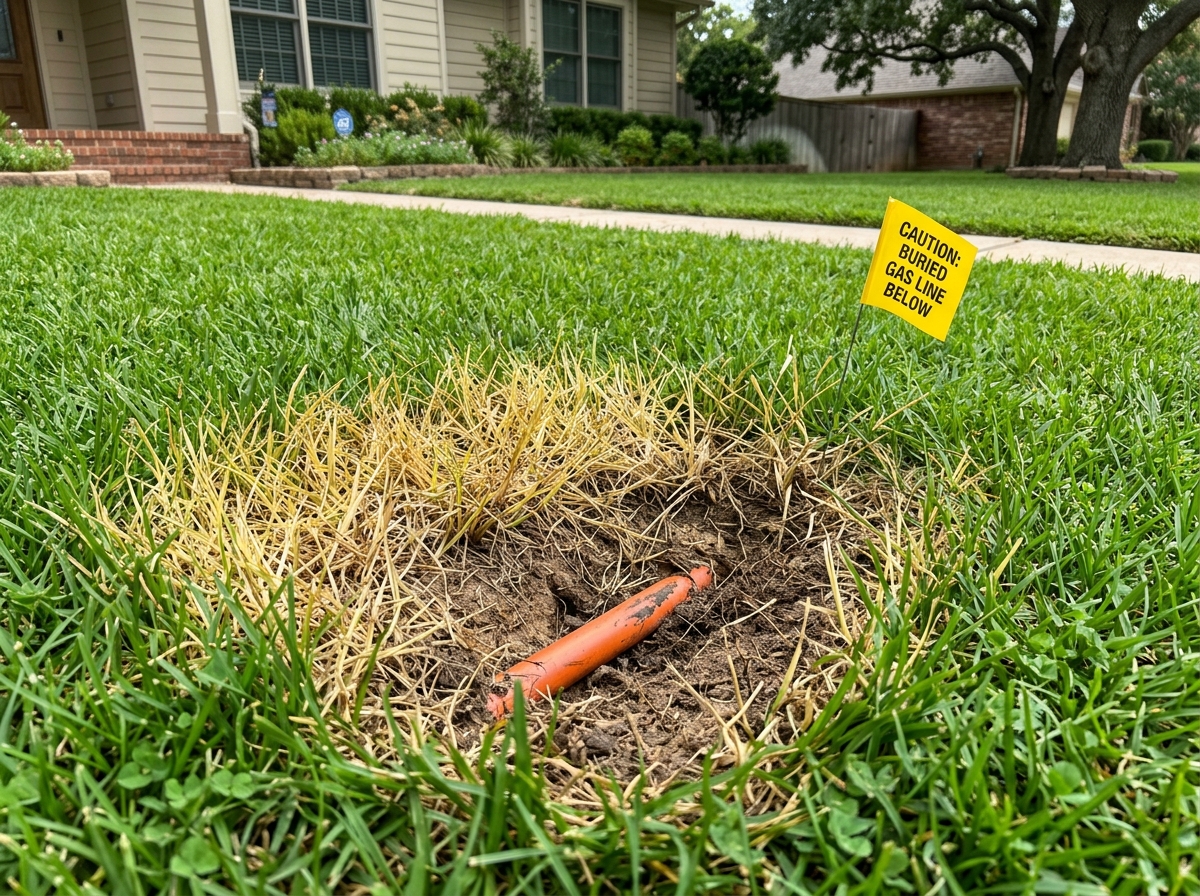
- See it? Dead vegetation, bubbling water, or blowing dirt near a gas line can indicate an underground leak.
- Feel it? Headaches, dizziness, or nausea indoors with no clear cause may signal gas exposure.
- Suspected leak? Evacuate immediately, then call 911 and your gas utility from a safe distance.
Over 189 million Americans use natural gas in their homes. It’s one of the cleanest fossil fuels available — but when a line is damaged or an appliance fails, the results can be deadly. Most leaks come from faulty appliances or accidentally ruptured lines, and many go undetected far longer than they should.
Knowing how to spot, test for, and respond to a gas leak is one of the most important safety skills a homeowner can have.
I’m Hugh Hodur, President of VanDerBosch Plumbing Inc., and through years of leading residential and commercial plumbing services across Chicagoland, gas leak detection and gas line safety have been a core part of what our team handles every day. Read on for everything you need to know to protect your home and family.

Recognizing the Signs of a Natural Gas Leak
Natural gas is a fantastic, clean-burning energy source, but it is naturally colorless and odorless. To make it safer for the 189 million Americans who use it, utility companies inject a chemical called mercaptan. This additive is what gives the gas its “personality”—specifically, a pungent, unmistakable rotten eggs or sulfur odor. If you catch a whiff of this in your kitchen or basement, your nose is giving you a life-saving heads-up.
However, smell isn’t the only way to identify a problem. You should also “listen” and “look” for physical clues. A damaged pipe or a loose fitting often emits a distinct hissing or whistling sound. If the leak is occurring underground, you might notice blowing dirt in your yard or bubbles in standing water or mud after a rainstorm.
One of the most subtle signs of a leak is “unexplained” landscaping issues. Natural gas displaces oxygen in the soil, which can lead to patches of dead vegetation or yellowish grass even when you’ve been watering regularly. If you see a patch of brown grass in an otherwise green lawn right above where your gas line runs, it’s time to pay attention. According to Natural Gas Leaks | SoCalGas, these visual cues are just as important as the smell.
Physical Symptoms of Exposure
Sometimes, the house doesn’t show signs, but your body does. Because natural gas displaces oxygen, being in a room with a leak can lead to physical distress. Common symptoms of exposure include:
- Persistent headaches
- Dizziness or lightheadedness
- Unusual fatigue or drowsiness
- Nausea
- Chest pains or difficulty breathing
In extreme cases, high concentrations can lead to a loss of consciousness. If you find that these symptoms disappear when you leave the house but return shortly after you come home, you may be dealing with a slow leak. Residents in areas like Niles should be aware that local authorities often provide Carbon Monoxide & Natural Gas Testing | Niles, IL to help identify these invisible threats.
Monitoring Appliance Performance and Gas Usage
Your appliances are often the first place a leak begins. We recommend keeping a close eye on your stove flames. A healthy burner should produce a crisp, steady blue flame. If you see a yellow or orange flame, it indicates improper combustion, which could mean a gas-to-air imbalance or a leak. This is also a major red flag for carbon monoxide production.
You should also keep an eye on your monthly bill. While gas prices fluctuate, a sudden, unexplained usage spike when your habits haven’t changed could indicate a leak located somewhere after the meter. For more tips on maintaining your home’s infrastructure, check out our guide on how to keep a household safe from gas leaks.
Immediate Steps for Suspected Leaks and Safety
If you suspect a gas leak, your priority is simple: Get out. Do not stay to investigate. Do not try to find the source. Do not stop to open every window in the house.
- Evacuate immediately: Ensure everyone, including pets, leaves the building.
- Call for help: Once you are at a safe distance (across the street or further), call 911 or your local gas utility’s emergency line.
- Stay away: Do not re-enter the home until a professional has declared it safe.
Utility companies like NJNG emphasize that you should never assume someone else has called; it is always better to report a suspected leak yourself.
What NEVER to Do During a Suspected Leak
When natural gas fills a room, even the tiniest spark can trigger an explosion. While it’s tempting to try and help, many common actions can be fatal:
- DO NOT flip any light switches or use electrical outlets.
- DO NOT use a telephone or cell phone inside the house.
- DO NOT use a flashlight if it was already off (the click of the switch can create a spark).
- DO NOT start your car if it is in the garage or parked near the house.
- DO NOT smoke or light a match.
- DO NOT attempt to shut off the gas if you have to enter a “gassy” area to do so.
Even static electricity from walking across a carpet can be enough to ignite a high concentration of gas. “Smell. Go. Let us know.” is the golden rule.
How to Shut Off the Natural Gas Supply
If you can access your gas meter safely (usually located outside the home) and you have a wrench handy, you can stop the flow of gas to the entire property.
Find the main valve on the pipe coming out of the ground. Using a large wrench, give the valve a quarter-turn until it is in the perpendicular position (crossing the pipe). When the valve is “in line” with the pipe, the gas is on. When it is “across” the pipe, it is off.
As Oklahoma Natural Gas notes, once you turn the gas off at the meter, do not turn it back on yourself. Only a licensed professional or utility technician should restore service after performing a full safety inspection.
Safe Methods for DIY Gas Leak Detection
While professional gas leak detection is the only way to be 100% sure your home is safe, there are a few DIY methods you can use to check connections if you suspect a very minor, non-emergency leak (like a faint smell near a new stove connection).
| Method | Best For | Pros | Cons |
|---|---|---|---|
| Soapy Water Test | Pipe joints and valves | Free, easy, instant | Only works on accessible pipes |
| Electronic Sniffer | Hard-to-reach areas | Very sensitive, portable | Requires batteries and calibration |
| Visual Inspection | Underground lines | Detects outdoor leaks | Won’t find small indoor leaks |
| Professional Test | Whole-home safety | Most accurate, provides peace of mind | Costs money for the service |
The Soapy Water Test
This is the “old school” plumber’s trick. Mix a teaspoon of dish soap with a cup of water. Using a brush or spray bottle, apply the solution to the gas pipe connections, valves, or hoses. If there is a leak, the escaping gas will create bubbles in the soapy film. If you see bubbles growing, you’ve found your leak. This is a common method suggested by Chicago 311 for residents checking their own appliances.
Using Electronic Gas Leak Detection Tools
For a more modern approach, you can purchase a portable sniffer or a residential methane detector. These devices use sensors to identify the chemical signature of combustible gases.
- Placement: Install permanent detectors near gas-burning appliances (like the furnace or water heater) but at least 10 feet away to avoid “nuisance” alarms from normal startup.
- Maintenance: Check the batteries every six months, just like your smoke detectors.
- Professional Grade: Tools like the Panther PRO Gas Leak Detector are used by pros to find leaks in high-interference environments, but consumer-grade versions are available for home use.
Why You Cannot Always Rely on Your Sense of Smell
Relying solely on your nose is dangerous. There is a phenomenon known as odor fade. This happens when the mercaptan odorant is absorbed by new steel pipes, moisture, or even the soil if a leak is underground.
Furthermore, some people suffer from olfactory fatigue, where their nose “gets used” to a smell and stops reporting it to the brain. Others may have a diminished sense of smell due to medical conditions or age. This is why having electronic detectors in your Chicagoland home is a critical backup.
Long-Term Prevention and Maintenance Strategies
Prevention is always cheaper and safer than a middle-of-the-night emergency. The best way to avoid a gas emergency is through regular maintenance.
- Call 811: Before you do any digging in your yard—whether it’s for a new fence or just a mailbox—call 811. They will come out and mark your underground lines for free. Striking a gas line with a shovel or backhoe is one of the most common causes of major leaks.
- Inspect Appliances: Have your furnace and water heater serviced annually.
- Replace Old Connectors: If you have an older stove or dryer, check the flexible brass connectors. Older “corrugated” connectors are prone to cracking and should be replaced with modern, plastic-coated stainless steel versions.
Our team provides comprehensive gas leak detection services in Chicago and beyond to help homeowners identify potential weak points before they become hazards.
Professional Gas Leak Detection and Repair
When you call a licensed plumber for gas leak detection, we don’t just “sniff around.” We use specialized equipment, including:
- Pressure Testing: We can isolate your gas system and apply air pressure to see if the gauge drops, which confirms a leak exists even if it can’t be smelled.
- Electronic Analyzers: These tools can find gas concentrations in parts per billion, locating leaks hidden behind walls or under floors.
- Line Replacement: If a pipe is corroded or damaged, we can perform a gas line repair in Roselle or provide gas leak detection in Edgewater to ensure your home meets current safety codes.
Frequently Asked Questions about Gas Leak Detection
Is a gas leak outside my home dangerous?
Absolutely. While gas dissipates more easily outdoors, an underground leak can travel through the soil and build up inside a basement or crawlspace. It can also create an explosion hazard for the entire neighborhood. If you see dead grass or blowing dirt near the street, call the utility immediately.
What is the difference between a gas detector and a CO alarm?
A carbon monoxide (CO) alarm detects the byproduct of incomplete combustion (poisonous exhaust). A natural gas detector (or methane detector) detects the raw fuel itself. You need both. A CO alarm will not go off if you have a gas leak, and a gas detector won’t help if your furnace is venting exhaust poorly.
Why should I call 811 before any digging project?
In Illinois, it is the law. Calling 811 prevents “line strikes,” which are not only dangerous but can result in massive fines and repair costs for the homeowner. It is a free service that protects the utility infrastructure and your safety.
Conclusion
At VanDerBosch Plumbing Inc., we’ve been the trusted experts for Chicagoland families for decades. Whether you are in Chicago, Roselle, Niles, or Winnetka, we understand the specific needs of our local infrastructure. We offer 24/7 availability because we know that a gas smell doesn’t wait for business hours.
With our 100% satisfaction guarantee, background-checked technicians, and transparent pricing with no hidden service charges, we make it easy to keep your home safe. If you suspect a problem or just want a professional safety inspection, don’t wait. Contact us for professional gas leak detection services today. Your safety is our business.