
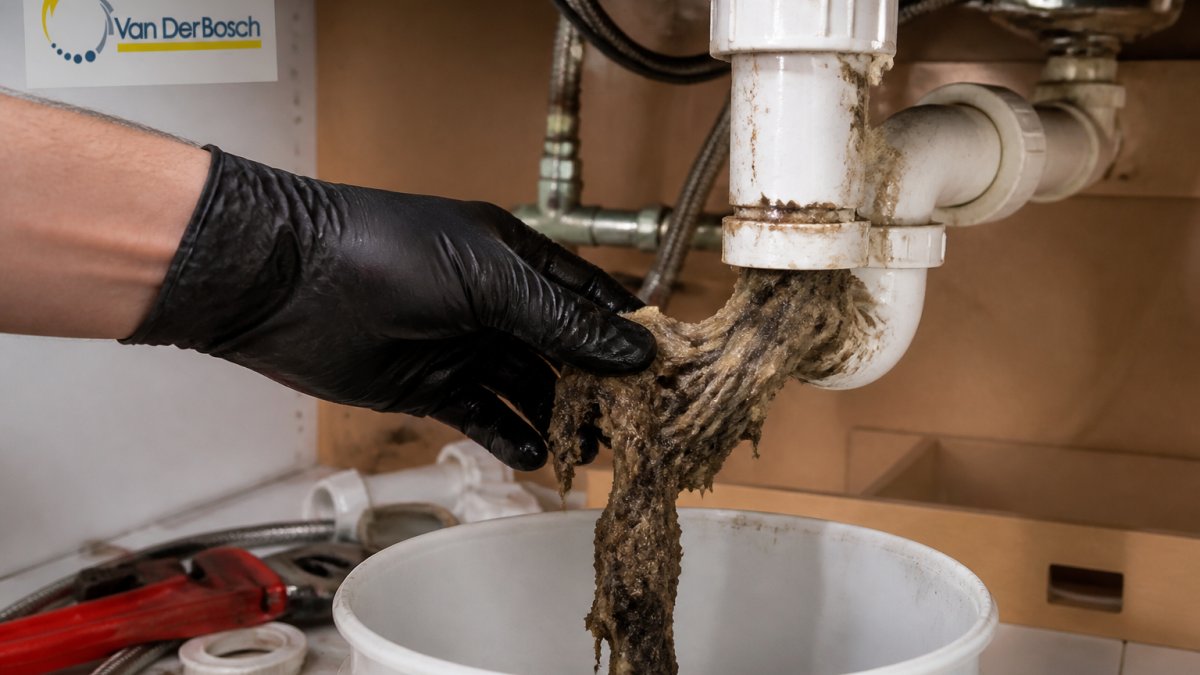
Table of Contents
- Hair Buildup in Bathroom Drains
- Grease, Oil, and Fat in Kitchen Drains
- Soap Scum and Mineral Buildup
- Food Waste and Foreign Objects
- Why Drains Keep Clogging: Recurring Problems
- Main Sewer Line Clog Symptoms
- How to Prevent Clogged Drains
- When to Call for Professional Drain Cleaning
- Frequently Asked Questions
Last Updated: October 10, 2026
Hair Buildup in Bathroom Drains
Hair is the most common cause of clogged drains in bathrooms. It collects in the drain pipe, traps other debris, and creates a blockage that slows water flow or stops it completely.
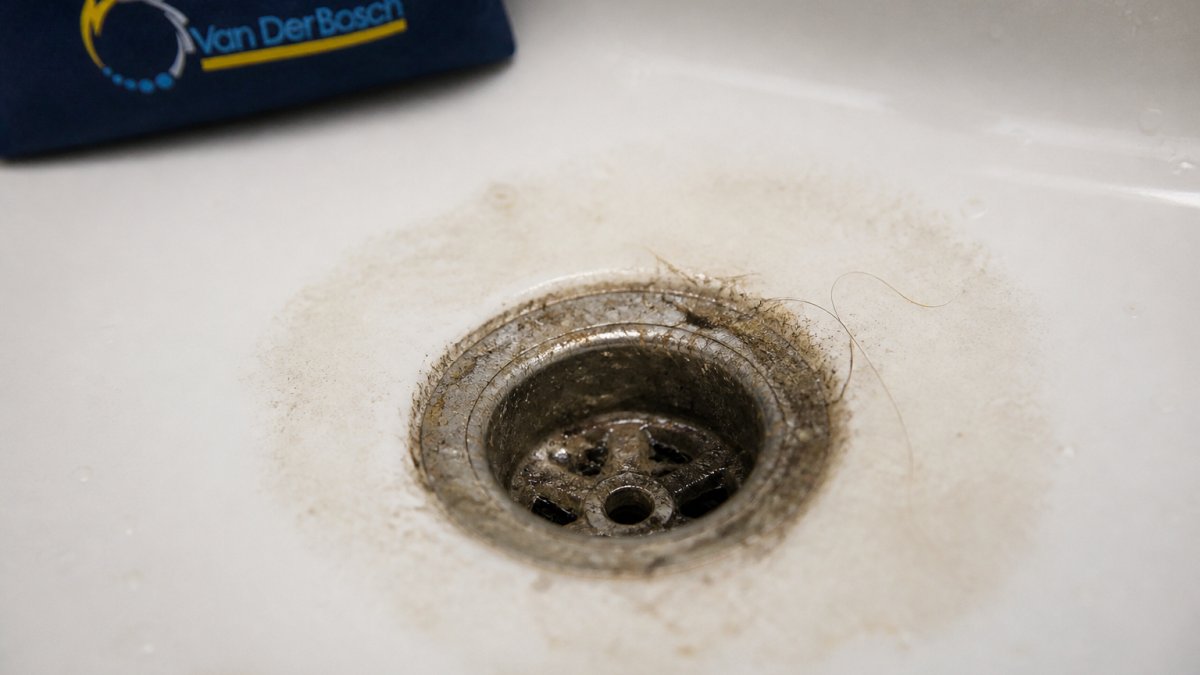
Hair doesn’t dissolve in water. When it enters the drain, it tangles with itself and catches soap scum, creating a mat-like barrier inside the pipe. Over time, this barrier gets thicker and traps more material.
You can prevent much of this by using a simple drain screen. These inexpensive covers catch hair before it enters the pipe. Empty the screen regularly. It takes seconds and prevents hours of trouble later.
Install drain screens in every bathroom sink, shower, and tub. Check them weekly during heavy-use seasons. This single step stops most hair-related clogs before they start.
Grease, Oil, and Fat in Kitchen Drains
Grease is the second leading cause of drain blockages, especially in kitchen sinks. Unlike hair, grease doesn’t stay liquid in your pipes.
When hot grease goes down the drain, it flows easily. As it cools, it solidifies and sticks to the pipe walls. More grease builds up over time until the pipe narrows to a trickle.
Never pour cooking oil, bacon grease, or leftover fat down the drain. Let it cool and harden in the pan, then throw it in the trash. If you’ve already poured grease down the drain, wipe the pan with a paper towel before washing it.
For drains that already have grease buildup, hot water alone won’t solve it. The grease has already hardened. Professional drain cleaning removes the blockage safely and thoroughly.
Pouring grease down the drain creates blockages that worsen over time. It also causes problems in the municipal sewer system. Dispose of grease in the trash, not the drain.
Soap Scum and Mineral Buildup
Soap doesn’t rinse away completely. It leaves a residue that builds up on pipe walls over time. Hard water makes this worse because minerals in the water combine with soap to form a stubborn, scale-like coating.
This buildup is especially common in older homes with mineral-heavy water. The combination of soap scum and mineral deposits narrows the pipe opening gradually. Drains become slower and slower until they stop working.
How to Identify Soap and Mineral Buildup
Soap and mineral clogs have distinct characteristics:
- Slow drainage that develops gradually, The drain works fine for months, then gets progressively slower. This differs from a sudden blockage caused by hair or food.
- Affects multiple fixtures equally, If your bathroom sink, shower, and tub all drain slowly at the same time, mineral buildup is likely. A single-fixture clog usually points to hair or debris in that drain only.
- Hard water signs, If your water feels slippery, leaves white spots on dishes, or causes soap to lather poorly, you have hard water. This accelerates mineral and soap accumulation.
- Visible white or tan deposits, In some cases, you can see crusty buildup around faucet aerators or inside drain openings.
Why Hot Water and Drain Cleaners May Not Work
Once soap and minerals have hardened on pipe walls, hot water alone won’t dissolve them. Chemical drain cleaners designed for hair or grease clogs may not break down mineral scale effectively. Some products can damage older pipes or create safety hazards if used repeatedly.
Mineral buildup requires mechanical removal or specialized cleaning methods. Professional hydro jetting uses high-pressure water to blast away the scale without chemicals or pipe damage. A sewer camera inspection can confirm whether buildup is the actual cause before treatment begins.
Prevention and Long-Term Solutions
You can slow soap and mineral accumulation by using less soap, most people use far more than necessary. However, prevention alone won’t eliminate existing buildup in your pipes.
For homes with hard water, a water filtration system reduces minerals entering your plumbing system and can help prevent future buildup. But it won’t reverse damage that’s already occurred inside your pipes.
If slow drains are a recurring problem in your home, professional inspection is the most reliable way to confirm the cause. Once you know what’s causing the slowdown, you can choose the right solution, whether that’s a one-time professional cleaning, a water treatment system, or both.
Food Waste and Foreign Objects
Food waste and non-flushable items cause blockages that are often harder to clear than hair or grease because they don’t dissolve and can lodge deep in the pipe system.
Food Waste in Kitchen Drains
Even small bits of food accumulate and combine with grease and soap to form blockages. Garbage disposals help by breaking food into smaller pieces, but the pieces still travel through your pipes. They collect in bends, low spots, and where pipes narrow.
Common culprits include:
- Coffee grounds
- Vegetable peels and scraps
- Pasta and rice
- Bones and meat scraps
- Eggshells
- Fruit pulp
The safest approach is to scrape plates into the trash before rinsing them. If you use a garbage disposal, run cold water (not hot) while grinding and for 15 seconds after to flush debris through the system. Hot water can soften grease, causing it to stick to pipes farther downstream.
Non-Flushable Items in Toilets
Toilets are designed for toilet paper and human waste only. Everything else should go in the trash. Items that don’t break down in water get stuck and trap other debris, creating blockages that are difficult to clear without professional equipment.
Never flush:
- Dental floss
- Feminine hygiene products
- Cat litter (even “flushable” varieties)
- Paper towels
- Cotton swabs and cotton balls
- Wipes (even those labeled “flushable”)
- Hair ties and rubber bands
- Bandages and medical tape
- Diapers
- Medication
“Flushable” wipes are a common source of confusion. Despite marketing claims, they don’t break down like toilet paper and frequently cause blockages in home plumbing and municipal sewer systems.
Small Objects and Accidental Flushes
Small objects, toys, coins, hair clips, or items dropped accidentally, can lodge in the toilet trap or farther down the drain. A plunger may dislodge them, but if the object is stuck or has traveled deeper, professional removal is necessary.
Do not use a plumbing snake on an object you cannot see. You risk pushing it farther into the system or puncturing the pipe. If plunging doesn’t work, call a licensed plumber. A sewer camera can locate the object and determine the safest removal method.
When to Call a Professional
If a clog caused by food or foreign objects doesn’t clear with a plunger, professional help is needed. Signs that professional service is appropriate include:
- The plunger doesn’t clear the blockage after several attempts
- Water backs up into other fixtures
- You suspect a small object is stuck but can’t retrieve it
- The clog keeps returning in the same location
- You smell sewage or notice water pooling
A licensed plumber can use a drain snake, hydro jetting, or sewer camera inspection to safely remove the blockage and confirm there’s no additional damage to the pipe.
Why Drains Keep Clogging: Recurring Problems
If one drain keeps clogging every few months, the problem might be specific to that fixture. Tree roots, mineral deposits, or a bend in the pipe can cause recurring issues in the same location.
If multiple drains clog at the same time, the problem is likely farther down the system. The main drain or sewer line may be blocked. This requires professional diagnosis.
According to the American Society of Plumbing Engineers, recurring clogs in multiple fixtures often signal a main line issue. A sewer video inspection can show exactly where the blockage is and what’s causing it.
Recurring clogs get worse over time. Each blockage puts pressure on the pipes and can cause damage. What starts as a slow drain becomes a complete backup if left untreated.
Main Sewer Line Clog Symptoms
A main sewer line clog affects your entire plumbing system. Watch for these warning signs:
- Multiple drains backing up at the same time
- Toilets gurgling or draining slowly
- Sewage smell inside or outside your home
- Wet patches in the yard
- Unusually green grass in one area
If you notice these signs, don’t wait. A backed-up sewer line can cause serious damage to your home and property.
Professional inspection is the only way to know for sure. A sewer camera can show the blockage and identify its cause. The cause matters because it determines the best solution. Tree roots, collapsed pipes, and mineral buildup each require different approaches.
Sewage backup is a health hazard. If you suspect a main line clog, contact a licensed plumber immediately. Do not attempt to clear this yourself.
How to Prevent Clogged Drains
Prevention is simpler than dealing with clogs after they happen. Most clogged drains are avoidable with basic habits.
Use drain screens everywhere. They catch hair, food, and debris before they enter the pipes. Empty them weekly.
Don’t pour grease down drains. Let it cool and throw it away. Wipe greasy pans with paper towels before washing.
Use less soap. You need less than you think. Excess soap builds up on pipe walls over time.
Watch what you flush. Toilets are for toilet paper and human waste only. Everything else goes in the trash.
Run hot water regularly. Hot water helps clear soap and minor buildup. Run it for 30 seconds after each use.
Schedule professional maintenance. A licensed plumber can clean your drains professionally before problems start.
| Prevention Method | Frequency | Best For |
|---|---|---|
| Empty drain screens | Weekly | All drains |
| Dispose of grease properly | Every time | Kitchen sinks |
| Run hot water | Daily | All drains |
| Professional drain cleaning | Annually or as needed | Recurring clogs |
When to Call for Professional Drain Cleaning
You can handle minor clogs with a plunger or drain screen. But some situations require professional help.
Call a plumber if:
- The clog doesn’t clear with a plunger
- Multiple drains are backing up
- Water is draining extremely slowly
- You smell sewage
- You see wet patches in your yard
- The clog keeps returning
Professional drain cleaning uses methods that DIY tools can’t match. Hydro jetting uses high-pressure water to blast away buildup and debris. Sewer camera inspection shows exactly what’s causing the problem.
At VanDerBosch Plumbing Inc., we use proven methods to clear drains safely and thoroughly. Our licensed technicians can handle everything from simple blockages to complex main line issues.
Research from the National Association of Home Builders shows that professional drain maintenance prevents costly emergency repairs. One preventive cleaning often saves thousands in damage later.
If you’re dealing with recurring clogs or slow drains, professional inspection identifies the root cause. This beats treating the symptom over and over.
Frequently Asked Questions
What is the most common cause of a clogged drain?
Hair is the leading cause of clogged drains in bathrooms. When hair combines with soap residue and mineral buildup, it forms a dense blockage that slows water drainage. In kitchens, grease and food waste are the primary culprits. Understanding which cause applies to your clogged drain helps determine whether a simple cleaning will solve it or if professional drain cleaning is needed.
Why do my drains keep getting clogged?
Recurring clogs usually signal one of three issues: your household habits are reintroducing the same debris (like regular grease disposal), your drain pipes are deteriorating and trapping debris more easily, or the problem extends deeper into your sewer line. If a single drain clogs repeatedly within weeks, a professional sewer video inspection can identify whether tree roots, pipe damage, or a structural issue is responsible.
How can I tell if a clog is in one drain or the main sewer line?
A single slow drain or blockage usually points to a local issue in that drain pipe. If multiple drains back up simultaneously, or if your toilet backs up when you run the washing machine or shower, the problem likely lies in your main sewer line. Main sewer line clogs may also produce foul odors near drains or in your yard. This distinction determines whether you need simple drain cleaning or a more involved sewer line repair.
Can tree roots or damaged pipes cause recurring drain clogs?
Yes. Tree roots can penetrate older drain pipes, creating blockages and catching debris. Corroded or cracked pipes deteriorate over time and develop rough interior surfaces where buildup accumulates more easily. Both conditions cause recurring clogs that simple drain cleaning cannot permanently fix. A licensed plumber can use a sewer camera to diagnose pipe damage and recommend whether repair or replacement is necessary.
Recurring drain clogs waste your time and money. If you’re tired of plungers and drain screens that don’t work, professional drain cleaning solves the problem permanently. VanDerBosch Plumbing Inc. offers thorough drain cleaning and sewer video inspection to find and fix the real issue. Call today to schedule service and get your drains flowing freely again.