
Last Updated: October 27, 2026
Quick Summary
Preparing for water heater installation means clearing a path and the area around the unit, confirming the new model’s size and fuel type match your home, and asking your installer what they need from you. Shut off water, power, or gas only as described in the guide, and leave immediately if you smell gas.
- Clear a path from the door to the water heater and keep a few feet of open floor in front of the unit.
- Size the new unit using peak-hour demand, including bathrooms, high-flow fixtures, and recovery time.
- Confirm the fuel type and venting or electrical requirements before the appointment.
- Ask who pulls the permit, what it covers, and whether a post-installation inspection is required.
- Plan for hot water to be off for part of the day and for the work area to be noisy.
Table of Contents
- What Preparation Actually Involves Before a Water Heater Installation
- Water Heater Installation Checklist: Tank, Tankless, Gas, and Electric
- Clearing the Installation Area and Checking Access
- Shutting Off Water, Power, and Gas Safely
- What to Expect During Water Heater Installation and How Long It Takes
- Water Heater Replacement Questions to Ask Your Installer
- Booking Your Water Heater Replacement With VanDerBosch Plumbing
- Frequently Asked Questions
What Preparation Actually Involves Before a Water Heater Installation
Good preparation helps you get ready for installation day. You can clear the space and confirm the new unit matches your home’s needs.
Preparation falls into three parts. First, you make the area safe and accessible. Second, you confirm the replacement unit is the right type and size. Third, you know what the installer will need from you on the day.
Plan to clear the space before the installer arrives.
Ask your installer what they need from you in advance.
Water Heater Installation Checklist: Tank, Tankless, Gas, and Electric
Each type of water heater has different preparation needs. Use the checklist for your unit type, and confirm the sizing and fuel items with your installer before the appointment.
Sizing and household demand
Before you compare models, estimate what your household actually uses. A few practical inputs help:
- Peak-hour demand. Count showers, dishwasher cycles, and laundry loads that could overlap in the busiest hour of the day. A tank’s first-hour rating and a tankless unit’s flow capacity are both measured against that peak, not against average use.
- Number of bathrooms. Two or more full bathrooms in simultaneous use usually push toward a larger tank or a higher-capacity tankless unit.
- Fixtures with high flow. Multiple showerheads, a soaking tub, or a body-spray system raise demand quickly.
- Recovery time. A tank’s recovery rate determines how fast hot water returns after a heavy draw. A unit that is the right size but slow to recover will still run cold during back-to-back showers.
Bring these numbers to your installer.
Tank water heater checklist
- Confirm the new tank’s capacity and first-hour rating match your peak demand, not just the old unit’s gallonage
- Confirm the fuel type (natural gas, propane, or electric) matches what the home supplies
- Check that there is room to drain the old tank into a floor drain, utility sink, or bucket
- Note the location of the cold water shutoff valve and the gas valve or electrical breaker
- Confirm the tank’s dimensions fit the space, including clearance for the flue or vent on gas models
Tankless water heater checklist
- Confirm the unit’s maximum flow rate against your peak simultaneous demand
- Confirm the required gas line size (gas models) or electrical capacity and breaker size (electric models), tankless units often need larger supply lines than the tank they replace
- Check wall space for mounting, plus clearance for venting and future service access
- Ask whether the existing vent material is compatible or must be replaced; many tankless units require specific venting that a tank’s flue does not provide
- Confirm the unit’s minimum and maximum incoming water temperature range suits your climate and incoming water. If you are weighing this option, our Tankless Water Heater Installation service covers the unit types we install.
Gas water heater checklist
- Clear the area around the gas valve and flue
- Confirm the space has adequate combustion air; a utility closet with a solid door may not
- Check that the flue is intact and properly sized for the new unit
- Note any sediment trap or shutoff valve the installer will need to access
Electric water heater checklist
- Confirm the circuit breaker and wire size match the new unit’s requirements
- Keep the electrical panel and breaker accessible
- Confirm the unit is properly grounded and that the circuit has the correct protection
Gas connections, gas line resizing, venting changes, and electrical work should always be handled by a licensed professional. Do not attempt to modify gas piping, flues, or electrical circuits yourself, these are the areas where preparation mistakes become safety hazards.
If you are unsure which unit type fits your home, review our tank vs. tankless water heater comparison or ask your installer to walk through the sizing math with you before you commit.
Clearing the Installation Area and Checking Access
Clear a path from the front door or garage to the water heater before the appointment. Move stored items, laundry, and tools away from the unit.
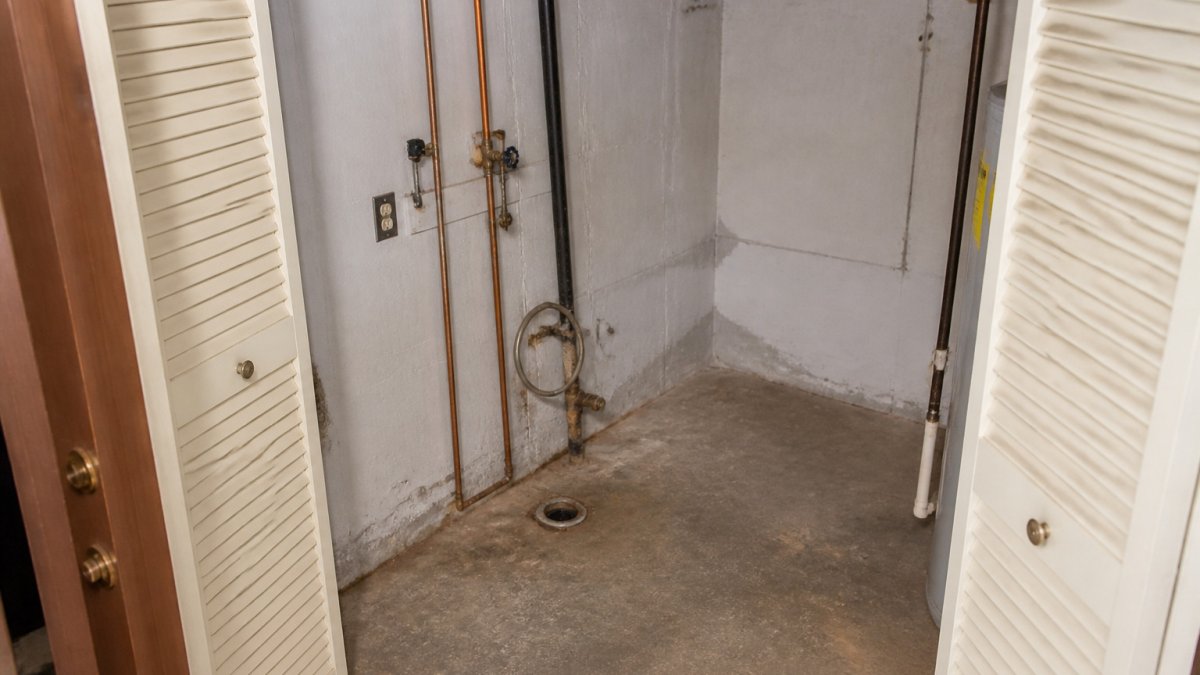
Check the space around the water heater. Look for the following:
- At least a few feet of open floor in front of the unit
- Clear access to the water supply, gas, and electrical connections
- A floor drain or bucket nearby for draining the old tank
- Good ventilation and no stored chemicals or flammable items nearby
A cleared utility closet beside a basement wall, with the old water heater’s connections and floor space visible and nothing stored in front of it, is the goal. For more on keeping the unit area in good shape through cold months, see how to maintain your water heater in winter.
Check access from the door to the unit too. Measure the doorways if your new unit is large.
Shutting Off Water, Power, and Gas Safely
Do not attempt to shut off utilities if you smell gas. Leave the home and call your gas company or emergency services from outside. If you suspect a gas leak, your first priority is getting everyone out safely.
Water:
- Locate the cold water supply valve on the pipe feeding the water heater
- Turn it clockwise until it stops
- Open a hot water tap in the house to relieve pressure
Power (electric units):
- Find the water heater’s breaker in your electrical panel
- Switch it to the off position
- Confirm power is off before touching any wires
Gas (gas units):
- Turn the gas control valve on the unit to “Pilot” or “Off”
- Do not adjust the gas line fittings yourself
What to Expect During Water Heater Installation and How Long It Takes
Most replacements take a few hours. Tank swaps are usually quicker than tankless installs, which may need new gas lines or venting. The exact time depends on the unit type, access, and any updates needed to the home.
A typical visit includes these stages:
- Shutting off utilities and draining the old tank
- Disconnecting and removing the old unit
- Setting the new unit in place
- Connecting water, gas or electric, and venting
- Turning utilities back on and testing for leaks and proper operation
- Walking you through the new unit and any maintenance steps
Keep pets and children away from the workspace.
The table below summarizes the typical stages of a water heater replacement visit so you can see what happens and in what order.
| Stage | What happens | Note |
|---|---|---|
| Shut off utilities | Water, power, or gas is turned off | Gas leaks: leave and call |
| Drain old tank | Old tank is emptied | Needs a floor drain or bucket |
| Remove old unit | Old unit is disconnected and removed | Tank swaps are usually quicker |
| Set new unit | New unit is placed in position | Check access and doorways beforehand |
| Connect and vent | Water, gas or electric, and venting connected | Tankless may need new lines or venting |
| Restore and test | Utilities restored, leaks and operation checked | Done before the crew leaves |
| Walkthrough | Installer explains the unit and maintenance | Ask questions before they leave |
Water Heater Replacement Questions to Ask Your Installer
Asking the right questions before the appointment helps you avoid surprises on installation day. The list below covers the practical items, permits, scope, disposal, and access, that are easy to overlook until the crew is already at the door.
Permits, code, and inspection planning
Before work begins, confirm:
- Who pulls the permit. In many areas the licensed installer is responsible for obtaining the permit; confirm this in writing so it is not left to chance.
- What the permit covers. A permit may cover the unit replacement, gas line work, venting, and electrical changes, or only part of the job. Ask which items are included.
- Whether an inspection is required. Many jurisdictions require a post-installation inspection before the unit is considered complete. Ask who schedules it and what the homeowner needs to provide access for.
- What code requirements apply to your home. Venting, expansion tanks, drip legs, seismic strapping, and pan/drain requirements vary. Your installer should be able to explain which apply to your unit and location.
- What happens if the inspection finds an issue. Confirm who is responsible for corrections and whether that work is included in the scope.
Ask for the permit and inspection details in writing before the appointment. A clear scope that names the permit, the inspection, and any code upgrades prevents the most common post-installation disputes.
Scope, disposal, and access questions
- What type and size of unit do you recommend for my household, and why?
- Does the new unit need a new gas line, venting, or electrical circuit, and is that included in the scope?
- Will you remove and dispose of the old unit, and is disposal included?
- How will the crew access the installation area, and what do you need me to clear beforehand?
- How long will the installation take, and how long will hot water be unavailable?
- What warranty covers the unit and the labor, and what voids it?
- What maintenance should I do to keep the new unit running well?
Installation-day logistics
A few practical confirmations make the day go smoother:
- Parking and access. Confirm where the crew can park and the route from the door to the unit. Tight stairs, narrow hallways, and basement turns can slow a tank move.
- Floor and surface protection. Ask whether the crew brings floor protection or whether you should clear and cover the path yourself.
- Pets and children. Plan to keep pets and children away from the work area for the duration.
- Utilities. Confirm what the installer needs shut off and whether they will handle it or expect you to.
- Water and power interruptions. Plan for hot water to be off for part of the day and for the work area to be noisy and dusty.
Get clear answers in writing.
Booking Your Water Heater Replacement With VanDerBosch Plumbing
VanDerBosch Plumbing Inc. provides water heater repair and installation services. If you are ready to replace your unit, you can review our Water Heater Repair and Installation services.
If your current unit is older, leaking, or producing inconsistent hot water, you may be weighing repair against replacement. Our water heater repair and replacement guide walks through the decision. For a leak at the base of the tank, our guide to bottom leaks explains the common causes and when to call a professional.
When you are ready to schedule, call VanDerBosch Plumbing Inc. You can also review water heater installation steps and scheduling details before you book.
Frequently Asked Questions
Is it easy to install a water heater?
Water heater installation can involve water, gas, venting, and electrical connections. For help with water heater installation, contact a professional.
Do I need to turn off the water before a water heater is installed?
The water supply needs to be shut off before the water heater is disconnected. Because installation can involve gas or electrical equipment, have a professional handle the work.
What should I clear before a water heater installation?
Clear the path from the entry door to the installation area, along with the floor space around the unit. Remove stored boxes, laundry, tools, and anything stacked near the water heater.
What is the average lifespan of a water heater?
A water heater’s service life depends on its condition and use. When deciding between repair and replacement, consider its age, the severity of the problem, and whether issues keep recurring. A professional can inspect the unit and discuss the appropriate service.
