Last Updated: November 5, 2026
Quick Summary
Residential plumbing maintenance is the planned, recurring inspection and care of a building’s supply lines, drains, fixtures, and water heating equipment. Its goal is to find wear, leaks, and restricted flow before they cause damage or a service interruption. A documented routine lets property managers catch small failures while they are still repairs rather than restorations.
- Inspect fixtures, supply connectors, and shutoff valves, and record which valves work and where each building’s main shutoff is.
- Walk common areas and mechanical rooms monthly, and inspect a rotating sample of units quarterly.
- Complete a full inspection of every unit annually, including drains, water heaters, and any boiler equipment.
- Rank assets by likelihood of failure, consequence of failure, and resident impact to direct limited maintenance time.
- Call a licensed plumber for hidden leaks, recurring backups, suspected sewer damage, water heater or boiler problems, and any gas work.
Table of Contents
- Why Residential Plumbing Maintenance Matters for Rental Portfolios
- Building a Residential Plumbing Maintenance Checklist for Managers
- Setting a Plumbing Inspection Schedule for Rental Properties
- Building a Plumbing Emergency Response Plan for Property Managers
- Understanding Plumbing Maintenance Cost Factors for Rental Properties
- Deciding When to Call a Licensed Plumber Instead of Troubleshooting
- Scheduling Your Next Plumbing Maintenance Visit
- Frequently Asked Questions
Why Residential Plumbing Maintenance Matters for Rental Portfolios
Most plumbing emergencies in rental properties start small.
Preventive maintenance shifts that pattern.
Residential plumbing maintenance is the planned, recurring inspection and care of a building’s supply lines, drains, fixtures, and water heating equipment.
Chicago buildings add their own considerations. Older housing stock often has galvanized supply lines, aging cast-iron drains, and boilers that need seasonal attention, and winter freezing puts exposed piping at risk.
Building a Residential Plumbing Maintenance Checklist for Managers
A usable checklist is specific enough that a staff member or contractor can follow it without guessing. Divide it by system, record what you find, and note the date and unit for every entry so you can spot trends.
Fixtures, Supply Lines, and Shutoff Valves
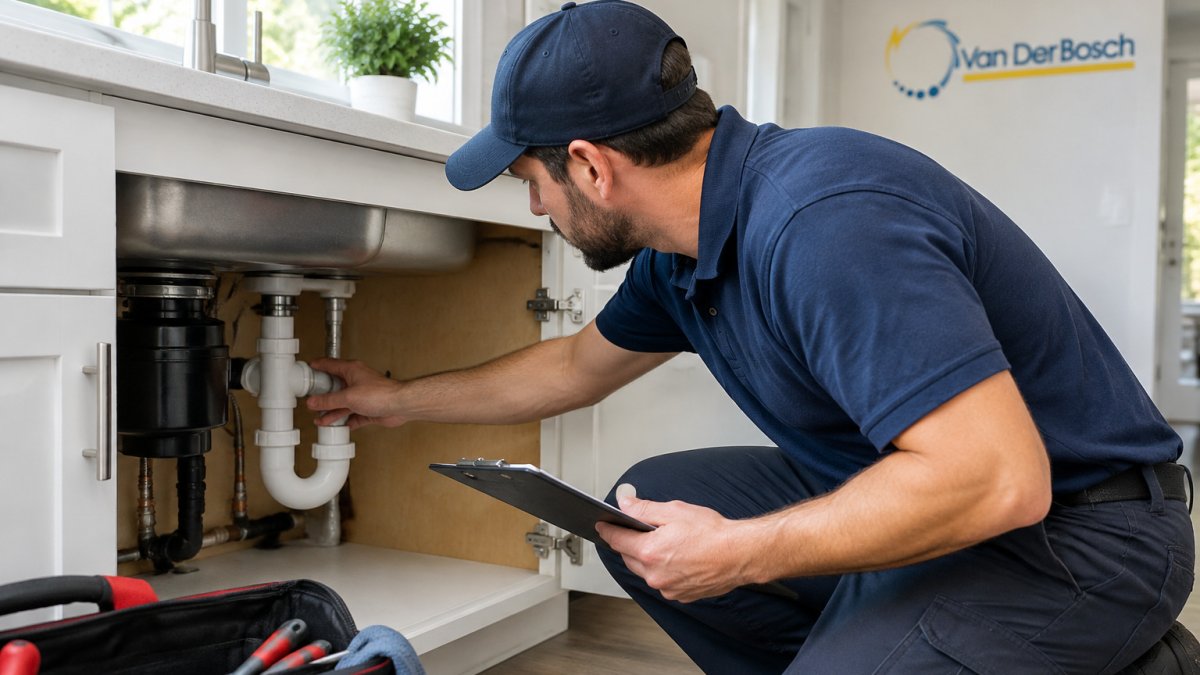
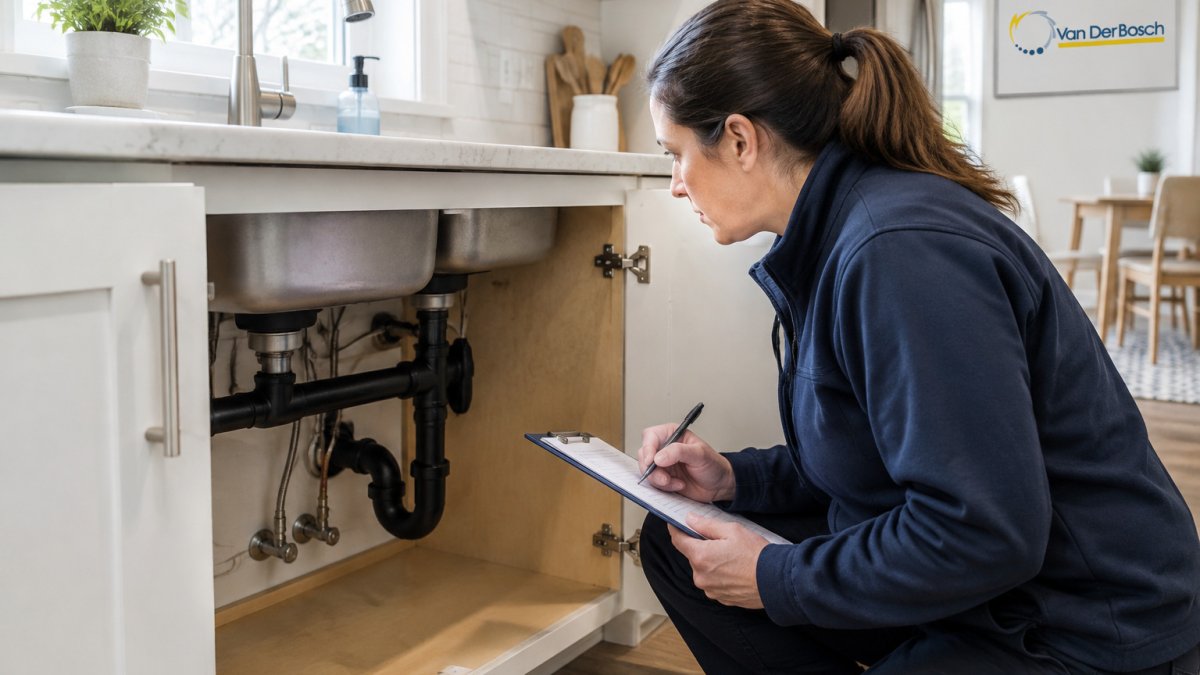
Start with the components tenants touch most often. Check each faucet, toilet, and showerhead for drips, loose handles, and weak flow. Look under every sink for moisture, staining, or corrosion on supply lines and the trap.
Test the shutoff valves as well. A valve that is stuck or hard to turn may not close during an emergency. Record which valves work, which need repair, and where the main water shutoff is for each building, and make sure tenants and on-call staff know its location.
A practical fixture inspection includes:
- Running each faucet and observing flow, temperature, and drainage for at least a minute
- Flushing each toilet and checking the tank fill valve and flapper for leaks
- Inspecting supply lines and connectors for moisture, corrosion, or bulging
Drains, Sewer Lines, and Clog Prevention
Drains are where recurring problems often hide.
Clog prevention is largely a matter of tenant education and sound practices. Post clear guidance about what does not belong in toilets and drains, such as wipes, grease, and feminine hygiene products.
Sewer line problems develop gradually and are easy to miss until they become serious. The warning signs of sewer line failure explain what each one can indicate.
Setting a Plumbing Inspection Schedule for Rental Properties
A single schedule copied across a whole portfolio will be too aggressive for a newer building and too thin for a 1920s walk-up with galvanized supply lines. Set a baseline cadence, then adjust it by building type and by the age and condition of the plumbing system.
Start With a Baseline Cadence
A workable baseline separates routine tasks from periodic deep inspections:
- Monthly: Walk common areas, mechanical rooms, and basements for leaks, staining, and standing water. Review the month’s tenant service requests for patterns by unit or by fixture type.
- Quarterly: Inspect a rotating sample of units for fixture and supply line condition, and exercise shutoff valves in common areas so they do not seize.
- Annually: Complete a full inspection of every unit, including drains, water heaters, and any boiler equipment, and schedule professional service for systems that need it.
- Seasonally: Before winter, check exposed and poorly insulated piping for freeze risk. Before summer, confirm that cooling-related water lines, condensate drains, and floor drains are functioning.
Stagger inspections so staff or contractors are not overloaded in a single week. Keep a shared log recording the date, unit, findings, and follow-up action. Over time, that log becomes your most useful planning tool for budgets and repair-versus-replacement decisions.
Adjust the Schedule by Building Type
Apartment buildings, condominiums, and single-family rentals put stress on plumbing in different ways, so the same cadence does not fit all three.
- Garden-style and mid-rise apartment buildings: Shared risers, common water heaters or boiler systems, and stacked bathrooms mean a leak in one unit can reach several others. Prioritize quarterly checks of shared shutoffs, riser access panels, and common-area mechanical rooms, and inspect units directly above and below any reported leak.
- Condominiums: The association typically owns common elements while owners are responsible for in-unit fixtures, so documentation and clear responsibility boundaries matter. Confirm who is responsible for what before an incident, and keep inspection records that can be shared with the board and unit owners.
- Single-family rentals: There is no shared system to spread risk, but no neighboring unit to notice a slow leak either. Tenant-reported issues are often the only early warning, so make reporting easy and follow up quickly on any water-related complaint.
Adjust the Schedule by Building Age and System Condition
Older housing stock tends to need more frequent attention, but age alone is not the whole story. Condition and repair history matter just as much.
- Pre-war and mid-century buildings: Galvanized supply lines, cast-iron drains, and older boilers are common. These systems tend to fail slowly and then suddenly, so annual full inspections and periodic camera inspection of main drain lines are worth building into the plan.
- Buildings with recent repiping or system replacement: A newer system with a clean record can often move to a lighter inspection cadence, provided the work was documented and the shutoffs are accessible.
- Buildings with a history of repeat failures: Any unit or system that has failed more than once in a short period should move to a higher-frequency watch list until the root cause is addressed.
Rank Assets by Risk, Not by Convenience
When budget or staff time is limited, the schedule should reflect which failures would hurt most, not just which tasks are easiest to complete. A simple risk ranking helps:
- Likelihood of failure: Age, material, prior repairs, and visible condition.
- Consequence of failure: Whether a leak would reach multiple units, a common area, electrical equipment, or stored property.
- Resident impact: Whether the failure would leave units without water, heat, or working drains.
A failing supply line above a lower unit usually deserves more attention than a dripping faucet in an isolated unit, even if the faucet is more visible.
Watch out: A schedule that only tracks completed tasks can hide a building that is quietly deteriorating. Record findings and follow-up actions, not just checkmarks, so the log shows trends rather than activity.
Building a Plumbing Emergency Response Plan for Property Managers
An emergency plan removes guesswork during the worst moment. When a pipe bursts at midnight, nobody should have to search for the shutoff valve or wonder whom to call.
Most guidance stops at “have a plan.” The useful version is a short, repeatable response sequence any on-call staff member or answering service can follow, plus clear escalation rules for genuinely dangerous situations.
The First Fifteen Minutes
A simple sequence works for most water emergencies:
- Stop the water if it is safe to do so. Shut off the unit valve or the building main, depending on where the leak is coming from. Do not reach into standing water near electrical outlets, panels, or appliances.
- Protect people first. Move residents away from the affected area, and keep anyone from walking through water near electrical equipment.
- Call the on-call plumber. Use the prioritized contact list, and give the address, the unit, what is leaking, and whether the water has been shut off.
- Notify the owner and the insurer according to the escalation rules in the plan.
- Document the scene. Photograph and note the time of discovery, the source if known, the area affected, and the actions taken.
Escalation Rules for Dangerous Situations
Some situations are not ordinary maintenance calls and should not be handled by staff. Build explicit rules into the plan so nobody has to decide in the moment.
- Gas odor: Residents and staff should leave the area and call the gas utility or emergency services from outside. Nobody should investigate, light a flame, or operate switches in the affected area.
- Sewage backup or contaminated water: Treat the area as contaminated. Keep residents out, avoid contact with the water, and arrange professional cleanup rather than routine mopping.
- Boiler or heating equipment problems: Do not attempt repairs. Shut down equipment only if the manufacturer’s instructions and the plan say to, and call a licensed technician.
Resident Communication and Access Coordination
A large share of residential management friction comes from communication, not the repair itself. Build templates and procedures into the plan so notices go out quickly and consistently.
- Reporting leaks: Give residents one clear channel to report water problems, and tell them what information to include, such as the unit, the location of the leak, and whether water is actively running.
- Scheduling unit access: Keep a procedure for requesting access, confirming a window, and documenting entry, so inspections and repairs do not stall.
- Water shutoff notices: Have a template ready for planned shutoffs that states the date, the time window, which units are affected, and what residents should do beforehand.
Documentation and Restoration Coordination
Good records support insurance claims and future planning. Photograph damage before cleanup, save receipts and invoices, and record the time of discovery and response. If restoration is needed, coordinate it with the plumber’s repair schedule so drying and repairs do not conflict.
Review the plan at least once a year and after any significant incident. VanDerBosch Plumbing Inc. works with residential and light commercial property managers on planned maintenance and emergency plumbing service, including burst pipe and water leak response and sump pump service for basement water issues.
Understanding Plumbing Maintenance Cost Factors for Rental Properties
Maintenance costs vary widely, and the reasons are more useful to understand than any single figure.
A leaking faucet cartridge in an accessible vanity is a small job.
Diagnostic work is a cost factor managers sometimes overlook.
When budgeting, track your own history. Record what each repair cost, how often the same component fails, and what the result was.
The table below summarises the main drivers of plumbing maintenance cost that the article describes, so you can judge a quote against them.
| Cost factor | Why it matters | Effect on cost |
|---|---|---|
| Location of the problem | Accessible fixtures are simpler to repair | Hidden leaks cost more |
| Piping accessibility | Walls, slabs and risers need opening | Adds time and finish repairs |
| Materials and age | Older fittings are harder to replace | Adds time and materials |
| Extent of damage | Wider damage needs more work | Raises the total bill |
| Number of units affected | Shared systems spread the impact | Multi-unit problems cost more overall |
| Diagnostic testing | Video or pressure tests find root causes | Adds upfront cost, often avoids repeats |
| Repair history | Repeat failures signal replacement | Helps compare repair against replacement |
Deciding When to Call a Licensed Plumber Instead of Troubleshooting
Some tasks suit a maintenance staff member: checking for visible leaks, clearing a simple tenant-caused clog with a plunger, or replacing a showerhead. Other situations call for a licensed professional right away.
Call a licensed plumber when you see signs of hidden leaks, such as unexplained water bills, soft flooring, or staining on ceilings and walls. A sewer video inspection in Roselle shows the condition of the line directly.
Do not attempt repairs on pressurized systems, gas equipment, or electrical components. Mistakes in these areas can cause serious injury or property loss and can complicate insurance claims.
Establishing a relationship with a plumbing contractor before you need one pays off. VanDerBosch Plumbing Inc. provides residential and light commercial plumbing across the Chicagoland area, including water heater repair and installation and drain cleaning.
Scheduling Your Next Plumbing Maintenance Visit
Consistency is what turns a maintenance plan into a useful one. Build your checklist, set your inspection calendar, document your emergency plan, and assign responsibility for each task. Then review the results every quarter and adjust.
If your portfolio has recurring drain problems, start with drain cleaning and a sewer line camera inspection so you understand the root cause before you plan repairs.
Frequently Asked Questions
What should a residential plumbing maintenance checklist include?
A useful checklist covers the visible and accessible parts of the system: faucets, toilets, shutoff valves, supply lines, water heater condition, drain performance, and any exposed pipes in basements or crawl spaces. Managers should note leaks, staining, slow drains, unusual water pressure changes, and running toilets. Recording the date, unit, and findings for each item builds a service history that makes recurring problems easier to spot and helps any licensed plumber who is called later understand what has already been checked.
How often should plumbing be inspected in a rental property?
Many managers combine a routine visual inspection on a regular cycle with more detailed checks on older buildings or systems that have a history of trouble. Units with frequent tenant turnover benefit from an inspection between occupants. Water heaters, sump pumps, and sewer lines are often checked on a separate schedule because their failure modes differ. The right interval depends on building age, system type, and how often problems have been reported.
When should a property manager call a plumber instead of troubleshooting?
Call a licensed plumber whenever the problem involves gas, sewer backups affecting multiple units, active leaks inside walls or ceilings, boilers, electrical components near water, or a repair that requires opening pressurized lines. Simple tasks such as replacing a worn faucet cartridge or clearing a single accessible drain may be reasonable for qualified staff, but recurring problems usually need a professional diagnosis to find the underlying cause rather than a repeated temporary fix.
What factors affect the cost of plumbing maintenance for rental properties?
Costs depend on the number and age of units, the type of plumbing system, how accessible the piping is, the frequency of inspections, the condition of fixtures and water heaters, and whether drain or sewer work is needed. Buildings with older cast iron drains or steam boilers often require more specialized attention. Pricing varies with the scope of work; for current pricing, see the VanDerBosch Plumbing Inc. pricing page or request a quote.
