
Table of Contents
- What Is Sewer Pipe Lining and How Does It Work
- Signs of a Damaged Sewer Line
- Sewer Camera Inspection: Diagnosing the Problem
- Sewer Pipe Lining vs. Replacement: Which Is Right for You
- How Long Sewer Pipe Lining Takes
- What to Expect During Sewer Pipe Lining Service
- Getting Started With Professional Sewer Repair
- Frequently Asked Questions
Last Updated: October 15, 2026
What Is Sewer Pipe Lining and How Does It Work
Sewer pipe lining is a trenchless repair method that restores damaged sewer pipes without excavation.
The line is cleaned thoroughly, then a felt tube saturated with epoxy resin is inserted into the damaged section. Water pressure or air inflation hardens the resin, bonding it to the interior walls of the existing pipe.
Sewer pipe lining is useful for older homes where clay or cast iron pipes have deteriorated or roots have penetrated the line, and when access is limited by structures, landscaping, or utilities.
The process eliminates trenching, so there’s no torn-up driveway, landscaping damage, or weeks of disruption.
Signs of a Damaged Sewer Line
Multiple drains backing up at once is the clearest sign the problem lies in the main sewer line rather than a single fixture. If your toilet, shower, and sinks all drain slowly or back up together, especially after heavy rain, the main line likely has a blockage, crack, or break.
Other warning signs include:
- Persistent sewage odors around your yard or basement
- Soggy patches or unusually green spots in your lawn
- Cracks in your foundation or basement walls
- Slow drainage throughout the house that plunger or drain cleaner won’t fix
- Rodent or insect infestations near your home
- Raw sewage surfacing in your yard or basement
Older homes often have sewer problems because original clay tile or cast iron pipes degrade over time. Clay pipes crack and separate at the joints; cast iron corrodes from the inside out. Tree roots seek moisture and penetrate even small cracks, eventually blocking the line.
A sewer line problem won’t resolve itself. Ignoring it risks sewage backing into your home or contaminating your foundation. If you notice these signs, professional diagnosis is the next step.
Sewer Camera Inspection: Diagnosing the Problem
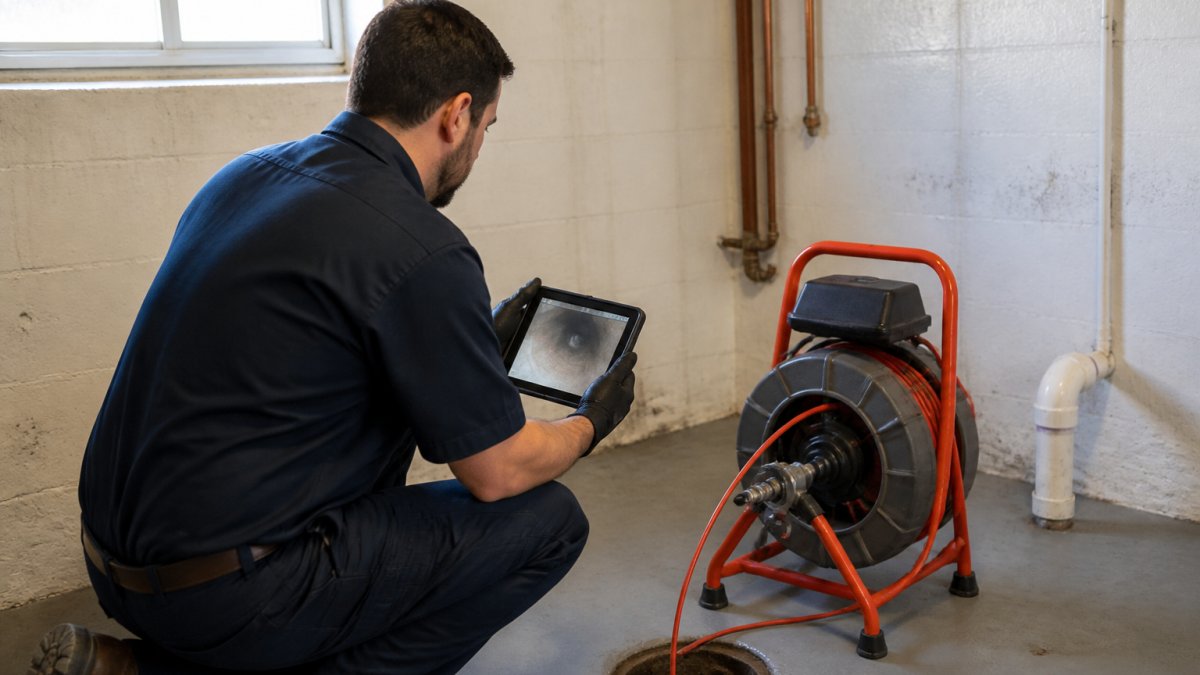
A sewer camera inspection uses a waterproof video camera on a flexible cable to travel through your sewer line and show exactly where the damage is. The technician views real-time footage on a monitor, identifying cracks, breaks, root intrusion, debris buildup, or misaligned joints.
This eliminates guesswork. Instead of digging exploratory holes, you see the actual problem, and the recording becomes a record you can share with contractors or reference for future repairs.
Camera inspection reveals whether sewer pipe lining is viable. If damage is localized to one section, lining works well. If the line has multiple breaks far apart or has collapsed entirely, replacement may be necessary.
Sewer video inspection can give homeowners clarity before recommending a repair method, so you understand the problem and why a solution fits your home.
Sewer Pipe Lining vs. Replacement: Which Is Right for You
Lining builds a new pipe wall inside the existing one; replacement removes the old pipe and installs a new one. The right choice depends on the host pipe’s condition, how much of the line is damaged, and what sits above it.
Sewer pipe lining works best when:
- Damage is confined to one or two sections of the line
- The pipe has cracks, small breaks, or root penetration but hasn’t collapsed
- Digging would damage driveways, patios, or landscaping
- The existing pipe is still structurally sound enough to support a lining
- You want to avoid weeks of yard excavation
Sewer line replacement may be necessary if:
- The pipe has collapsed or is severely fractured throughout its length
- Multiple sections are damaged far apart
- The line is too deteriorated to hold a lining
- The pipe diameter has shifted or the line has sagged significantly
- Previous repairs have failed
Decision Factors to Weigh
- Extent and location of damage. A single cracked section under a driveway is a lining candidate; a line collapsed in three places is not.
- Host pipe condition. Lining needs a pipe that can hold the resin. Crumbling walls or a pipe that has lost its round shape may prevent proper bonding.
- Accessibility. If the line runs under a finished basement floor, a mature tree, or a concrete driveway, trenchless methods usually cause less collateral damage.
- Age and material. Homes built before 1950 often have clay tile sewers; homes from the 1950s through the 1970s typically have cast iron. A camera inspection shows how much life is left.
- Recurring problems. One root intrusion after years of service differs from the same line clogging every spring.
- Long-term reliability. A repair that fails in a few years costs more than a solution sized to the pipe’s actual condition.
What Affects the Cost
No two sewer jobs price the same. Factors include:
- Length and depth of the damaged section
- Accessibility of the cleanout and the line itself
- Whether the yard, driveway, or landscaping must be restored
- Amount of root intrusion or debris to clear first
- Whether additional plumbing components are affected
- Diagnostic work required before choosing a repair method
A camera inspection turns an estimate from a guess into a plan.
How to Compare Sewer Repair Providers
Before you sign anything, ask each contractor:
- Are you licensed and insured? Ask for the license number and a certificate of insurance. A legitimate contractor will provide both without hesitation.
- Will you show me the camera footage? You should see the same video the technician sees, with the damage pointed out on screen.
- What is the written scope of work? It should name the method, the length of pipe being addressed, and what happens if the lining fails to bond.
- What warranty covers the work? Ask what is covered, for how long, and whether it is prorated.
- Who performs the work? Some companies subcontract. Ask who will actually be on site.
- What happens if the problem returns? Get the answer in writing before work starts.
A cheap quote from a contractor who can’t answer these questions isn’t a bargain, it’s a second repair waiting to happen.
If you’re not sure which method fits your line, a sewer video inspection is the starting point. A professional can show homeowners the pipe’s actual condition before recommending lining, replacement, or a targeted repair.
How Long Sewer Pipe Lining Takes
The timeline depends on the length of the damaged section and how accessible the line is.
Here’s a typical sequence:
- Day 1 (morning): Sewer camera inspection to confirm damage location and extent
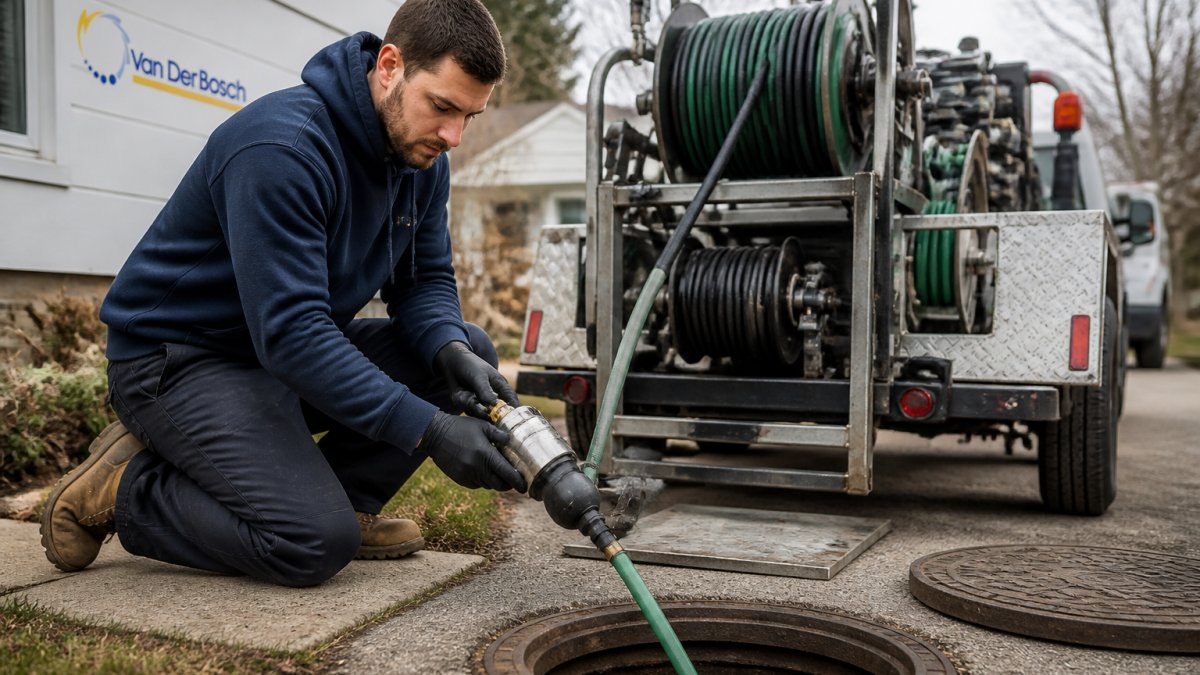
- Day 1 (afternoon): Line cleaning with hydro jetting to remove debris, roots, and buildup
- Day 2: Lining insertion, inflation, and resin curing (curing time varies but typically takes several hours)
- Day 3 (if needed): Final camera inspection to confirm the lining is properly seated and the line is clear
Longer sections or heavy root intrusion take longer because thorough cleaning is essential, resin won’t bond to a dirty pipe. Heavy rain may also delay work if it impacts access. Your plumber will discuss realistic timelines for your situation.
What to Expect During Sewer Pipe Lining Service
Knowing what happens on service day helps, but the days before matter just as much. If your sewer is backing up, what you do before the appointment affects how much damage your home takes.
Before the Crew Arrives: A Safe Triage Checklist
If raw sewage is surfacing in your yard, backing up into your basement, or you smell strong gas, stop and call a licensed plumber or emergency service. Do not enter standing sewage, and do not attempt to open or rod the sewer line yourself.
If the situation is unpleasant but not actively flooding, here is what you can safely do:
- Stop using water. Every flush, shower, and load of laundry pushes more volume into a blocked line. Switch to minimal use until it’s cleared.
- Locate your main water shutoff. Know where it is before you need it so you can stop the supply quickly if a related leak develops.
- Do not pour chemical drain cleaner into the line. Caustic products can damage older pipes, harm technicians, and rarely clear a main-line blockage.
- Do not remove the cleanout cap if sewage is pressurized behind it. A cap that releases under pressure can spray waste. Let a professional open it.
- Document the problem. Photograph backed-up fixtures, water stains, and any sewage in the yard for your plumber, insurer, and future repair decisions.
- Clear access to the cleanout. Move stored items away from the cleanout in your basement, crawl space, or yard so the technician can work without delay.
- Keep pets and children away from affected areas. Sewage carries bacteria (Biological Hazards in Sewage and Wastewater Treatment Plants). Confine them to unaffected parts of the home until cleanup is complete.
On Service Day: What Happens
Before the work begins, a licensed plumber performs a sewer camera inspection to map the damage and confirm lining is appropriate.
The plumber locates your sewer cleanout, usually a capped pipe in your basement, crawl space, or yard, the entry point for the camera and lining equipment.
The line is cleaned thoroughly using hydro jetting or mechanical methods to remove roots, debris, and buildup. A dirty pipe won’t accept the lining properly.
The lining tube is inserted through the cleanout and guided to the damaged section.
Curing time varies by resin type and conditions, typically several hours, during which you shouldn’t use the plumbing in that section.
A final inspection confirms the lining is properly seated and the line is clear.
Homeowners can often remain in their homes during the process, no excavation noise, heavy machinery, or torn-up landscaping.
After the Work: What to Watch For
- Confirm the final camera pass. Ask to see the post-repair footage. It should show a smooth, fully bonded lining with no gaps.
- Keep your paperwork. The written scope, warranty terms, and before-and-after footage belong in your home records.
- Note any change in flow. Drains should run noticeably better. If they don’t, call the contractor before the warranty window closes.
- Schedule a follow-up if recommended. Some lines benefit from re-inspection after a season of use.
If you’re dealing with a backed-up line right now, the safest next step is a professional sewer camera inspection so the pipe’s actual condition is known before any repair method is chosen. VanDerBosch Plumbing Inc. provides sewer video inspection and trenchless repair for homeowners and property managers in the Chicagoland area.
Getting Started With Professional Sewer Repair
If you’ve noticed signs of sewer line damage, multiple backed-up drains, sewage odors, or soggy patches in your yard, the first step is a professional sewer camera inspection. This diagnostic tool shows exactly what’s happening and guides the right repair decision.
VanDerBosch Plumbing Inc. provides sewer video inspection and sewer pipe lining services in the Chicagoland area. Our licensed and insured technicians have over 30 years of experience.
Contact us to schedule a sewer camera inspection. We’re available seven days a week, and we stand behind our work with a 100% satisfaction guarantee. Early diagnosis and repair prevent costly damage to your foundation and home.
A damaged sewer line creates serious problems that spread quickly. Professional sewer pipe lining stops the damage without the disruption of digging. VanDerBosch Plumbing Inc. uses advanced camera inspection and trenchless repair techniques.
Frequently Asked Questions
What is sewer pipe lining, and how does it work?
Sewer pipe lining is a trenchless repair method that installs a new pipe inside your existing damaged sewer line without excavation. A resin-coated tube is inserted into the damaged pipe, then inflated or cured to form a durable seal against the interior walls. This creates a new pipe within the old one, restoring function and preventing leaks and root intrusion. It’s faster and less disruptive than traditional replacement.
How can I tell if my sewer line may need lining?
Multiple drains backing up simultaneously, persistent sewage odors near your foundation, patches of unusually lush grass in your yard, or frequent toilet clogs despite cleaning may indicate sewer line damage. A professional sewer camera inspection is the only way to confirm the problem and determine whether lining is appropriate for your situation.
Is sewer pipe lining better than replacing a sewer line?
Sewer pipe lining is often preferred when damage is localized and the pipe structure is still sound. It avoids excavation, reduces disruption to your property, and is typically faster. However, full replacement may be necessary if the pipe is severely collapsed, has multiple sections of damage, or if the pipe material is deteriorating throughout. A sewer camera inspection helps determine which option is right for your line.
How long does sewer pipe lining take?
The timeline for sewer pipe lining depends on the length of the damaged section and the specific lining method used. The process includes camera inspection, pipe cleaning, and the lining installation itself. Some methods require curing time before the line is fully operational. Your plumber can provide a more specific timeline after evaluating your particular situation.