
Why Your Chicago Home Needs a Reliable Sump Pump
Emergency sump pump repair in Chicago services are critical when your basement flooding protection fails. If you’re facing a sump pump emergency right now, here’s what you need to know immediately:
Emergency Action Steps:
- Call a 24/7 Chicago plumber – Don’t wait for regular business hours
- Shut off power to the sump pump area if safe to do so
- Remove water manually if possible while waiting for help
- Move valuables to higher ground to prevent damage
- Document the flooding with photos for insurance purposes
Common Emergency Signs:
- Pump won’t turn on during heavy rain
- Strange grinding or gurgling noises
- Water rising in the sump pit despite pump running
- Pump runs continuously without shutting off
- Visible rust or corrosion on the unit
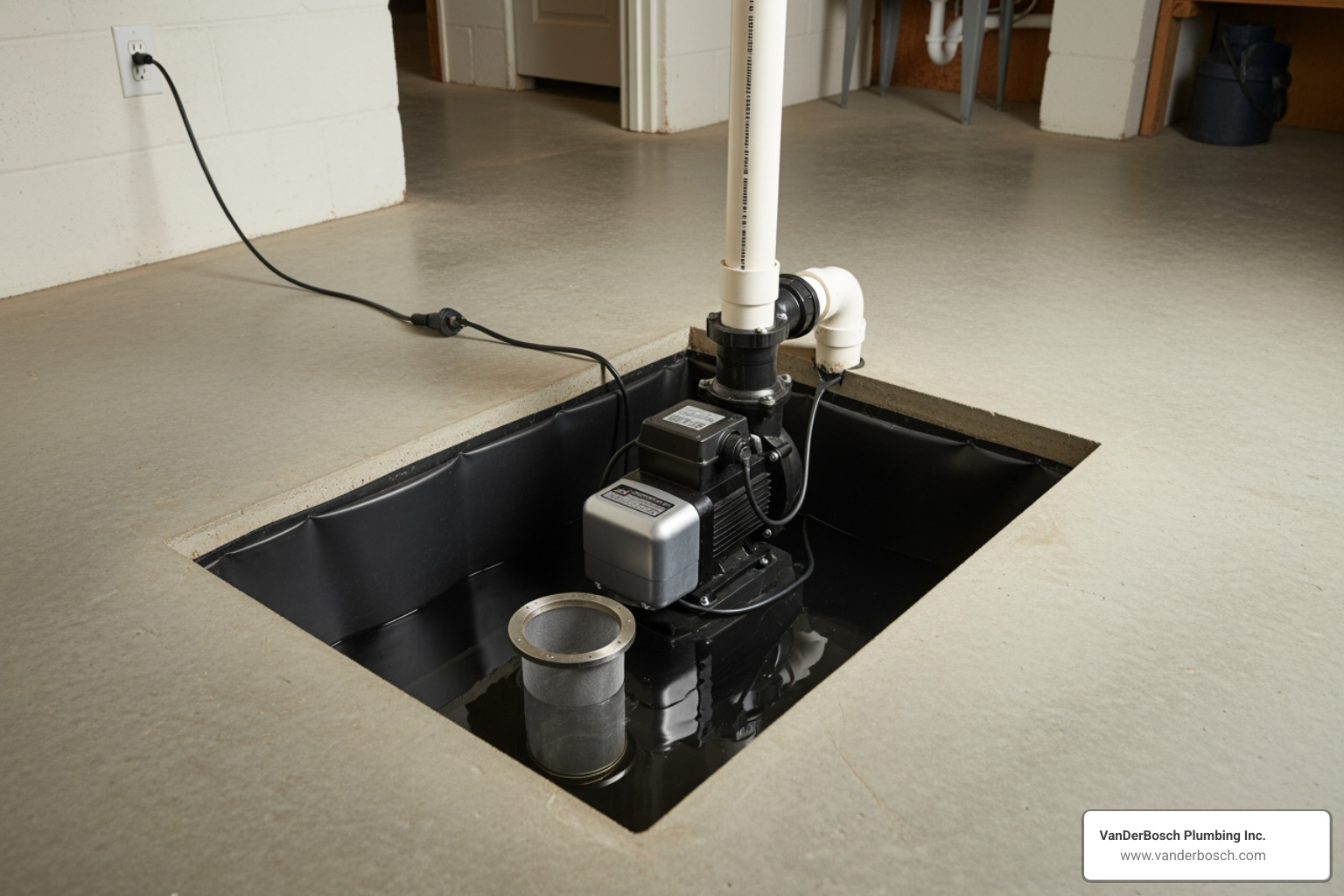
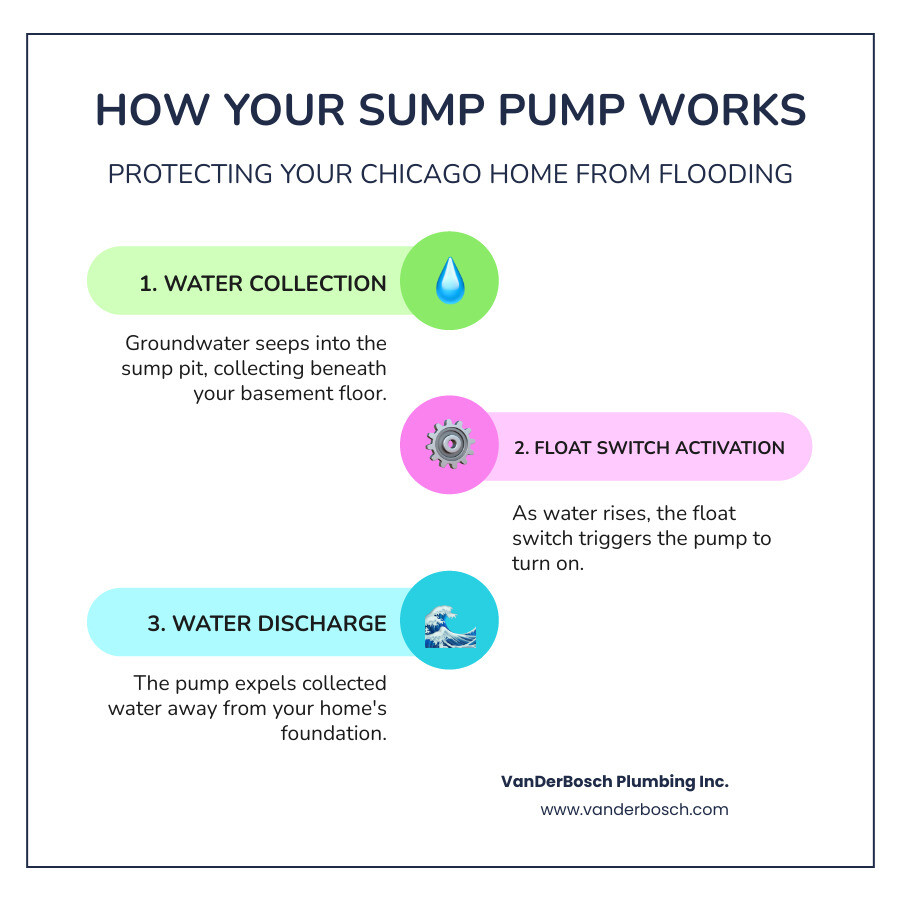
Most Chicago homes have basements, which means sump pumps aren’t just nice to have—they’re essential. These hardworking devices sit in a pit beneath your basement floor, monitoring water levels and pumping excess water away from your foundation. When they work properly, you barely notice them. When they fail, disaster can strike fast.
Heavy rainstorms and melting snow put Chicago basements at constant risk. Your sump pump is your first line of defense against thousands of dollars in water damage. But like any mechanical system, sump pumps can fail—and they often choose the worst possible moment to do it, like during a power outage in the middle of a storm.
Understanding when your sump pump needs emergency repair, what causes failures, and how to respond quickly can save your basement, your belongings, and your peace of mind.
Recognizing the Red Flags: Signs Your Sump Pump Needs Emergency Repair
When your sump pump starts acting up, it’s not just a minor annoyance; it’s a distress signal from your home, warning you of impending water damage. Recognizing these signs early can be the difference between a quick fix and a flooded basement. Here are the most common red flags that indicate you need emergency sump pump repair in Chicago, IL:
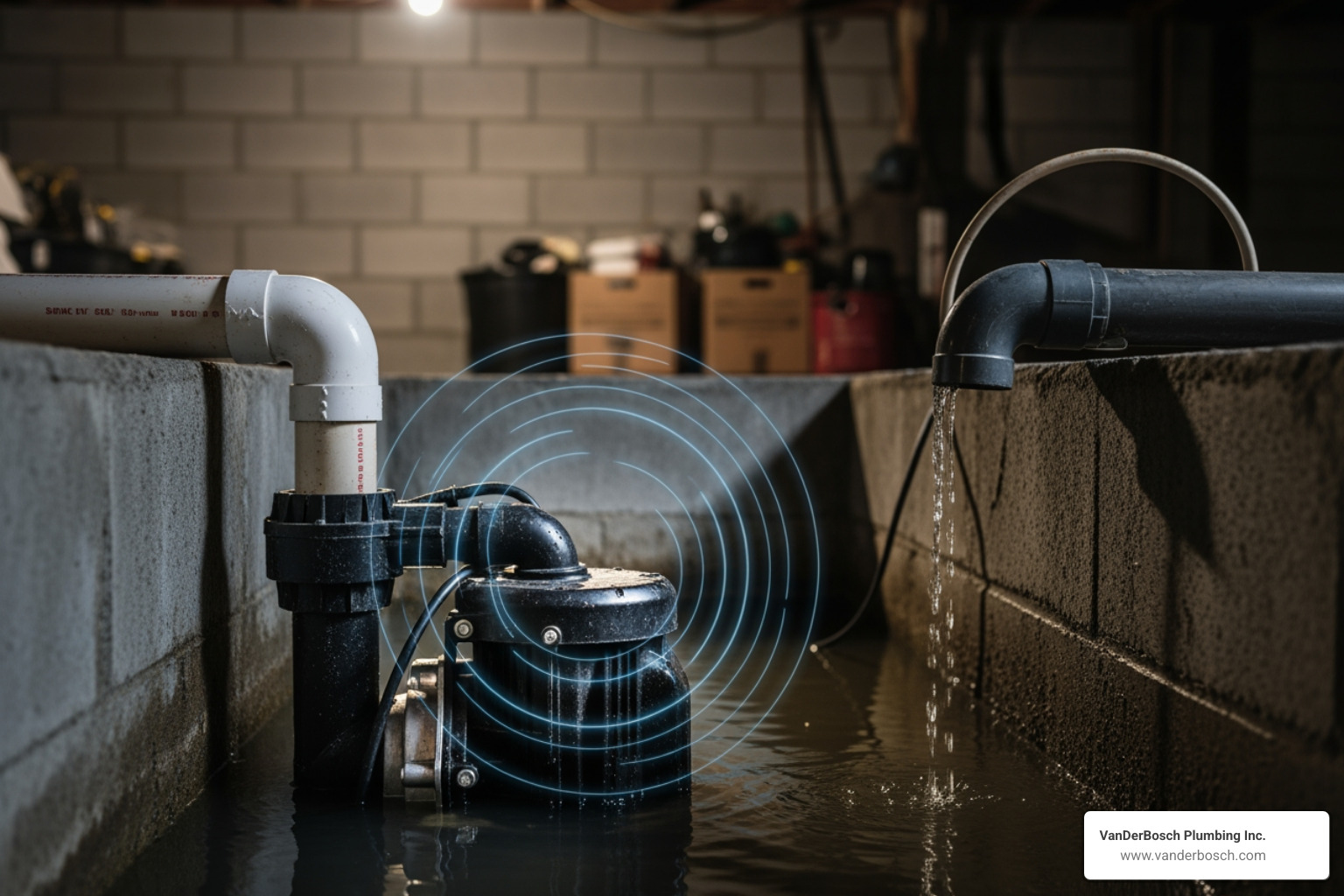
- Unusual Noises: Sump pumps typically operate with a low hum. If you start hearing strange grinding, clunking, or gurgling sounds, it’s time to pay attention. Grinding noises often indicate debris caught in the impeller, while clunking could mean a loose component. Gurgling, especially when the pump isn’t actively discharging water, can point to airlocks or issues with the discharge line. These sounds are your pump crying for help!
- Frequent Cycling: Does your sump pump turn on and off more often than it should, even during dry weather or with minimal water in the pit? This “frequent cycling” can be a sign of a faulty float switch, a check valve issue, or even that your pump is improperly sized for your pit. It means your pump is working overtime, wearing itself out prematurely, and wasting energy.
- Pump Won’t Turn On (or failure to start): This is perhaps the most alarming sign, especially during a heavy downpour. If water is collecting in your sump pit but the pump remains silent and still, you have a critical problem. This could stem from electrical issues, a stuck float switch, or a complete motor failure. During Chicago’s notorious storms, this can quickly lead to extensive flooding.
- Pump Runs Continuously (or inadequate pumping): On the flip side, a sump pump that runs non-stop without ever shutting off is also a cause for concern. This often suggests a stuck float switch that isn’t disengaging, a discharge line blockage preventing water from being fully expelled, or a pump that is simply overwhelmed by the volume of water (undersized for the job). Continuous operation will lead to premature burnout.
- Visible Rust or Corrosion: Take a peek at your sump pump and its components. If you notice rust, corrosion, or mold, it’s a clear indicator of aging and potential internal damage. Rust can weaken the pump’s structural integrity and interfere with its moving parts, leading to inefficient operation or complete failure.
- Water Rising in the Pit (even when the pump is on): If your sump pump is running but the water level in the pit isn’t decreasing, or worse, it’s still rising, your pump isn’t doing its job effectively. This could be due to a clogged discharge line, a pump that’s lost its pumping capacity, or one that’s simply too small to handle the inflow of water.
A properly functioning sump pump is your home’s best defense against water damage, especially in areas like Chicago where basements are common. To understand more about how these vital systems work to keep your home dry, you can explore our guide on How Sump Pumps Protect Against Flooding.
Why Sump Pumps Fail: Common Causes of Malfunction in Chicago Homes
Sump pumps are designed to be resilient, but they’re not invincible. Several factors can lead to their failure, often at the most inconvenient times—like during a severe Chicago storm or a sudden power outage. Understanding these primary causes can help us be more proactive in preventing future emergencies.
- Power Outages: This is arguably the most common culprit during critical times. Heavy storms that bring torrential rain or melting snow often knock out power. If your sump pump relies solely on your home’s electrical system, it will stop working, leaving your basement vulnerable to flooding. This is why a backup system is so crucial, especially for Chicago homes that experience frequent weather-related outages.
- Clogged Discharge Lines: The discharge line is the pipe that carries water away from your sump pump and out of your home. It can become clogged with debris, silt, or even ice during winter months. A blocked line means the water has nowhere to go, causing the pump to run continuously without moving water, or to overheat and fail. For more on winter-related plumbing issues, check out our insights on Frozen Pipes in Chicago, IL: What Homeowners Need to Know.
- Float Switch Malfunction: The float switch is the unsung hero of your sump pump system. It’s the component that senses rising water levels and triggers the pump to turn on or off. If the float switch gets stuck (due to debris, corrosion, or simply wear and tear), it can prevent the pump from activating when needed or cause it to run continuously. Faulty float switches are a very common reason for sump pump failure.
- Overwhelmed Pump (Undersized Unit): Sometimes, your sump pump simply isn’t powerful enough for the job. If your home experiences a high volume of groundwater, especially during extreme weather events, an undersized pump can be overwhelmed. It will run constantly, struggling to keep up, leading to premature wear and eventual failure. This is particularly relevant in areas like Roselle, Winnetka, and Elmhurst, which can experience significant water accumulation.
- Improper Installation: A sump pump is only as good as its installation. If it wasn’t installed correctly, it can lead to a host of problems down the line, including vapor lock (where air gets trapped and prevents water flow), constant cycling, or even damage to the pump itself. Proper sizing, positioning, and discharge line setup are critical for optimal performance.
- Lack of Maintenance: Like any mechanical appliance, sump pumps require regular attention. Neglecting annual inspections and cleanings allows debris to accumulate, moving parts to seize, and electrical connections to corrode. This significantly shortens the pump’s lifespan and increases the likelihood of an unexpected breakdown.
- Old Age: Sump pumps don’t last forever. The average lifespan of a sump pump is typically 5-7 years, though some can last up to 10 years with diligent maintenance. Over time, components wear out, motors lose efficiency, and the risk of failure increases. If your pump is nearing or past its typical lifespan, it’s more prone to giving up the ghost during periods of high demand.
What to Do When Your Sump Pump Fails: An Immediate Action Plan
When your sump pump fails, especially during a heavy storm, panic can set in quickly. But staying calm and taking immediate, decisive action can minimize damage and ensure your safety. Here’s what we recommend you do:
- Prioritize Safety: Disconnect Power! Water and electricity are a dangerous combination. Before you do anything else, locate your home’s electrical panel and shut off the power to the circuit that controls your sump pump. If you’re unsure which breaker it is, or if there’s standing water near the panel, do not risk it. Call us immediately. Your safety is paramount.

-
Assess the Situation and Call for Help: Once power is safely off, assess the extent of the flooding. Is it just a small puddle, or is water rapidly accumulating? The next crucial step is to call for professional help. For emergency sump pump repair near me in Chicago, IL and surrounding areas like Niles, Melrose Park, or Oakbrook Terrace, our team is available 24/7. We understand that plumbing emergencies don’t stick to business hours. For immediate assistance, you can always reach out to our team for Emergency Plumbing Services in Chicago.
-
Manual Water Removal (If Safe and Possible): While you wait for our technicians to arrive, you can start removing water manually if the flooding is manageable and it’s safe to do so. Use buckets, wet/dry vacuums, or old towels to soak up as much water as possible. This can help slow down the damage and make the professional cleanup process quicker. Always wear waterproof boots and gloves.
-
Move Valuables to Higher Ground: If you have furniture, boxes, or other belongings in the flooded area, move them to a dry spot upstairs or onto liftd surfaces. Even an inch of water can cause thousands of dollars in damage to carpets, furniture, and irreplaceable personal items.
-
Document the Damage: Take photos and videos of the flooding and any damaged items. This documentation will be invaluable when filing an insurance claim later. The more evidence you have, the smoother the claims process will be.
A failed sump pump can lead to significant water damage if not addressed promptly. Taking these immediate steps can help mitigate the disaster while our experienced plumbers are on their way to provide expert emergency sump pump repair in Chicago services.
Navigating Emergency Sump Pump Repair Chicago: Prevention, Costs, and Finding a Pro
Dealing with a sump pump emergency is stressful enough. But knowing how to prevent future crises, understanding the potential costs involved, and knowing how to choose the right professional can bring immense peace of mind.
The Importance of a Battery Backup System
Imagine this: it’s the middle of a torrential Chicago thunderstorm, the power goes out, and your basement starts to flood. This scenario is a homeowner’s nightmare, but it’s preventable with a battery backup sump pump system. These systems are crucial for emergency situations, especially in our service areas like Chicago, Hyde Park, and Ukrainian Village, which are susceptible to heavy rains and power interruptions.
How Battery Backup Systems Work: A battery backup system works in conjunction with your primary sump pump. It consists of a secondary pump, a marine-grade battery, and a charging unit. When your home’s main power supply is interrupted, the battery backup automatically kicks in, powering the secondary pump to continue removing water from your pit. Some advanced systems can even notify you via an alarm or smartphone app when they activate.
Why It’s Crucial for Chicago:
- Protection During Power Outages: This is the primary benefit. Since most sump pumps are electric, a power outage renders them useless. A battery backup ensures continuous operation, keeping your basement dry even when the lights go out.
- Protection During Primary Pump Failure: Even without a power outage, your primary sump pump can fail due to mechanical issues or simply old age. The backup system acts as a fail-safe, taking over if your main pump stops working.
- Peace of Mind: Knowing you have a reliable backup system in place provides invaluable peace of mind, especially during severe weather. It’s an investment that can save you from costly water damage and the headaches of cleanup.
- Extended Lifespan for Primary Pump: With a backup, your primary pump isn’t constantly running the risk of being overworked or burning out during peak demand.
We often emphasize that preventing basement water problems starts with a reliable sump pump system, and that includes a robust backup. Learn more about protecting your home from water issues in our guide: Basement Water Problems? A Reliable Sump Pump Is Your First Line Of Defense!.
Proactive Maintenance to Prevent Emergency Sump Pump Repair Chicago
An ounce of prevention is worth a pound of cure, especially when it comes to your sump pump. Regular maintenance is the most effective way to prevent costly and stressful emergency sump pump repair Chicago situations. Our goal is to ensure your sump pump is always ready to tackle Chicago’s unpredictable weather.
Here’s a proactive maintenance checklist we recommend for homeowners:
- Annual Professional Inspections: We recommend having your sump pump professionally inspected and maintained at least once a year. Our technicians will check all components, test the system, and identify any potential issues before they escalate. This is particularly important for homes in areas like Mount Prospect and West Ridge, where groundwater levels can fluctuate.
- Clean the Sump Pit: Over time, dirt, gravel, and debris can accumulate in the sump pit, potentially clogging the pump’s intake or interfering with the float switch. Regularly (every few months, or more often during rainy seasons) remove any visible debris from the pit.
- Test the Float Switch: This is a simple test you can do yourself. Slowly pour a bucket of water into the sump pit until the float switch activates the pump. The pump should turn on, discharge the water, and then turn off as the water level drops. If it doesn’t, or if it runs continuously, you have a problem.
- Clear the Discharge Pipe: Ensure the discharge pipe, both inside and outside your home, is free of obstructions. Check for leaves, dirt, or ice that could block the flow of water. The end of the pipe should be directed away from your foundation to prevent water from re-entering the sump pit.
- Check the Check Valve: The check valve prevents water from flowing back into the sump pit after the pump has shut off. Listen for a “thump” sound when the pump stops; this indicates the check valve is working. If you don’t hear it, or if the pump cycles frequently, the check valve might be faulty.
- Ensure a Dedicated Electrical Outlet: Your sump pump should be plugged into a dedicated ground fault circuit interrupter (GFCI) outlet. Avoid using extension cords, as they can lead to power issues and potential hazards.
- Address Ground Drainage: Proper landscaping and grading around your home can significantly reduce the amount of water entering your sump pit. Ensure that rainwater drains away from your foundation, rather than towards it.
Regular maintenance not only prevents emergencies but also extends the life of your sump pump. It’s one of the key Reasons to Add a Sump Pump to the Home and keep it well-maintained.
Repair or Replace? Making the Right Call
When your sump pump fails, one of the biggest questions you’ll face is whether to repair it or replace it entirely. This decision often comes down to a few key factors:
- Pump Lifespan: As we mentioned, the average life of a sump pump is typically 5-7 years, though some high-quality units with excellent maintenance can last up to 10 years. If your pump is nearing or has surpassed this age range, replacement is often the wiser choice. You don’t want to invest in a repair only for another component to fail a few months later due to old age.
- Repair Cost vs. Replacement Cost: This is a crucial financial consideration. While the typical cost for emergency sump pump repair in Chicago can vary widely based on the issue, sometimes putting new parts on an old pump can become almost as costly as replacing it with a new, more efficient model. We believe in transparent pricing and will always provide you with a clear breakdown of repair vs. replacement costs so you can make an informed decision.
- Frequency of Breakdowns: Has your sump pump been acting up repeatedly? If you’re calling for repairs every few months, it’s a strong sign that the pump is on its last legs. A new installation will offer greater reliability and save you from recurring repair expenses and the stress of repeated failures.
- Age of the Unit: Even if a repair seems minor, the overall age of the unit indicates that other components are also subject to wear. An older pump is less efficient and more likely to fail again soon.
- Extent of Damage: If the pump’s motor is burned out, the housing is cracked, or there’s extensive corrosion, repair might not be feasible or cost-effective. In such cases, replacement is the only viable option.
Sometimes, a simple repair, like replacing a faulty float switch, can extend the life of a relatively new pump. However, for older pumps or those with significant issues, investing in a new, reliable unit is often the best long-term solution for peace of mind and basement protection. If you’re considering a new installation, our team can guide you through the process. Learn more about when to call a professional for this: Do You Need a Plumber for Sump Pump Installation?.
Choosing a Qualified Chicago Sump Pump Technician
When disaster strikes and you need emergency sump pump repair in Chicago, you don’t just need any plumber; you need a qualified, reliable expert. Choosing the right technician can make all the difference in the speed and effectiveness of your repair, and ultimately, in preventing further damage to your home. Here’s what to look for:
- Licensed Plumbers: Always ensure the technician is a licensed plumber. Licensing ensures they have met specific educational and experience requirements and are up-to-date with local plumbing codes and safety standards. Our team consists of licensed professionals, ready to serve our communities in Chicago, Roselle, Niles, and beyond.
- 24/7 Availability: Sump pump emergencies rarely happen during convenient hours. A reputable service provider for emergency sump pump repair in Chicago should offer 24/7 emergency services. We understand this need and are always available, day or night, weekends or holidays.
- Experience: Look for technicians with substantial experience in sump pump repair and installation. Experience means they’ve seen a wide range of problems and know how to diagnose and fix them efficiently. Our technicians bring years of hands-on experience to every job, ensuring competent and swift service.
- Positive Reviews and Reputation: Check online reviews and testimonials. A company with a strong track record of positive customer feedback indicates reliability and quality service. We pride ourselves on our excellent reputation within the Chicagoland area.
- Certifications: While a plumbing license is essential, additional certifications related to specific pump systems or water damage restoration can be a bonus, indicating specialized expertise.
- Transparent Pricing: In an emergency, the last thing you want are hidden fees. Look for a company that offers transparent pricing, ideally with no service charges for emergency calls. We believe in upfront, honest pricing so you know what to expect.
- Background-Checked Technicians: For your safety and peace of mind, ensure the company conducts thorough background checks on all its employees. Our team consists of experienced, background-checked technicians you can trust in your home.
Choosing us means partnering with a team dedicated to providing prompt, professional, and reliable emergency sump pump repair Chicago services.
The Aftermath: Consequences of a Failed Sump Pump
A failed sump pump isn’t just an inconvenience; it can lead to a cascade of devastating consequences for your home and health. If not addressed promptly, the aftermath can be far more costly and stressful than the repair itself.
- Basement Flooding: This is the most immediate and obvious consequence. Without a functioning sump pump, water that collects in your sump pit will overflow, quickly spreading across your basement floor. Even a small amount of water can cause significant damage.
- Structural Damage: Persistent moisture and flooding can severely compromise your home’s structural integrity. Water can weaken your foundation, rot wooden support beams, and damage drywall, leading to costly repairs that go far beyond a simple cleanup.
- Mold and Mildew Growth: Water creates the perfect breeding ground for mold and mildew. These fungi can start growing within 24-48 hours of a flood, spreading rapidly and causing unpleasant odors. Mold not only damages surfaces but can also be a significant health hazard. According to the Environmental Protection Agency (EPA), exposure can trigger allergies, asthma, and other respiratory issues, making prompt cleanup essential.
- Damaged Property: Think about everything you store in your basement: furniture, electronics, cherished family photos, seasonal decorations, and more. A flood can ruin these items, leading to thousands of dollars in losses—many of which are irreplaceable.
- Health Hazards: Beyond mold, standing water can harbor bacteria, viruses, and other pathogens, especially if it’s mixed with sewage (which can happen if an ejector pump fails simultaneously). This creates an unsafe environment that requires professional remediation.
- Decreased Property Value: A history of basement flooding, particularly if it has led to structural damage or persistent mold issues, can significantly decrease your home’s market value. Potential buyers are often wary of properties with known water problems.
Understanding the severe repercussions of a failed sump pump highlights why immediate action and proactive maintenance are so vital. For homes in Chicago, Elmhurst, or Sauganash, where basements are common, a functioning sump pump is an absolute necessity. To learn more about why these devices are so crucial for your home, read our article: Do I Need a Sump Pump?.
Your Partner in Flood Prevention
We’ve explored the critical signs of sump pump distress, the common culprits behind failures, and the immediate steps to take when facing an emergency. We’ve also highlighted the invaluable role of battery backup systems, the power of proactive maintenance, and the factors to weigh when deciding between repair and replacement. Most importantly, we’ve underscored the severe consequences that can arise from neglecting a failing sump pump.
Your sump pump is truly your home’s silent guardian against the unpredictable weather patterns of Chicagoland. Recognizing the red flags—strange noises, frequent cycling, failure to activate, or continuous running—is your first line of defense. Taking prompt action, such as cutting power and calling a professional, can mitigate damage and save you from immense stress and expense.
At VanDerBosch Plumbing Inc., we pride ourselves on being your trusted partner in flood prevention and emergency sump pump repair in Chicago, Illinois. We understand the unique challenges faced by homeowners in Chicago, Roselle, Niles, Winnetka, Melrose Park, Oakbrook Terrace, Hyde Park, Sauganash, West Ridge, Ukrainian Village, Elmhurst, and Mount Prospect. Our commitment to your peace of mind is backed by:
- 100% Satisfaction Guarantee: We stand by the quality of our work.
- 24/7 Availability: Plumbing emergencies don’t wait, and neither do we.
- Transparent Pricing: No hidden fees, just honest, upfront costs.
- Experienced, Background-Checked Technicians: You can trust the professionals who enter your home.
Don’t wait for disaster to strike. Be proactive, stay informed, and know that our team is always ready to assist you.
Schedule your sump pump service today and let us help ensure your basement stays dry, safe, and sound.