
That Rotten Egg Smell in Your Well Water Has a Fix — Here Are the Best Options
If you’re searching for the best sulfur filter for well water, here’s a quick answer before we dive in:
| Rank | System | Best For | Approx. Cost |
|---|---|---|---|
| 1 | SpringWell WS | Best overall (iron + sulfur) | ~$2,205 |
| 2 | SoftPro Iron Master | Heavy iron + sulfur loads | ~$1,519 |
| 3 | Matrixx InFusion | Stubborn sulfur odor | ~$2,815 |
| 4 | RKIN WF10/WF13 | Smart app monitoring | ~$2,016–$2,470 |
| 5 | SpringWell SCN1 | Low pH / acidic well water | ~$1,535 |
Bottom line: For most homes, a chemical-free Air Injection Oxidation (AIO) system with Katalox Light media is the most effective and lowest-maintenance solution — removing up to 10 ppm of sulfur and up to 30 ppm of iron without any monthly chemicals.
If your well water smells like rotten eggs, you’re not imagining it. That odor comes from hydrogen sulfide gas — and it can range from faintly unpleasant to genuinely unbearable. Some homeowners describe walking into their bathroom and barely being able to breathe.
The problem is more common than most people realize, especially for private well owners in the Chicagoland area. And unfortunately, many people waste money on the wrong fix — carbon filters, box-store softeners, or expensive local installs — before finding something that actually works.
This guide cuts through the noise. You’ll learn exactly what’s causing the smell, which filter technologies work (and which ones make it worse), and how to pick the right system for your home’s water chemistry and flow rate.
I’m Hugh Hodur, President of VanDerBosch Plumbing, and through years of overseeing water filtration installations across the Chicagoland area, I’ve helped homeowners navigate the exact problem of finding the best sulfur filter for well water — without overpaying or buying the wrong system. Let’s get into what actually works.
Key best sulfur filter for well water info:
What Causes the Rotten Egg Smell in Well Water?
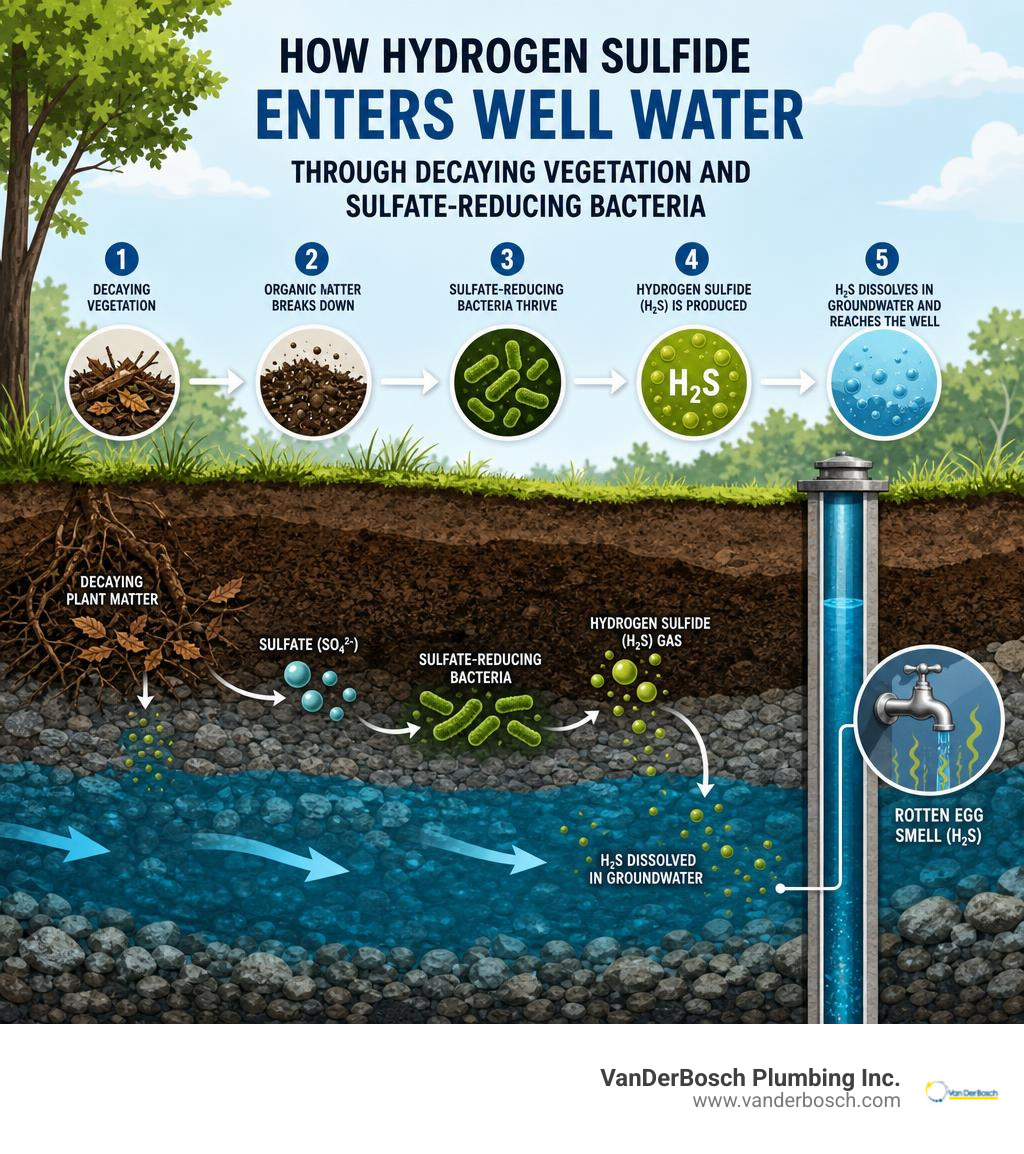
That unmistakable rotten egg smell is caused by dissolved hydrogen sulfide gas ($H_2S$). But how does it actually get into your well?
Deep underground, decaying organic matter and vegetation in aquifers create a feast for sulfate-reducing bacteria. These naturally occurring, non-pathogenic bacteria feed on the sulfates present in the soil and rocks, producing hydrogen sulfide gas as a byproduct. As groundwater flows through these subterranean pockets, it dissolves the gas and carries it straight up into your home’s plumbing.
Because hydrogen sulfide is a gas, it escapes into the air the second it leaves your faucet, filling your kitchen or bathroom with that signature stink.
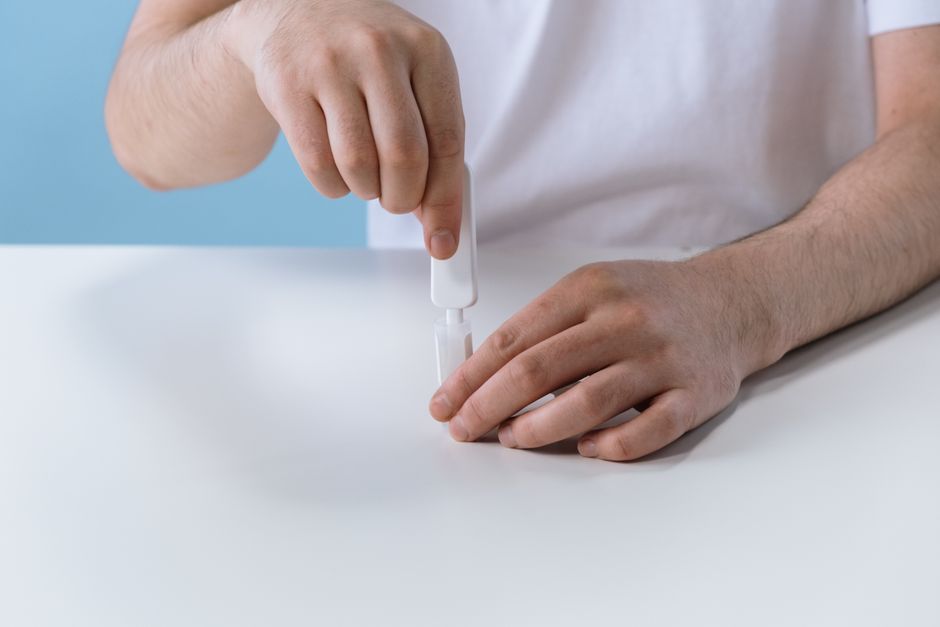
To solve the issue permanently, you must first confirm that hydrogen sulfide is indeed the culprit and measure its concentration. This is done through professional water testing. A certified laboratory test is always the gold standard because hydrogen sulfide is highly volatile and can dissipate quickly from a sample if not handled correctly. Testing also reveals other co-contaminants like iron and manganese, which heavily influence which filter will work best for your home. Understanding your water profile is the first step in realizing Why Water Filtration Systems Are Important for protecting your plumbing, appliances, and overall quality of life.
The Hot Water Heater vs. Well Water Test (Anode Rod)
Before you spend thousands of dollars on a whole-house filtration system, you need to perform a simple diagnostic test. Is the smell actually coming from your well, or is your water heater playing a trick on you?
To find out, run the cold water from an outside spigot or a cold tap that hasn’t been used for a few hours.
- If the cold water smells like rotten eggs: The hydrogen sulfide is coming directly from your well. You need a whole-house sulfur filter.
- If only the hot water smells: Your well water is likely fine. The issue is your water heater’s anode rod.
Most standard water heaters come equipped with a magnesium anode rod designed to corrode slowly to protect the steel tank from rusting. However, if your well water contains naturally occurring sulfates, the magnesium rod reacts chemically with sulfate-reducing bacteria in the warm environment of the tank, converting those sulfates into smelly hydrogen sulfide gas.
The Fix: If the smell is isolated to your hot water, you don’t need a whole-house filter. Simply have a licensed plumber replace your magnesium anode rod with an aluminum-zinc alloy rod or a powered electrical anode rod. This simple swap will eliminate the chemical reaction and stop the odor in its tracks.
Why Standard Softeners and Carbon Filters Fail
When homeowners first notice a sulfur smell, they often run to the nearest big-box store to buy an activated carbon filter or a standard water softener. This is a classic, costly mistake.
- The Carbon Filter Trap: While activated carbon is excellent at removing chlorine and improving taste, it acts like a sponge. At very low sulfur levels (under 1 ppm), carbon can temporarily absorb the odor. However, with moderate to high sulfur levels, the carbon media becomes saturated almost instantly. Once exhausted, it can dump the trapped gas back into your water lines all at once, making the stink significantly worse.
- The Softener Mistake: Water softeners are engineered to remove hard minerals like calcium and magnesium through ion exchange. They are completely incapable of filtering out hydrogen sulfide gas. In fact, passing sulfur through a standard softener can coat the resin beads, ruining the system’s softening capacity and leading to expensive resin replacement.
Choosing the Best Sulfur Filter for Well Water: Technology Comparison
To remove hydrogen sulfide permanently, you must convert the dissolved gas into a solid particle through a process called oxidation, and then filter those solid particles out of the water.
There are three primary technologies used to achieve this. Here is how they stack up:
| Feature | Air Injection Oxidation (AIO) | Hydrogen Peroxide ($H2O2$) Injection | Chlorine Chemical Feed |
|---|---|---|---|
| Chemicals Used | None (Uses oxygen) | Hydrogen Peroxide | Chlorine / Bleach |
| Max Sulfur Removed | Up to 10 PPM | Up to 20+ PPM | Up to 10 PPM |
| Iron Removal | Excellent (Up to 30 PPM) | Excellent | Moderate |
| Maintenance | Extremely low (Self-cleaning) | Moderate (Refilling tanks) | High (Mixing chemicals, pump upkeep) |
| Lifespan | 6–8 years (Media) | 5–7 years (Carbon media) | 3–5 years |
| Upfront Cost | Moderate ($1,500 – $2,500) | High ($2,500 – $3,500) | Moderate ($1,800 – $2,800) |
For a broader look at how these technologies integrate into your overall home water system, check out The Complete Guide to Water Filtration Systems.
Why Air Injection Oxidation is the Best Sulfur Filter for Well Water
For the vast majority of well owners, Air Injection Oxidation (AIO) is the undisputed champion. It is highly effective, environmentally friendly, and requires virtually no day-to-day maintenance.
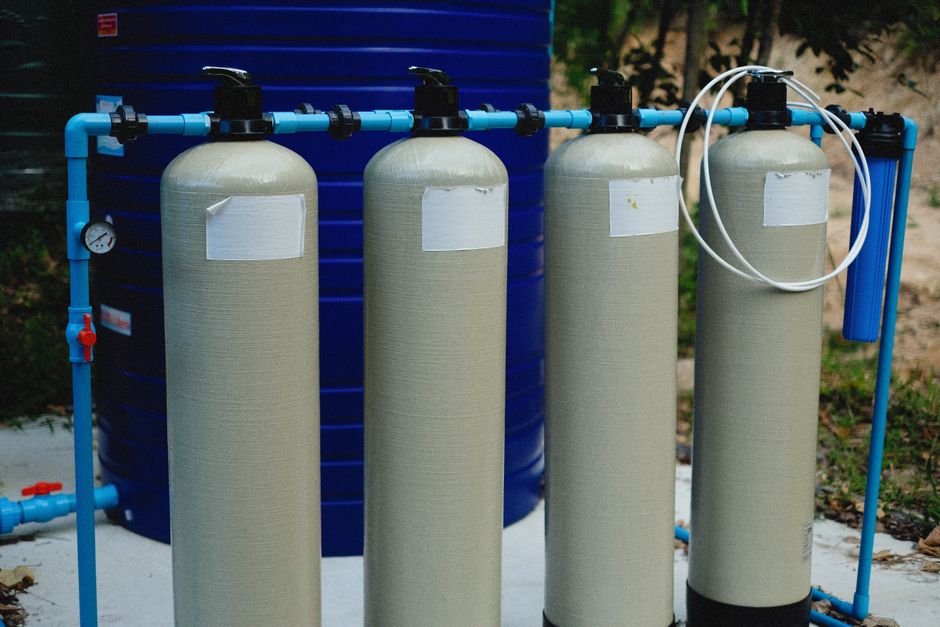
An AIO system works by maintaining a pocket of compressed air at the top of the filter tank. As smelly well water enters the tank, it passes through this air pocket, instantly oxidizing the dissolved hydrogen sulfide gas, iron, and manganese into solid particles.
The water then flows down through a specialized catalytic media bed—most notably Katalox Light. This media acts as a powerful catalyst to accelerate the oxidation process while trapping the physical particles. Every few days, the system automatically backwashes, flushing the trapped sulfur and iron down the drain and replenishing the air pocket.
According to the Water Quality Association Guide to Water Treatment, physical filtration combined with natural aeration is one of the safest and most reliable methods for treating private well water without introducing harsh chemical residues.
Hydrogen Peroxide Injection vs. Chlorine Feed Systems
While AIO systems are perfect for sulfur levels up to 10 ppm, extreme cases (above 10 ppm) or wells with heavy bacterial slime may require a chemical injection system.
- Hydrogen Peroxide Injection: This system uses a chemical feed pump to inject a precise dose of food-grade hydrogen peroxide into the water line before it enters a contact tank. Hydrogen peroxide is an incredibly rapid, powerful oxidizer. It destroys sulfur odors instantly on contact, leaving behind only oxygen and water. While highly effective, it requires you to purchase and handle heavy jugs of peroxide, and you must maintain the chemical pump.
- Chlorine Feed Systems: Similar to peroxide systems, these inject liquid chlorine (bleach) into the water. However, chlorine reacts much slower than peroxide, requiring a large 80-to-120-gallon contact tank to give the chemical enough time to work. It also leaves behind a strong chlorine taste and smell, requiring a secondary activated carbon filter to clean up the water before it reaches your taps.
Crucial Factors: pH, Iron, and System Sizing
Choosing the best sulfur filter for well water isn’t just about picking a brand; it’s about matching the system to your specific water chemistry and flow rate.
Before making a purchase, consult resources like the EPA Guide on Drinking Water Well Testing to understand standard testing parameters and safety limits for private wells.
The Role of pH and Acid Neutralizers
Water pH is the single most critical factor in determining whether an oxidation-based sulfur filter will work.
For AIO systems and catalytic media like Katalox Light to oxidize sulfur effectively, your water’s pH must be at least 7.0, and ideally around 8.0.
If your well water is acidic (below 7.0):
- The oxidation reaction slows down significantly.
- Dissolved sulfur will slip right through the filter, leaving you with smelly water.
- The acidic water will slowly dissolve your copper pipes and brass fixtures.
The Solution: If your water test reveals a pH below 7.0, you must install an acid neutralizer (usually containing calcite media) before your sulfur filter to raise the pH to an alkaline level.
How to Size the Best Sulfur Filter for Well Water for Your Home
If your filter is too small, you will experience a significant drop in water pressure when multiple showers or appliances are running. Worse, the system won’t have enough flow to backwash properly, causing the media bed to become permanently fouled with sulfur and iron.
To size your system correctly, you need to calculate two things:
- Service Flow Rate (Peak Demand): Measured in Gallons Per Minute (GPM). As a general rule of thumb:
- 1–2 Bathrooms: Requires a system with a minimum of 8–10 GPM.
- 3–4 Bathrooms: Requires 12–15 GPM.
- 5+ Bathrooms: Requires 18–20+ GPM.
- Backwash Flow Rate: This is the GPM required to backwash and lift the heavy filtration media inside the tank during its self-cleaning cycle. You must ensure your well pump can supply the required backwash GPM (typically 5 to 10 GPM depending on tank size) or the system will eventually fail.
Maintenance, Costs, and What to Look For Before Buying
Investing in a whole-house water filter is a long-term commitment. Understanding the maintenance requirements and certifications upfront will save you from unwanted surprises down the road.
To protect your investment, always look for systems that carry independent certifications. You can verify product testing and safety standards through the NSF Guide to Home Water Treatment Devices.
Certifications, Warranties, and Support
When shopping for the best sulfur filter for well water, look for these key indicators of quality:
- NSF/ANSI Standard 42: Certifies that the system is independently tested and proven to reduce aesthetic contaminants, specifically sulfur odors and iron.
- NSF/ANSI Standard 372: Ensures the system is certified lead-free, protecting your family’s health.
- Warranty Length: Quality systems will offer a lifetime warranty on the mineral tank and brine tank, and at least a 5-to-10-year warranty on the smart control valve.
- Smart Control Valves: Look for systems utilizing modern, digital control valves (like Fleck or Clack valves). Many newer systems feature Bluetooth-enabled smart valves, allowing you to monitor water usage, backwash cycles, and system health directly from a mobile app.
Frequently Asked Questions About Sulfur Filters
Will a water softener remove sulfur smell?
No. A water softener is designed solely to remove hard water minerals like calcium and magnesium through ion exchange. It cannot filter out gaseous hydrogen sulfide. In fact, high levels of sulfur can coat and permanently damage the softener resin, leading to system failure.
How long does sulfur filter media last?
In a standard Air Injection Oxidation (AIO) system, high-quality media like Katalox Light typically lasts between 6 to 8 years before needing replacement, assuming the system is sized correctly and backwashes regularly. Traditional greensand media generally lasts 3 to 5 years.
Is sulfur in well water harmful to health?
At typical household levels, hydrogen sulfide in well water is not toxic or harmful to your health, though it is highly unpleasant. However, extremely high concentrations can cause digestive issues or diarrhea. Additionally, sulfur gas is highly corrosive and will slowly darken, tarnish, and corrode copper pipes, brass fixtures, and silver utensils, while leaving black stains in toilets and sinks.
Conclusion: Get Professional Help in Chicagoland
Choosing and installing the best sulfur filter for well water can feel overwhelming, but you don’t have to tackle the stink alone.
At VanDerBosch Plumbing Inc., we provide licensed residential and light commercial plumbing services across Chicagoland—including Chicago, Cook County, Roselle, Niles, Winnetka, Melrose Park, Oakbrook Terrace, Hyde Park, Sauganash, West Ridge, Ukrainian Village, Elmhurst, and Mount Prospect. We understand the unique aquifer geology of northeastern Illinois and know exactly how to treat local well water issues.
We stand behind our work with a 100% satisfaction guarantee, 24/7 availability, transparent pricing with no hidden service charges, and highly experienced, background-checked plumbers.
If you are located in the Roselle area, you can learn more about our localized services on our Roselle Services – Water Filtration System page.
Ready to banish the rotten egg smell from your home for good? Schedule a professional water filtration system consultation with VanDerBosch Plumbing Inc. today, and let our family take care of yours!