
Table of Contents
- Why Vintage Steam Boilers Need a Different Maintenance Approach
- Steam Boiler Maintenance Tips You Can Safely Do Yourself
- Signs of Steam Boiler Failure Every Owner Should Recognize
- When Steam Boiler Repair Requires a Licensed Professional
- Annual Service Checklist: What a Thorough Boiler Inspection Covers
- Repair or Replace Your Vintage Boiler? Decision Factors to Weigh
- Frequently Asked Questions
Last Updated: September 17, 2026
Why Vintage Steam Boilers Need a Different Maintenance Approach
Steam boiler maintenance in an older home is not the same job as servicing a modern hot-water system. A steam boiler boils water into steam, pushes it through cast iron radiators, and relies on the condensate return to send water back to the boiler, a cycle that behaves differently from a forced-hot-water system.
That difference matters most in older housing stock, where original steam systems still run on the same pipes and radiators installed decades ago. This guide covers what a homeowner can safely check, what belongs with a licensed technician, and how to decide between repair and replacement.
The single most important habit is checking the water level. A steam boiler that runs low on water can crack its own cast iron sections, and that damage is rarely worth repairing.
Steam Boiler Maintenance Tips You Can Safely Do Yourself
A short monthly walkthrough catches most problems before they become repairs. None of it requires opening the boiler or touching gas and electrical components.
Check the Water Level Through the Sight Glass
The sight glass is the vertical tube on the side of the boiler showing the water line. On most residential steam boilers, water should sit roughly halfway up the glass when the system is cold and off.
If the level is low, let the boiler cool completely, then add water per the manufacturer’s instructions.
Inspect Radiators, Valves, and Vents
Walk the house and check each radiator while the system runs.
- Feel for uneven heat. A radiator that stays cold at the bottom while the top heats usually points to trapped condensate or a blocked return.
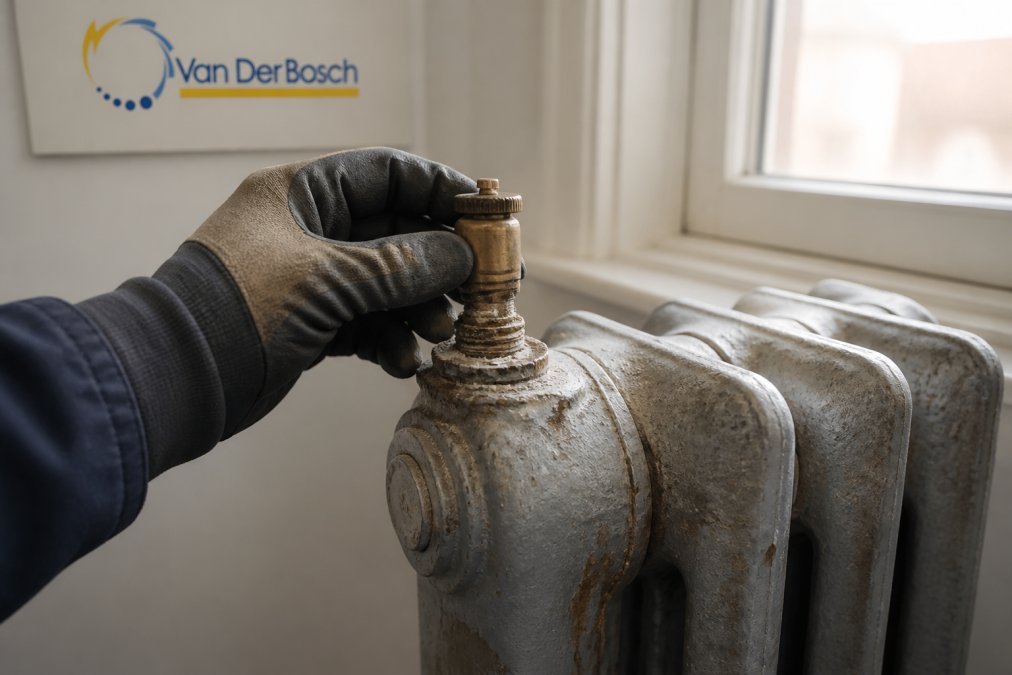
- Listen at the air vent. A vent that hisses continuously, spits water, or stays silent when steam arrives is likely failed.
- Look for rust trails and weeping at valve stems. Small leaks at a radiator valve are common and usually repairable.
- Check that thermostatic radiator valves, if fitted, are set sensibly rather than wide open in unused rooms.
Signs of Steam Boiler Failure Every Owner Should Recognize
Signs of steam boiler failure usually show up as noise, water, or heat loss before the system stops entirely. Catching them early is the difference between a repair and a replacement.
Watch for these:
- Clanging, banging, or water hammer. Pounding pipes often mean condensate is trapped in the pipes and steam is slamming into water. Left alone, this stresses joints and can crack cast iron.
- A rising or falling water line. A level that climbs on its own suggests a faulty feeder or a blocked return.
- Boiler pressure that will not hold steady. The pressuretrol and low water cut-off are safety controls, not conveniences. If pressure drifts, those controls need testing.
- Water pooling near the boiler or under radiators.
- A yellow or flickering burner flame instead of a steady blue flame, or any smell of gas.
When Steam Boiler Repair Requires a Licensed Professional
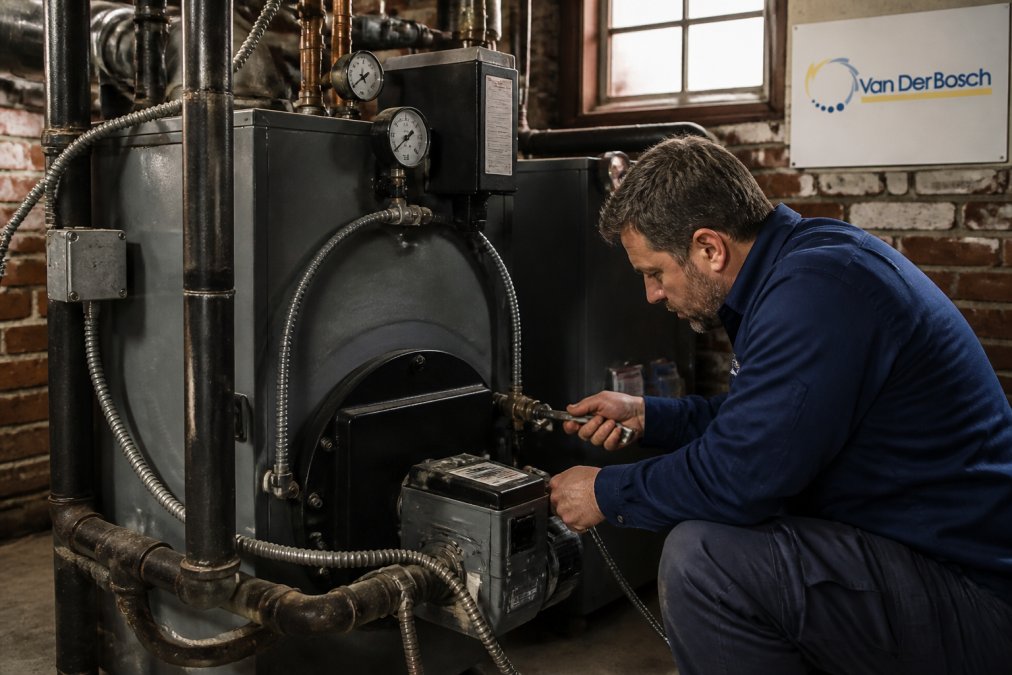
Steam boiler repair is not a homeowner task once the work moves past the sight glass and radiator vents. Anything involving the burner, gas valve, pressuretrol, low water cut-off, or the boiler itself belongs with a licensed technician.
Call a professional when you see:
- Any gas smell, yellow flame, or soot around the burner
- A water level that will not stay put
- Persistent clanging that continues after radiators are vented
- Water on the floor near the boiler
- A boiler that runs but produces no heat
Annual Service Checklist: What a Thorough Boiler Inspection Covers
An annual inspection is the cheapest insurance a vintage steam system has. Knowing what each step actually does helps you tell a real inspection from a quick look at the flame.
What Each Step Detects
Sight glass and water level. The glass is cleaned or replaced if clouded, since a stained glass hides the true water line. A technician verifies the level against the manufacturer’s mark and watches for drift while the boiler sits idle, a sign of a leaking return or a feeder that is not holding.
How Often to Schedule Service
Most steam systems benefit from one full annual service, ideally in late summer or early fall before the first cold snap. Between visits, a monthly walkthrough, water level, radiator heat, vent noise, catches changes early, and a mid-season sight glass check is worth the few minutes after a hard cold stretch.
How to Use This List When Hiring
VanDerBosch services steam and hot-water boilers, and a diagnostic visit is the fastest way to find out whether what you are seeing is a minor adjustment or the start of something larger. Schedule boiler service before heating season rather than during the first cold week.
Repair or Replace Your Vintage Boiler? Decision Factors to Weigh
Replacement is not automatically the answer for an older steam boiler. A well-maintained cast iron boiler can run for a very long time, and proper sizing matters more than newness. The decision usually comes down to two questions: is the distribution system worth keeping, and can you find someone who actually understands steam?
The Two Questions That Decide Most Cases
1. Is the distribution system worth keeping? The pipes, radiators, vents, and returns do the actual heating. If the boiler is tired but the distribution is sound, replacing the boiler can make sense. If the distribution is failing, corroded returns, chronically cold radiators, leaks throughout the piping, a new boiler will not fix the comfort problems.
Decision Factors at a Glance
|
Factor |
Points Toward Repair |
Points Toward Replacement |
|---|---|---|
|
Boiler age and condition |
Sound sections, no cracks |
Cracked sections or chronic leaks |
|
Repair history |
Isolated, one-time failures |
Repeated repairs in recent seasons |
|
Heating capacity |
System heats the house evenly |
Cannot keep up in cold weather |
|
Efficiency |
Heat loss is mostly in the distribution |
Boiler itself is the main loss |
|
Distribution system |
Radiators, vents, and returns in good shape |
Pipes and returns failing throughout |
|
Accessibility |
Serviceable location and clearances |
No safe access for service |
|
Modernization plans |
No near-term changes planned |
Considering heat pump conversion |
Sizing Matters More Than Age
An oversized replacement boiler short-cycles, wastes fuel, and can be noisier than the unit it replaced. A technician should measure the connected radiator load rather than matching the old boiler’s rating by default. A boiler sized to the actual load runs longer, steadier cycles and heats more evenly.
Modernization Without Replacement
Modernization compatibility is the factor most homeowners overlook. Thermostatic radiator valves, updated controls, and pipe insulation can often be added to an existing steam system, improving comfort and reducing fuel use without replacing the boiler. Insulating bare steam pipes and balancing radiators are two of the highest-return improvements on an older system. If a heat pump conversion is on your horizon, that changes the math on how much to invest in the steam system now.
What Affects the Cost of Either Path
If you are weighing repair against replacement, a diagnostic visit gives you the information to decide. Contact VanDerBosch to schedule boiler service and get a clear picture of what your system actually needs.
Frequently Asked Questions
How often should a vintage steam boiler be serviced?
Most vintage steam boilers benefit from a professional inspection once a year, ideally before heating season begins. Annual service allows a technician to check the low water cut-off, pressuretrol, burner operation, and steam traps. Between professional visits, homeowners should check the water level weekly during heating months and watch for new noises or uneven heating. Skipping annual maintenance on an older system can lead to costly breakdowns in the middle of winter.
What are the most common signs of steam boiler failure?
Common signs of steam boiler failure include banging or clanging pipes, radiators that stay cold while others heat, water spitting from air vents, a boiler that shuts off before reaching temperature, and visible leaks around the boiler or pipes. A rising water bill or frequent low-water cut-off trips can also point to trouble. If you notice any of these, schedule a professional inspection before the problem worsens.
Can I perform maintenance on my own steam boiler?
You can safely handle a few basic tasks: checking the water level in the sight glass, bleeding radiators if needed, and keeping the boiler area clear. However, tasks like blowing down the low water cut-off, adjusting the pressuretrol, skimming the boiler, or inspecting the burner should be left to a licensed technician. Working on pressurized steam systems or gas-fired equipment without training is dangerous and can void warranties or violate local codes.
What does steam boiler repair typically involve?
Steam boiler repair can range from replacing a faulty steam trap or air vent to repairing a leaking pipe or fixing a burner control. A technician will diagnose the issue using pressure readings, water level checks, and visual inspection. Some repairs are straightforward, while others may require shutting down the system. Because steam systems operate under pressure and often involve gas or oil burners, repairs should always be performed by a licensed professional familiar with vintage equipment.