
Table of Contents
- Start With a Water Heater Inspection Checklist
- Set the Right Water Heater Temperature Setting for Winter
- Add Water Heater Insulation in Winter Without Blocking Safety Devices
- Signs a Water Heater Needs Repair (and When to Stop Troubleshooting)
- Protect the Heater and Pipes From Freezing Temperatures
- Build a Winter Maintenance Schedule That Fits the Building
- When to Call a Professional
- Frequently Asked Questions
Last Updated: October 21, 2026
Start With a Water Heater Inspection Checklist
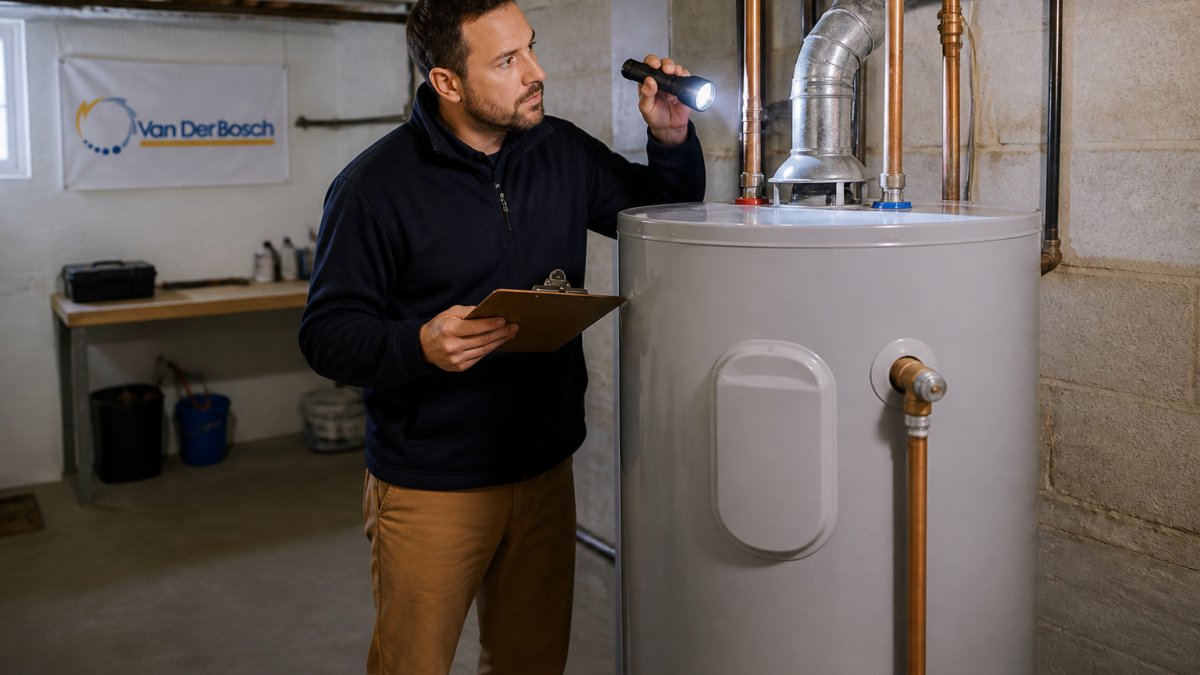
Learning how to maintain your water heater in winter starts with one habit: look before you touch. A water heater inspection checklist turns a vague worry about cold weather into a short, repeatable walkthrough you can finish in ten minutes.
The checklist below is built for a facility walkthrough, not a repair manual. It separates what staff can safely observe from what requires a licensed plumber, and it gives you a place to record readings so you can compare this month to last.
What to Check Before You Touch Anything
Safety comes first. Clear the area and know your limits.
- Shut off power at the breaker before touching an electric unit
- Set gas units to pilot or vacation mode before close inspection
- Never open the TPR valve if it looks corroded or scaled
The Inspection Walkthrough
Work top to bottom, and write down what you see. A clipboard or phone note with the date, unit ID, and each reading is enough to start a maintenance log.
- Top fittings and nipples. Look for rust streaks, corrosion, or moisture where the hot and cold lines connect. A damp fitting that is dry an hour later may be a slow weep that only shows under heat.
- Tank body. Check for bulges, cracks, or weeping seams. Rust at a seam is a stop-and-call finding; rust on a fitting may be a replaceable part.
- TPR valve and discharge pipe. Confirm the valve has an unobstructed discharge pipe that runs to a safe drain or exterior. Do not test a valve that is corroded, scaled, or has not been exercised in years.
- Thermostat and gauge. Read the thermostat setting and note the gauge reading. A tank set near 120°F is a common starting point for most homes; a commercial kitchen or laundry may need a different target. Record the number rather than trusting the dial alone.
- Venting and exhaust path (gas units). Check that the flue is connected, sloped correctly, and free of dents or blockages. Look for soot, scorching, or a yellow burner flame, which point to a combustion problem rather than a maintenance task.
- Burner and combustion air (gas units). Confirm the burner compartment and air intake are not blocked by stored items or insulation. Blocking combustion air is a carbon monoxide hazard.
- Base and floor. Note any water on the floor near the base. A dry floor today does not rule out a slow leak that appears only during a heating cycle.
- Anode rod (tank units). If the rod is accessible and you are comfortable checking it, note its condition. A heavily consumed rod is a maintenance item for a plumber, not a same-day emergency.
Equipment-Type Variations
A single checklist does not fit every heater. Note the type on your log and adjust the walkthrough:
- Gas storage tank: venting, burner flame, combustion air, and TPR discharge are the priority checks.
- Electric storage tank: breaker, element condition, and thermostat readings matter more; there is no flue or burner to inspect.
- Tankless: follow the manufacturer’s freeze guidance, check the condensate line on condensing models, and confirm the intake and exhaust are clear of snow and ice.
Documenting Findings
A checklist only earns its keep if you write down the results. A simple log with the date, unit ID, each reading, a photo of anything unusual, and a follow-up date turns a walkthrough into a maintenance record.
Never test a TPR valve that is corroded, scaled, or has not been exercised in years. A stuck valve can fail to reseat and release scalding water. If you are unsure of its condition, leave it alone and have a licensed plumber check it.
Set the Right Water Heater Temperature Setting for Winter
The correct water heater temperature setting balances comfort, safety, and energy use. Many households run their tank hotter than needed, which wastes energy and raises scald risk.
Here is where winter changes the math:
- Colder incoming water means the heater works harder to recover
- A slightly higher setting can help if hot water runs out fast
- Higher storage temperatures raise scalding risk at taps
That last point matters. Legionella bacteria thrive in lukewarm stored water, so a tank set too low can create a water-quality risk, especially in larger buildings with long pipe runs (the CDC). Property managers should treat this as a real decision, not a guess.
If you turn the temperature up for winter, test the water at the farthest tap before anyone showers. A thermometer reading at the tap tells you what people actually feel, not what the dial claims.
Add Water Heater Insulation in Winter Without Blocking Safety Devices
Water heater insulation in winter slows heat loss from the tank and the first few feet of hot pipe. It is one of the cheapest comfort upgrades available, and it matters most in cold basements and mechanical rooms.
Follow these rules:
- Use a blanket rated for your tank type
- Keep the thermostat and burner access clear
- Never cover the TPR valve or its discharge pipe
For gas units, the burner compartment and air intake must stay open. Blocking combustion air is a carbon monoxide hazard, not a small mistake.
Signs a Water Heater Needs Repair (and When to Stop Troubleshooting)
The signs a water heater needs repair are usually obvious once you know what to look for. Catch them early and you may avoid a flooded basement in January. The harder question is not whether something is wrong, but whether you should keep troubleshooting, schedule a repair, or start planning for replacement.
| Symptom | Likely Cause | What to Do |
|---|---|---|
| Rust streaks or weeping seams | Tank corrosion | Stop and call a pro; tank leaks rarely repair |
| Popping or rumbling | Sediment buildup | Schedule flushing and inspection |
| Lukewarm or short hot water | Failing element, thermostat, or dip tube | Have it diagnosed |
| Water on the floor | Leak at fittings or tank | Shut off water and call |
| Yellow burner flame or soot | Combustion problem | Stop use and call for gas service |
| TPR valve dripping | Pressure or valve fault | Treat as urgent |
Where Safe Observation Ends
Some findings are safe to note and report. Others are stop-and-call problems that should not be touched.
- Safe to observe and log: a gauge reading, a thermostat setting, a photo of rust on a fitting, a note that the floor was damp.
- Stop and call: a dripping or stuck TPR valve, a yellow flame or soot, a smell of gas, water actively pooling at the base, or a tank seam that is weeping.
A dripping TPR valve or a sooty burner is not a maintenance task. Those are stop-and-call problems. Do not open the valve, adjust the burner, or attempt to reseat a relief valve on your own.
Repair or Replace: Decision Factors
When a plumber diagnoses the problem, the repair-versus-replacement decision usually comes down to a few practical factors:
- Age of the equipment. An older tank near the end of its expected service life is a weaker candidate for a major repair.
- Severity and location of the damage. A failed element or thermostat is a repair; a leaking tank seam is usually a replacement.
- Recurring problems. Repeated failures of the same component point to a system issue rather than a one-off fix.
Do not assume replacement is the only answer. A failed heating element, a bad thermostat, or a sediment problem are often repairable. A corroded tank or a combustion fault that cannot be corrected safely is a different conversation. Restoring your unit to peak efficiency not only resolves these immediate mechanical failures but also serves as a foundational step to lower heating bills throughout the colder months.
Tank corrosion and combustion faults cannot be fixed with a wrench and a tutorial. If you see rust at the seams or a yellow flame, stop troubleshooting and call a licensed plumber.
Protect the Heater and Pipes From Freezing Temperatures
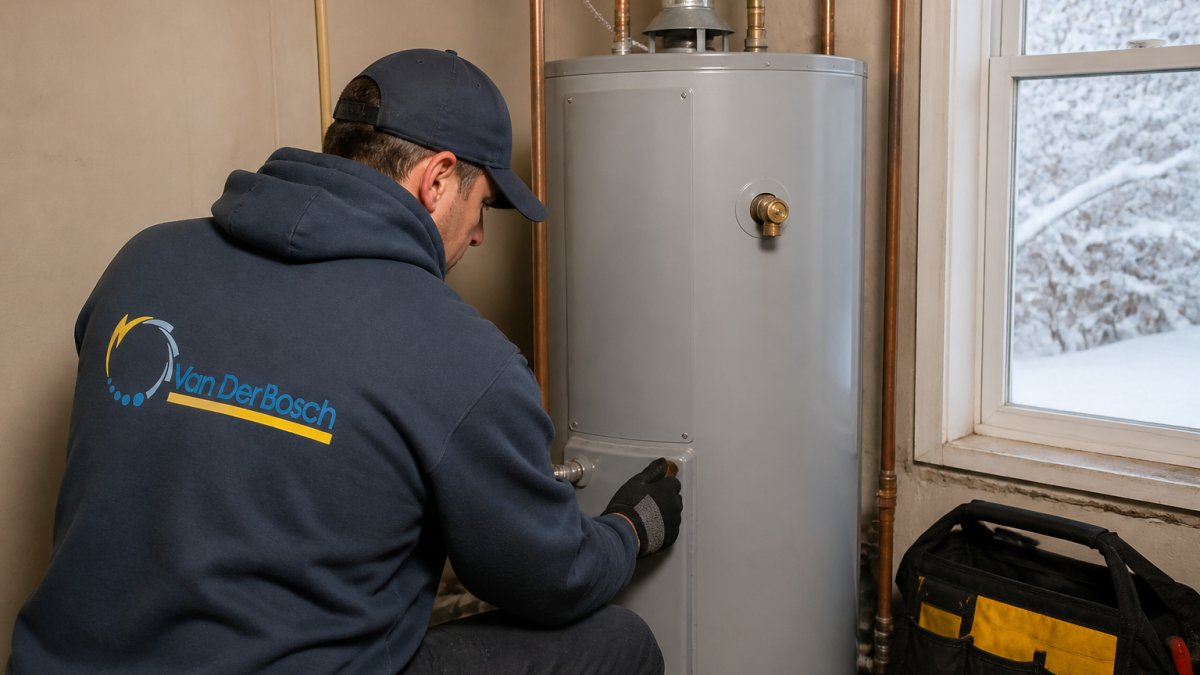
Freezing temperatures are the real enemy in winter. A water heater in an unheated garage, crawl space, or drafty basement faces the same risk as any exposed pipe. Frozen supply lines can stop the heater from filling, and a burst line can flood the space before anyone notices.
Use this checklist:
- Seal drafts around the mechanical room or garage
- Insulate exposed hot and cold supply lines
- Keep the heat above freezing in the space
If a pipe does freeze, do not torch it. Use a hair dryer or warm towels on the pipe, and call for frozen pipe repair guidance if the line is behind a wall or will not thaw. The EPA’s water heating guidance also notes that insulating the tank and pipes reduces standby heat loss, which pays off in cold months.
Build a Winter Maintenance Schedule That Fits the Building
A maintenance schedule only works if it matches the building. A single-family home needs a light fall check.
| Frequency | Task | Who |
|---|---|---|
| Monthly | Visual check: leaks, rust, floor moisture | Staff or owner |
| Quarterly | Test TPR valve, note readings | Staff or plumber |
| Annually | Flush tank, inspect anode rod, check venting | Licensed plumber |
| Pre-winter | Insulate, seal drafts, confirm settings | Owner or plumber |
Documenting findings matters as much as the inspection itself. A simple log of dates, readings, and photos gives you a repair history.
For commercial properties, note each heater by type: tank, tankless, or boiler. A steam boiler in an older building needs its own seasonal routine, separate from a storage tank.
When to Call a Professional
Some tasks belong to a licensed plumber. Gas supply, burner, and combustion components are not homeowner projects. Neither is a tank leak, a failing TPR valve, or a boiler that will not hold pressure.
Call for professional service when you see:
- Rust, corrosion, or moisture at the tank seams
- A dripping or stuck TPR valve
- A yellow flame, soot, or a smell of gas
Gas leaks deserve special caution. Then call a licensed plumber for gas line repair. The U.S. Consumer Product Safety Commission also warns that a faulty TPR valve can cause a tank to rupture, so never ignore a dripping valve.
Winter puts real stress on any hot water system, and the difference between a quiet season and a flooded basement is usually a short inspection you did in October. Call today or visit VanDerBosch water heater service to schedule your winter check before the first hard freeze.
Frequently Asked Questions
How often should a water heater be maintained?
Most manufacturers recommend an annual professional service visit, with monthly owner checks in between. A practical routine includes a quick monthly look for leaks, corrosion, or water on the floor; a quarterly test of the temperature-and-pressure relief valve; and a yearly flush to clear sediment. In cold climates, add a mid-winter check of the venting, insulation, and any exposed piping. If the heater serves a commercial space or a multi-unit building, a written schedule with logged readings makes it easier to spot trends before they become failures.
What temperature should a water heater be set to in winter?
A setting of 120°F is a common starting point for most households because it reduces scalding risk while still covering daily use. If the home has a dishwasher without a booster or a large tub, some owners prefer a slightly higher setting. Above 120°F, the risk of scalding rises quickly, especially for children and older adults. Rather than turning the dial up to fight winter chill, address the real cause, such as a cold incoming supply line, a failed heating element, or sediment buildup, with a professional diagnosis.
How do I protect my water heater from freezing in winter?
Tank water heaters in conditioned spaces rarely freeze, but the pipes feeding them can. Keep the mechanical room above freezing, seal drafts around windows and vents, and insulate exposed supply lines. If the unit sits in an unheated garage or crawl space, insulation blankets and pipe wrap help, but never cover the burner compartment, vent, or relief valve. During a deep cold snap, run a trickle of water through a distant faucet overnight. If you suspect a frozen line, shut off the water and call a plumber rather than thawing it with an open flame.
When should I call a plumber about my water heater?
Call a licensed plumber for any gas smell, water pooling around the base, a relief valve that keeps discharging, rusty or discolored hot water, repeated pilot or ignition failures, or a heater that cannot keep up with demand. These point to problems that are unsafe or beyond routine maintenance. A plumber can confirm whether a repair is reasonable or whether replacement makes more sense based on age, condition, and repair history. Shut off the gas and water if you smell gas or see active leaking, and keep people away from the area until help arrives.