

Why Boiler Repair Oak Park Matters for Your Home’s Comfort
Boiler repair Oak Park is essential for keeping your home warm and safe during Illinois’s brutal winter months. When your boiler fails at 2 AM on a freezing January night, you need fast, reliable help—and you need to know who to call.
Quick Answer: Top Boiler Repair Services in Oak Park
If you need immediate boiler repair in Oak Park, here’s what to look for:
- 24/7 Emergency Service – Boiler failures don’t wait for business hours
- Licensed & Certified Technicians – Proper training ensures safe repairs
- Transparent Pricing – No surprise charges during emergencies
- Same-Day Response – Fast arrival times for urgent issues
- All Boiler Types Serviced – Steam, hot water, gas, electric, and oil systems
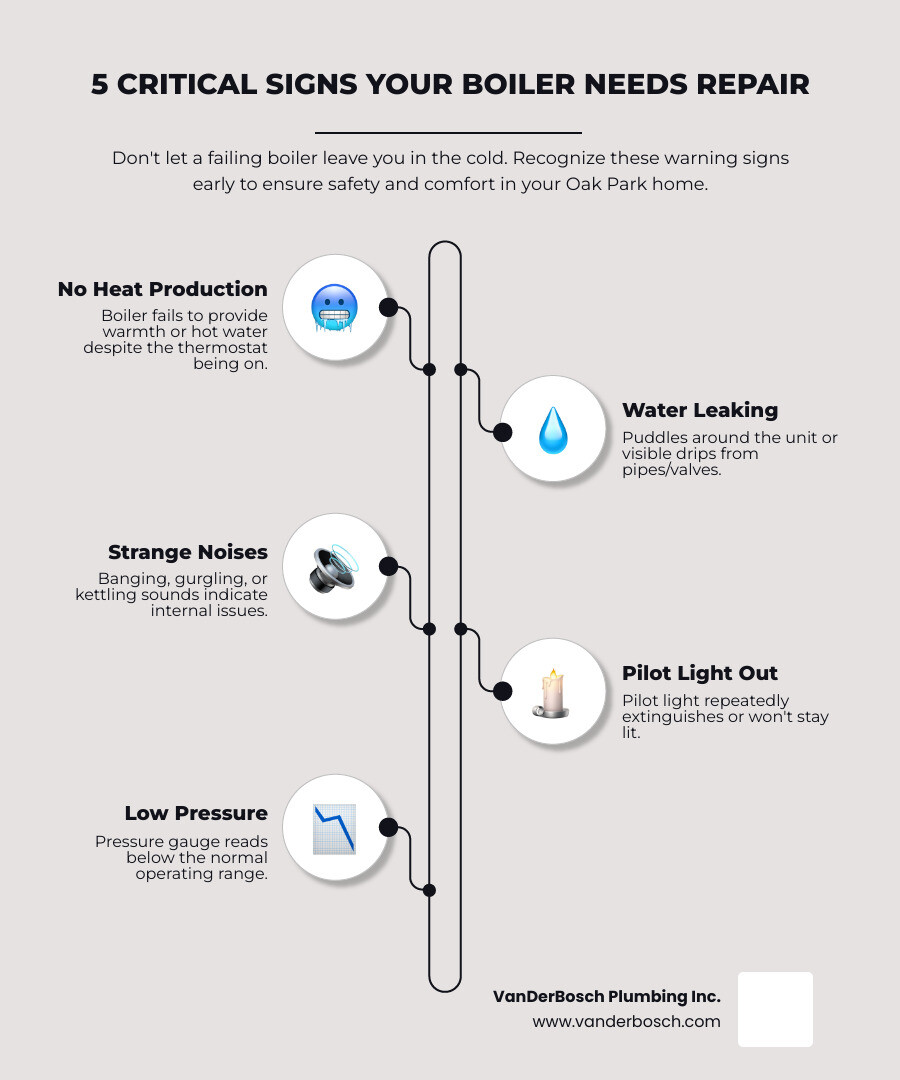
Common boiler problems requiring immediate repair include:
- No heat or hot water
- Water leaking from the unit
- Strange noises (banging, kettling, gurgling)
- Pilot light won’t stay lit
- Low pressure readings
Winters in Illinois can be harsh. When temperatures drop below freezing, a functioning boiler isn’t just about comfort—it’s about safety. A malfunctioning boiler can leave you and your family in the cold, or worse, expose you to dangerous carbon monoxide.
Since 1955, Oak Park homeowners have relied on professional boiler services to keep their heating systems running smoothly. Whether you have radiators, baseboard heaters, or radiant floor heating, understanding when your boiler needs professional attention can save you from costly damage and uncomfortable nights.
This guide will walk you through everything you need to know about boiler repair in Oak Park—from identifying common problems to understanding when to call for emergency service.
Understanding Your Home’s Boiler System
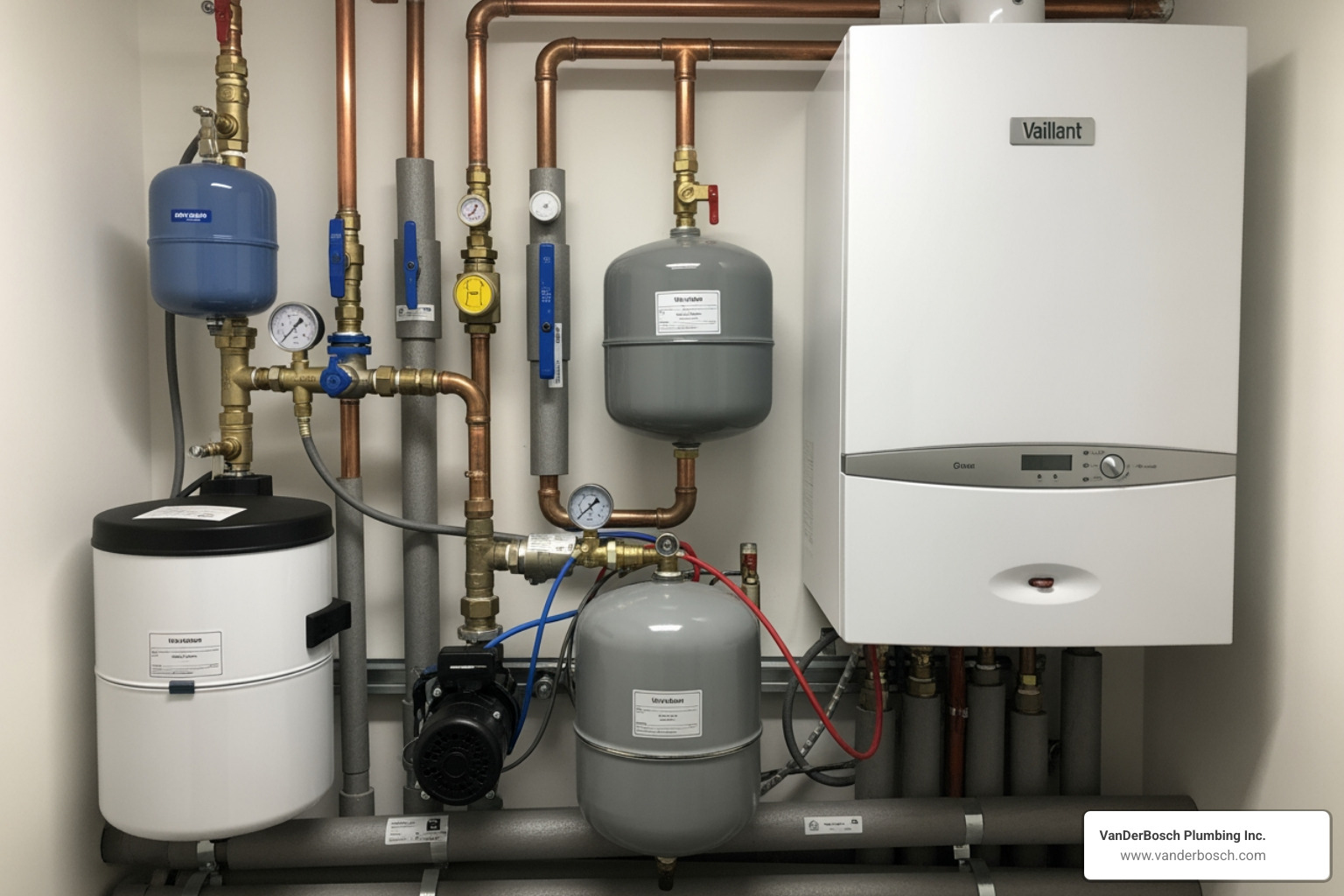
Boilers are a foundational heating system for many homes in Oak Park and the wider Chicagoland area, especially in older, charming properties that define our neighborhoods. Unlike modern forced-air systems, boilers provide a unique, comfortable type of warmth known as radiant heat. This heat rises from the ground upward, spreading more evenly and comfortably throughout your home. Understanding the basics of how your boiler works, what differentiates it from a furnace, and how to identify it, is the first step in ensuring its longevity and efficiency.
How Do Boilers Work?
At its core, a boiler’s job is to heat water and circulate it throughout your home to provide warmth. This process is surprisingly neat and efficient, especially in the cold Illinois winters.
The heating process typically involves a six-step cycle:
- Filling the Tank: The boiler’s tank is initially filled with room temperature or cold water.
- Heating the Water: Gas, oil, or electricity is used to heat the water within the tank. For steam boilers, the water is heated past the point of boiling to create steam.
- Circulation Begins: Once the water reaches the desired temperature (or turns into steam), it’s pushed throughout your home.
- Heat Distribution: The hot water (or steam) travels through a network of pipes to radiators, baseboard heaters, or radiant floor systems. These components then dissipate the heat into your living spaces.
- Return to Boiler: As the water or steam releases its heat, it cools down and returns to the boiler via a return pipe.
- Cycle Repeats: Steps 1-5 are repeated continuously until your home reaches the desired temperature set on your thermostat.
This closed-loop system is highly effective, providing consistent warmth without the drafts associated with forced-air systems.
The Key Differences Between a Boiler and a Furnace
While both boilers and furnaces are designed to keep your home warm, they achieve this in fundamentally different ways, leading to distinct advantages and disadvantages.
| Feature | Boiler (Hydronic System) | Furnace (Forced-Air System) |
|---|---|---|
| Heat Type | Radiant heat (hot water or steam) | Convective heat (hot air) |
| Components | Boiler unit, pipes, radiators/baseboard heaters | Furnace unit, ductwork, vents |
| Air Quality | Doesn’t circulate dust/allergens; adds no humidity | Circulates dust/allergens; can dry out air |
| Lifespan | Often 15-30+ years with proper maintenance | Typically 15-20 years |
| Efficiency | High, as water heats more readily than air; less heat loss | Varies, heat loss can occur through leaky ductwork |
| Fuel Sources | Oil, natural gas, electricity, wood pellets | Natural gas, propane, electricity, oil |
| Installation Cost | Generally higher; more complex installation | Generally lower; simpler installation |
| Risks | Carbon monoxide, leaks (water damage) | Carbon monoxide |
Boilers offer radiant heat that rises from the ground upward, allowing it to spread more easily and provide a consistent, comfortable warmth. Because they don’t blow air, they don’t circulate dust and allergens, making the air more allergy-friendly. Furnaces, on the other hand, rely on hot air and ductwork, which can lead to uneven heating and dry air. While furnaces are less likely to freeze in cold environments, boilers, especially hot water systems, are known for their long lifespan and superior energy efficiency because water heats more readily than air.
How to Tell If You Have a Boiler System
Identifying your home’s heating system is straightforward. If you’re unsure whether you have a boiler or a furnace in your Oak Park home, here’s how to check:
- Look for Radiators or Baseboard Heaters: The most obvious sign of a boiler system is the presence of cast-iron radiators or long, low baseboard heaters along the walls in your rooms.
- Check for Small Pipes: Go to where your home’s heating system is located (often in the basement or a utility closet). If you see several small pipes entering and exiting the main unit, you likely have a boiler.
- Absence of Large Ductwork: Furnaces are connected to large metal ductwork that distributes hot air through floor or wall vents. If you don’t see this extensive duct system, it’s a strong indicator you have a boiler.
A boiler primarily relies on these radiators or baseboard heaters to spread its warmth, circulating hot water or steam rather than air.
More info about our Boiler services.
Common Boiler Problems and When to Call for Repair
Even the most robust boiler systems in Oak Park can encounter problems. Recognizing the warning signs early can save you from a complete breakdown and costly emergency repairs. While some issues might seem minor, they can quickly escalate, affecting your comfort and safety. Knowing when to troubleshoot a small issue and when to call for professional boiler repair Oak Park is crucial.
Top Signs You Need Boiler Repair in Oak Park
Your boiler often gives subtle hints before a major malfunction. Ignoring these signs can lead to more significant problems down the line. Here are the top indicators that your boiler needs professional attention:
- No Heat or Hot Water: This is the most obvious sign. If your thermostat is set correctly but your home isn’t warming up, or you’re getting cold water when you expect hot, it’s a clear signal. This could be due to a faulty thermostat, a pilot light issue, or a problem with the heating elements.
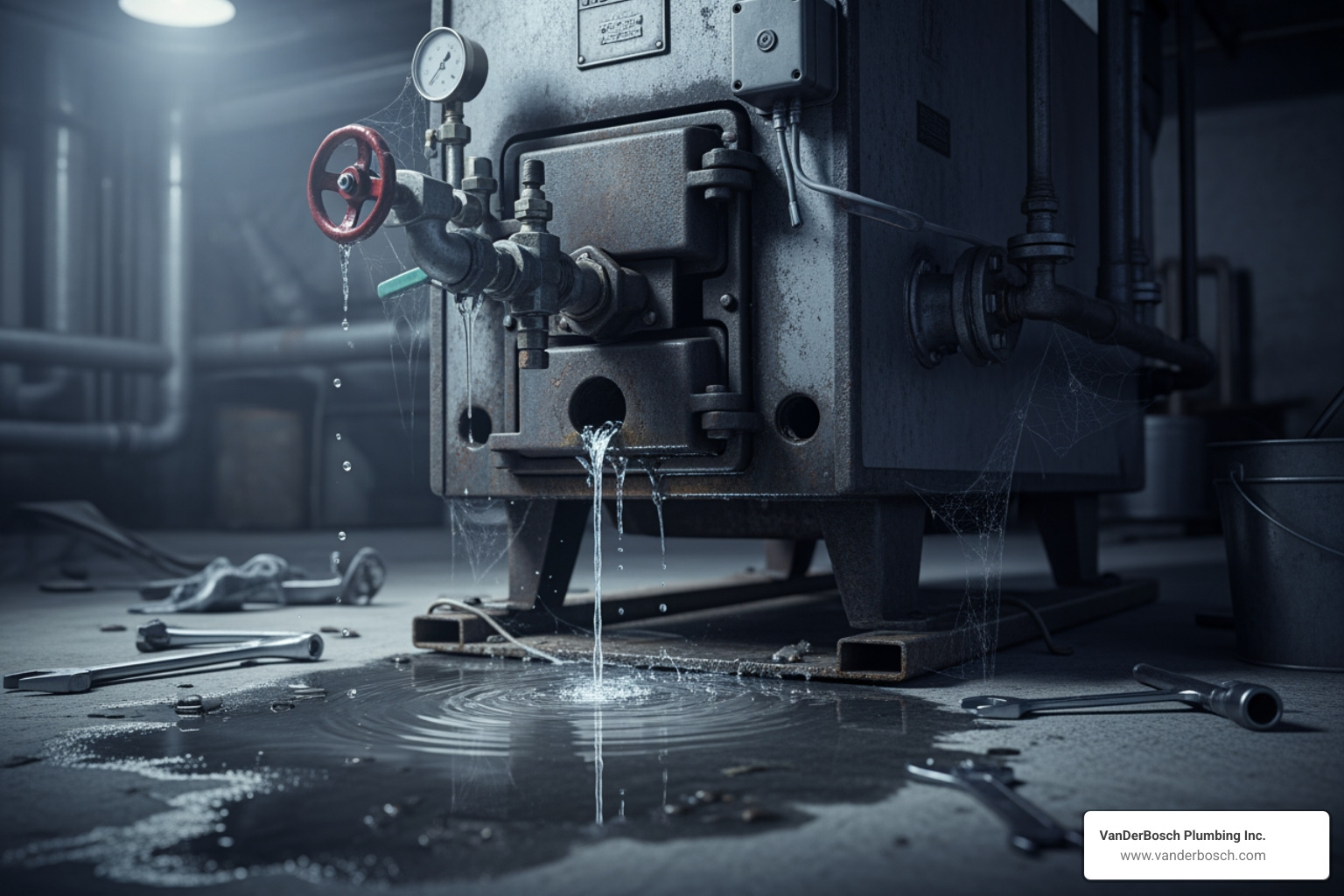
- Leaking Water: Any water leaking from your boiler unit or its pipes is a serious concern. Leaks can stem from damaged valves, seals, pumps, or even a cracked heat exchanger. This not only indicates a problem with the boiler itself but can also lead to significant water damage to your property.
- Strange Noises: Boilers are generally quiet, so unusual sounds are a red flag.
- Kettling: A rumbling or whistling sound, often indicating a buildup of limescale or sediment inside the heat exchanger.
- Gurgling: Can suggest air trapped in the system or low water pressure.
- Banging: Might be caused by water boiling too rapidly or loose components.
- Low Boiler Pressure: Your boiler’s pressure gauge should typically be within a specific range (often 1-1.5 bar for hot water systems). If it consistently drops, it could indicate a leak in the system or a problem with the expansion tank.
- Pilot Light Out (for gas boilers): If your pilot light frequently goes out, it could be a sign of a faulty thermocouple, a draft, or a more serious gas supply issue. A damaged, broken, or switched-off pilot light will prevent the boiler from igniting.
If you notice any of these issues, it’s important to have a professional technician inspect your system promptly. Early detection can prevent minor issues from becoming major, expensive repairs.
Top Signs You Need Boiler Repair in Chicago Before Winter Hits.
Common Issues with Water and Steam Boilers
While all boilers share a common goal, the specific problems they encounter can differ based on whether they are water (hydronic) or steam systems.
Common Problems with Water Boilers:
- Leaking: This is a frequent issue, often due to a damaged or broken valve, seal, or pump. These leaks can lead to pressure drops and water damage.
- Low Boiling Pressure: A faulty component, such as a pressure relief valve or a blockage, can cause the system to lose pressure, leading to inefficient heating or complete shutdown.
- Failure to Turn On: When your thermostat calls for heat, and the boiler doesn’t respond, it could be due to electrical issues, thermostat malfunctions, or a problem with the ignition system.
- Circulator Pump Failure: The circulator pump is vital for moving hot water through your home. If it fails, heat won’t be distributed, leaving your home cold.
- Broken-Down Boiler: Sometimes, a boiler simply reaches the end of its lifespan due to old age or poor maintenance, requiring replacement rather than repair.
Common Problems with Steam Boilers: Steam boilers, though less common in modern residential settings, are often found in older Oak Park homes and can present unique challenges:
- Lack of Water or Excessive Water: Maintaining the correct water level is critical for steam boilers. Too little water can damage the boiler, while too much can lead to “priming” or “surging,” where water enters the steam lines.
- Inappropriate Mixture of Water and Steam: This can reduce heating efficiency and cause water hammer (banging pipes).
- Combustion and Internal Damages: Issues within the combustion chamber or internal components can lead to inefficient operation or dangerous conditions.
- Leak in the Safety Valve: The safety valve releases excess pressure. If it leaks, it indicates a pressure problem and needs immediate attention to prevent dangerous pressure buildup.
- Abrupt Flameouts: The burner flame unexpectedly going out can be a sign of fuel supply issues, faulty ignition, or sensor problems.
Regardless of the type of boiler, any significant malfunction should be addressed immediately by a qualified professional.
Your Guide to Professional Boiler Repair Oak Park
When your boiler acts up, especially during the chilly Illinois months, prompt and professional boiler repair Oak Park is paramount. Attempting complex repairs yourself can be dangerous and may void warranties. We emphasize safety first and always recommend contacting experienced, licensed technicians for any boiler issues beyond basic visual checks.
What to Do If Your Boiler Starts Leaking
A leaking boiler is a serious issue that demands immediate attention. Don’t panic, but act swiftly to limit damage and ensure safety. Here are the steps you should take:
- Turn Off the Boiler’s Power: Locate the emergency shut-off switch for your boiler (often a red switch near the unit or on a wall) and turn it off. For gas boilers, also turn off the gas supply using the valve on the gas line connected to the boiler.
- Shut Off the Main Water Valve: Find your home’s main water supply valve and turn it off to prevent more water from entering the system and exacerbating the leak.
- Contain the Leak: Mop up any standing water and lay down towels, buckets, or other absorbent materials to soak up the water and prevent further damage to your floors or belongings. Try to identify the source of the leak—it typically comes from the boiler tank, discharge tube, or drain valve.
- Call for Emergency Service: Once you’ve secured the situation, contact a professional for emergency boiler repair Oak Park. We offer 24/7 service to address urgent plumbing and boiler concerns in Oak Park and the wider Chicagoland area.
Contact Us for immediate assistance.
Comprehensive Boiler Services Available
We understand that boiler needs extend beyond just emergency repairs. That’s why we offer a full spectrum of services to ensure your boiler system operates efficiently, reliably, and safely year-round in your Oak Park home. Our comprehensive boiler services include:
- Boiler Repair: From minor fixes like replacing a faulty thermocouple to major component overhauls, our experienced, background-checked technicians can diagnose and repair all types of water and steam boilers. We handle issues such as leaks, pressure problems, strange noises, and ignition failures.
- Boiler Installation: Whether you’re replacing an old, inefficient unit or installing a new boiler system, our experts provide meticulous installation services. We ensure proper sizing, connection, and testing for optimal performance and energy efficiency, helping you choose the best system for your home’s needs.
- Boiler Maintenance: Regular maintenance is key to preventing breakdowns and extending your boiler’s lifespan. Our annual tune-ups include inspections, cleaning, and adjustments to keep your system running smoothly and efficiently.
- Boiler Inspection: We offer thorough inspections to identify potential issues before they become major problems, ensuring your boiler meets safety standards and operates effectively.
- 24/7 Emergency Service: Boiler emergencies don’t adhere to a schedule. That’s why we provide round-the-clock emergency services for all urgent boiler repair needs in Oak Park and surrounding areas like Chicago, Niles, Winnetka, and Elmhurst.
Critical Safety Considerations for Boilers
Boilers are powerful heating appliances that, while generally safe, require respect and proper maintenance. Several critical safety considerations must always be kept in mind, especially in older homes common in Oak Park.
- Carbon Monoxide Risk: All fuel-burning boilers (gas, oil) produce carbon monoxide (CO), an odorless, colorless, and deadly gas. A cracked heat exchanger, blocked flue, or improper combustion can lead to CO leaks. Ensure you have working carbon monoxide detectors on every level of your home. Professional annual servicing includes checks for proper ventilation and combustion to mitigate this risk.
- Gas Leaks: For natural gas boilers, a gas leak can be extremely dangerous, posing a risk of explosion. If you smell gas, immediately evacuate your home, call your gas company, and then call us for emergency service. Do not operate any electrical switches or appliances.
- Pressure Buildup: Boilers operate under pressure. A malfunctioning safety valve or an issue with the expansion tank can lead to dangerous pressure buildup, which could result in an explosion if not addressed. Regular checks of the safety valve are a crucial part of professional maintenance.
- Electrical Hazards: Boilers have electrical components. Faulty wiring or water leaks near electrical parts can create shock hazards.
- Burns from Radiators: While a benefit of radiant heat, hot radiators can cause burns, especially for children and pets. Consider radiator covers for safety.
The importance of professional service for safety cannot be overstated. A licensed HVAC professional is better able to identify potential repairs early, often eliminating the need for early system replacement and ensuring safe operation.
Boiler Maintenance, Lifespan, and Advanced Features
Just like any essential home appliance, your boiler benefits immensely from regular care. Proactive maintenance not only ensures your comfort but also plays a significant role in extending its life and maximizing its efficiency. For homeowners in Oak Park, where winters demand reliable heating, understanding maintenance routines and modern boiler advancements can lead to substantial savings and peace of mind.
The Benefits of Regular Boiler Maintenance
Investing in regular boiler maintenance is one of the smartest decisions you can make for your Oak Park home. The benefits far outweigh the modest annual cost:
- Improved Safety: This is paramount. Annual maintenance includes checks for carbon monoxide leaks, proper pressure, and functional safety valves, significantly reducing the risk of dangerous malfunctions.
- Lower Heating Costs: A well-maintained boiler operates more efficiently. Our research indicates that annual boiler maintenance can save customers 10 percent or more on their annual heating bills. By ensuring all components are clean and working optimally, your boiler won’t have to work as hard, consuming less fuel.
- Extended Lifespan: Boilers are a significant investment, often lasting 15 to 30 years. Regular maintenance helps to catch small issues before they become major problems, preventing premature wear and tear and extending your unit’s operational life by months or even years.
- Fewer Repairs: Consistent tune-ups help identify and address minor issues, such as a loose bolt or a buildup of sediment, before they escalate into costly breakdowns. This proactive approach means fewer unexpected repair calls and less disruption to your comfort.
- Increased Efficiency: A clean, properly adjusted boiler heats your home more effectively. Components like burners and heat exchangers can become fouled over time, reducing efficiency. Maintenance restores them to peak condition.
- Peace of Mind: Knowing your boiler has been professionally inspected and serviced provides confidence that it will perform reliably throughout the coldest months.
DIY vs. Professional Boiler Service
While some minor tasks can be performed by homeowners, most boiler maintenance and all repairs require the expertise of a licensed professional.
DIY Tasks for Boiler Maintenance:
- Checking Pressure: Regularly monitor your boiler’s pressure gauge to ensure it stays within the recommended range.
- Bleeding Radiators: If your radiators are cold at the top but warm at the bottom, they likely have trapped air that needs to be released.
- Visual Leak Inspection: Weekly, inspect your boiler and associated pipes for any signs of leaks or corrosion.
- Checking Pilot Light (if applicable): For older gas boilers, ensure the pilot light is consistently lit.
- Periodic Tank Flushes: For hot water boilers, periodically flushing the tank can help remove sediment buildup, which improves efficiency and reduces noise.
Professional Service is Always Required for:
- Annual Tune-Up: A once-yearly tune-up by a licensed HVAC professional is ordinarily adequate and strongly recommended. This comprehensive service includes:
- Flue and fresh air checks
- Detailed pressure checks
- Vigorous cleaning of components (e.g., condensate trap, anode rod, spark probe)
- Leak tests and visual inspections
- Verification of control systems and safety devices
- Inspection and cleaning of burners, flame sensors, and ignitors
- Internal Cleaning and Adjustments: Professionals have the tools and knowledge to safely clean internal components, adjust settings for optimal efficiency, and ensure all parts are functioning correctly.
- Safety Checks: Only a professional can thoroughly check for carbon monoxide leaks, gas leaks, and proper operation of safety valves. For safety and efficiency reasons, it’s best to leave this part of boiler ownership to a licensed HVAC professional.
Modern Boiler Technology for Oak Park Homes
Boiler technology has come a long way, offering homeowners in Oak Park more efficient and comfortable heating options.
- Condensing Boilers: These are a significant advancement. Unlike standard boilers that vent produced water vapor through the chimney, condensing boilers capture the heat from this steam to pre-heat return water, making them significantly more energy-efficient. This can lead to substantial savings on heating bills.
- Zoning for Individual Rooms: Yes, boilers can be zoned for individual room temperature control! This feature allows you to create individual heating areas in your home, each controlled by a separate thermostat. This improves comfort by eliminating hot and cold spots and can lead to energy savings by only heating occupied areas. While it requires a technician with both plumbing and zoning experience, it’s a worthwhile investment for personalized comfort. You can expect to pay a minimum of $1500 for your first boiler zone.
- Typical Boiler Lifespan: With proper annual maintenance, a boiler can last a remarkable 15 to 30 years, and sometimes even longer. It’s not uncommon for a well-maintained boiler to deliver 30 years of consistent operation. This long service life makes boilers a durable and reliable heating solution.
Frequently Asked Questions about Boilers
What is the difference between a condensing boiler and a standard one?
A condensing boiler differs significantly from a standard one in its efficiency. A standard boiler vents the produced water vapor and its latent heat directly through the chimney. In contrast, a condensing boiler is designed with efficiency in mind. It recaptures the heat from this water vapor before it leaves the chimney, using it to pre-heat the cooler water returning to the boiler. This process allows condensing boilers to extract more heat from the fuel, making them much more energy-efficient and reducing heating costs.
Can boilers be zoned for individual room temperature control?
Yes, hydronic (hot water) boiler systems can indeed be zoned for individual room temperature control. This means you can have multiple thermostats throughout your home, each controlling the temperature in a specific area or “zone.” This allows for personalized comfort, eliminates hot and cold spots, and can lead to energy savings by heating only the rooms you are using. Implementing zoning requires a technician with specialized plumbing and zoning experience.
What is the typical lifespan of a boiler?
With diligent and proper annual maintenance, a boiler can boast an impressive lifespan, typically ranging between 15 and 30 years. Many homeowners in Oak Park find their boilers provide consistent operation for three decades or even more. This longevity often exceeds that of forced-air furnaces, making boilers a durable and long-term heating investment.
Your Trusted Partner for Boiler Services in Oak Park
Understanding your boiler system, recognizing the signs of trouble, and knowing when to call for professional help are crucial for maintaining a warm, safe, and efficient home in Oak Park. Boilers are complex systems that demand expert attention for installation, repair, and maintenance. We believe in providing transparent, reliable service that brings you peace of mind.
For reliable and expert boiler repair in Oak Park and across Chicagoland, it’s crucial to have a trusted team on your side. We pride ourselves on our 100% satisfaction guarantee, offering 24/7 availability for emergencies, transparent pricing with no hidden service charges, and a team of experienced, background-checked technicians ready to serve your residential and light commercial plumbing needs. We’re dedicated to ensuring your boiler system operates safely and efficiently through every Illinois winter.