
Understanding Trenchless Sewer Repair Methods
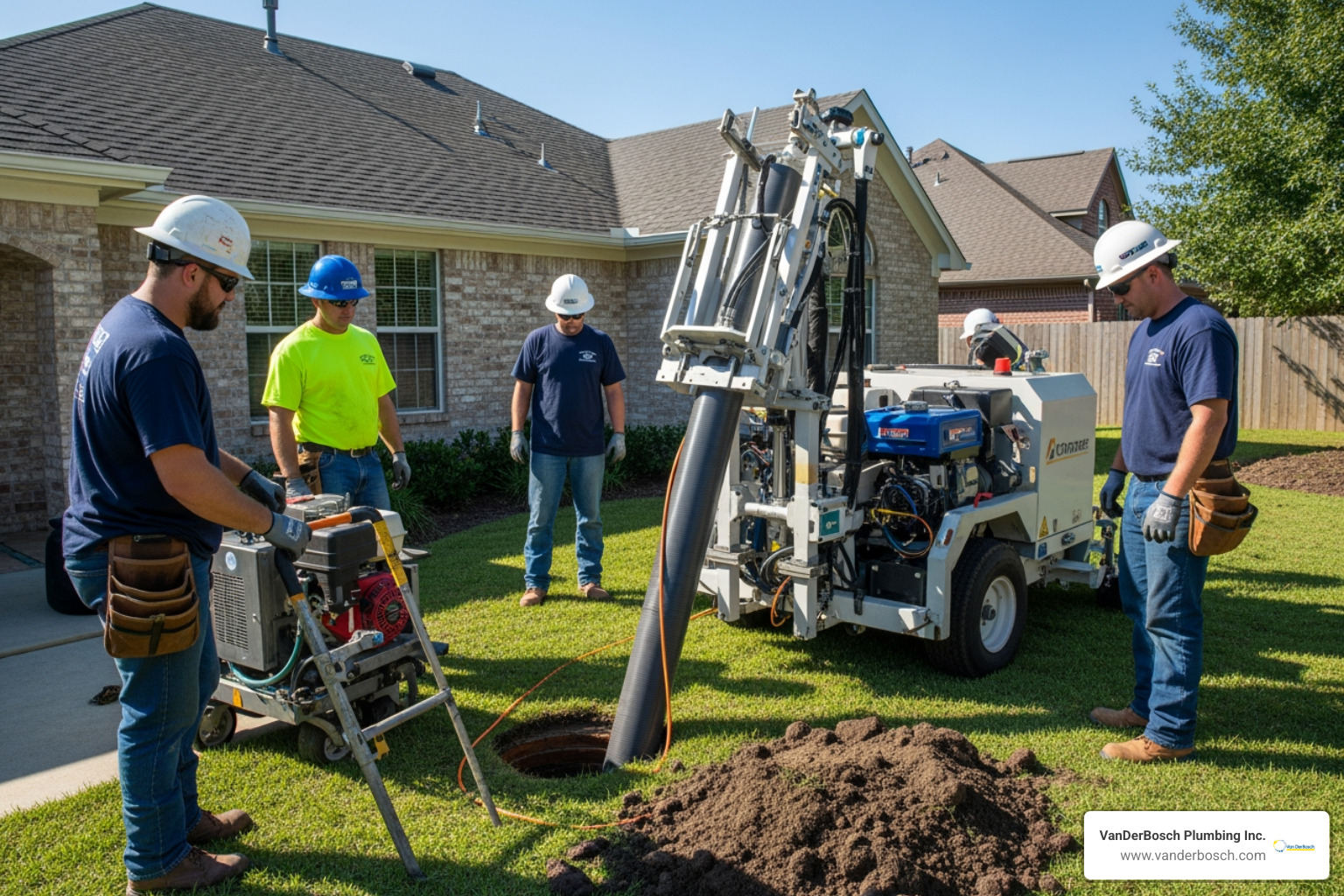
When we talk about “trenchless” technology, we are referring to a variety of “no-dig” methods used to repair or replace underground pipes with minimal disruption to the surface. For homeowners in locations like Cook County or Elmhurst, this is a game-changer. Instead of a massive trench running through your front yard, we typically only need one or two small access points.
There are two primary heavyweights in the trenchless world: Cured-in-Place Pipe (CIPP) and Pipe Bursting. Understanding What to Know About Trenchless Pipe Repairs starts with knowing how these two differ in application and structural outcome.
- Cured-in-Place Pipe (CIPP): This is essentially creating a “pipe within a pipe.” We insert a flexible, resin-saturated felt tube into the damaged sewer line. Once in place, the liner is inflated and cured using heat, steam, or UV light. This creates a smooth, jointless, and structurally sound new interior wall.
- Pipe Bursting: This method is used when the original pipe is too damaged to be lined or if you need to increase the pipe’s diameter (upsizing). A hydraulic bursting head is pulled through the old pipe, fracturing it outward while simultaneously pulling a brand-new high-density polyethylene (HDPE) pipe behind it.
Both methods restore the structural integrity of your sewer system without the “cringe-inducing” mess of traditional excavation.
CIPP Lining vs. Pipe Bursting Techniques
Choosing between these two often depends on the condition of your existing line.
CIPP Lining is ideal for pipes that are still structurally round but suffer from cracks, leaks, or root intrusion. Because it uses a resin-saturated felt liner, it can navigate slight bends. The result is a seamless pipe that is highly resistant to future root entry.
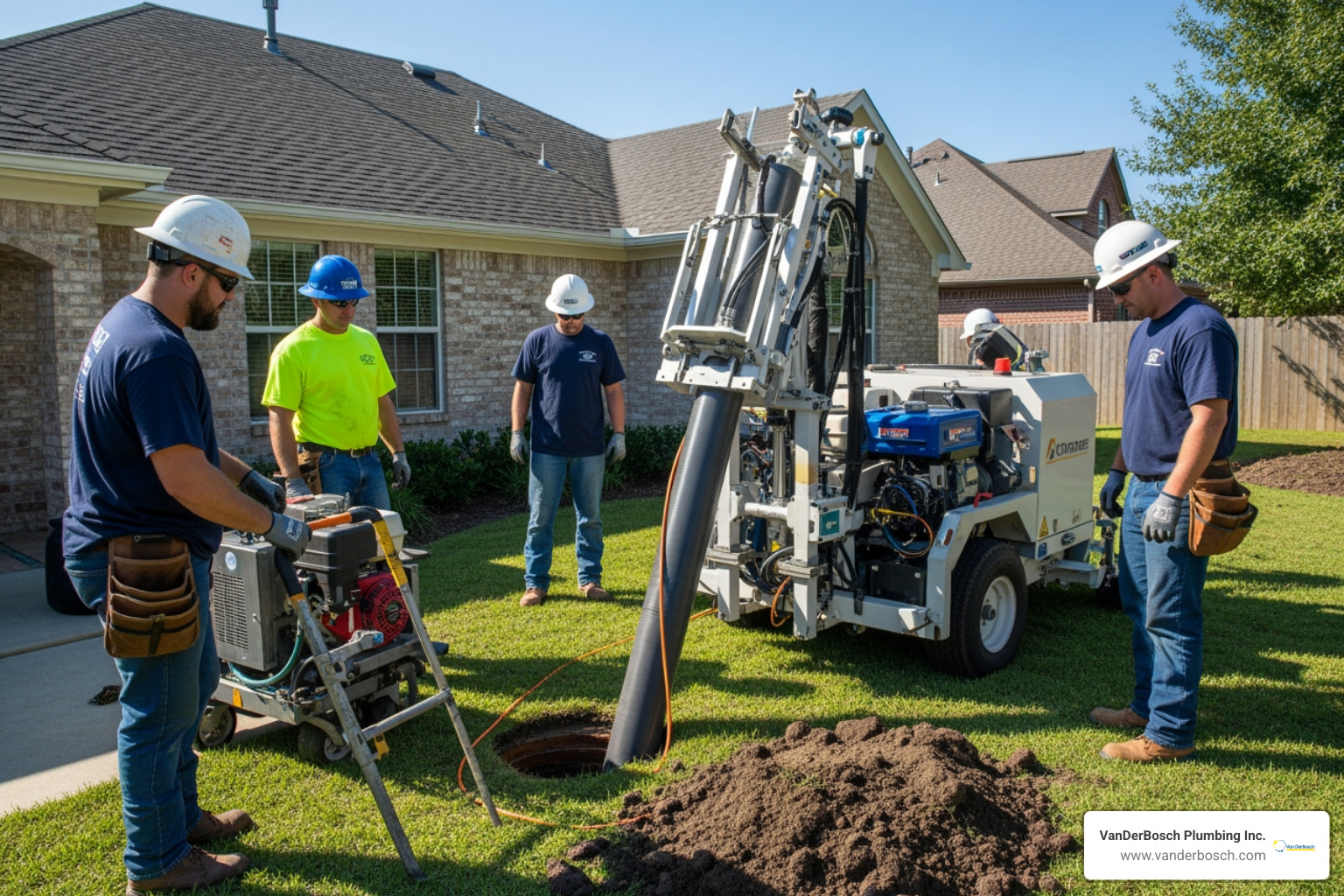
Burst pipe repair in Chicago, IL, on the other hand, is the heavy-duty solution. If your pipe has sections that are starting to collapse or if you have an old clay tile line that is beyond saving, pipe bursting is the answer. The high-density polyethylene (HDPE) pipe used in this process is incredibly durable and can last up to 100 years. According to the Environmental Protection Agency (EPA), by avoiding major excavation, these methods have a significantly smaller environmental impact and a lower carbon footprint.
Average Cost of Trenchless Sewer Repair
Budgeting for a major home repair can be stressful. In the Greater Chicago area, we find that most homeowners want a clear idea of what to expect before the cameras even go into the ground. While every property is unique, we can provide reliable project estimates based on local data.
Is the investment worth it? Many of our customers in Winnetka and Oakbrook Terrace ask, Is Trenchless Sewer Repair Worth the Cost? The answer is almost always a resounding “yes” when you factor in the speed of the repair and the lack of property damage.
| Method | Average Cost Range | Best For |
|---|---|---|
| CIPP Lining | $3,000 – $8,000 | Cracks, leaks, and root prevention |
| Pipe Bursting | $4,000 – $12,000 | Collapsed pipes or upsizing needs |
| Spot Repairs | $900 – $2,500 | Isolated damage in a single section |
| Traditional Dig | $4,000 – $25,000+ | Shallow pipes or severe structural sags |
Average cost of trenchless sewer repair per linear foot
When contractors provide quotes, they often break them down by the length of the run. The average cost of trenchless sewer repair in Chicago, IL typically falls between $60 and $250 per linear foot.
- CIPP Lining: Usually ranges from $120 to $200 per foot.
- Pipe Bursting: Usually ranges from $150 to $250 per foot.
These rates include the high-tech materials (like epoxy resins or HDPE piping), the specialized machinery required, and the skilled labor of technicians trained in advanced trenchless technology. According to How Much Does Trenchless Sewer Line Piping Cost? [2025 Data], the per-foot cost may seem higher than traditional digging at first glance, but it’s the “total project cost” where trenchless really shines.
Average cost of trenchless sewer repair by project size
The scale of the damage is the biggest price driver.
- Small-scale repairs: If you only have a small section of pipe under a porch or a specific joint that has failed, a “pull-in-place” liner or a spot repair might only cost $3,000 to $4,000.
- Full-line replacement: For a standard 40-foot run from the house to the city main, expect to pay between $6,000 and $12,000.
- Extensive or complex projects: If the line is exceptionally long (over 50-60 feet), very deep, or requires navigating multiple utility lines, costs can reach $20,000 or more.
Trenchless vs. Traditional: Comparing Total Project Expenses
To understand the real value, you have to look at the “hidden” costs of the old way of doing things. Traditional Sewer Line Repair involves bringing in a backhoe, digging a 6-to-10-foot deep trench across your property, and hauling away tons of dirt.
While the raw plumbing labor for traditional digging might sometimes be lower (around $50–$250 per foot), the collateral damage is where the bill skyrockets.

Hidden Costs of Traditional Dig-and-Replace
When you dig a trench, you aren’t just paying for the pipe. You are paying for the destruction—and subsequent restoration—of everything sitting on top of that pipe.
- Landscaping: Replacing sod, bushes, and trees can cost anywhere from $300 to $10,000.
- Driveways: The cost to repair a driveway typically falls between $799 and $2,603.
- Patios and Walkways: Replacing a concrete patio or walkway usually costs between $665 and $3,000.
When you add these restoration fees—which can easily total $2,000 to $10,000—the average cost of trenchless sewer repair often ends up being 20% to 40% cheaper than the traditional alternative.
Key Factors Influencing Your Trenchless Repair Quote
Why is one neighbor’s quote $6,000 while another’s is $11,000? Several variables come into play. According to How Much Does Sewer Line Replacement Cost in 2025?, these factors can swing a quote significantly:
- Pipe Length and Diameter: More material and more time on-site naturally increase the price.
- Depth of the Line: Even in trenchless repair, we need access pits. If your sewer line is 12 feet deep instead of 4 feet deep, those pits require more labor and safety shoring.
- Accessibility: Is the access point in an open yard or under a finished basement floor? Limited space for equipment can increase labor costs.
- Soil Conditions: Hard, rocky soil or very wet, unstable clay can make pipe bursting more difficult and time-consuming.
Impact of Pipe Condition and Material
The material of your existing pipe also dictates the method and cost.
- Clay Tile and Cast Iron: These are common in older Chicago homes. They are excellent candidates for CIPP lining if they are still round. However, if they have “bellys” (sags) or have collapsed, pipe bursting is required.
- Orangeburg Pipe: Made of layers of wood pulp and tar, these pipes are notorious for flattening over time. You cannot line a flattened pipe; it must be replaced via pipe bursting or traditional digging.
- Tree Root Intrusion: If roots have completely filled the pipe, we must perform extensive hydro-jetting to clear the line before we can install a liner.
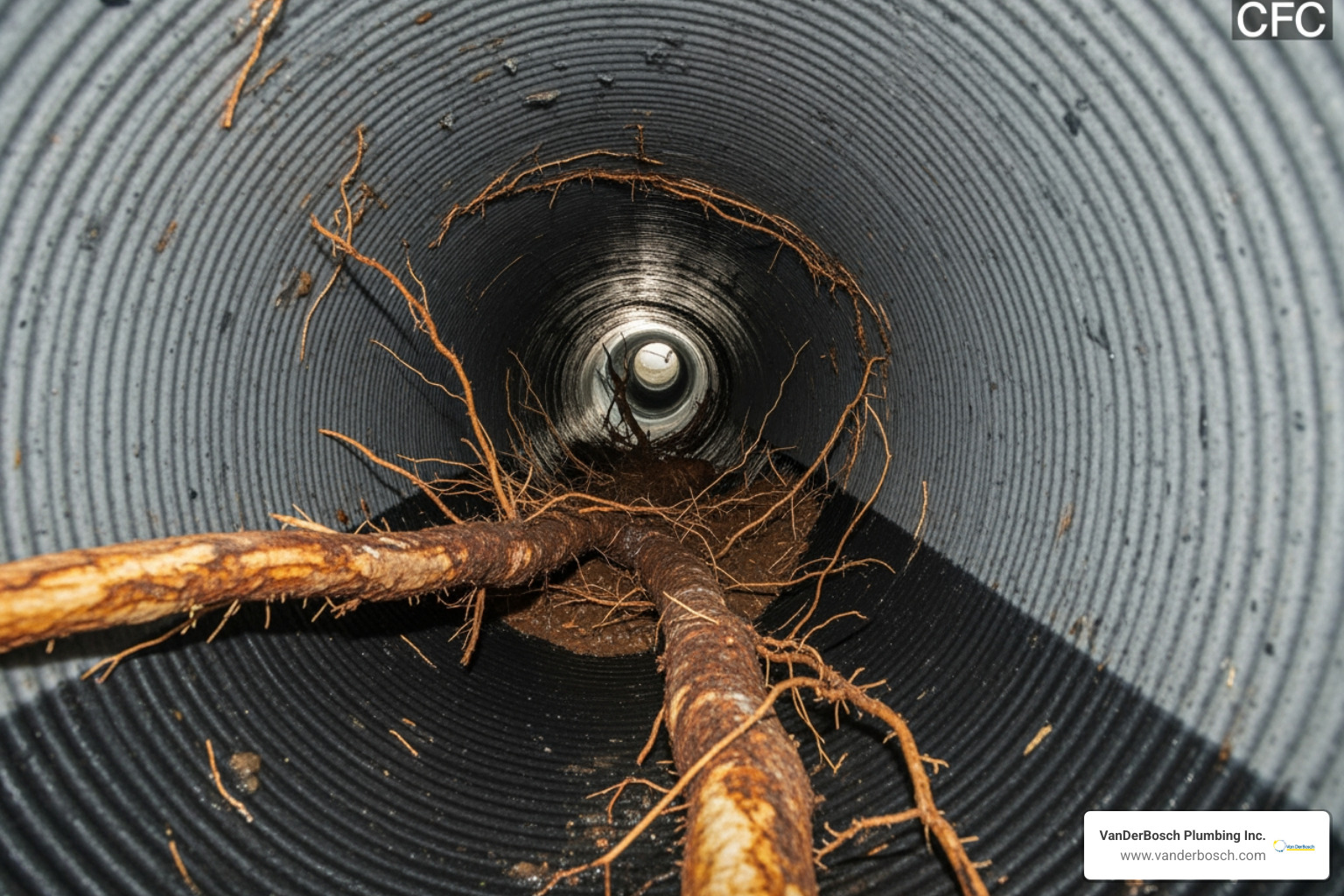
Knowing the Signs a Sewer Line May Need Repair or Replacement—like gurgling toilets or lush, soggy patches in the yard—can help you catch the problem before the pipe completely collapses.
Additional Costs: Permits, Inspections, and Restoration
A professional quote should be transparent and include the “extras” that often surprise homeowners.
- CCTV Camera Inspection: This is the most important step. A high-definition camera allows us to see exactly what’s wrong. Expect to pay $175 to $500 for a professional diagnostic.
- Municipal Permits: Most Chicagoland municipalities (like Roselle or Niles) require permits for sewer work. These can cost up to $1,000 depending on the local building department.
- Cleanout Installation: If your home doesn’t have an exterior cleanout (an access point for the sewer), we may need to install one. This usually costs between $500 and $1,000.
- Backflow Preventer: We highly recommend installing a backflow preventer to protect your home from city sewer surcharges. This typically adds $150 to $1,150 to the total.
- Utility Marking: Before any digging for access pits, we must have “JULIE” or local utility locators mark underground gas, electric, and water lines.
Frequently Asked Questions about Trenchless Sewer Repair
How long does a trenchless sewer repair last?
A professionally installed trenchless repair is considered a permanent solution. CIPP liners are engineered to last a minimum of 50 years, while the HDPE pipe used in pipe bursting has a lifespan of 75 to 100 years—and in some soil conditions, potentially even longer. These materials are immune to the corrosion that kills cast iron and the root intrusion that destroys clay.
Does insurance cover trenchless sewer repair?
Standard homeowners insurance often does not cover sewer line wear and tear or root damage. However, many homeowners in Illinois have added a “Service Line Coverage” endorsement to their policies. This rider typically covers the average cost of trenchless sewer repair for accidental breaks or collapses. It’s always worth calling your agent to check for this specific coverage.
Is trenchless repair possible for a collapsed pipe?
It depends on the severity. If a pipe is “offset” (the joints have moved) or has a small break, pipe bursting can usually handle it. However, if the pipe has completely pancaked or has a severe “belly” (a structural sag where water pools), trenchless methods may not be able to restore the proper grade. In those rare cases, a traditional “point repair” or excavation might be necessary to fix the slope of the line.
Conclusion
Dealing with sewer issues is never fun, but modern technology has made it far less of a nightmare for Chicagoland residents. By choosing trenchless methods, you preserve your property’s value, save weeks of construction headaches, and often save money on the total project bottom line.
At VanDerBosch Plumbing Inc., we pride ourselves on providing the most advanced Trenchless Pipe Repair services in the Greater Chicago area. From Sauganash to Hyde Park, our background-checked technicians are available 24/7 to diagnose your sewer issues with transparent, upfront pricing and a 100% satisfaction guarantee.
Don’t let a sewer backup ruin your week. If you’re concerned about your sewer line, contact us today for a professional camera inspection. We’ll help you understand the average cost of trenchless sewer repair in Chicago, IL for your specific home and get your drains flowing freely again—without digging up your life.