
Why Quick Action on Drain Pipe Damage Saves You Money and Headaches
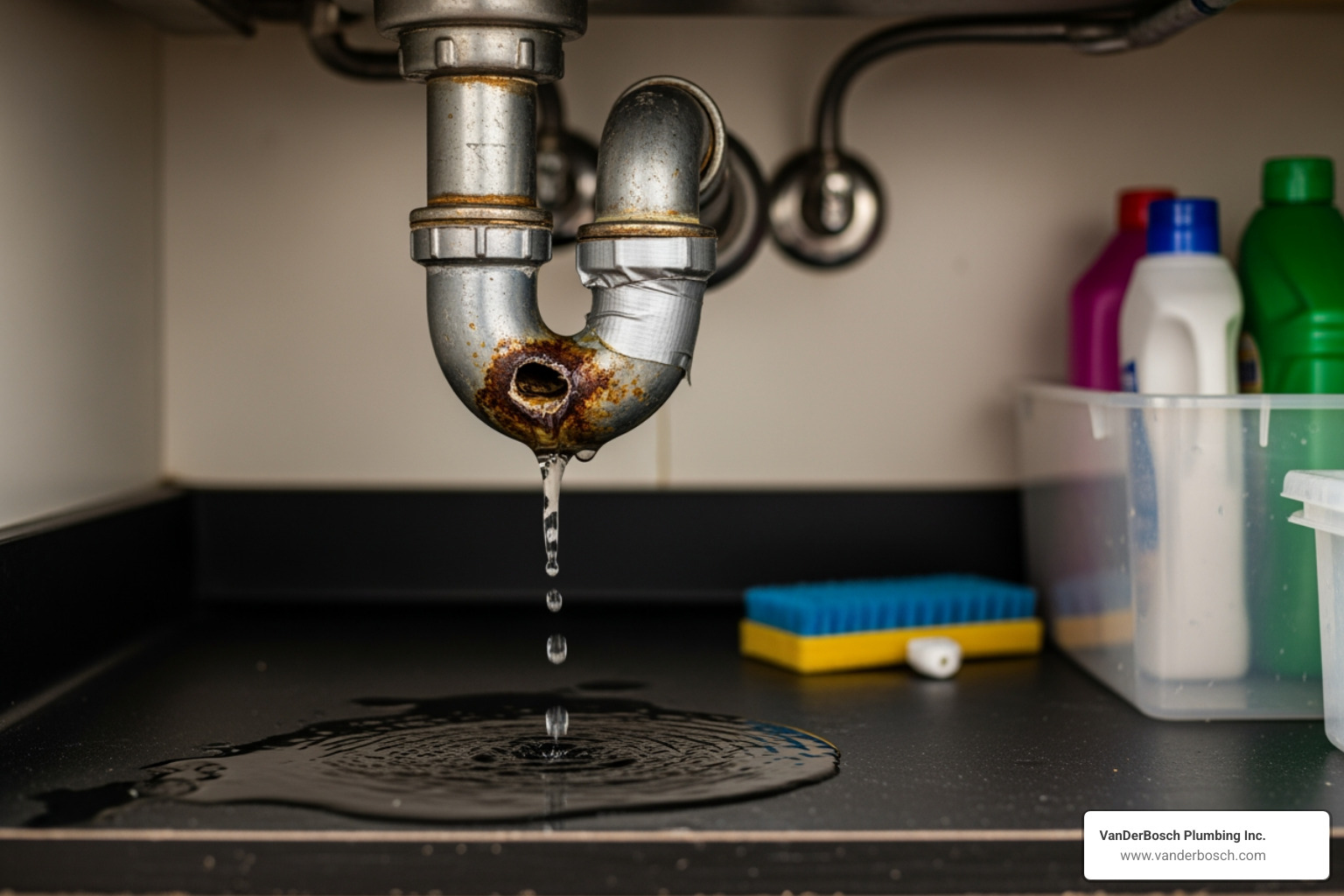
Drain pipe repair is often urgent—a small leak can quickly escalate into serious water damage, mold growth, and even structural problems in your Chicagoland home or business. Whether you’re dealing with a cracked PVC pipe under your sink or a broken sewer line in your yard, understanding your repair options can help you act fast and avoid costly disasters.
Quick Answer: How to Repair a Drain Pipe
- Identify the damage – Look for leaks, cracks, or persistent clogs
- Assess severity – Small cracks may be DIY-fixable; major breaks need professionals
- Temporary fixes – Use rubber clamps, repair tape, or epoxy putty to stop leaks immediately
- Permanent DIY repairs – Cut out damaged sections and replace with new pipe using solvent cement
- Professional solutions – Consider trenchless methods like pipe lining or pipe bursting for underground or extensive damage
- Test thoroughly – Run water through the repaired pipe and monitor for 24 hours
The reality is stark: if you have a leaking drain pipe, it is almost imperative that you fix it immediately. A leak can start out small but quickly grow into a big problem, as research shows. The good news? Many drain pipe repairs are within reach of a DIYer with basic tools, and even when professional help is needed, modern trenchless technology means minimal disruption to your property.
From identifying warning signs like foul odors and water stains to choosing between epoxy patches and full pipe replacement, this guide walks you through everything you need to know about drain pipe repair. You’ll learn which fixes you can tackle yourself, when to call in the experts, and how to prevent future problems.
Spotting the Problem: Signs and Causes of Drain Pipe Damage
Before you can fix a drain pipe, you need to know what to look for. Since pipes are mostly hidden, problems can go unnoticed, leading to serious and expensive issues for your property in Chicago, Roselle, Elmhurst, or elsewhere in Chicagoland.
Telltale Signs Your Drain Pipe Needs Repair
Recognizing the signs early can save you significant stress and money. Here’s a detailed list of what to look for:
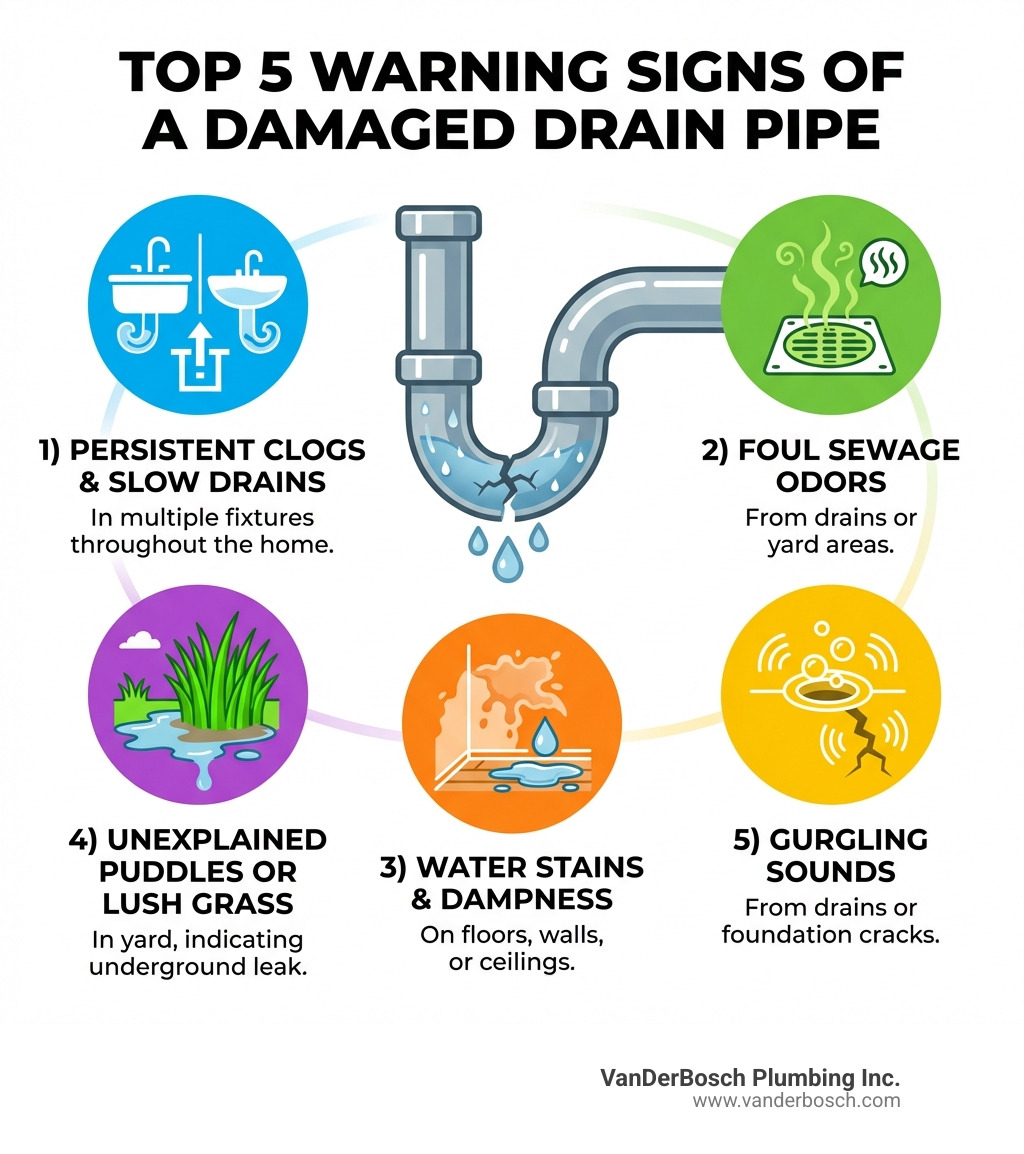
- Persistent Backups & Slow Drains: If your sinks, tubs, or toilets are frequently backing up or draining slowly, it’s a clear indication of a blockage or pipe damage.
- Unpleasant Sewer Gas Smells: A persistent, foul smell resembling sewage from your drains or yard is a strong indicator of a cracked pipe. Sewer gas can also be a health hazard.
- Dampness or Mold Growth: Unexplained damp spots, discoloration, or mold on walls, floors, or ceilings often point to a hidden leak.
- Lush Patches of Grass: An unusually green patch of grass in your yard can signal a broken underground drain pipe, as the escaping wastewater acts as a fertilizer.
- Gurgling Sounds: Gurgling from your drains can indicate trapped air in the system due to a blockage or a damaged pipe.
- Insect or Rodent Problems: Leaking sewer lines provide water and an entry point for pests. An increase in rodents or insects could be linked to a damaged drain pipe.
- Foundation Issues: Persistent leaks can saturate and erode the soil around your home’s foundation, leading to cracks and structural damage.
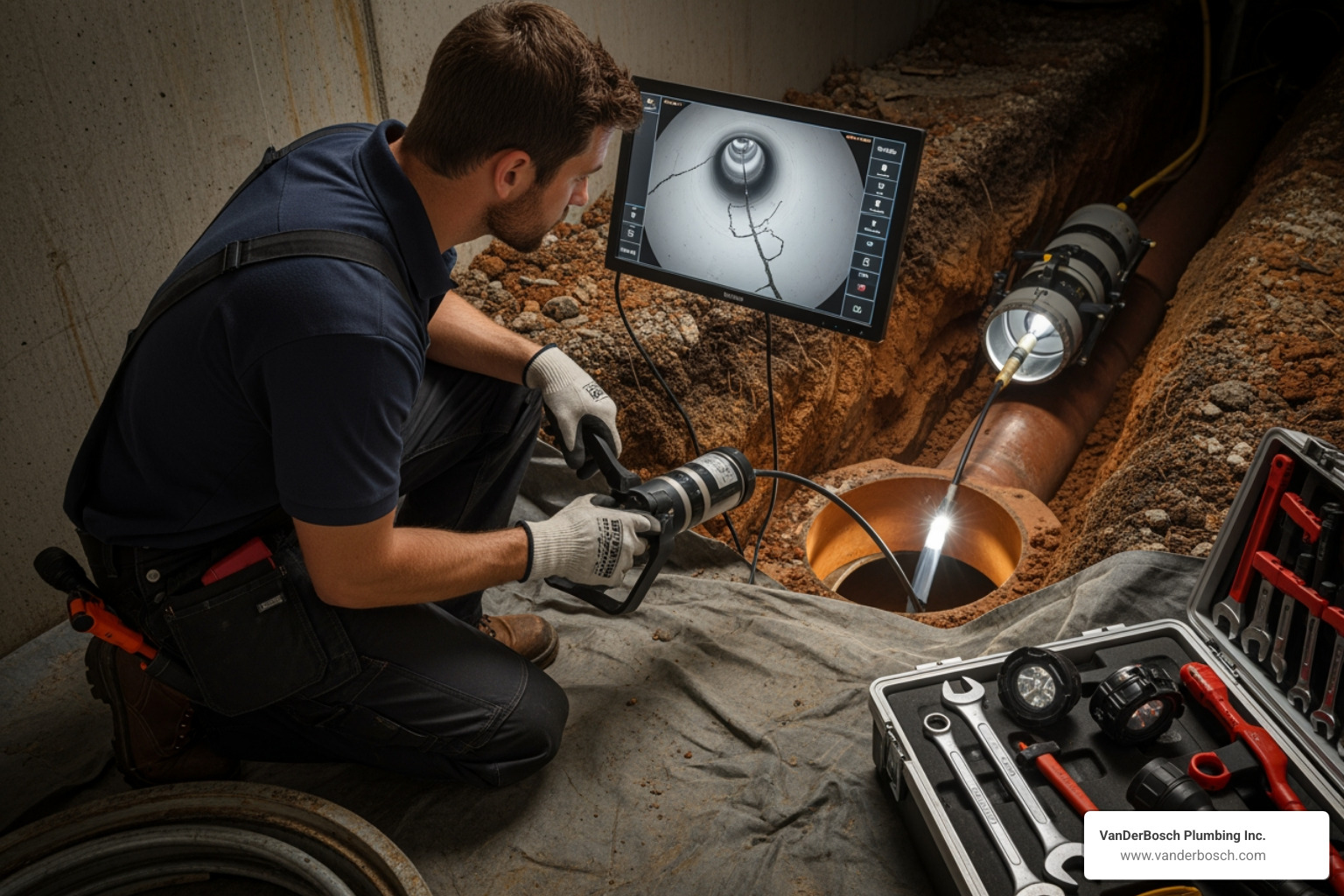
When these signs appear, it’s crucial to investigate. A professional sewer video inspection can pinpoint the exact location and nature of the damage. If you suspect your main line is compromised, learn more about the signs a sewer line may need repair or replacement.
Common Causes of Pipe Damage
Drain pipes are resilient, but several factors can lead to damage:
- Tree Roots: Roots seek moisture and can invade even tiny cracks in pipes, causing blockages and expansion. Learn more about dealing with intrusive tree roots and how tree growth can wreak havoc on plumbing.
- Old Age & Material Degradation: Older cast iron or clay pipes are prone to cracking and corrosion. A sewer line’s typical lifespan is around 50 years.
- Ground Movement: Chicagoland’s freezing and thawing cycles can cause the ground to shift, stressing pipes and leading to cracks or misalignment.
- Clogs and Blockages: Pressure from persistent clogs caused by grease or foreign objects can rupture pipes. See the 5 reasons your drain is clogged.
- Physical Impact: Accidental damage during construction or from heavy traffic can crack or break underground pipes.
- Corrosion: Chemicals and minerals in wastewater can cause pipes, especially metal ones, to corrode from the inside out. Find out more about why pipes burst.
DIY Fixes: From Temporary Patches to Minor Repairs
Sometimes, you need a quick fix to stop a leak until a permanent solution can be arranged, or you might be able to tackle a minor drain pipe repair yourself. Because drain pipes are not pressurized like water supply lines, temporary repairs can be surprisingly effective.
Before any DIY repair, prepare the pipe. Ensure the area is completely dry, then clean the surface with a wire brush or sandpaper to remove grime and rust. A clean, rough surface helps repair materials adhere. Always wear gloves and safety goggles.
How to Temporarily Fix a Leaking Drain Pipe
These methods are for immediate relief and are not permanent solutions.
- Rubber and Hose Clamps: Wrap a piece of rubber tightly around the leak and secure it with hose clamps. This works best on straight pipe sections.
- Silicone Repair Tape: This self-fusing tape creates a watertight seal. Stretch it tightly as you wrap it around the leak, overlapping as you go.
- Pipe Wrap that Hardens: These fiberglass cloths are coated with a water-activated resin. You wrap them around the pipe, and they harden into a rigid patch. You can find these pipe wraps that harden in most hardware stores.
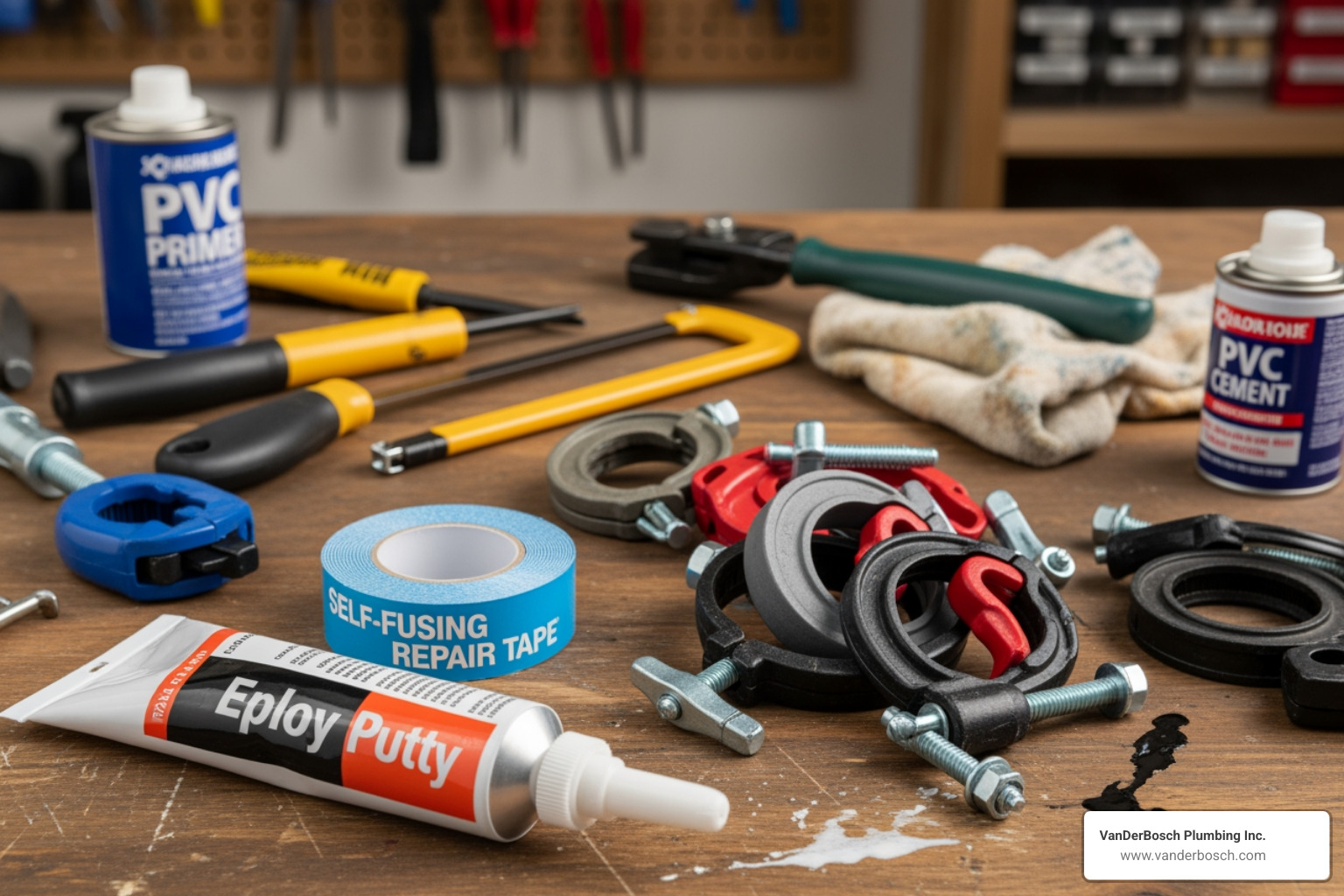
Essential Tools and Materials for DIY Drain Pipe Repair
- Repair Epoxy: Epoxy putty or liquid epoxy is great for sealing small cracks and leaks, especially at fittings.
- Fiberglass Wrap/Repair Tape: For patching cracks in straight pipe sections.
- Pipe Clamps & Hose Clamps: For securing rubber patches.
- PVC/ABS Solvent Cement & Primer: For permanently joining plastic pipes.
- Pipe Cutter or Hacksaw: For cutting out damaged pipe sections.
- Sandpaper/Emery Cloth: For cleaning and preparing pipe surfaces.
- Safety Gear: Gloves and safety goggles are a must.
Step-by-Step Guide to Permanent DIY Drain Pipe Repair
For plastic drain pipes, the best DIY repair is often replacing the damaged section.
- Prepare the Area: Turn off the water supply to the fixture. Clean and dry the area around the leak.
- Cut Out the Damage: Use a pipe cutter or hacksaw to remove the cracked or broken section of pipe. Make your cuts clean and straight.
- Measure and Cut Replacement: Measure the gap and cut a new piece of pipe to fit. Dry-fit the new piece with any necessary couplings to ensure it’s the right size.
- Prepare Pipe Ends: Clean and deburr the cut edges of all pipes and fittings with sandpaper.
- Apply Primer and Cement: For PVC (white) pipe, apply PVC primer to the outside of the pipe ends and the inside of the fittings, followed by PVC solvent cement. For ABS (black) pipe, apply ABS solvent cement directly (primer is not usually needed).
- Assemble and Cure: Quickly push the pieces together with a slight twist to spread the cement. Hold firmly for 30 seconds. Allow the cement to cure fully according to the manufacturer’s instructions (typically 1-24 hours) before use.
- Test the Repair: Once cured, run water through the drain and carefully check the repair for any leaks. Monitor it for the next 24 hours to be sure the seal is complete.
Advanced & Professional Drain Pipe Repair Methods
While DIY fixes are great for minor leaks, some situations require professional expertise, especially for underground drain pipes, main sewer lines, or extensive damage.
When deciding between repair and replacement, a professional will consider the damage, pipe age, and long-term cost-effectiveness. Traditional repair involves digging a trench, which can be disruptive. However, modern trenchless technology offers a less invasive alternative.
When to Replace a Drain Pipe Instead of Repairing It
Replacement is the smarter long-term solution in these cases:
- Widespread Damage: If an old pipe (especially cast iron or clay) has extensive corrosion or multiple weak spots.
- Frequent Problems: If you’re constantly dealing with new leaks or recurring backups, it points to a systemic issue.
- Collapsed Pipe: A crushed or severely misaligned pipe cannot be patched and must be replaced.
- Old Age: Pipes nearing the end of their 50-year lifespan are prime candidates for replacement to prevent future failures.
- Cost-Effectiveness: If the cost of multiple repairs will exceed the cost of a full replacement.
If you suspect a major issue, exploring our Sewer Line Repair Services can provide clarity.
Trenchless Repair Methods: Pipe Lining and Pipe Bursting
Trenchless sewer repair is a no-dig solution that minimizes property damage and is often faster and more cost-effective than traditional excavation.
- Cured-In-Place Pipe (CIPP) Lining: This method involves inserting a resin-saturated liner into the damaged pipe. The liner is inflated and cured, creating a strong, seamless “pipe within a pipe.” It seals cracks and restores structural integrity without digging. CIPP is excellent for repairing localized defects like cracks and joint failures.
- Pipe Bursting: This technique pulls a new pipe through the old one, fracturing the old pipe outward. It simultaneously replaces the old line with a new, durable one of the same or even a larger diameter. This is ideal for pipes that are too damaged for lining.
Both methods avoid the need for extensive excavation, preserving your yard and driveway, which saves time and money on restoration. For more details, see the EPA’s Fact Sheet on Trenchless Sewer Rehabilitation and our guide on What to Know About Trenchless Pipe Repairs.
Comparing Drain Pipe Repair Methods
Here’s a quick overview of your options:
| Method | Best For | Pros | Cons | DIY-Friendly? |
|---|---|---|---|---|
| Epoxy/Putty | Small, accessible cracks or holes. | Quick, easy, inexpensive. | Temporary; not for large cracks or pressure. | Yes |
| Tape/Wrap | Small cracks on straight pipe sections. | Fast application, good seal. | Temporary; less effective on joints. | Yes |
| Clamps | Pinhole leaks or cracks on straight pipes. | Strong temporary fix, reusable. | Bulky; not for joints or bends. | Yes |
| Section Replacement | Larger cracks or damaged fittings on accessible plastic pipes. | Permanent, reliable, strong bond. | Requires cutting pipe, proper tools/skills. | Yes (for confident DIYers) |
| Pipe Lining (CIPP) | Long sections with cracks, root intrusion, or corrosion. | No-dig, durable, seamless, fast. | Professional job, higher initial cost. | No |
| Pipe Bursting | Collapsed or severely damaged pipes needing full replacement. | No-dig, replaces old pipe, can upsize diameter. | Professional job, requires access points. | No |
The Bottom Line: Risks, Costs, and When to Call a Professional
Even with the best intentions, some drain pipe issues are beyond the scope of a DIY repair, or they pose risks that only a professional should handle.
Understanding the Costs of Drain Pipe Repair
The cost of drain pipe repair varies based on the damage, pipe location, and repair method.
- DIY Repair Costs: Materials for a temporary fix, like epoxy or repair tape, are affordable, typically costing $5 to $25.
- Professional Repair Cost Factors: Costs are influenced by the severity of damage, pipe location (under a sink vs. underground), pipe material, and labor rates. Emergency calls also cost more. At VanDerBosch Plumbing, we offer transparent pricing with no service charges and 24/7 availability.
- Trenchless vs. Traditional Costs:
- Trenchless Repairs: While the initial cost might seem higher, the total cost is often lower than excavation because it eliminates the need for extensive digging and landscape restoration. Costs can range from a few thousand to over $10,000.
- Excavation Repairs: Traditional dig-and-replace methods can cost $10,000 to $20,000 or more, as they include labor for digging and significant restoration costs for your property.
Always get a detailed estimate from a professional plumber for larger jobs.
When You Should Always Call a Professional Plumber
For certain situations, calling a licensed plumber is a necessity:
- Main Sewer Line Issues: Problems with the main line connecting your home to the municipal sewer are complex and not DIY projects.
- Underground Pipe Breaks: Locating and repairing underground pipes requires specialized equipment like sewer cameras to avoid damaging other utilities.
- Extensive Damage: Severely corroded, collapsed, or cracked pipes require professional replacement or trenchless solutions.
- Lack of Proper Tools or Experience: A botched DIY repair can lead to more costly damage. If you’re not confident, call a professional.
- Recurring Problems: If a leak or clog keeps returning, it signals a deeper issue that needs professional diagnosis.
- Sewer Gas Odors: Persistent sewer gas smells indicate a serious problem and potential health hazard that requires immediate professional attention.
- Need for a Sewer Video Inspection: For an accurate diagnosis of hidden problems, a professional video inspection is essential.
Our experienced technicians at VanDerBosch Plumbing are equipped to handle any drain pipe repair, ensuring the job is done right the first time.
Frequently Asked Questions about Drain Pipe Repair
What is the difference between repairing PVC and ABS drain pipes?
PVC (white) and ABS (black) are common plastic drain pipes with key repair differences:
- Cement: They require different types of solvent cement. You cannot use PVC cement on ABS pipes or vice-versa.
- Primer: PVC pipe requires a primer to be applied before the cement to ensure a strong chemical weld. ABS cement is a one-step process and typically does not need a primer.
- Permanent Repair: Because the joints are chemically fused, a permanent repair for a leak in either type of pipe requires cutting out the damaged section and replacing it with new pipe and fittings, using the correct cement for the material.
How do I test a repaired drain pipe to ensure it’s leak-free?
Testing is a critical final step for any drain pipe repair.
- Cure: Allow any glue or epoxy to fully cure according to the manufacturer’s instructions.
- Test: Run water through the drain, starting with a small amount and then increasing the flow.
- Inspect: Visually and manually check the repaired area for any drips or moisture.
- Monitor: Place a dry paper towel under the repair and check it periodically over the next 24 hours to catch any slow leaks.
If you find a leak, the repair has failed and needs to be redone.
What are the risks of ignoring a damaged drain pipe?
Ignoring a damaged drain pipe will lead to more expensive and serious problems. The primary risks include:
- Water Damage: A slow leak can saturate and ruin drywall, flooring, and structural wood, leading to costly home repairs.
- Mold and Mildew: Constant moisture creates a breeding ground for mold, which can damage your home and pose serious health risks.
- Foundation Damage: Leaks from underground pipes can erode soil, causing your home’s foundation to shift, settle, and crack.
- Health Hazards & Pests: Leaking sewer lines can release raw sewage and hazardous gases into your home. The moisture and waste also attract pests like rodents and insects.
Conclusion
Navigating drain pipe repair can seem daunting, but armed with the right knowledge, you’re well-equipped to tackle minor issues or make informed decisions about professional assistance. We’ve explored everything from the subtle signs of damage and common culprits like tree roots and aging pipes, to immediate DIY fixes and advanced trenchless technologies.
Acting quickly on any signs of drain pipe damage is paramount to preventing minor inconveniences from escalating into major disasters. While temporary patches can buy you time, and permanent DIY repairs are feasible for certain situations, understanding the limits of your own expertise is crucial. For complex problems, especially those involving underground pipes or your main sewer line, professional help ensures a safe, effective, and long-lasting solution.
At VanDerBosch Plumbing Inc., we pride ourselves on being your trusted partner for all plumbing needs in Chicagoland. With our 24/7 availability, transparent pricing (no service charges!), and a team of experienced, background-checked technicians, we offer a 100% satisfaction guarantee on all our services. We’re here to provide expert, minimally-invasive solutions that restore peace of mind to your home or business.
For expert, minimally-invasive solutions in Chicagoland, explore our Trenchless Pipe Repair services.