
Last Updated: November 2, 2026
Quick Summary
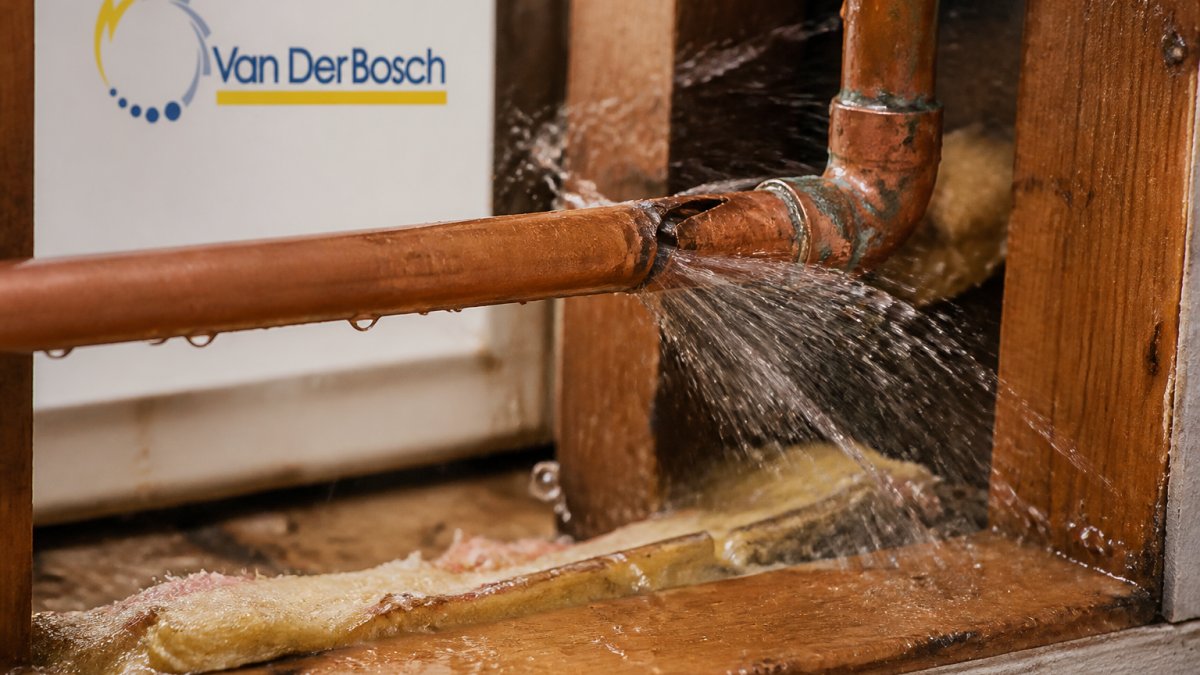
Burst pipes usually fail for one of five reasons: freezing water, excess pressure, corrosion, physical movement, or a blockage that backs pressure up. In winter, the split is typically a pressure failure caused by an ice plug trapping water between it and a closed valve, not simple expansion at the freeze point. Shut off the main water valve and call a licensed plumber.
- Water expands as it freezes, and the split often happens at a joint, bend, or worn section.
- Pipes in crawl spaces, garages, exterior walls, and basements are the first to freeze.
- A failed pressure-reducing valve or a sudden surge can wear down joints and fittings.
- Older galvanized steel rusts from the inside out, while copper thins and develops pinhole leaks.
- Never thaw a frozen pipe with an open flame, torch, or heat gun on high.
Table of Contents
- What Causes a Water Pipe to Burst?
- What Causes Pipes to Burst in Winter?
- How to Tell if a Pipe Burst in the Wall
- How to Stop Pipes from Bursting
- Burst Pipe Repair: What to Do First and When to Call a Plumber
- Schedule Burst Pipe Repair with VanDerBosch Plumbing Inc.
- Frequently Asked Questions
What Causes a Water Pipe to Burst?
Burst pipes usually fail for one of five reasons: freezing water, excess pressure, corrosion, physical movement, or a blockage that backs pressure up. The pattern behind these failures is rarely random. The common causes of burst pipes tend to leave clues, and those clues tell you what kind of repair you are facing.
Here is the short version before the detail:
| Cause | Typical Warning Sign | Most Common Pipe Type |
|---|---|---|
| Freezing and ice expansion | No water, frost on pipe, bulging section | Copper, PEX, galvanized steel |
| High pressure and surges | Banging, dripping relief valve, fast flow | Any supply line |
| Corrosion and deterioration | Discolored water, pinhole leaks | Galvanized steel, old copper |
| Movement and water hammer | Noise on shutoff, loose straps | Any, especially long runs |
| Clogs and joint failure | Slow drains, damp joints | Drain lines, older fittings |
Freezing Temperatures and Ice Expansion
Water expands as it freezes (Essential Tasks After it Warms Up). That expansion has to go somewhere, and the pipe wall loses that argument.
The National Weather Service guidance on winter pipe protection notes that pipes in unheated areas are the first to go. For a deeper look at why this happens, read our guide on why pipes burst.
High Water Pressure and Pressure Surges
Pressure that runs too high wears on every joint and fitting in the system. A pressure-reducing valve that has failed is a common culprit. So is a sudden surge when a utility line changes or a nearby hydrant gets used.
Watch for banging pipes, a dripping relief valve, or faucets that spray harder than they used to.
Corrosion, Aging Pipes, and Pipe Deterioration
Older galvanized steel rusts from the inside out. Copper develops pinhole leaks as it thins. By the time you see the leak, the wall is often already weak.
Signs include rusty water, blue-green staining, and repeated leaks in the same area. If you are dealing with a leaking copper line, our guide on fixing a leaking copper pipe covers temporary options and when to call us.
Pipe Movement, Vibration, and Water Hammer
Pipes need support. When straps loosen or the pipe shifts with temperature changes, stress builds at the joints. A water hammer, that loud bang when a valve closes, adds a pressure spike on top of it.
Loose pipes in a basement ceiling are a classic setup. So are long runs without enough hangers.
Clogs, Restricted Water Flow, and Joint Failure
A blocked drain does not just back up water. It can trap pressure and stress the joints upstream. Old fittings and weak solder joints fail first.
Slow drains across several fixtures point to a main line issue, not a single sink clog.
What Causes Pipes to Burst in Winter?
Winter is the peak season because cold weather pushes pipes past their limit. The FEMA guidance on frozen pipes points to the same risk areas we see every year: attics, crawl spaces, garages, and any pipe against an exterior wall.
Most people assume a pipe bursts because ice expands and pushes the wall outward at the point where it freezes. That is only part of the story, and it is the part that leads homeowners to check the wrong spot.
The Real Mechanism: Ice Block, Trapped Water, Rising Pressure
Here is what actually happens, step by step:
- Cold air chills a section of pipe, usually where it runs through an unheated space or against an exterior wall.
- Water inside that section freezes into a solid plug. The plug does not fill the whole run, it forms a blockage somewhere along it.
- Between that ice plug and the nearest closed faucet or valve, liquid water is now trapped with nowhere to go.
- As more water freezes and the ice plug grows, it pushes against that trapped water, and pressure between the plug and the closed fixture climbs fast.
- The pipe splits, often not at the ice plug itself, but somewhere between the plug and the closed valve, where pressure is highest. That is why a burst can show up feet away from the frozen section.
This is the detail most winter guides skip. The split is a pressure failure, not a simple expansion failure, and it explains why a pipe can burst in a spot that never dropped below freezing.
Why the Damage Often Shows Up After the Thaw
While the ice plug is still in place, it can act like a cork. The split may leak little or nothing. Once temperatures rise and the ice melts, water flows freely through the crack, and that is when a ceiling stains, a wall soaks through, or a basement starts taking on water. A common pattern is a homeowner who notices nothing during a cold snap and then finds water a day or two after the warm-up.
Where the Risk Is Highest
The same locations come up again and again:
- Pipes in exterior walls, especially on the north-facing side of older homes
- Crawl spaces, attics, and garages that are poorly insulated or vented
- Pipes running along an unheated basement wall
Older housing stock can add risk because original plumbing may run through uninsulated exterior walls or along the rim joist, where cold air reaches it directly.
What You Can Safely Check
You can look for the warning signs without opening walls or touching the pipe itself:
- Frost visible on a pipe in a basement or crawl space
- A faucet that suddenly runs slowly or not at all during cold weather
- A bulge or visible distortion in a pipe run
If you find frost or a suspected frozen section, do not use an open flame, a torch, or a heat gun on high to thaw it.
Prevention matters more than reaction here. Our guide on repairing frozen pipes the right way walks through safe thawing, and our frozen and burst pipe repair service is set up for the cases where the pipe has already split.
How to Tell if a Pipe Burst in the Wall
Look for water stains on ceilings and walls, a musty smell, the sound of running water when nothing is on, or a sudden drop in water pressure.
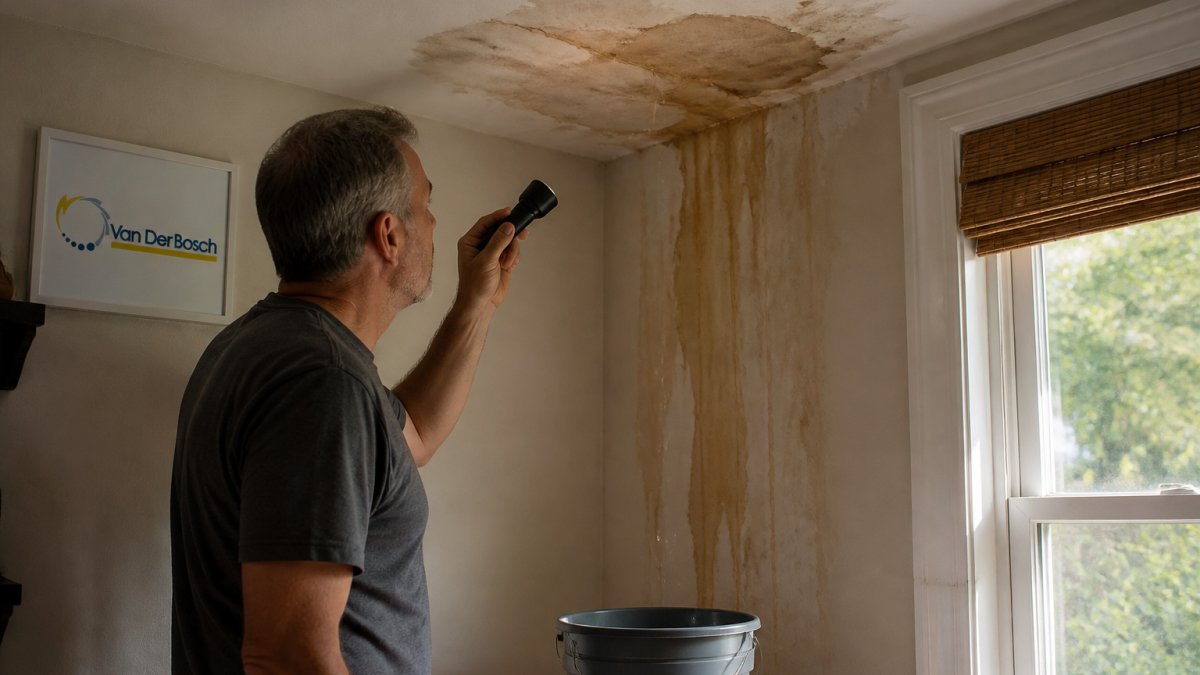
Other clues include:
- Paint bubbling or peeling on a wall
- Damp drywall that feels soft to the touch
- A water meter that keeps spinning with all fixtures off
Do not open the wall yourself if water is actively flowing. Shut off the main valve first.
How to Stop Pipes from Bursting
Prevention comes down to keeping pipes warm, keeping pressure in range, and catching wear early. A few practical steps go a long way:
- Insulate exposed pipes in crawl spaces, garages, and attics
- Disconnect garden hoses before the first freeze
- Keep cabinet doors open under sinks on exterior walls during cold snaps
If a pipe does burst, our guide on fixing a burst pipe in winter covers emergency steps and shutoff guidance.
Burst Pipe Repair: What to Do First and When to Call a Plumber
Shut off the main water valve, then cut power to any area where water is near outlets or fixtures. That order matters. Water plus electricity is the real danger, not the mess.
The Immediate Sequence
Work through these in order. Do not skip ahead to cleanup while water is still flowing.
- Shut off the main water valve. If you do not know where it is, find it now, before you need it. In most homes it is near the water meter, in a basement, crawl space, or utility closet.
- Cut power to affected areas. If water is anywhere near outlets, switches, a panel, or a fixture, turn off the breaker for that area at the panel. Do not stand in standing water to do it.
- Open a low faucet, a basement sink or hose bib, to drain remaining pressure and give the trapped water somewhere to go.
- Move valuables and electronics away from the water, and put towels or a bucket down to limit spread.
- Document the damage with photos before you clean up, for insurance purposes.
- Call a licensed plumber. A burst pipe is not a DIY repair, and a temporary clamp or tape is a stopgap, not a fix.
Watch out: never try to thaw a frozen pipe with an open flame, a torch, or a heat gun on high. That is how house fires start, and it can also crack the pipe. Use only safe, gradual warming methods, and call a plumber if you are unsure.
How to Identify the Likely Cause After a Burst
Once the water is off, the clues around the break tell you what kind of repair you are facing. A plumber will use the same checklist:
- Location of the break. A split in an exterior wall, crawl space, or unheated run points to freezing. A break near a fixture or valve points to pressure or a failed joint.
- Weather history. Did the break follow a hard freeze or a rapid thaw? That strongly suggests ice-related pressure.
- Pressure symptoms. Banging pipes, a dripping relief valve, or unusually fast flow before the break point to high pressure or a failed pressure-reducing valve.
Repair vs. Replace: What to Weigh
A single split in an otherwise sound run is usually a repair. But if the same line has leaked before, if the pipe is old galvanized steel that is rusting from the inside, or if the break sits in a section that is already thin, replacement of that run may be the more durable choice. Factors that matter:
- Age and material of the pipe
- Whether the break is isolated or part of a pattern
- Accessibility, a break behind finished drywall is a bigger decision than one in an open basement
A plumber should walk you through those factors rather than defaulting to replacement.
When to Call Right Away
Call a licensed plumber immediately if:
- The leak is inside a wall or ceiling
- Water is near an electrical panel, outlet, or appliance
- You cannot find or operate the main shutoff
Our frozen and burst pipe repair service is built for exactly this situation, and our guide on fixing a burst pipe in winter covers the emergency steps in more detail.
Schedule Burst Pipe Repair with VanDerBosch Plumbing Inc.
A burst pipe gets worse by the hour, and the damage adds up fast. VanDerBosch Plumbing Inc. handles burst pipe and water leak repair across the Chicagoland area, with licensed and insured technicians and no service charges.
If you are dealing with a wet wall or a pipe that split overnight, call VanDerBosch Plumbing Inc. today. Contact VanDerBosch Plumbing Inc. to schedule burst pipe repair.
Frequently Asked Questions
How common is it for pipes to burst?
Burst pipes are one of the most frequent emergency plumbing calls, especially in older homes and during hard freezes. A sudden temperature drop, years of corrosion, or a spike in water pressure can all cause a pipe to fail. In homes with aging galvanized or polybutylene plumbing, the risk climbs with every cold season. If you notice a drop in water pressure or a damp spot that will not dry, have the system inspected before a small leak becomes a burst pipe.
Does homeowners insurance cover burst pipe repair?
Most standard homeowners policies cover the water damage a burst pipe causes, but they often exclude the cost of repairing the pipe itself. Coverage depends on your policy, the cause of the failure, and whether the damage came from neglect or a sudden event. Document the damage with photos, stop the water at the main valve, and call your insurer before cleanup begins. A licensed plumber can provide the repair documentation your claim may require.
Can pipes burst in warm weather?
Yes. Freezing is only one cause of burst pipes. High water pressure, corrosion, pipe movement, and clogged lines can cause a pipe to fail in any season. A pressure surge from the municipal supply or a failing pressure-reducing valve can split a weak joint on a mild day. If you hear water hammer or notice fluctuating pressure, have a plumber check the system before warm-weather stress turns into a leak.
What should I do first if a pipe bursts?
Shut off the main water valve immediately, then open a low faucet to drain the remaining water and reduce pressure. Move valuables away from the water and call a licensed plumber for burst pipe repair. Avoid touching electrical outlets or panels near standing water. If water is near a gas appliance or boiler, leave the area and call for emergency service. Quick action on the shutoff valve limits water damage while you wait for help.
