
Understanding Chicago Pipe Relining and Trenchless Technology
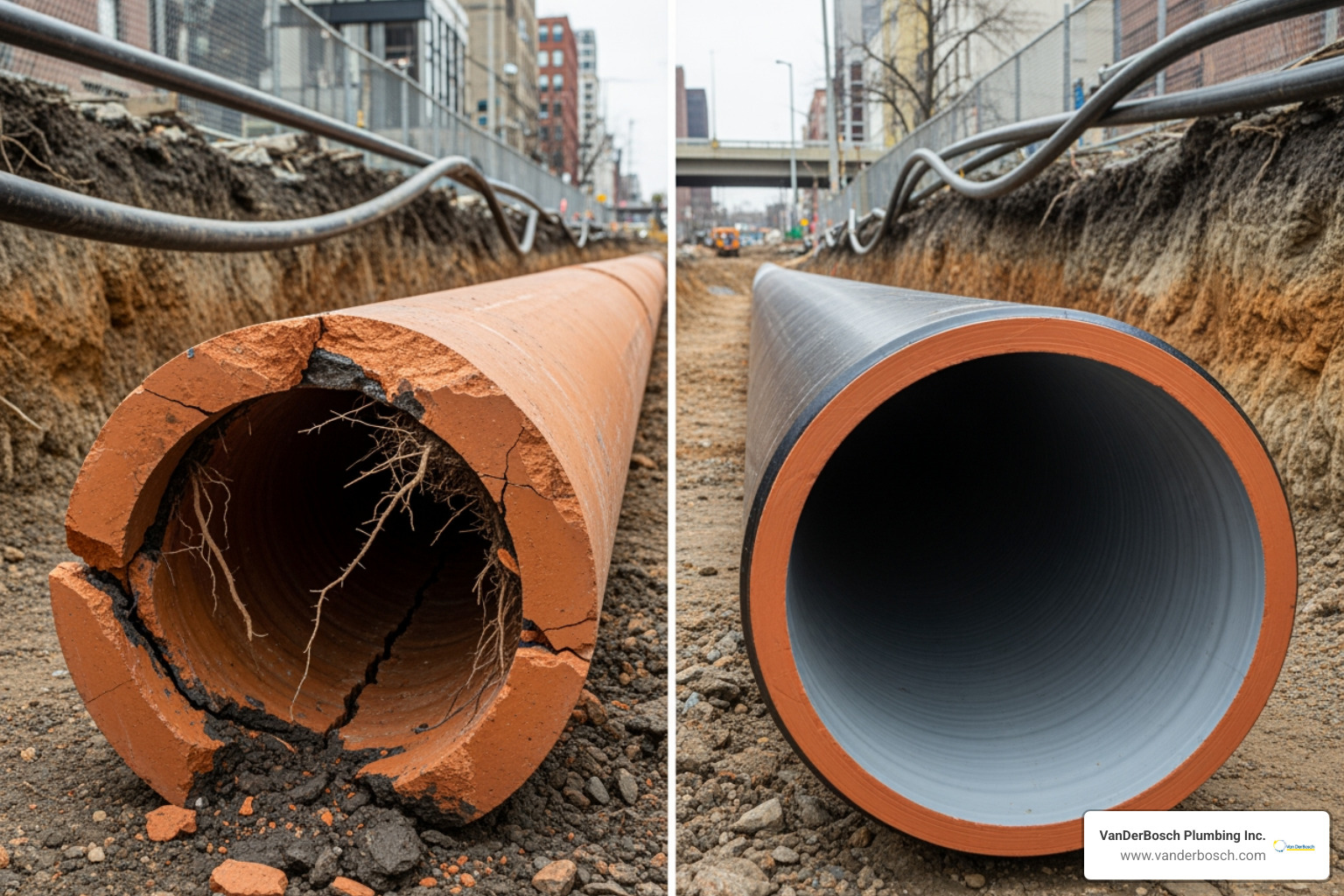
When we talk about Chicago pipe relining, we are describing a sophisticated engineering process that essentially builds a new pipe inside your old one. In the past, if a sewer line under a Chicago bungalow or a commercial building in the Loop failed, the only solution was to bring in heavy machinery, dig a massive trench, and physically swap the old pipe for a new one.
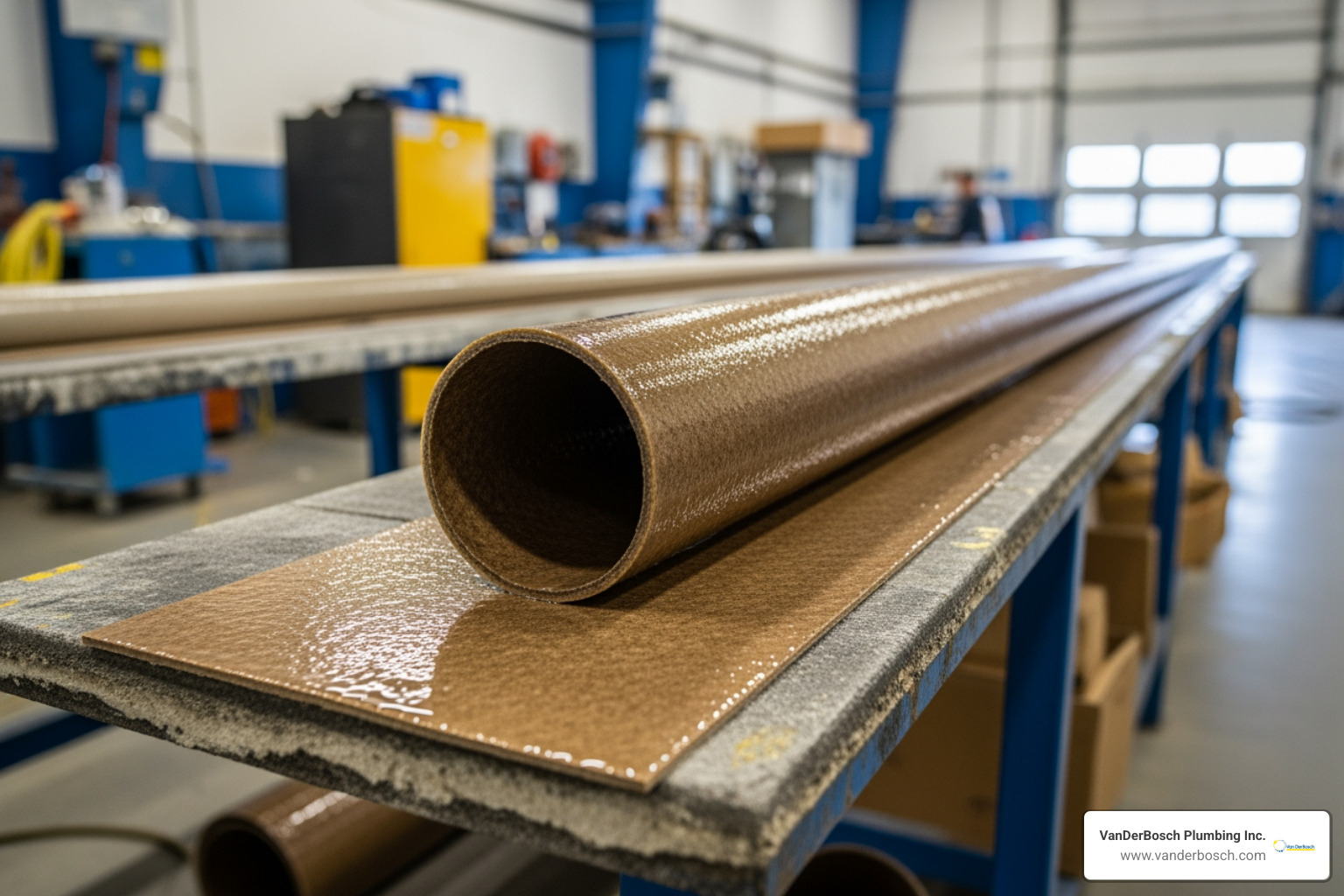
Trenchless technology changed the game. The most common method we use is Cured-In-Place Pipe (CIPP). This involves taking a flexible, felt-like tube saturated with high-strength epoxy resin and “lining” the interior of the damaged host pipe. Once the liner is in place, it is inflated and cured (hardened) using heat or ambient air. The result is a smooth, jointless, and incredibly strong pipe-within-a-pipe.
To help you understand why this is becoming the gold standard, it’s worth checking out our guide on What to Know About Trenchless Pipe Repairs. Unlike traditional materials that rely on joints—which are the primary entry points for tree roots and water infiltration—a relined pipe is a single, continuous unit. This structural integrity is vital for Chicago’s shifting clay soils and extreme temperature fluctuations.
| Feature | Trenchless Pipe Relining | Traditional Excavation |
|---|---|---|
| Average Cost (per foot) | $70 – $125 | $100 – $250+ |
| Timeline | 1 – 2 Days | 5 – 10+ Days |
| Surface Disruption | Minimal (small access points) | Major (trenching through yard/street) |
| Lifespan | 50+ Years | 20 – 50 Years (depending on material) |
| Landscaping Repair | None to Minimal | Significant (re-sodding, repaving) |
The Benefits of No-Dig Solutions for Chicagoland Property Owners
For many of our customers in areas like Winnetka, Hyde Park, or Elmhurst, the greatest benefit of Chicago pipe relining isn’t just the pipe itself—it’s the preservation of their property. We’ve seen homeowners spend decades perfecting their landscaping, only to have a sewer crisis threaten to turn their garden into a construction site.
Is the investment worth it? We dive deep into that question in our article, Is Trenchless Sewer Repair Worth the Cost?. While the per-foot cost of the technology itself is specialized, the “total project cost” is almost always lower because you aren’t paying to rebuild your driveway, replace your sidewalk, or fix your porch after the plumbers leave.
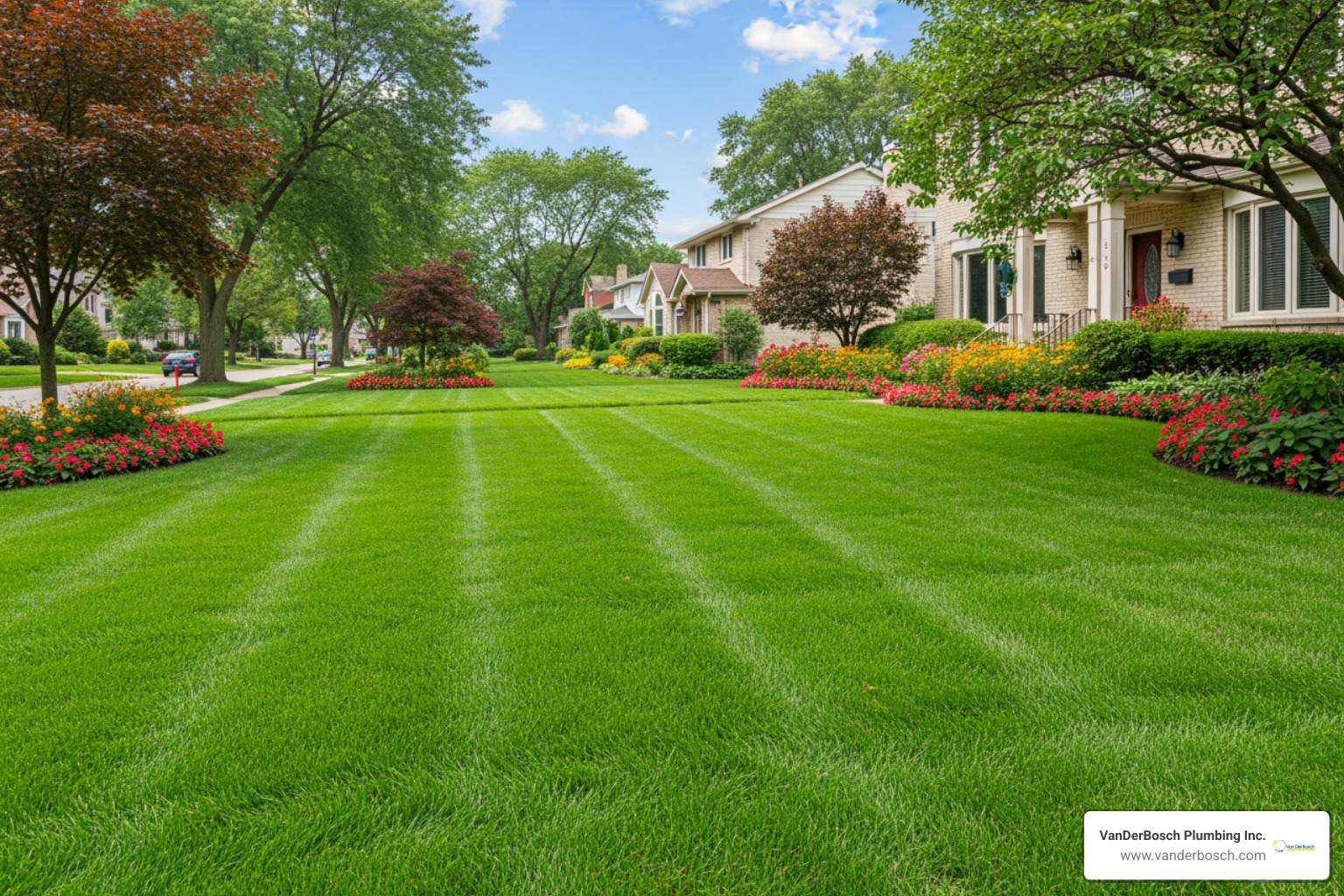
Beyond the aesthetics, there are several technical advantages:
- 50-Year Durability: The epoxy resins used in CIPP are designed to last half a century. They are resistant to the corrosive chemicals often found in municipal waste and are impervious to the tree roots that love to “snack” on old clay pipes.
- ASTM F-1216 Standards: Professional relining is performed to strict ASTM F-1216 standards, ensuring the new liner meets specific thickness and strength requirements to be considered a “standalone” structural pipe.
- NASSCO Compliance: Our technicians follow NASSCO (National Association of Sewer Service Companies) guidelines for pipe assessment and cleaning, ensuring the highest quality of installation.
- Environmental Impact: By avoiding massive excavation, we reduce the carbon footprint of the repair. There’s less heavy machinery idling in your driveway and less debris being hauled to local landfills.
How Cured-In-Place Pipe (CIPP) Works in Chicago Pipe Relining
The CIPP process is a marvel of modern plumbing. It’s a bit like performing laparoscopic surgery on your home’s infrastructure. We don’t just “guess” where the problem is; we use high-definition video inspections to map out every crack, root intrusion, and offset.
Before any lining happens, the pipe must be pristine. We use hydro-jetting—high-pressure water—to scrub the interior walls of the old pipe, removing decades of scale, grease, and debris. For a more technical look at the materials and science involved, you can explore this CIPP 101 technical overview.
Step-by-Step Process for Chicago Pipe Relining
- Initial Assessment: We perform a video camera inspection to locate the damage and ensure the pipe is a candidate for relining.
- Pipe Cleaning: Using hydro-jetting, we clear the line. If there are heavy roots, we use mechanical cutters to ensure the host pipe is as smooth as possible.
- Liner Measurement: We measure the exact length and diameter of the pipe. A custom felt liner is cut to these specifications.
- Resin Mixing and Impregnation: A two-part epoxy resin is mixed and poured into the liner. We then use a roller system (impregnation) to ensure the resin is evenly distributed throughout the felt.
- Inversion: Using a specialized “inversion drum” and compressed air, we literally blow the liner into the pipe. This turns the liner inside out, pressing the resin-heavy side firmly against the walls of the old pipe.
- Curing: The liner is held under pressure. Depending on the system, we may use hot water, steam, or UV light to trigger the chemical reaction that hardens the resin.
- Final Inspection: Once hardened, we pull the “calibration tube” out and run the camera through one last time to verify a perfect, glass-smooth finish.
To see how this fits into our broader range of fixes, visit our Services: Sewer Line Repair page.
Why CIPP is Ideal for Chicago Pipe Relining Projects
Chicago is a city of history, and that history lives in our pipes. From the historic mansions of Sauganash to the high-rises of the Gold Coast, traditional digging is often impossible.
- Historic Buildings: We can repair sewers under 100-year-old foundations without vibrating the structure or risking damage to fragile masonry.
- Urban Density: In neighborhoods like Ukrainian Village or West Ridge, houses are often only feet apart. There is simply no room for an excavator. Chicago pipe relining allows us to work from a single small access point in the basement or yard.
- Public Way Repairs: The Chicago Private Drain Program notes that the city may repair drains under the “public way” (from the sidewalk to the street) if they are proven broken. However, for the portion on your private property, relining is often the fastest way to get back in compliance.
- Frost Line and Soil: Chicago’s deep frost line and heavy clay soil make excavation difficult and expensive. CIPP is unaffected by these surface conditions once installed.
Addressing Chicago’s Aging Infrastructure and Lead Service Lines
One of the biggest headlines in Chicago plumbing right now is the massive effort to replace the city’s 400,000 lead service lines. While Chicago pipe relining is primarily used for sewer and drain lines (wastewater), the city is pushing hard for full replacement of lead water supply lines (potable water).
Many homeowners ask, “Do You Need Repiping?” especially if they live in an older home. If you have a lead service line, the answer is often yes. The City of Chicago offers the Homeowner-Initiated Program fee waivers, which can waive up to $3,100 in permit fees for residents who choose to replace their lead lines with modern copper.
If you notice low water pressure, discolored water, or frequent leaks, these are Signs Repiping Services May Be Needed. While we use trenchless relining for your sewers, we use specialized “pipe pulling” or “trenchless boring” techniques to replace lead water lines with minimal yard damage as well.
Frequently Asked Questions about Chicago Trenchless Repair
How much does pipe relining cost in the Chicago area?
Typically, pipe relining in Chicago, IL costs between $70 and $125 per foot. While this might seem higher than the raw cost of PVC pipe, it is significantly cheaper than traditional excavation when you factor in the “hidden” costs. Traditional digging can run $100 to $250+ per foot once you include the cost of a backhoe, street opening permits, and restoring your driveway or landscaping. You can find more details on our Services: Trenchless Pipe Repair page.
How long do relined pipes typically last?
A professionally installed CIPP liner has a lifespan of 50+ years. Because the epoxy is a non-corrosive structural plastic, it won’t rust like cast iron or crack like clay. The jointless construction also means there are no gaps for roots to enter, which is the #1 cause of sewer failure in Chicagoland.
Can all types of pipe damage be fixed with relining?
Relining is incredibly versatile, but it isn’t magic. It is perfect for cracked pipes, root-infested lines, and pipes with “offset” joints (where two sections of pipe have shifted). However, if a pipe has completely collapsed or has an offset greater than 20%, the liner may not be able to pass through or provide a structural fix. In those rare cases, we may perform a “point repair” (digging up just that one spot) and then relining the rest.
Conclusion
At VanDerBosch Plumbing Inc., we believe that modern plumbing should be seen, not heard—and definitely not smelled. Our goal is to provide Chicago pipe relining solutions that solve your sewer problems for the next half-century without making your life a headache today.
Whether you are in Melrose Park, Oakbrook Terrace, or Niles, our team of licensed, background-checked technicians is ready to help. We offer a 100% satisfaction guarantee, 24/7 emergency availability, and transparent pricing with no hidden service charges. We’ve spent years perfecting our trenchless techniques because we know that Chicago property owners value both their time and their historic homes.
Don’t wait for a total sewer collapse to take action. Schedule your Chicago pipe relining assessment today and let us show you how we can restore your pipes with zero digging and total peace of mind.