Vintage Steam Boiler Maintenance Tips for Older Homes

Table of Contents

Last Updated: September 17, 2026

Why Vintage Steam Boilers Need a Different Maintenance Approach

Steam boiler maintenance in an older home is not the same job as servicing a modern hot-water system. A steam boiler boils water into steam, pushes it through cast iron radiators, and relies on the condensate return to send water back to the boiler, a cycle that behaves differently from a forced-hot-water system.

That difference matters most in older housing stock, where original steam systems still run on the same pipes and radiators installed decades ago. This guide covers what a homeowner can safely check, what belongs with a licensed technician, and how to decide between repair and replacement.

The single most important habit is checking the water level. A steam boiler that runs low on water can crack its own cast iron sections, and that damage is rarely worth repairing.

Watch OutNever add water to a hot steam boiler or open any valve on a running system. Steam and near-boiling water under pressure cause severe burns, and introducing cold water into a hot cast iron boiler can crack it. Wait until the system is off and cool.

Steam Boiler Maintenance Tips You Can Safely Do Yourself

A short monthly walkthrough catches most problems before they become repairs. None of it requires opening the boiler or touching gas and electrical components.

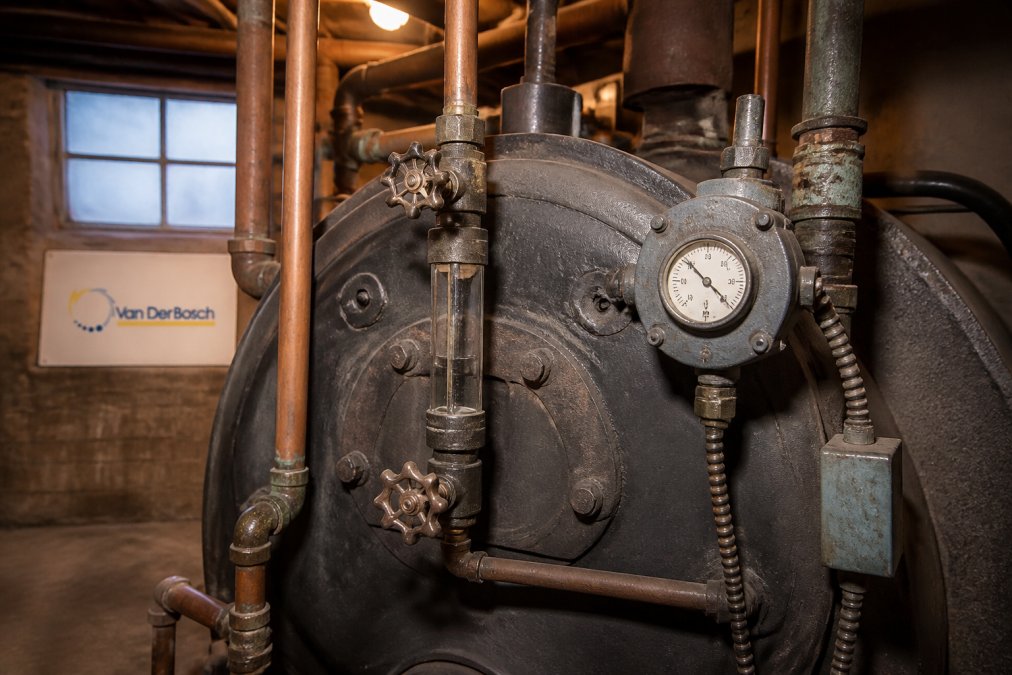
Check the Water Level Through the Sight Glass

The sight glass is the vertical tube on the side of the boiler showing the water line. On most residential steam boilers, water should sit roughly halfway up the glass when the system is cold and off.

If the level is low, let the boiler cool completely, then add water per the manufacturer’s instructions.

Inspect Radiators, Valves, and Vents

Walk the house and check each radiator while the system runs.

  • Feel for uneven heat. A radiator that stays cold at the bottom while the top heats usually points to trapped condensate or a blocked return.
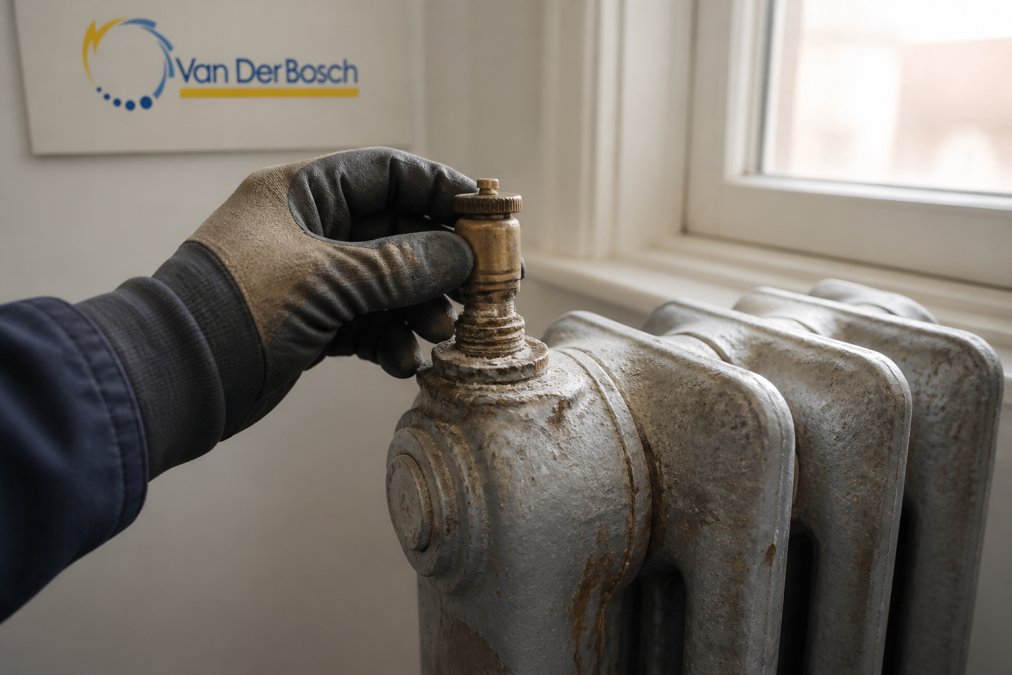
  • Listen at the air vent. A vent that hisses continuously, spits water, or stays silent when steam arrives is likely failed.
  • Look for rust trails and weeping at valve stems. Small leaks at a radiator valve are common and usually repairable.
  • Check that thermostatic radiator valves, if fitted, are set sensibly rather than wide open in unused rooms.
Pro TipPhotograph your sight glass level and radiator vents before calling anyone. A technician who can see the water line and vent condition ahead of the visit arrives better prepared, and you get a more useful conversation about what the system is actually doing.

Signs of Steam Boiler Failure Every Owner Should Recognize

Signs of steam boiler failure usually show up as noise, water, or heat loss before the system stops entirely. Catching them early is the difference between a repair and a replacement.
Article image

Watch for these:

  • Clanging, banging, or water hammer. Pounding pipes often mean condensate is trapped in the pipes and steam is slamming into water. Left alone, this stresses joints and can crack cast iron.
  • A rising or falling water line. A level that climbs on its own suggests a faulty feeder or a blocked return.
  • Boiler pressure that will not hold steady. The pressuretrol and low water cut-off are safety controls, not conveniences. If pressure drifts, those controls need testing.
  • Water pooling near the boiler or under radiators.
  • A yellow or flickering burner flame instead of a steady blue flame, or any smell of gas.
Watch OutIf you smell gas, hear a hissing sound near a gas line, or see a yellow burner flame, leave the building immediately and call your gas utility’s emergency line from outside. Do not flip switches, light anything, or attempt to relight the boiler. Gas line work belongs to a licensed professional.

When Steam Boiler Repair Requires a Licensed Professional

Steam boiler repair is not a homeowner task once the work moves past the sight glass and radiator vents. Anything involving the burner, gas valve, pressuretrol, low water cut-off, or the boiler itself belongs with a licensed technician.

Call a professional when you see:

  • Any gas smell, yellow flame, or soot around the burner
  • A water level that will not stay put
  • Persistent clanging that continues after radiators are vented
  • Water on the floor near the boiler
  • A boiler that runs but produces no heat

Annual Service Checklist: What a Thorough Boiler Inspection Covers

An annual inspection is the cheapest insurance a vintage steam system has. Knowing what each step actually does helps you tell a real inspection from a quick look at the flame.

Book a Visit →

What Each Step Detects

Sight glass and water level. The glass is cleaned or replaced if clouded, since a stained glass hides the true water line. A technician verifies the level against the manufacturer’s mark and watches for drift while the boiler sits idle, a sign of a leaking return or a feeder that is not holding.

How Often to Schedule Service

Most steam systems benefit from one full annual service, ideally in late summer or early fall before the first cold snap. Between visits, a monthly walkthrough, water level, radiator heat, vent noise, catches changes early, and a mid-season sight glass check is worth the few minutes after a hard cold stretch.

How to Use This List When Hiring

Pro TipAsk for the findings in writing. A short written summary of what was tested, what was found, and what to watch before next season gives you a baseline to compare against next year and makes it easier to spot a slow-developing problem.

VanDerBosch services steam and hot-water boilers, and a diagnostic visit is the fastest way to find out whether what you are seeing is a minor adjustment or the start of something larger. Schedule boiler service before heating season rather than during the first cold week.

Repair or Replace Your Vintage Boiler? Decision Factors to Weigh

Replacement is not automatically the answer for an older steam boiler. A well-maintained cast iron boiler can run for a very long time, and proper sizing matters more than newness. The decision usually comes down to two questions: is the distribution system worth keeping, and can you find someone who actually understands steam?

The Two Questions That Decide Most Cases

1. Is the distribution system worth keeping? The pipes, radiators, vents, and returns do the actual heating. If the boiler is tired but the distribution is sound, replacing the boiler can make sense. If the distribution is failing, corroded returns, chronically cold radiators, leaks throughout the piping, a new boiler will not fix the comfort problems.

Decision Factors at a Glance

Factor

Points Toward Repair

Points Toward Replacement

Boiler age and condition

Sound sections, no cracks

Cracked sections or chronic leaks

Repair history

Isolated, one-time failures

Repeated repairs in recent seasons

Heating capacity

System heats the house evenly

Cannot keep up in cold weather

Efficiency

Heat loss is mostly in the distribution

Boiler itself is the main loss

Distribution system

Radiators, vents, and returns in good shape

Pipes and returns failing throughout

Accessibility

Serviceable location and clearances

No safe access for service

Modernization plans

No near-term changes planned

Considering heat pump conversion

Sizing Matters More Than Age

An oversized replacement boiler short-cycles, wastes fuel, and can be noisier than the unit it replaced. A technician should measure the connected radiator load rather than matching the old boiler’s rating by default. A boiler sized to the actual load runs longer, steadier cycles and heats more evenly.

Modernization Without Replacement

Modernization compatibility is the factor most homeowners overlook. Thermostatic radiator valves, updated controls, and pipe insulation can often be added to an existing steam system, improving comfort and reducing fuel use without replacing the boiler. Insulating bare steam pipes and balancing radiators are two of the highest-return improvements on an older system. If a heat pump conversion is on your horizon, that changes the math on how much to invest in the steam system now.

What Affects the Cost of Either Path

Key TakeawayIf the boiler is sound but the house heats unevenly, the problem is usually in the distribution, vents, traps, returns, or balance, not the boiler itself. Diagnose before you replace.

If you are weighing repair against replacement, a diagnostic visit gives you the information to decide. Contact VanDerBosch to schedule boiler service and get a clear picture of what your system actually needs.

Frequently Asked Questions

How often should a vintage steam boiler be serviced?

Most vintage steam boilers benefit from a professional inspection once a year, ideally before heating season begins. Annual service allows a technician to check the low water cut-off, pressuretrol, burner operation, and steam traps. Between professional visits, homeowners should check the water level weekly during heating months and watch for new noises or uneven heating. Skipping annual maintenance on an older system can lead to costly breakdowns in the middle of winter.

What are the most common signs of steam boiler failure?

Common signs of steam boiler failure include banging or clanging pipes, radiators that stay cold while others heat, water spitting from air vents, a boiler that shuts off before reaching temperature, and visible leaks around the boiler or pipes. A rising water bill or frequent low-water cut-off trips can also point to trouble. If you notice any of these, schedule a professional inspection before the problem worsens.

Can I perform maintenance on my own steam boiler?

You can safely handle a few basic tasks: checking the water level in the sight glass, bleeding radiators if needed, and keeping the boiler area clear. However, tasks like blowing down the low water cut-off, adjusting the pressuretrol, skimming the boiler, or inspecting the burner should be left to a licensed technician. Working on pressurized steam systems or gas-fired equipment without training is dangerous and can void warranties or violate local codes.

What does steam boiler repair typically involve?

Steam boiler repair can range from replacing a faulty steam trap or air vent to repairing a leaking pipe or fixing a burner control. A technician will diagnose the issue using pressure readings, water level checks, and visual inspection. Some repairs are straightforward, while others may require shutting down the system. Because steam systems operate under pressure and often involve gas or oil burners, repairs should always be performed by a licensed professional familiar with vintage equipment.
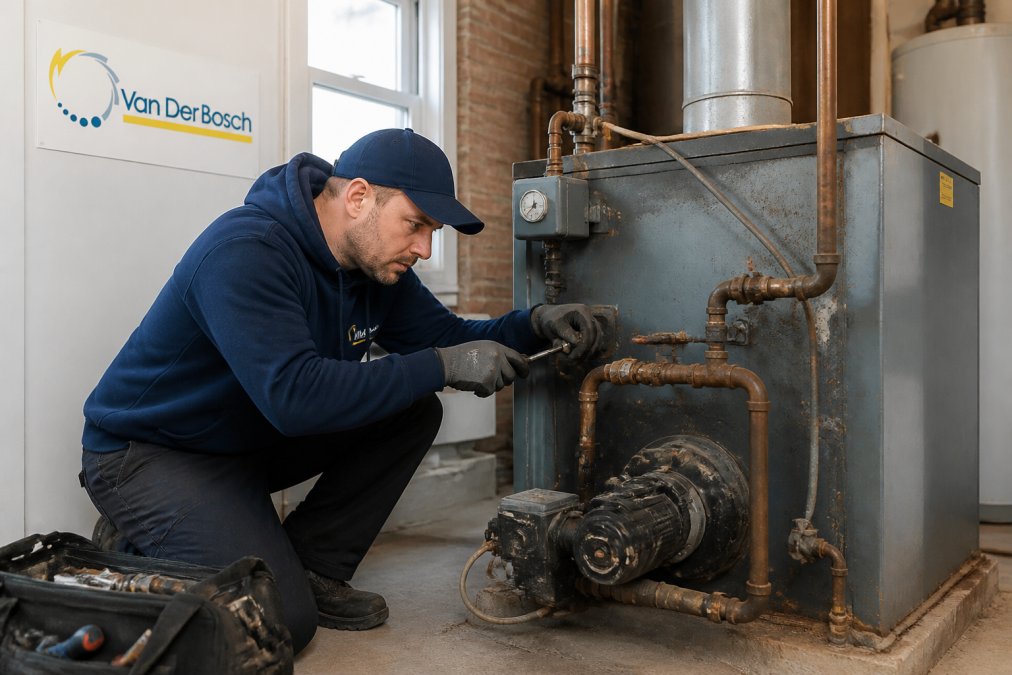
Steam Boiler Repair for Old Homes: 2026 Guide

Table of Contents

Last Updated: September 16, 2026

How Steam Boilers Work in Older Homes

Steam boiler repair for old homes starts with understanding what’s in the basement. A steam boiler heats water into vapor, sends it through pipes to cast iron radiators, where it condenses and returns through the condensate return. No circulator pump moves the heat, pressure does the work.

Article image

Key Components: Low Water Cut-Off, Pressuretrol, and Steam Traps

The low water cut-off shuts the burner down when water drops below a safe point. If it fails, the boiler can fire dry, a genuine hazard.

Signs of Steam Boiler Failure You Should Never Ignore

The clearest signs of steam boiler failure are a burner that won’t stay lit, cold radiators alongside hot ones, a sight glass that won’t hold level, and water pooling near the base. Any of these warrants professional diagnosis.

Watch for these symptoms:

  • Uneven heat. Some radiators hot, others cold, often points to trapped air or a failed steam trap.
  • Rust-colored water in the sight glass or bleeding from radiators.
  • A boiler that short-cycles, firing briefly and shutting down repeatedly.
  • Soot or yellowing at the burner, which suggests incomplete combustion.
  • Any gas smell. Leave the building and call for emergency service. Do not attempt repairs.

Banging, Clanging, and Water Hammer Sounds

Clanging pipes usually mean condensate isn’t draining back and water is sitting in the pipes, where steam slams into it, water hammer. It’s not just noise; the force can crack fittings over time.

Watch OutNever drain a steam boiler or open a relief valve to “quiet things down.” Steam systems operate under pressure and at scalding temperatures. A wrong move here can cause serious burns or a boiler failure.

What You Can Safely Check Before Calling a Professional

Homeowners can safely check the thermostat, confirm the boiler has power, verify the sight glass water level, and make sure the gas valve is open. That’s the honest limit of safe DIY scope.

Reasonable checks:

  • Thermostat is set to heat and calling for it
  • Boiler power switch and breaker are on
  • Sight glass shows water in the normal range
  • Gas shutoff valve is open
  • No water pooling around the base
  • No gas odor anywhere in the basement
Pro TipWrite down what you observed before the technician arrives: which radiators were cold, what sounds you heard, and when the problem started. That history shortens diagnosis time and helps the tech target the right component.

Boiler Repair vs. Replacement Cost Factors to Weigh

Repair is usually right when the boiler is otherwise sound and the failure is isolated to one component. Replacement makes more sense when multiple systems fail at once or the heat exchanger is compromised.

Weigh these factors:

  • Age and repair history. A boiler with a long list of recent repairs is telling you something.
  • Severity of damage. A cracked heat exchanger or a leaking section is generally not repairable.
  • Recurring problems. Repeat failures on the same control point to a deeper issue.
  • Efficiency and heating capacity. An undersized or oversized boiler never performs well.
  • Accessibility. Tight basement access affects the labor involved in either path.
  • Condition of surrounding components. Pipes, radiators, and near-boiler piping all factor in.

Age, Repair History, and System Condition

A well-maintained steam boiler can serve far longer than most modern equipment, so age alone shouldn’t drive the decision. What matters more is whether the pressure vessel is sound and the controls, traps, and piping are holding up.

Step-by-Step Maintenance Checklist for Vintage Steam Systems

Annual maintenance keeps an old steam system running safely through a cold snap. Most of it is inspection and tuning, not repair, and most of it is technician work. Homeowners observe and report; technicians test, adjust, and replace.

Here’s how the two sides split:

What a Homeowner Can Reasonably Do

  • Check the sight glass weekly during heating season. The water line should sit at the mark on the glass. If it drops between checks, the system is losing water, a leak, failed feeder, or trap problem. Note it and call.
  • Listen to the system on a cold start. A few ticks as pipes warm are normal. Sustained banging, knocking, or a whistle that doesn’t stop is not.
  • Feel the radiators room by room. Cold at the bottom and hot at the top usually means water is sitting in the radiator; cold at the top and hot at the bottom means air isn’t venting. Both point to a vent or trap issue.
  • Keep the boiler room clear. Boxes, paint cans, and decorations around a gas-fired boiler restrict combustion air and create a fire load, one of the most common and preventable problems in older basements.
  • Watch for new rust streaks, soot, or water on the floor. Any of these is a call, not a wait-and-see.

What Belongs to a Technician

  • Low water cut-off test. The low water cut-off is the most important safety control on a steam boiler and must be tested and flushed regularly, typically annually, more often on systems with dirty water. A cut-off that fails closed lets the boiler fire with no water, a genuine explosion risk.
  • Boiler blowdown. Opening the blowdown valve drains sediment and sludge from the boiler bottom. Sediment insulates the heat exchanger, wastes fuel, and can make the water line read falsely high. Blowdown happens under pressure at scalding temperature, not a homeowner task.
  • Steam trap inspection. A trap stuck open blows live steam into the condensate return and wastes fuel all winter; a trap stuck closed backs water into the radiator and causes water hammer. Traps are tested with a listening device or temperature check.
  • Pressuretrol verification. The pressuretrol should be set to the system’s design pressure, which on most residential steam systems is measured in ounces, not pounds. A pressuretrol set too high stresses every joint and fitting in the system.
  • Burner tune-up. Combustion is checked with an analyzer. A rich burner produces soot and carbon monoxide; a lean burner wastes fuel and shortens equipment life.
  • Pipe insulation inspection. Damaged or missing insulation on steam mains and risers is heat you paid for and didn’t get. Repairing it is one of the highest-return maintenance items on an old system.
  • Radiator vent and valve check. Air vents are wear items. A vent stuck closed keeps the radiator cold; one stuck open hisses steam and wastes heat.

Seasonal Timing

Task Frequency Who Does It
Sight glass and radiator check Weekly during heating season Homeowner
Boiler room clearance and visual inspection Monthly during heating season Homeowner
Low water cut-off test and flush Annually before heating season Technician
Steam trap inspection Annually before heating season Technician
Boiler blowdown Per manufacturer guidance Technician
Burner tune-up and combustion test Annually before heating season Technician
Pipe insulation inspection and repair Annually Technician
Radiator vent and valve service As needed, checked annually Technician
Key TakeawaySkipping annual service is the most common reason old steam systems fail mid-winter. The homeowner’s job is observation; the technician’s job is testing and tuning. Keeping those two roles straight is what keeps the system safe and the heat on.

If you’re not sure when your system was last serviced, that’s the answer, it’s time. Schedule boiler service before the heating season starts.

Modernization and Efficiency Retrofits for Old Steam Boilers

You don’t have to rip out a working steam system to improve efficiency. These retrofits preserve the original radiators and piping while cutting fuel use, but each has a compatibility catch that generic advice skips, and each is where a technician who works on cast iron matters.

Thermostatic Radiator Valves

Thermostatic radiator valves replace the manual valve at each radiator with one that modulates steam flow by room temperature, often the biggest comfort improvement in a house where rooms were added over decades. The catch: steam systems need a valve rated for steam service, not the hot-water valves sold at most supply houses. A hot-water valve on a steam radiator will fail, and can fail open, leaving a room that never shuts off.

Steam Trap Repair and Replacement

Failed traps are the largest hidden efficiency loss on most old steam systems. A trap stuck open sends live steam into the condensate return, where it condenses and the heat is lost; a trap stuck closed backs water into the radiator and causes water hammer. Traps are wear items with a service life measured in years, not decades, and most old systems have at least one failed trap the owner doesn’t know about.

Pipe and Boiler Insulation

Steam mains and risers in an unheated basement lose heat all winter; insulating them is straightforward with fast payback. The catch: pipe insulation in a basement that has ever been wet needs inspection for deterioration, and some older materials require proper handling during removal. Boiler jacket insulation on a vintage boiler is often degraded and can be replaced without touching the pressure vessel.

Modern Controls and Smart Thermostats

A modern setback or smart thermostat can be added to a steam system, but steam heat responds slowly. Cast iron radiators hold heat long after the burner shuts off and take a long time to come back up. Aggressive setback schedules that work on forced-air systems can leave a steam-heated house cold in the morning and cause long recovery cycles.

What Retrofits Don’t Fix

Retrofits improve efficiency and comfort. They don’t fix a cracked heat exchanger, a leaking boiler section, or a dead low water cut-off. Those are repair-or-replace decisions, and no amount of insulation or new traps makes a compromised pressure vessel safe.

When a Full Conversion Makes Sense

Pro TipBefore investing in any retrofit, ask for a written assessment of the boiler’s pressure vessel, the condition of the near-boiler piping, and the status of the steam traps. Retrofits layered on top of a failing boiler are money spent on the wrong problem.

If you’re weighing retrofits against replacement, talk to our boiler team about what your system actually needs.

When to Call for Steam Boiler Repair in Chicago’s Older Homes

Call for professional steam boiler repair when the burner won’t fire, the boiler loses water, radiators stay cold, or water hammer won’t quit. Those aren’t cosmetic issues, and they get worse in cold weather, not better.

Frequently Asked Questions

What are the most common signs that a steam boiler needs repair?

Loud banging or clanging pipes, uneven heating between rooms, a boiler that shuts off before reaching the set temperature, and visible water leaks around the boiler or radiators are all common indicators. A rising water level in the sight glass or a boiler that needs frequent refilling can point to internal issues. If you notice any of these signs, a licensed technician should inspect the system before the problem worsens.

Is it better to repair or replace an old steam boiler?

The decision depends on several factors: the boiler’s age, how often it has needed repairs, the severity of the current problem, and the condition of connected components like pipes and radiators. A single failed component on an otherwise sound system may be repairable. A boiler that has had multiple failures, is well past its expected service life, or has cracked sections may be a better candidate for replacement. A technician can assess your specific system and explain the trade-offs.

How often should a vintage steam boiler be serviced?

Annual servicing is recommended for steam boilers, especially in older homes where systems may have more wear. A yearly inspection lets a technician check the low water cut-off, test the pressuretrol, inspect steam traps, and look for leaks or corrosion before they cause a mid-winter breakdown. Regular maintenance can extend the life of the system and help it run more efficiently.

Why is my steam boiler making loud banging noises?

Banging or clanging sounds often come from water hammer, which happens when steam meets trapped water in the pipes or when condensate cannot drain properly. A dirty boiler, a faulty steam trap, or pipes that are not pitched correctly can all cause this. Ignoring the noise can lead to pipe damage or leaks. A technician can identify the source and recommend the right fix.


A steam boiler that’s banging, losing water, or leaving rooms cold won’t fix itself, and waiting usually means a bigger repair or a mid-winter emergency. VanDerBosch Plumbing Inc. brings licensed, insured technicians, no service charges, and same-day service to vintage steam systems across the area, seven days a week. Get started with VanDerBosch and get your heat back before the next cold snap.

24 Hour Emergency Plumbing Services: What to Expect

Table of Contents

Last Updated: September 15, 2026

What Is Considered a Plumbing Emergency?

A plumbing emergency is any failure that threatens property damage, health, or safety if not stopped immediately. Burst pipes, sewer backups, and water heater failure top the list. A dripping faucet can wait until morning; water pouring through your ceiling cannot.

At VanDerBosch, we’ve handled these calls across the Chicagoland area for over 30 years, and the pattern is consistent: the homeowners who act fastest on a real emergency lose the least. The EPA’s guide to water damage and mold cleanup makes the stakes clear. Standing water and trapped moisture create conditions for mold growth within a day or two, which turns a pipe repair into a remediation project (the EPA).

So where’s the line? Use this test:

  • Active flooding or water you can’t stop – emergency
  • Sewage backing into tubs, showers, or floor drains – emergency
  • No water anywhere in the house – emergency, especially in winter
  • A water heater leaking from the tank itself – emergency
  • One slow drain, one running toilet, a dripping fixture – schedule same-day service, not a 2 AM call

A true emergency needs an immediate water main shut-off, the next thing worth learning.

How to Shut Off Your Main Water Valve in an Emergency

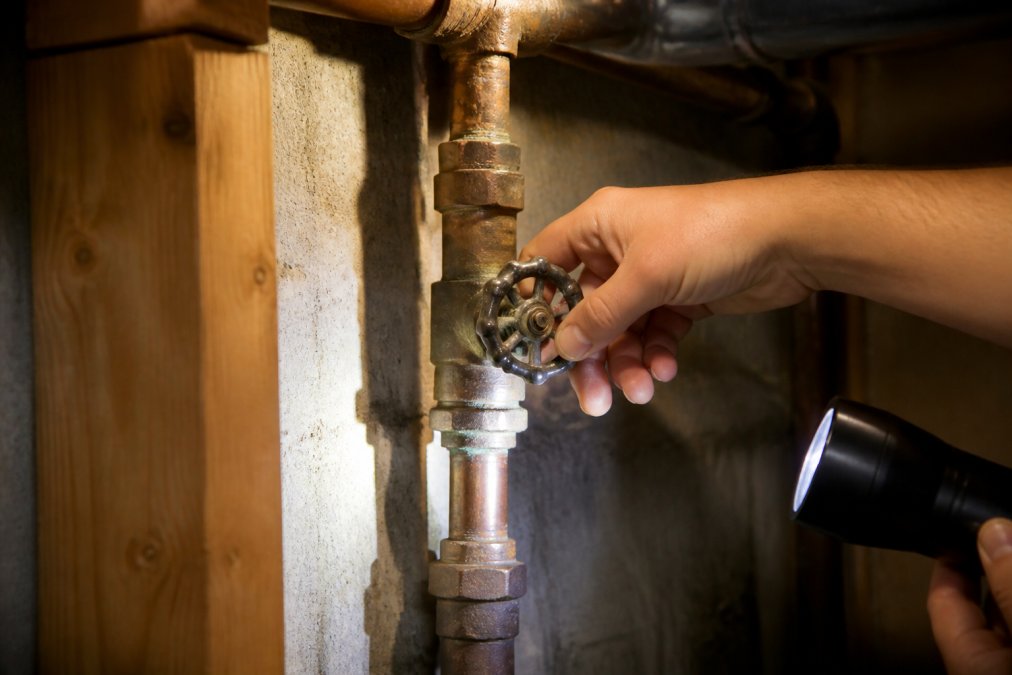
Find your main shut-off valve before you need it. It usually sits near the water meter or where the supply line enters the foundation, a basement, crawlspace, or utility closet. Turning it clockwise until it stops cuts water to the whole house.

Article image

Do this in order:

  1. Turn the valve clockwise until it stops. Don’t force it past the stop point.
  2. Open the lowest faucet in the house to drain remaining water from the lines.
  3. If the valve is seized or you can’t find it, call for emergency dispatch rather than guessing.
  4. For a single fixture failure, use the fixture’s own supply valve first, then the main if that fails.

A common mistake is waiting to shut the water off until after calling someone. Every minute the line stays pressurized adds water to your floors and walls. Shut it off first, then make the call. In older homes, gate valves often seize from disuse, one reason we recommend an annual plumbing inspection. Testing the valve takes two minutes and saves a flooded basement.

Signs You Need 24 Hour Emergency Plumbing Services

The clearest signs you need 24 hour emergency plumbing services are water you cannot stop, sewage where it doesn’t belong, or a complete loss of water or heat. Anything on that list justifies an after-hours call. Anything else can usually wait for a scheduled visit.

Watch for these specific signals:

  • Burst pipes spraying or streaming water
  • Sewer backups pushing waste into drains or tubs
  • Water heater failure with a leaking tank or no hot water in freezing weather
  • Overflowing toilets that keep running after the supply valve is closed
  • Gas leak detection concerns, such as a sulfur smell near the water heater
  • Sump pump failure during heavy rain, with water rising in the pit

If you smell gas, leave the building and call your gas utility first. That is not a plumbing call, it’s a safety call.

DIY Triage: What to Do While Waiting for an Emergency Plumber

What you do in the first ten minutes determines how much damage the water does. Shut off the supply, contain what’s loose, protect anything electrical, then wait for the technician.

Here’s the triage sequence we walk callers through:

  • Shut off the main water valve or the fixture valve
  • Kill power to any flooded area at the breaker
  • Move furniture, rugs, and electronics off wet flooring
  • Towel or bucket what you can and photograph the damage for insurance
  • Don’t pour chemical drain cleaner into a backed-up drain
  • Don’t run the water to “test” whether the problem cleared

That last point trips up a lot of people: if a drain is backing up, adding water makes it worse. If you’ve already poured chemicals in, tell the technician, mixing drain chemicals with the wrong compound can create fumes, and we handle those calls differently.

Emergency Plumbing Repair Costs: What Affects Your Bill

Emergency plumbing repair costs depend on four things: time of day, type of failure, accessibility, and repair duration. A burst pipe behind an open basement wall is a very different job than one inside a finished ceiling.

Because pricing varies by job, VanDerBosch confirms the number before work starts. No service charges means you aren’t paying a fee just for someone to look at the problem.

What moves the number most:

Factor Lower Cost Higher Cost
Timing Weekday business hours Nights, weekends, holidays
Access Exposed pipe or fixture Behind finished walls or slab
Failure type Single fixture repair Water main or sewer line work
Duration Under an hour Multi-hour repair or excavation

The Three Pricing Models You’ll Be Quoted

Most providers use one of three structures, and knowing which one you’re offered tells you a lot before anyone arrives:

  • Flat-rate pricing. The provider publishes a price book and quotes a fixed number per job (e.g., “replace a kitchen shut-off valve” has one price regardless of time). Predictable for you, and it rewards efficiency.
  • Time-and-materials (T&M). You pay an hourly labor rate plus marked-up parts. Licensed plumbing labor in most metro areas runs roughly $100-$250 during business hours, with after-hours calls often billed at 1.5x to 2x that rate (Plumbers, Pipefitters, and Steamfitters). The final bill is unknown until the work is done.
  • Trip charge plus repair. A flat dispatch fee (often $75-$150) gets a technician to your door, then the repair is quoted on-site. The trip charge is usually waived if you approve the work.

Ask which model applies before you agree to dispatch. A flat-rate quote you can compare against a published price book beats a low hourly rate that balloons.

What Actually Drives an After-Hours Bill Up

Three things separate a $200 emergency call from a $1,200 one:

  1. The clock. Nights, weekends, and holidays carry premium labor rates. A 2 a.m. call on New Year’s Day sits at the top of that scale.
  2. Access and demolition. A shut-off valve behind an access panel takes minutes; the same valve behind tile and finished wall means cutting, patching, and drywall repair not covered by the plumbing bill.
  3. What’s already damaged. If water reached the subfloor, insulation, or electrical, you’re paying for mitigation and possibly restoration, separate trades, separate invoices.

How to Read an Estimate Before You Approve It

A written estimate should list scope of work, parts, labor, and exclusions (drywall repair, permit fees, restoration). No reputable provider quotes a firm price over the phone for a job they haven’t seen, a good estimate comes after an on-site look and should be in writing before work begins.

Never authorize work from a provider who won’t put the price in writing before starting. Verbal “estimates” that grow once the wall is open are the single most common complaint we hear from homeowners switching to us.

Documenting Damage for an Insurance Claim

If the failure caused water damage, your homeowner’s policy may cover part of the loss, but only if you document it correctly.

The fastest way to reduce emergency plumbing costs is to act on the first sign of trouble. Shut off the water, call for dispatch, get a written estimate before work begins, and photograph everything before cleanup starts.

Frequently Asked Questions

How much does it cost for an emergency plumber to come out?

Emergency plumbing repair costs depend on the type of problem, time of day, and parts needed. VanDerBosch charges no service fee, so you only pay for the work performed. For a burst pipe, expect higher costs than a clogged drain. VanDerBosch provides upfront pricing before any work begins, so you know the total before we start. Call for a free estimate.

What should I do while waiting for an emergency plumber?

Shut off your main water valve immediately to stop flooding. If the issue is a sewer backup, avoid using any water fixtures. For gas smells, leave the building and call from outside. Move valuables away from water and use towels or buckets to contain minor leaks. Do not attempt repairs on gas lines or electrical components near water. VanDerBosch dispatches technicians quickly, so help will arrive soon.

Are burst pipes covered by homeowners insurance?

Most homeowners insurance policies cover sudden and accidental burst pipe damage, including water damage mitigation and pipe repair. However, damage from neglected maintenance or freezing may not be covered. Review your policy and document the damage with photos before cleanup. VanDerBosch can provide detailed repair invoices to support your insurance claim.

How do I know you’ll actually show up at 2 AM when my pipe bursts?

VanDerBosch has been providing 24/7 emergency plumbing services in Chicagoland for over 30 years. We have technicians on call around the clock, including weekends and holidays. When you call, we dispatch the nearest available licensed plumber and give you an estimated arrival time. Our no service charge policy means you pay only for the repair, not for us to show up.


A plumbing emergency never picks a convenient time, and the difference between a quick fix and a ruined floor usually comes down to who you call. VanDerBosch has served the Chicagoland area for over 30 years with licensed and insured technicians, no service charges, same-day service, and a 100% satisfaction guarantee, seven days a week. When water is where it shouldn’t be, get started with VanDerBosch and get a licensed plumber dispatched to your door. Call today.