The Sump Pump Marathon: Causes and Solutions for Constant Running

sump pump constantly running

Why Your Sump Pump Won’t Stop Running

A sump pump constantly running is not normal and signals a problem that needs immediate attention. When your pump runs non-stop, even during dry weather, it’s working overtime and heading toward premature failure.

Quick Diagnosis Guide:

Symptom Most Likely Cause Urgency
Running 24+ hours, no rain Stuck float switch or faulty check valve High – risk of burnout
Water spraying back into pit Broken check valve or cracked casing High – replace immediately
Runs every few minutes Undersized pump or short cycling Medium – shortens lifespan
Constant low-level running High water table or underground leak Medium – assess water source

The most common culprits include a jammed float switch that can’t signal the pump to turn off, a broken check valve that lets water flow back into the pit, or a discharge pipe clog that prevents proper drainage. Less obvious issues like high groundwater levels, leaking pipes near your foundation, or an incorrectly sized pump can also cause this frustrating problem.

Why this matters: A pump running constantly will overheat and fail—often during the next big storm when you need it most. Most sump pumps last 7-10 years with proper maintenance, but continuous operation can cut that lifespan in half. Plus, you’re wasting electricity and risking a basement flood if the motor burns out.

I’m Hugh Hodur, President of VanDerBosch Plumbing, and I’ve helped countless Chicagoland homeowners diagnose and fix issues with a sump pump constantly running before they turned into basement flooding disasters. Whether it’s a quick float switch adjustment or a full system replacement, identifying the root cause early saves you money and protects your home.
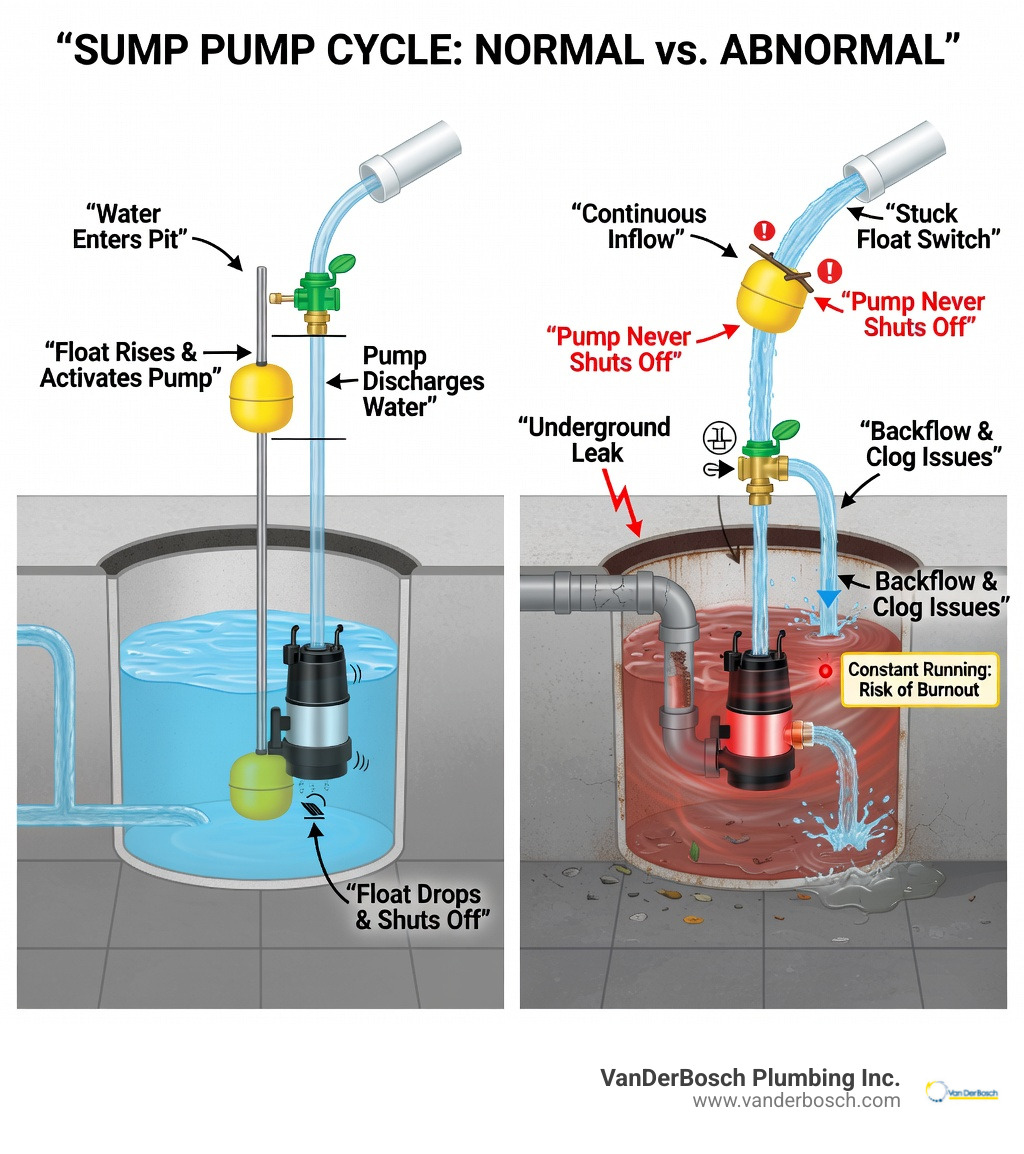
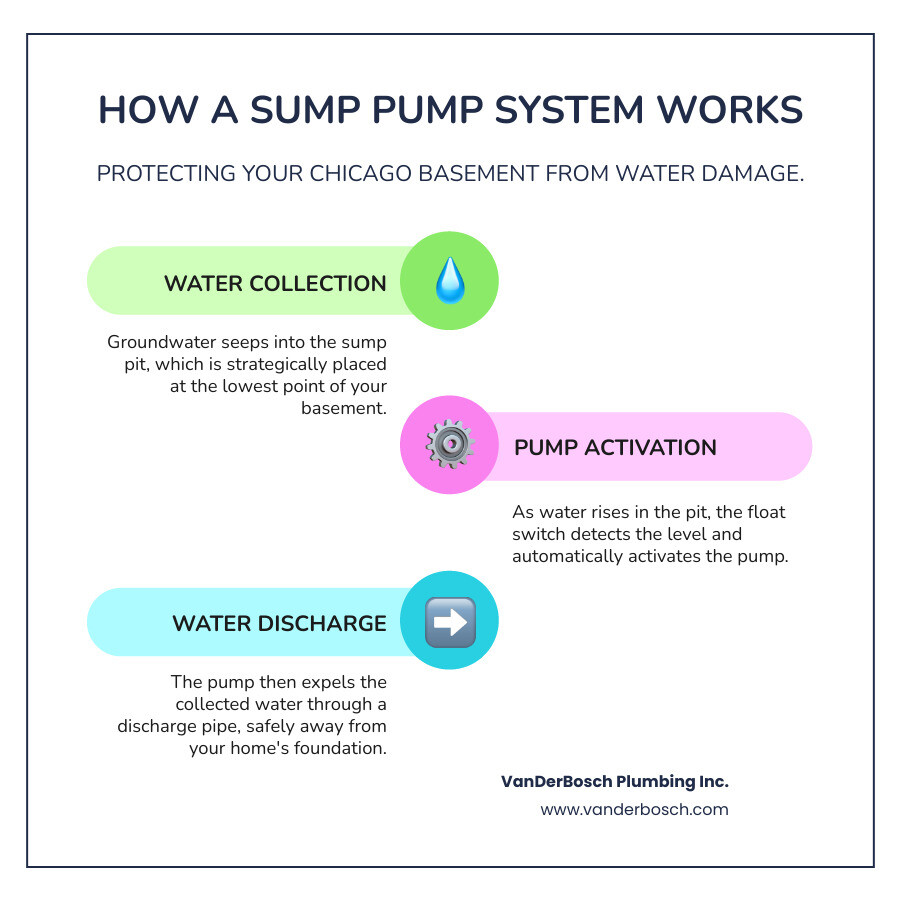
Infographic showing the normal sump pump cycle: water enters pit, float rises and activates pump at set level, pump discharges water through check valve and discharge pipe, float drops and pump shuts off when pit is empty, versus abnormal constant running cycle where pump never shuts off due to mechanical failure or continuous water inflow - sump pump constantly running infographic

Is It Normal for a Sump Pump to Run Constantly?

In short: no. While it might seem like your pump is just being “extra prepared,” a sump pump constantly running is a cry for help. Under normal conditions, a sump pump is a reactive device. It waits for water to reach a certain level in the basin (the “crock”), kicks on to discharge that water, and then shuts off once the level drops.
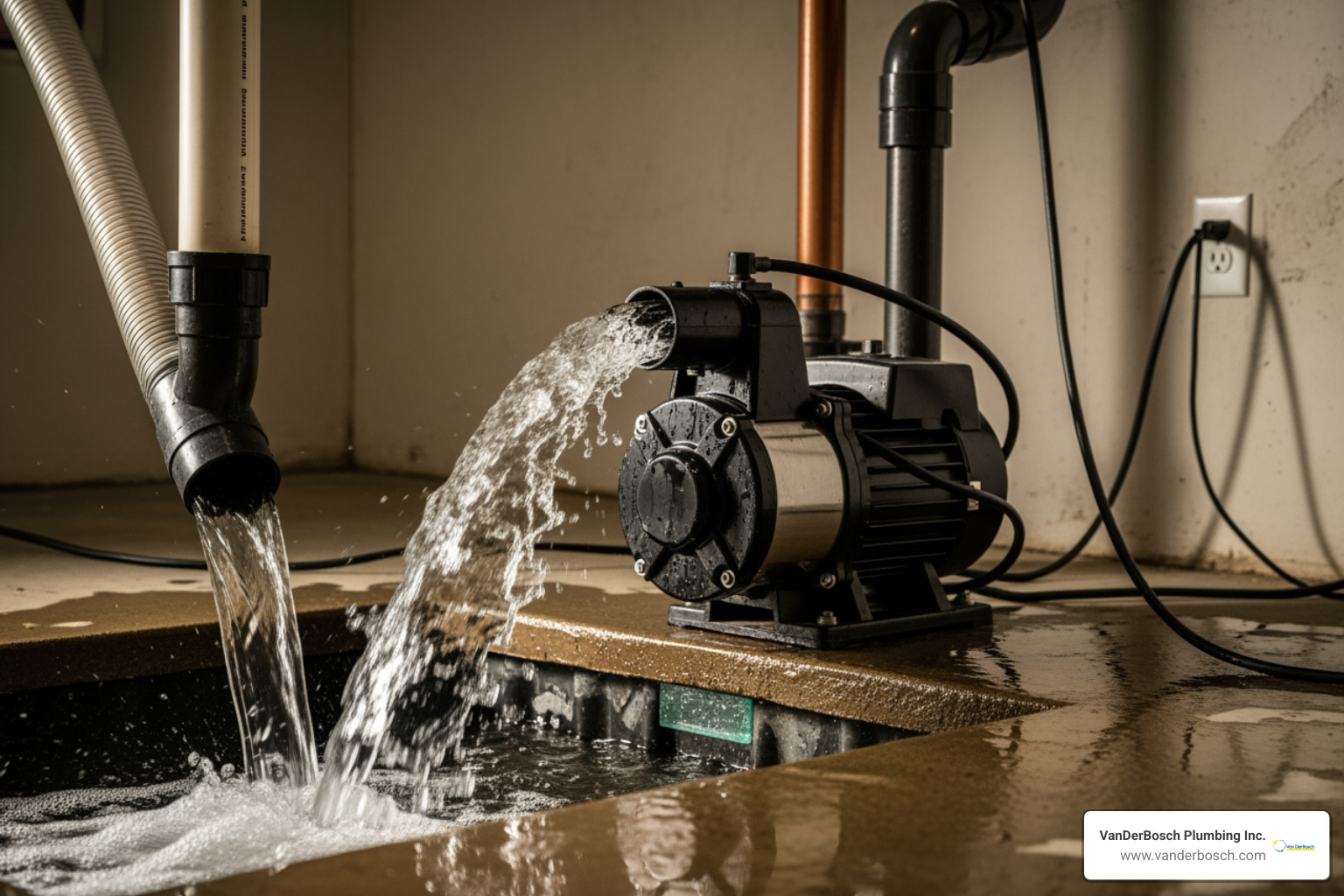
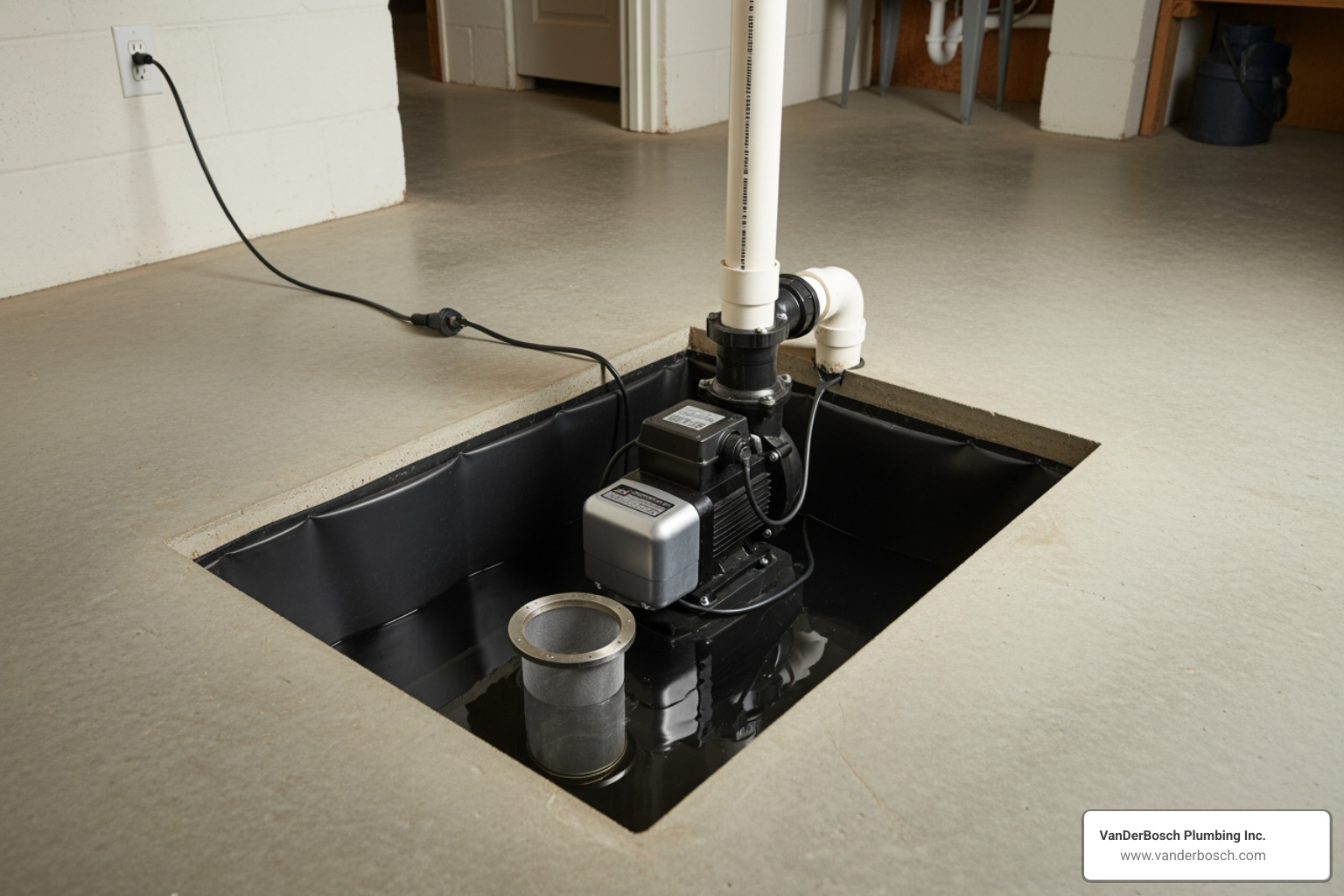
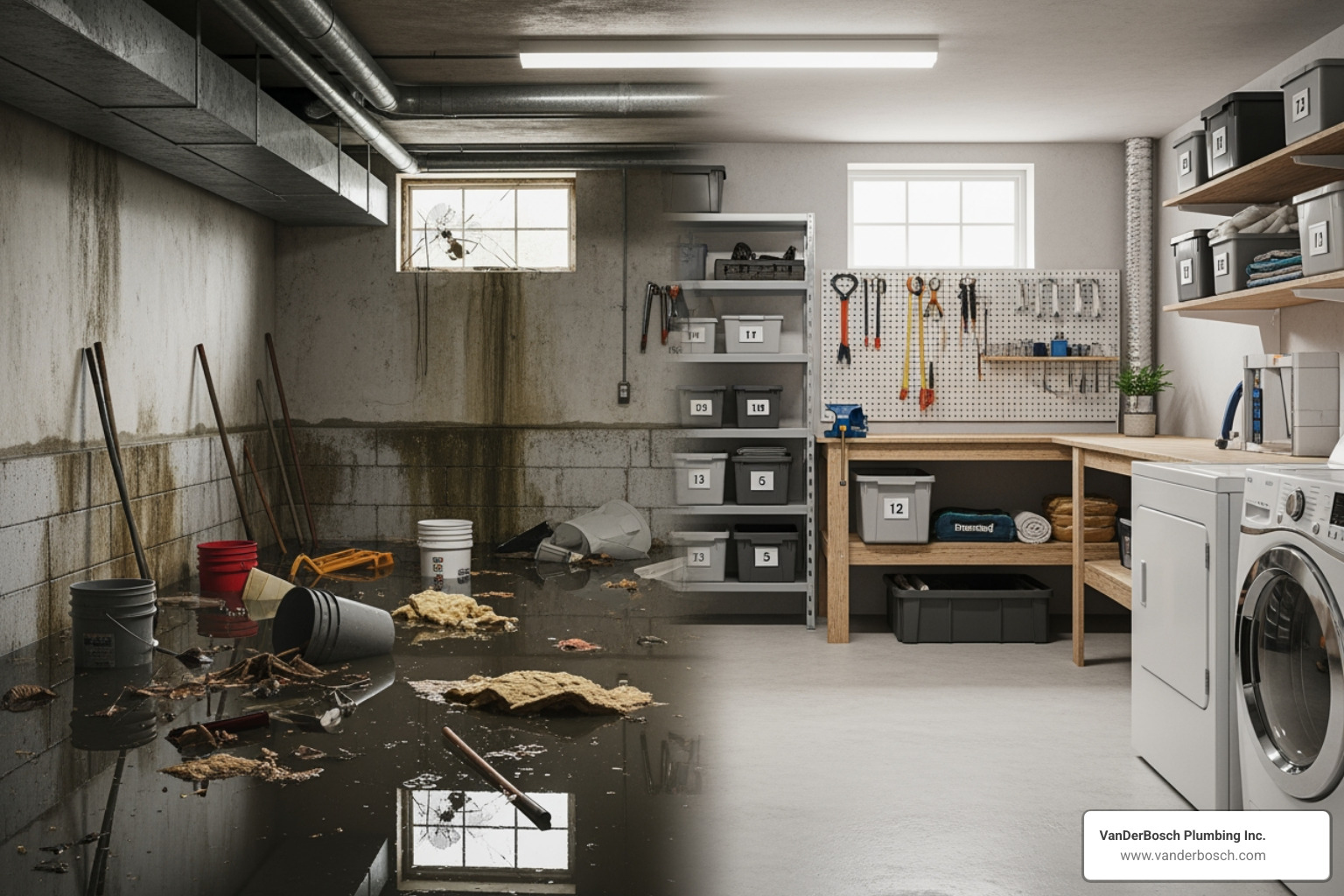
dry basement after successful sump pump operation - sump pump constantly running

If your pump is humming along for 24 hours straight—especially if it hasn’t rained in days—you are looking at a mechanical or environmental anomaly. According to basement protection guidelines, a healthy system should only operate when necessary. Constant operation leads to motor burnout, which is the last thing you want during a Chicago spring thaw. Furthermore, the energy efficiency of your home takes a hit; those motors draw significant power, and running one 24/7 will reflect unpleasantly on your next ComEd bill.

Understanding how sump pumps protect against flooding is key to realizing why the “off” cycle is just as important as the “on” cycle. The “off” period allows the motor to cool down. Without it, the internal seals can fail, and the lubricant can break down, leading to a seized motor.

Common Reasons Your Sump Pump Constantly Running

When we visit homes in Roselle or Elmhurst to investigate a runaway pump, we usually find the cause falls into one of two categories: mechanical failure or environmental stress.

Cause Category Specific Issues Solution Complexity
Mechanical Stuck float, broken check valve, clogged impeller Low to Medium (DIY possible)
Environmental High water table, underground leaks, poor grading Medium to High (Professional)
Installation Incorrect pump size, shallow pit, poor pipe routing High (Requires Re-installation)

If you are asking yourself, “Do I need a sump pump?” because yours won’t stop making noise, the alternative is a swimming pool in your basement. However, the lifespan of these units is finite. On average, a well-maintained pump lasts 7-10 years. If your pump is in the 5-7 year range and starts running non-stop, it may be nearing the end of its reliable service life.

Stuck Float Switch and Sump Pump Constantly Running

The float switch is the “brain” of the pump. It’s essentially a buoyant ball or cylinder that floats on top of the water. When the water rises, the float rises, flipping a switch to start the motor.

The most common reason for a sump pump constantly running is that this float has become stuck in the “up” position. This often happens because:

  • Vibrations: As the pump runs, it can “wander” or shift in the pit until the float presses against the side of the basin.
  • Debris: Small rocks, dirt, or even trash can get wedged between the float arm and the pump body.
  • Tangle: In some models, the tethered float (which looks like a black balloon on a cord) can get tangled around the discharge pipe or the pump’s power cord.

If you want to see this in action, check out this video of common float issues. We often recommend a vertical float design over a tethered one for our Chicagoland clients, as they are less likely to get snagged on the basin walls.

Faulty Check Valves, Clogged Pipes, and Incorrect Sizing

The check valve is a small but mighty component installed in the discharge pipe. Its job is to act as a one-way valve. When the pump turns off, the check valve prevents the several gallons of water remaining in the vertical pipe from falling back into the pit.

If this valve fails, you get “water recycling.” The pump empties the pit, shuts off, the water in the pipe falls back down, the float rises again, and the pump restarts. This cycle repeats indefinitely, mimicking a sump pump constantly running.

Other mechanical hurdles include:

  • Clogged Discharge Pipes: If the pipe is blocked by debris or ice, the pump will run but the water has nowhere to go. The water level never drops, so the pump never shuts off.
  • Incorrect Sizing: If your pump is too small (low horsepower), it may struggle to keep up with the rate of water entering the pit during a heavy storm, leading to constant operation. Conversely, a pump that is too powerful for a small pit can cause “short cycling,” which is equally damaging. There are many reasons to add a sump pump to the home, but getting the right size is paramount.

High Water Tables and External Water Sources

Sometimes the pump is working perfectly, but the water just keeps coming. This is common in areas like Niles or Mount Prospect where the water table can be high.

Environmental factors include:

  • The Spring Thaw: In Illinois, when the snow melts and the ground is still partially frozen, water can’t soak into the deep soil. It stays near the surface and floods into sump pits.
  • Underground Leaks: A broken water main or a leaking sprinkler system near your foundation can provide a never-ending supply of water to your pit.
  • Landscaping Changes: If a neighbor changes their yard’s grading or you install new flower beds, water might be redirected toward your foundation.

In these cases, basement water problems: a reliable sump pump is your first line of defense, but you might need a higher-capacity system or a secondary “buddy” pump to handle the load.

Troubleshooting, DIY Fixes, and Signs for Replacement

Before you panic and assume you need a brand-new system, there are several troubleshooting steps you can take. While some issues require the “big guns,” many can be solved with a pair of gloves and 20 minutes of your time.

Regular maintenance can actually extend your pump’s life to 8-10 years. This includes cleaning out the pit, as “rusty debris” and small rocks can damage the impeller (the fan that pushes the water). If you find yourself wondering, “Do you need a plumber for sump pump installation?” the answer is usually yes if the discharge lines need to be re-run or if you are dealing with electrical issues. For those who prefer professional help right away, you can find local plumbing pros to take the weight off your shoulders.

Step-by-Step Troubleshooting for a Sump Pump Constantly Running

If your pump is having its own personal marathon, follow these steps:

  1. Check the Power: Ensure the pump is plugged into a dedicated GFI outlet. Sometimes voltage fluctuations (falling below 100V) can cause a motor to hum and run without actually having enough torque to move water.
  2. The Float Test: Reach into the pit and gently wiggle the float. If the pump stops when you move the float down, you’ve found your culprit. Clean away any debris and ensure the pump is centered in the pit so the float doesn’t touch the walls.
  3. Inspect the Check Valve: Look at the arrow on the check valve; it should point away from the pump. If you hear a loud “thud” followed by the sound of rushing water every time the pump stops, the valve is likely failing and needs replacement.
  4. Clear the Discharge Line: Go outside and find where the water exits. Ensure it isn’t blocked by leaves, mulch, or ice. If the line is frozen, you may need to install an anti-freeze attachment.
  5. Clean the Inlet Screen: Unplug the pump, pull it out of the pit, and check the bottom. If the screen is clogged with muck, the pump can’t pull water in, causing it to run dry and overheat.

For residents in our service area, we offer specific Roselle services: sump pumps to handle these diagnostics for you.

Frequently Asked Questions

Can a sump pump burn out from running too much?

Absolutely. Sump pump motors are cooled by the water surrounding them (in submersible models) or by air. If a pump runs constantly, especially if the pit is dry because of a stuck float, the motor will overheat. This leads to internal seal failure and total motor seizure. Replacing a burnt-out pump is much more expensive than a simple maintenance call.

How often should I test my sump pump?

We recommend a “bucket test” at least quarterly. Pour enough water into the pit to raise the float and trigger the pump. This ensures the float isn’t stuck and the check valve is holding. This is a core part of our seasonal services: sump pumps packages.

Why does my pump run when there is no rain?

This is usually due to a high water table or an underground water source. In many parts of Chicagoland, the soil stays saturated long after the rain stops. Other reasons include leaking underground pipes, heavy condensation from HVAC systems draining into the pit, or poor yard drainage that directs groundwater toward your basement.

Conclusion

A sump pump constantly running is more than just a noisy nuisance; it’s a threat to your home’s dry basement and your wallet. Whether it’s a simple fix like untangling a float switch or a more complex issue like a high water table, addressing it now is far better than dealing with a flood later.

At VanDerBosch Plumbing Inc., we’ve been the trusted Chicagoland experts for decades. From Chicago to Roselle and out to Winnetka, we provide licensed, professional service with a 100% satisfaction guarantee. We offer transparent pricing with no hidden service charges and are available 24/7 for those middle-of-the-night emergencies.

Don’t let your sump pump run itself into an early grave. If you’re in Cook County or the surrounding areas and need a professional eye on your system, contact us today for more info about sump pump services. We’ll make sure your basement stays dry and your pump gets the rest it deserves.
Trenchless vs. Traditional: A Cost Breakdown for Sewer Repair

average cost of trenchless sewer repair

Understanding Trenchless Sewer Repair Methods

When we talk about “trenchless” technology, we are referring to a variety of “no-dig” methods used to repair or replace underground pipes with minimal disruption to the surface. For homeowners in locations like Cook County or Elmhurst, this is a game-changer. Instead of a massive trench running through your front yard, we typically only need one or two small access points.

There are two primary heavyweights in the trenchless world: Cured-in-Place Pipe (CIPP) and Pipe Bursting. Understanding What to Know About Trenchless Pipe Repairs starts with knowing how these two differ in application and structural outcome.

  • Cured-in-Place Pipe (CIPP): This is essentially creating a “pipe within a pipe.” We insert a flexible, resin-saturated felt tube into the damaged sewer line. Once in place, the liner is inflated and cured using heat, steam, or UV light. This creates a smooth, jointless, and structurally sound new interior wall.
  • Pipe Bursting: This method is used when the original pipe is too damaged to be lined or if you need to increase the pipe’s diameter (upsizing). A hydraulic bursting head is pulled through the old pipe, fracturing it outward while simultaneously pulling a brand-new high-density polyethylene (HDPE) pipe behind it.

Both methods restore the structural integrity of your sewer system without the “cringe-inducing” mess of traditional excavation.

CIPP Lining vs. Pipe Bursting Techniques

Choosing between these two often depends on the condition of your existing line.

CIPP Lining is ideal for pipes that are still structurally round but suffer from cracks, leaks, or root intrusion. Because it uses a resin-saturated felt liner, it can navigate slight bends. The result is a seamless pipe that is highly resistant to future root entry.

CIPP liner being inserted into a residential sewer line through a small access point - average cost of trenchless sewer repair

Burst pipe repair in Chicago, IL, on the other hand, is the heavy-duty solution. If your pipe has sections that are starting to collapse or if you have an old clay tile line that is beyond saving, pipe bursting is the answer. The high-density polyethylene (HDPE) pipe used in this process is incredibly durable and can last up to 100 years. According to the Environmental Protection Agency (EPA), by avoiding major excavation, these methods have a significantly smaller environmental impact and a lower carbon footprint.

Average Cost of Trenchless Sewer Repair

Budgeting for a major home repair can be stressful. In the Greater Chicago area, we find that most homeowners want a clear idea of what to expect before the cameras even go into the ground. While every property is unique, we can provide reliable project estimates based on local data.

Is the investment worth it? Many of our customers in Winnetka and Oakbrook Terrace ask, Is Trenchless Sewer Repair Worth the Cost? The answer is almost always a resounding “yes” when you factor in the speed of the repair and the lack of property damage.

Method Average Cost Range Best For
CIPP Lining $3,000 – $8,000 Cracks, leaks, and root prevention
Pipe Bursting $4,000 – $12,000 Collapsed pipes or upsizing needs
Spot Repairs $900 – $2,500 Isolated damage in a single section
Traditional Dig $4,000 – $25,000+ Shallow pipes or severe structural sags

Average cost of trenchless sewer repair per linear foot

When contractors provide quotes, they often break them down by the length of the run. The average cost of trenchless sewer repair in Chicago, IL typically falls between $60 and $250 per linear foot.

  • CIPP Lining: Usually ranges from $120 to $200 per foot.
  • Pipe Bursting: Usually ranges from $150 to $250 per foot.

These rates include the high-tech materials (like epoxy resins or HDPE piping), the specialized machinery required, and the skilled labor of technicians trained in advanced trenchless technology. According to How Much Does Trenchless Sewer Line Piping Cost? [2025 Data], the per-foot cost may seem higher than traditional digging at first glance, but it’s the “total project cost” where trenchless really shines.

Average cost of trenchless sewer repair by project size

The scale of the damage is the biggest price driver.

  • Small-scale repairs: If you only have a small section of pipe under a porch or a specific joint that has failed, a “pull-in-place” liner or a spot repair might only cost $3,000 to $4,000.
  • Full-line replacement: For a standard 40-foot run from the house to the city main, expect to pay between $6,000 and $12,000.
  • Extensive or complex projects: If the line is exceptionally long (over 50-60 feet), very deep, or requires navigating multiple utility lines, costs can reach $20,000 or more.

Trenchless vs. Traditional: Comparing Total Project Expenses

To understand the real value, you have to look at the “hidden” costs of the old way of doing things. Traditional Sewer Line Repair involves bringing in a backhoe, digging a 6-to-10-foot deep trench across your property, and hauling away tons of dirt.

While the raw plumbing labor for traditional digging might sometimes be lower (around $50–$250 per foot), the collateral damage is where the bill skyrockets.

Traditional trench digging causing significant damage to a residential lawn and driveway - average cost of trenchless sewer repair

Hidden Costs of Traditional Dig-and-Replace

When you dig a trench, you aren’t just paying for the pipe. You are paying for the destruction—and subsequent restoration—of everything sitting on top of that pipe.

  • Landscaping: Replacing sod, bushes, and trees can cost anywhere from $300 to $10,000.
  • Driveways: The cost to repair a driveway typically falls between $799 and $2,603.
  • Patios and Walkways: Replacing a concrete patio or walkway usually costs between $665 and $3,000.

When you add these restoration fees—which can easily total $2,000 to $10,000—the average cost of trenchless sewer repair often ends up being 20% to 40% cheaper than the traditional alternative.

Key Factors Influencing Your Trenchless Repair Quote

Why is one neighbor’s quote $6,000 while another’s is $11,000? Several variables come into play. According to How Much Does Sewer Line Replacement Cost in 2025?, these factors can swing a quote significantly:

  1. Pipe Length and Diameter: More material and more time on-site naturally increase the price.
  2. Depth of the Line: Even in trenchless repair, we need access pits. If your sewer line is 12 feet deep instead of 4 feet deep, those pits require more labor and safety shoring.
  3. Accessibility: Is the access point in an open yard or under a finished basement floor? Limited space for equipment can increase labor costs.
  4. Soil Conditions: Hard, rocky soil or very wet, unstable clay can make pipe bursting more difficult and time-consuming.

Impact of Pipe Condition and Material

The material of your existing pipe also dictates the method and cost.

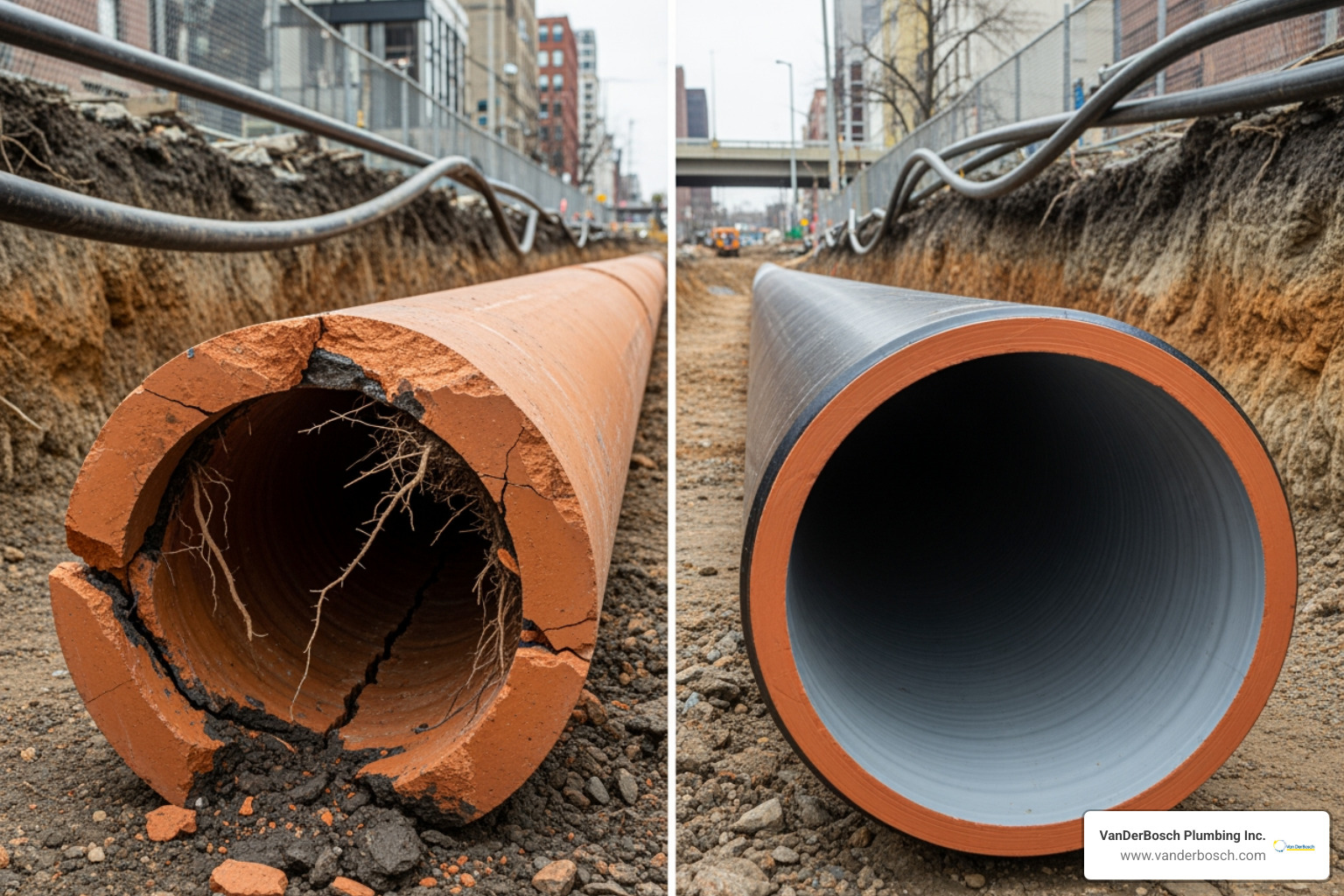
  • Clay Tile and Cast Iron: These are common in older Chicago homes. They are excellent candidates for CIPP lining if they are still round. However, if they have “bellys” (sags) or have collapsed, pipe bursting is required.
  • Orangeburg Pipe: Made of layers of wood pulp and tar, these pipes are notorious for flattening over time. You cannot line a flattened pipe; it must be replaced via pipe bursting or traditional digging.
  • Tree Root Intrusion: If roots have completely filled the pipe, we must perform extensive hydro-jetting to clear the line before we can install a liner.

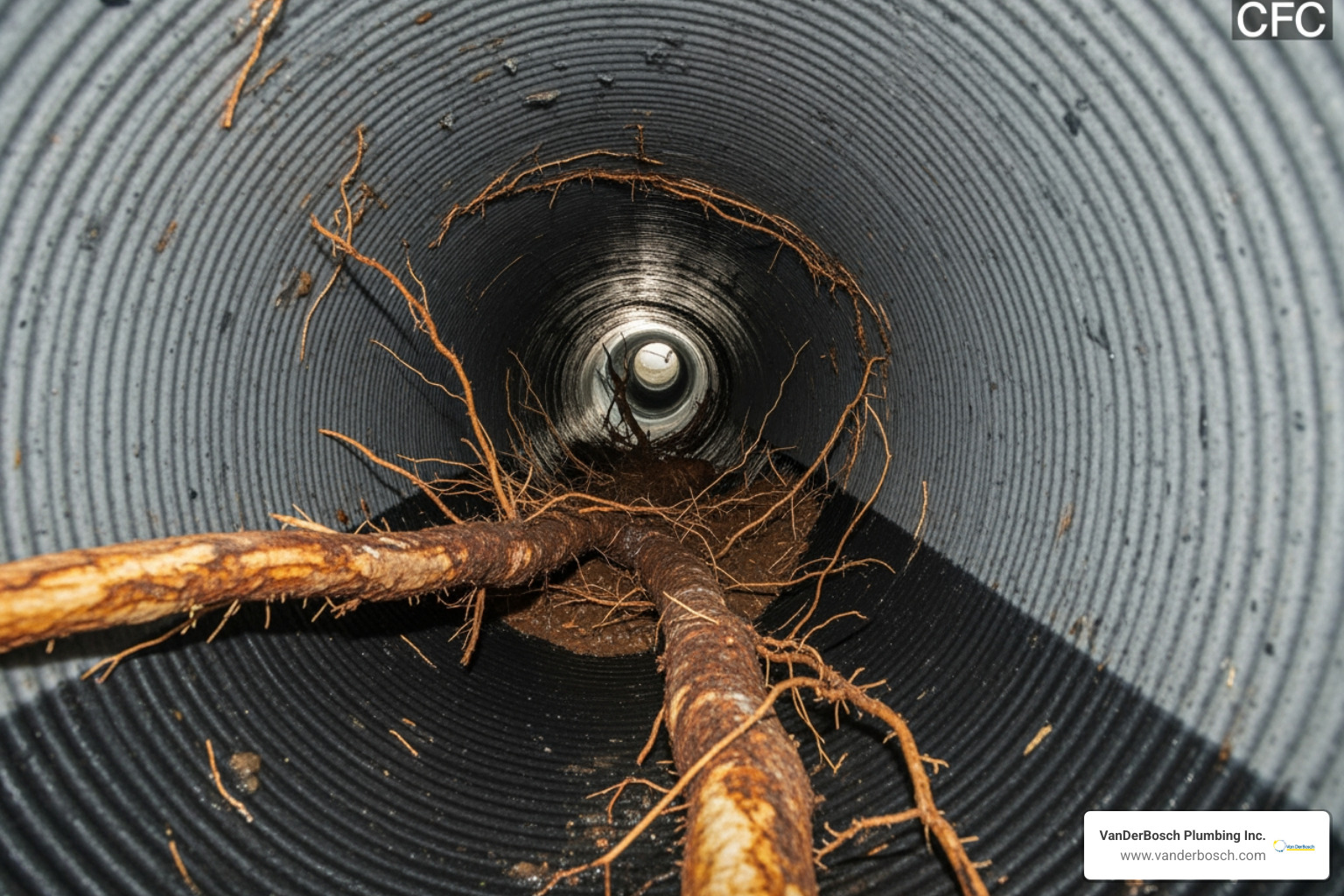
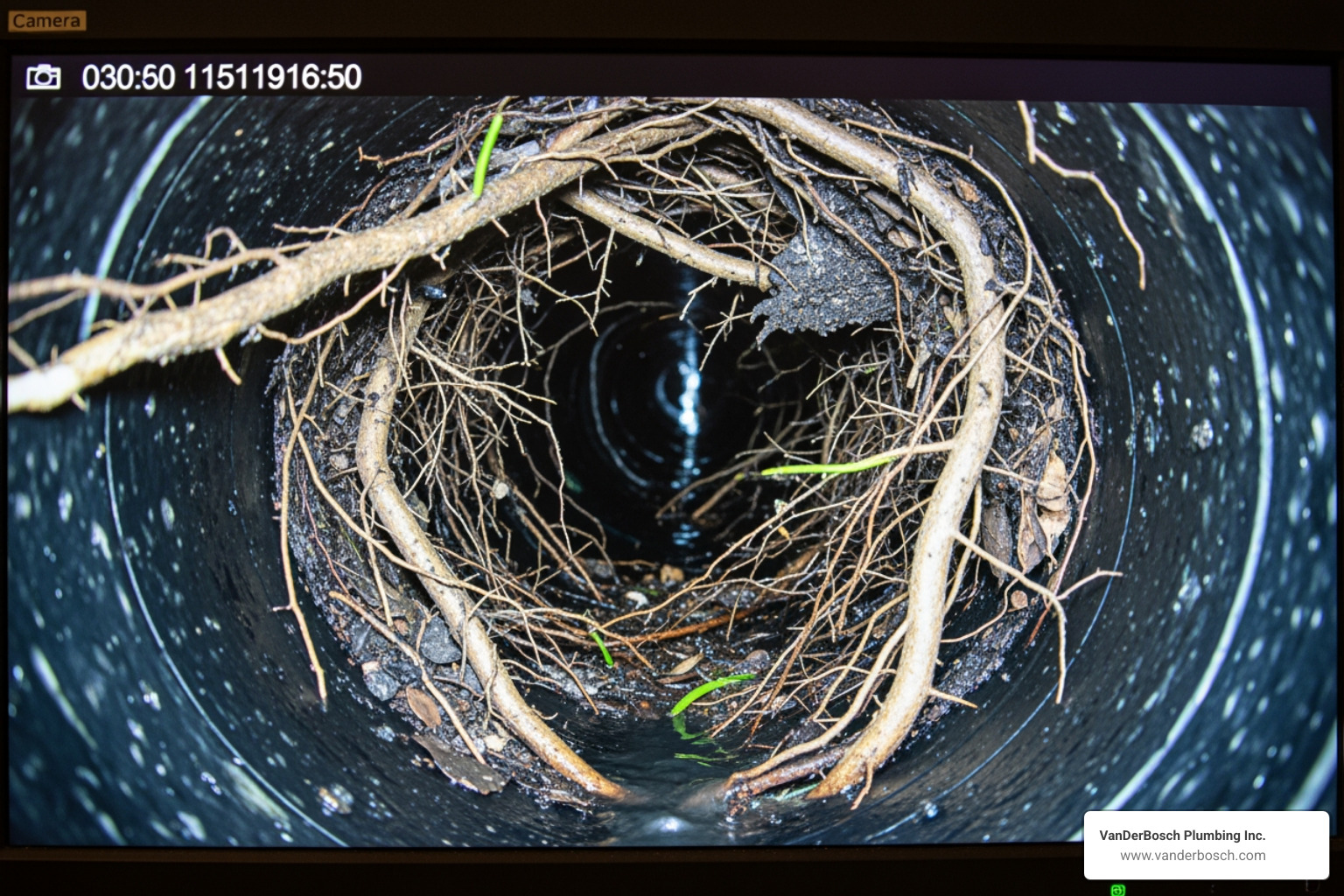
Sewer camera footage showing severe tree root intrusion blocking a sewer line - average cost of trenchless sewer repair

Knowing the Signs a Sewer Line May Need Repair or Replacement—like gurgling toilets or lush, soggy patches in the yard—can help you catch the problem before the pipe completely collapses.

Additional Costs: Permits, Inspections, and Restoration

A professional quote should be transparent and include the “extras” that often surprise homeowners.

  • CCTV Camera Inspection: This is the most important step. A high-definition camera allows us to see exactly what’s wrong. Expect to pay $175 to $500 for a professional diagnostic.
  • Municipal Permits: Most Chicagoland municipalities (like Roselle or Niles) require permits for sewer work. These can cost up to $1,000 depending on the local building department.
  • Cleanout Installation: If your home doesn’t have an exterior cleanout (an access point for the sewer), we may need to install one. This usually costs between $500 and $1,000.
  • Backflow Preventer: We highly recommend installing a backflow preventer to protect your home from city sewer surcharges. This typically adds $150 to $1,150 to the total.
  • Utility Marking: Before any digging for access pits, we must have “JULIE” or local utility locators mark underground gas, electric, and water lines.

Frequently Asked Questions about Trenchless Sewer Repair

How long does a trenchless sewer repair last?

A professionally installed trenchless repair is considered a permanent solution. CIPP liners are engineered to last a minimum of 50 years, while the HDPE pipe used in pipe bursting has a lifespan of 75 to 100 years—and in some soil conditions, potentially even longer. These materials are immune to the corrosion that kills cast iron and the root intrusion that destroys clay.

Does insurance cover trenchless sewer repair?

Standard homeowners insurance often does not cover sewer line wear and tear or root damage. However, many homeowners in Illinois have added a “Service Line Coverage” endorsement to their policies. This rider typically covers the average cost of trenchless sewer repair for accidental breaks or collapses. It’s always worth calling your agent to check for this specific coverage.

Is trenchless repair possible for a collapsed pipe?

It depends on the severity. If a pipe is “offset” (the joints have moved) or has a small break, pipe bursting can usually handle it. However, if the pipe has completely pancaked or has a severe “belly” (a structural sag where water pools), trenchless methods may not be able to restore the proper grade. In those rare cases, a traditional “point repair” or excavation might be necessary to fix the slope of the line.

Conclusion

Dealing with sewer issues is never fun, but modern technology has made it far less of a nightmare for Chicagoland residents. By choosing trenchless methods, you preserve your property’s value, save weeks of construction headaches, and often save money on the total project bottom line.

At VanDerBosch Plumbing Inc., we pride ourselves on providing the most advanced Trenchless Pipe Repair services in the Greater Chicago area. From Sauganash to Hyde Park, our background-checked technicians are available 24/7 to diagnose your sewer issues with transparent, upfront pricing and a 100% satisfaction guarantee.

Don’t let a sewer backup ruin your week. If you’re concerned about your sewer line, contact us today for a professional camera inspection. We’ll help you understand the average cost of trenchless sewer repair in Chicago, IL for your specific home and get your drains flowing freely again—without digging up your life.

Trenchless Pipe Repair in Chicago: A Guide to No-Dig Solutions

chicago pipe relining

Understanding Chicago Pipe Relining and Trenchless Technology

When we talk about Chicago pipe relining, we are describing a sophisticated engineering process that essentially builds a new pipe inside your old one. In the past, if a sewer line under a Chicago bungalow or a commercial building in the Loop failed, the only solution was to bring in heavy machinery, dig a massive trench, and physically swap the old pipe for a new one.

Trenchless technology changed the game. The most common method we use is Cured-In-Place Pipe (CIPP). This involves taking a flexible, felt-like tube saturated with high-strength epoxy resin and “lining” the interior of the damaged host pipe. Once the liner is in place, it is inflated and cured (hardened) using heat or ambient air. The result is a smooth, jointless, and incredibly strong pipe-within-a-pipe.

To help you understand why this is becoming the gold standard, it’s worth checking out our guide on What to Know About Trenchless Pipe Repairs. Unlike traditional materials that rely on joints—which are the primary entry points for tree roots and water infiltration—a relined pipe is a single, continuous unit. This structural integrity is vital for Chicago’s shifting clay soils and extreme temperature fluctuations.

Feature Trenchless Pipe Relining Traditional Excavation
Average Cost (per foot) $70 – $125 $100 – $250+
Timeline 1 – 2 Days 5 – 10+ Days
Surface Disruption Minimal (small access points) Major (trenching through yard/street)
Lifespan 50+ Years 20 – 50 Years (depending on material)
Landscaping Repair None to Minimal Significant (re-sodding, repaving)

The Benefits of No-Dig Solutions for Chicagoland Property Owners

For many of our customers in areas like Winnetka, Hyde Park, or Elmhurst, the greatest benefit of Chicago pipe relining isn’t just the pipe itself—it’s the preservation of their property. We’ve seen homeowners spend decades perfecting their landscaping, only to have a sewer crisis threaten to turn their garden into a construction site.

Is the investment worth it? We dive deep into that question in our article, Is Trenchless Sewer Repair Worth the Cost?. While the per-foot cost of the technology itself is specialized, the “total project cost” is almost always lower because you aren’t paying to rebuild your driveway, replace your sidewalk, or fix your porch after the plumbers leave.

pristine Chicago lawn after sewer repair - chicago pipe relining

Beyond the aesthetics, there are several technical advantages:

  • 50-Year Durability: The epoxy resins used in CIPP are designed to last half a century. They are resistant to the corrosive chemicals often found in municipal waste and are impervious to the tree roots that love to “snack” on old clay pipes.
  • ASTM F-1216 Standards: Professional relining is performed to strict ASTM F-1216 standards, ensuring the new liner meets specific thickness and strength requirements to be considered a “standalone” structural pipe.
  • NASSCO Compliance: Our technicians follow NASSCO (National Association of Sewer Service Companies) guidelines for pipe assessment and cleaning, ensuring the highest quality of installation.
  • Environmental Impact: By avoiding massive excavation, we reduce the carbon footprint of the repair. There’s less heavy machinery idling in your driveway and less debris being hauled to local landfills.

How Cured-In-Place Pipe (CIPP) Works in Chicago Pipe Relining

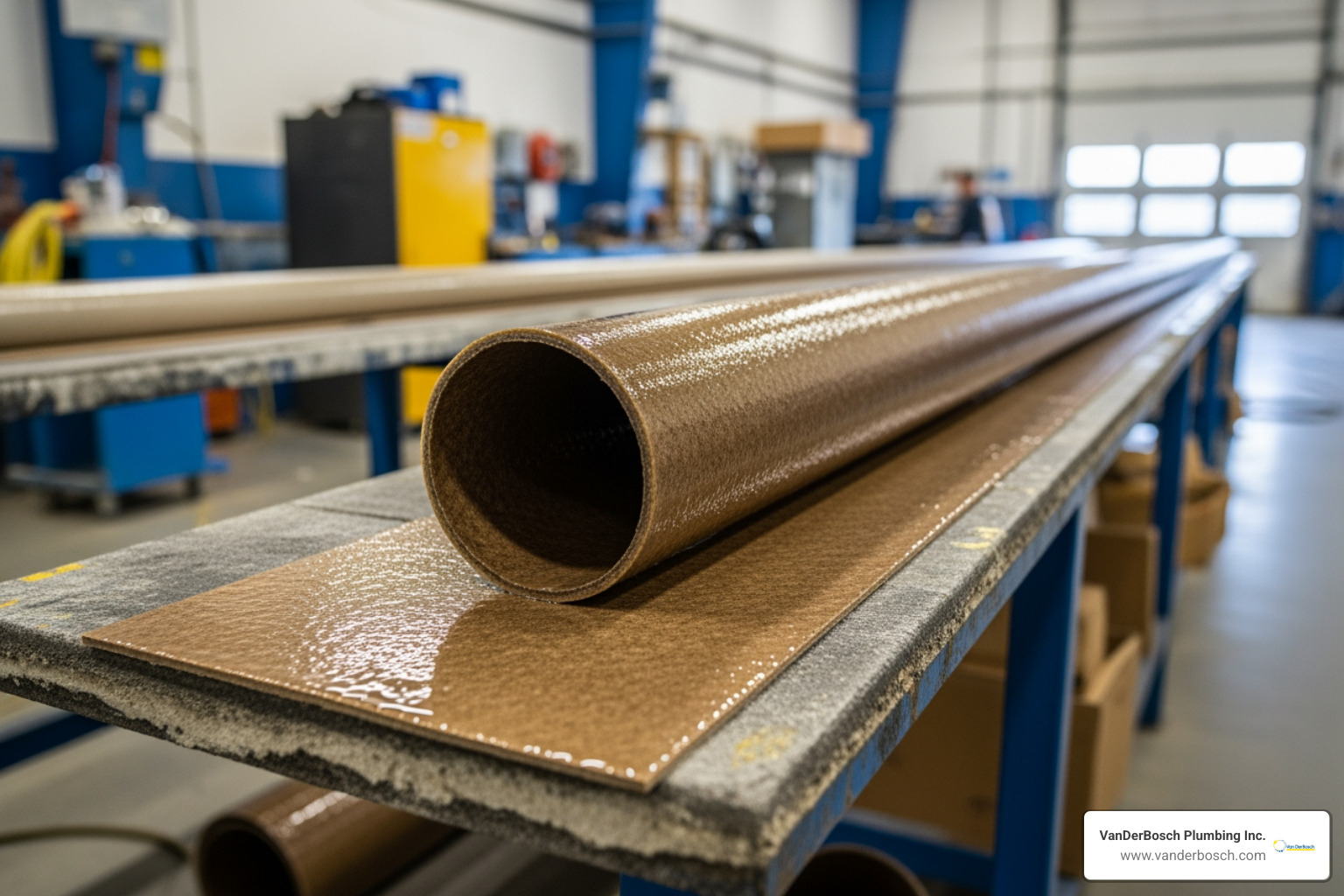
resin-saturated felt liner being prepared for inversion - chicago pipe relining

The CIPP process is a marvel of modern plumbing. It’s a bit like performing laparoscopic surgery on your home’s infrastructure. We don’t just “guess” where the problem is; we use high-definition video inspections to map out every crack, root intrusion, and offset.

Before any lining happens, the pipe must be pristine. We use hydro-jetting—high-pressure water—to scrub the interior walls of the old pipe, removing decades of scale, grease, and debris. For a more technical look at the materials and science involved, you can explore this CIPP 101 technical overview.

Step-by-Step Process for Chicago Pipe Relining

  1. Initial Assessment: We perform a video camera inspection to locate the damage and ensure the pipe is a candidate for relining.
  2. Pipe Cleaning: Using hydro-jetting, we clear the line. If there are heavy roots, we use mechanical cutters to ensure the host pipe is as smooth as possible.
  3. Liner Measurement: We measure the exact length and diameter of the pipe. A custom felt liner is cut to these specifications.
  4. Resin Mixing and Impregnation: A two-part epoxy resin is mixed and poured into the liner. We then use a roller system (impregnation) to ensure the resin is evenly distributed throughout the felt.
  5. Inversion: Using a specialized “inversion drum” and compressed air, we literally blow the liner into the pipe. This turns the liner inside out, pressing the resin-heavy side firmly against the walls of the old pipe.
  6. Curing: The liner is held under pressure. Depending on the system, we may use hot water, steam, or UV light to trigger the chemical reaction that hardens the resin.
  7. Final Inspection: Once hardened, we pull the “calibration tube” out and run the camera through one last time to verify a perfect, glass-smooth finish.

To see how this fits into our broader range of fixes, visit our Services: Sewer Line Repair page.

Why CIPP is Ideal for Chicago Pipe Relining Projects

Chicago is a city of history, and that history lives in our pipes. From the historic mansions of Sauganash to the high-rises of the Gold Coast, traditional digging is often impossible.

  • Historic Buildings: We can repair sewers under 100-year-old foundations without vibrating the structure or risking damage to fragile masonry.
  • Urban Density: In neighborhoods like Ukrainian Village or West Ridge, houses are often only feet apart. There is simply no room for an excavator. Chicago pipe relining allows us to work from a single small access point in the basement or yard.
  • Public Way Repairs: The Chicago Private Drain Program notes that the city may repair drains under the “public way” (from the sidewalk to the street) if they are proven broken. However, for the portion on your private property, relining is often the fastest way to get back in compliance.
  • Frost Line and Soil: Chicago’s deep frost line and heavy clay soil make excavation difficult and expensive. CIPP is unaffected by these surface conditions once installed.

Addressing Chicago’s Aging Infrastructure and Lead Service Lines

One of the biggest headlines in Chicago plumbing right now is the massive effort to replace the city’s 400,000 lead service lines. While Chicago pipe relining is primarily used for sewer and drain lines (wastewater), the city is pushing hard for full replacement of lead water supply lines (potable water).

Many homeowners ask, “Do You Need Repiping?” especially if they live in an older home. If you have a lead service line, the answer is often yes. The City of Chicago offers the Homeowner-Initiated Program fee waivers, which can waive up to $3,100 in permit fees for residents who choose to replace their lead lines with modern copper.

If you notice low water pressure, discolored water, or frequent leaks, these are Signs Repiping Services May Be Needed. While we use trenchless relining for your sewers, we use specialized “pipe pulling” or “trenchless boring” techniques to replace lead water lines with minimal yard damage as well.

Frequently Asked Questions about Chicago Trenchless Repair

How much does pipe relining cost in the Chicago area?

Typically, pipe relining in Chicago, IL costs between $70 and $125 per foot. While this might seem higher than the raw cost of PVC pipe, it is significantly cheaper than traditional excavation when you factor in the “hidden” costs. Traditional digging can run $100 to $250+ per foot once you include the cost of a backhoe, street opening permits, and restoring your driveway or landscaping. You can find more details on our Services: Trenchless Pipe Repair page.

How long do relined pipes typically last?

A professionally installed CIPP liner has a lifespan of 50+ years. Because the epoxy is a non-corrosive structural plastic, it won’t rust like cast iron or crack like clay. The jointless construction also means there are no gaps for roots to enter, which is the #1 cause of sewer failure in Chicagoland.

Can all types of pipe damage be fixed with relining?

Relining is incredibly versatile, but it isn’t magic. It is perfect for cracked pipes, root-infested lines, and pipes with “offset” joints (where two sections of pipe have shifted). However, if a pipe has completely collapsed or has an offset greater than 20%, the liner may not be able to pass through or provide a structural fix. In those rare cases, we may perform a “point repair” (digging up just that one spot) and then relining the rest.

Conclusion

At VanDerBosch Plumbing Inc., we believe that modern plumbing should be seen, not heard—and definitely not smelled. Our goal is to provide Chicago pipe relining solutions that solve your sewer problems for the next half-century without making your life a headache today.

Whether you are in Melrose Park, Oakbrook Terrace, or Niles, our team of licensed, background-checked technicians is ready to help. We offer a 100% satisfaction guarantee, 24/7 emergency availability, and transparent pricing with no hidden service charges. We’ve spent years perfecting our trenchless techniques because we know that Chicago property owners value both their time and their historic homes.

Don’t wait for a total sewer collapse to take action. Schedule your Chicago pipe relining assessment today and let us show you how we can restore your pipes with zero digging and total peace of mind.

Commercial Plumbing in Oak Park: What to Look for in a Pro

Commercial plumbing Oak Park

Why Commercial Plumbing Oak Park Requires Specialized Expertise

Commercial plumbing in Oak Park, IL demands a different approach than residential work. If you’re a business owner facing plumbing issues, here’s what you need to know right away:

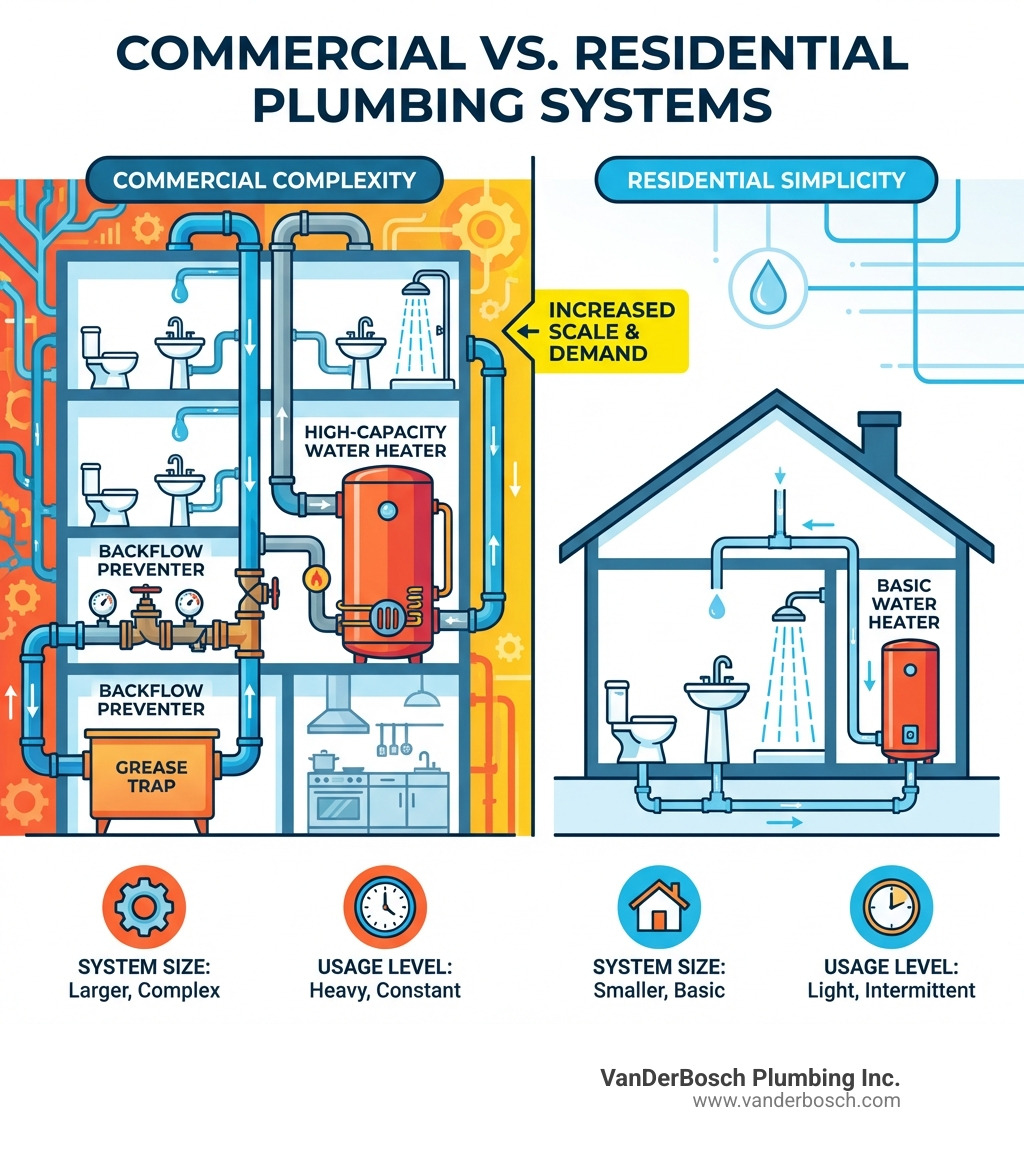
Key Differences Between Residential and Commercial Plumbing:

Aspect Residential Commercial
System Size Smaller pipes and fixtures Larger, complex systems
Usage Level Light, intermittent use Heavy, constant use
Compliance Basic local codes Stricter regulations
Emergency Impact Inconvenience to family Business shutdown, revenue loss
Maintenance Needs Occasional repairs Regular preventative service

As one local property manager finded: “Commercial property plumbing is more vulnerable to damage than residential plumbing due to its frequent use.” That vulnerability means small problems can quickly become expensive disasters.

Oak Park’s aging infrastructure adds another layer of complexity. Between weather-related damage and decades-old pipes, businesses here face unique challenges that require specialized knowledge and equipment.

Whether you run a restaurant dealing with grease trap issues, manage an office building with multiple floors, or operate a retail space with high customer traffic, your plumbing system works harder than any residential setup. It needs professionals who understand those demands.

The good news? Choosing the right commercial plumber protects your business from costly shutdowns, keeps you compliant with local codes, and saves money through preventative maintenance.

Infographic showing commercial plumbing system complexity including larger pipes, multiple floors, grease traps, backflow preventers, and high-capacity water heaters compared to simpler residential systems with basic fixtures and smaller scale operations - Commercial plumbing Oak Park infographic

Key Challenges for Commercial Plumbing Oak Park Properties

When we talk about commercial plumbing in Oak Park, IL, we aren’t just talking about a leaky faucet in a breakroom. We are talking about the backbone of your business operations. Oak Park is a beautiful, historic area, but that history comes with its own set of “plumbing headaches.”

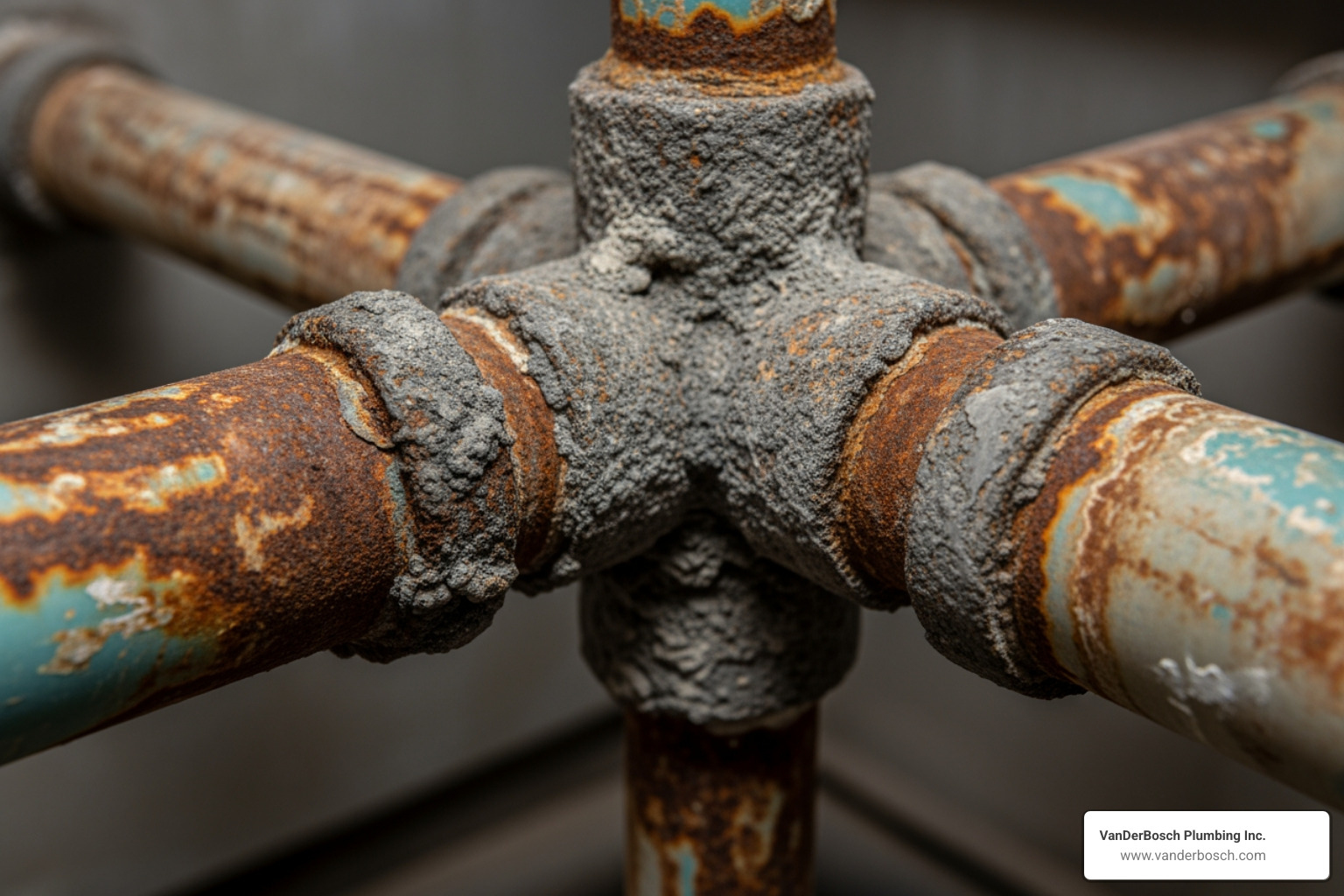
Many commercial buildings in Oak Park and the surrounding Cook County area sit on infrastructure that has been around for decades. Aging pipes made of galvanized steel or clay can become brittle and prone to collapse. When you combine this with the brutal Chicago winters, you have a recipe for disaster.

Frozen pipes are a major concern for our local businesses. When the temperature drops, water in poorly insulated pipes expands, leading to bursts that can flood a warehouse or retail floor in minutes. Furthermore, the ground shifts during the freeze-thaw cycle, which can cause underground sewer lines to crack or misalign.

High Usage Vulnerability

Unlike a home where the toilet might be flushed a dozen times a day, a commercial restroom in a busy Oak Park restaurant or office complex might see hundreds of users daily. This “frequent use” makes the system much more vulnerable to damage. Hardware wears out faster, seals break more often, and clogs become a weekly occurrence rather than a yearly one.

Silent Leakage and Sewer Smells

One of the most insidious challenges we see is “silent leakage.” These are leaks in difficult-to-reach areas—behind walls, under slabs, or in crawl spaces—that don’t immediately show up as a puddle. Instead, they show up on your water bill.

Then there are the “sewer smells.” If you start noticing a foul odor in your building, it’s often a sign of a dried-out P-trap, a cracked vent pipe, or a backup in the main sewer line. In a commercial setting, this isn’t just gross; it can drive away customers and lead to health code violations.

For businesses looking to dive deeper into how these systems function and why they fail, check out More info about commercial plumbing to see how we handle these complex scenarios.

Aging infrastructure showing corroded pipes and mineral buildup which common in older commercial properties - Commercial plumbing Oak Park

Essential Commercial Plumbing Oak Park Services

To keep a business running, you need more than just a plunger. You need specialized services designed for high-volume environments.

  • Hydro Jetting: This is the “heavy artillery” of drain cleaning. Instead of just poking a hole through a clog with a snake, we use high-pressure water to blast away hardened grease, mineral scale, and debris. It cleans the full diameter of the pipe, which drastically reduces the chance of a future blockage.
  • Grease Trap Maintenance: For our friends in the Oak Park food service industry, grease trap cleaning is non-negotiable. If fats, oils, and grease (FOG) enter the main sewer line, they harden like concrete. Regular maintenance keeps you compliant with local health regulations and prevents catastrophic backups.
  • Gas Line Repair and Installation: Commercial kitchens and heating systems rely on heavy-duty gas lines. We are trained to safely install, repair, and maintain these lines, ensuring your business stays warm and your ovens stay hot.
  • High-Efficiency Fixture Installation: Upgrading to modern fixtures can save a fortune. We often recommend Toto high-efficiency fixtures for their legendary reliability in high-traffic restrooms. Similarly, we look to American Standard commercial solutions for durable sinks and toilets that can withstand the rigors of public use.
  • Water Heater Services: Whether you need a massive traditional tank for a hotel or a space-saving tankless system for a small cafe, we ensure you have a consistent supply of hot water.

Code Compliance and Emergency Preparedness

In Oak Park and throughout Cook County, commercial plumbing is subject to much stricter compliance requirements than residential systems.

Backflow Prevention is a big one. Businesses are often required to have backflow preventers installed and tested annually. These devices ensure that contaminated water from your building’s system (like from a boiler or a lawn sprinkler) doesn’t flow backward into the city’s clean water supply. If you’re out of compliance, you could face heavy fines or even have your water service shut off.

We also believe in empowering our clients. We often help business owners train their staff on where the emergency shut-off valves are located. In a plumbing emergency, knowing how to kill the water supply in 30 seconds versus 30 minutes can be the difference between a small cleanup and a $50,000 insurance claim.

Because emergencies don’t stick to a 9-to-5 schedule, we provide 24/7 availability. If a pipe bursts at 3 AM on a Sunday, we’re ready to roll. If you haven’t had your system checked recently, it’s a good idea to Schedule an appointment for an inspection to ensure everything is up to code.

The Financial Impact of Professional Maintenance

Many business owners view plumbing as an “if it ain’t broke, don’t fix it” expense. However, the data tells a different story. Routine diagnostics and preventative maintenance are actually cost-saving strategies.

Preventing Costly Failure

A “hidden” plumbing problem can raise your bills significantly without you even realizing it. A single leaky pipe in a difficult-to-reach area could force you to be charged for thousands of gallons of water you never actually used.

Furthermore, the malfunction of water heaters or electrical components within your plumbing system can result in much higher electricity consumption. When a water heater is filled with sediment, it has to work twice as hard to heat the water, sucking up energy and shortening the unit’s lifespan.

Benefits of Regular Maintenance:

  • Water Bill Reduction: Detecting and fixing small leaks before they grow.
  • Energy Efficiency: Keeping water heaters and pumps running at peak performance.
  • Operational Continuity: Avoiding the “closed for repairs” sign that kills revenue.
  • Property Value: Well-maintained systems are a major asset if you ever decide to sell or lease your commercial space.

You don’t have to take our word for it—our clients across Chicagoland have seen the results. Read our customer reviews to see how regular maintenance has saved local businesses from major headaches.

Cost-Saving Benefits of Commercial Plumbing Oak Park Maintenance

Investing in professional commercial plumbing services in Oak Park pays dividends in the long run. Here’s how we help you keep more money in your pocket:

  1. Extending Fixture Life: Regular cleaning and part replacement (like washers and valves) can double the life of expensive commercial fixtures.
  2. Avoiding Major Upgrades: By maintaining your current system, you can delay the need for a total re-piping or a full sewer line replacement for years.
  3. Hidden Leak Detection: We use advanced technology to find leaks before they rot your subflooring or damage your building’s foundation.
  4. High-Pressure Drain Cleaning: Routine hydro jetting prevents the “emergency call-out” fee by keeping lines clear of grease and scale buildup.

If you want to explore the full range of what we can do for your property, check out More info about our services for a comprehensive breakdown.

Selecting a Professional Partner

Choosing a plumber for your business is a high-stakes decision. You aren’t just looking for someone with a wrench; you’re looking for a partner who understands the local landscape.

What to Look For:

  • Licensed and Insured: This is the bare minimum. Never allow an unlicensed “handyman” to touch your commercial plumbing.
  • Background-Checked Technicians: You need to know that the people entering your place of business are professional, safe, and reliable.
  • Transparent Pricing: You should know the cost before the work begins. We pride ourselves on transparent pricing with no hidden service charges.
  • 100% Satisfaction Guarantee: A company that stands behind its work is a company you can trust.

At VanDerBosch Plumbing Inc., we bring decades of experience to every job. We are a family-owned business that treats every client like a neighbor because, in many cases, you are! You can learn more About our team and our commitment to the Chicagoland community.

Why Local Expertise Matters

Local expertise isn’t just a buzzword; it’s a practical necessity. A plumber from outside the area might not understand the specific soil conditions in Oak Park that lead to sewer line shifts, or the specific quirks of Cook County’s plumbing codes.

Fast response times are another huge factor. When you’re in the middle of a plumbing crisis in Melrose Park or Elmhurst, you don’t want to hear that your plumber is stuck in traffic three counties away. Our deep roots in the community mean we can get to you quickly.

We understand the local infrastructure because we’ve been working on it for years. We know which neighborhoods have old clay pipes and which ones are prone to basement flooding. That “insider knowledge” allows us to diagnose problems faster and implement more effective solutions. If you’re currently facing an issue or just want to establish a relationship with a local pro, Contact us for local help.

Frequently Asked Questions about Commercial Plumbing

What are the signs of a commercial plumbing issue?

Keep an eye (and ear) out for these red flags:

  • Slow Drains: If multiple sinks or toilets are draining slowly, you likely have a clog in the main line.
  • Unexplained High Water Bills: This is the #1 sign of a silent leak.
  • Persistent Sewer Odors: This indicates a breach in your sewer or vent lines.
  • Water Stains: Yellow or brown stains on walls or ceilings mean a pipe is leaking somewhere above.

How often should commercial drains be cleaned?

For high-traffic businesses like restaurants or hotels, we recommend a professional cleaning (like hydro jetting) at least once a year. If you deal with a lot of grease, quarterly grease trap maintenance is essential. Annual inspections are a smart move for any commercial property to catch small issues before they become “midnight emergencies.”

Is emergency plumbing available after hours in Oak Park?

Yes! We offer 24/7 response for critical issues like pipe bursting or major sewer backups. We know that a plumbing disaster doesn’t wait for Monday morning. While some after-hours calls may involve different fee structures depending on the complexity, having a pro on-site immediately can save you thousands in water damage.

Conclusion

Managing a business is hard enough without having to worry about your pipes. Commercial plumbing in Oak Park, Illinois requires a specialized touch, an understanding of local codes, and a commitment to fast, reliable service.

At VanDerBosch Plumbing Inc., we specialize in light commercial plumbing across Chicagoland, from the Loop to Melrose Park and beyond. Our background-checked technicians and 100% satisfaction guarantee ensure that your property is in good hands. Don’t wait for a disaster to happen—protect your investment today.

Ready to ensure your business’s plumbing is in top shape? Book a time with an Oak Park Plumber and let us take the “pressure” off your shoulders!

Chicago’s Plumbing Pros: How to Pick the Right Contractor

Chicago plumbing contractor

Why Finding the Right Chicago Plumbing Contractor Matters

A Chicago plumbing contractor can mean the difference between a quick fix and a costly disaster. When pipes burst at 2 AM or your basement starts flooding, you need someone reliable, licensed, and ready to help—not someone who’ll make things worse or leave you with a massive bill full of surprises.

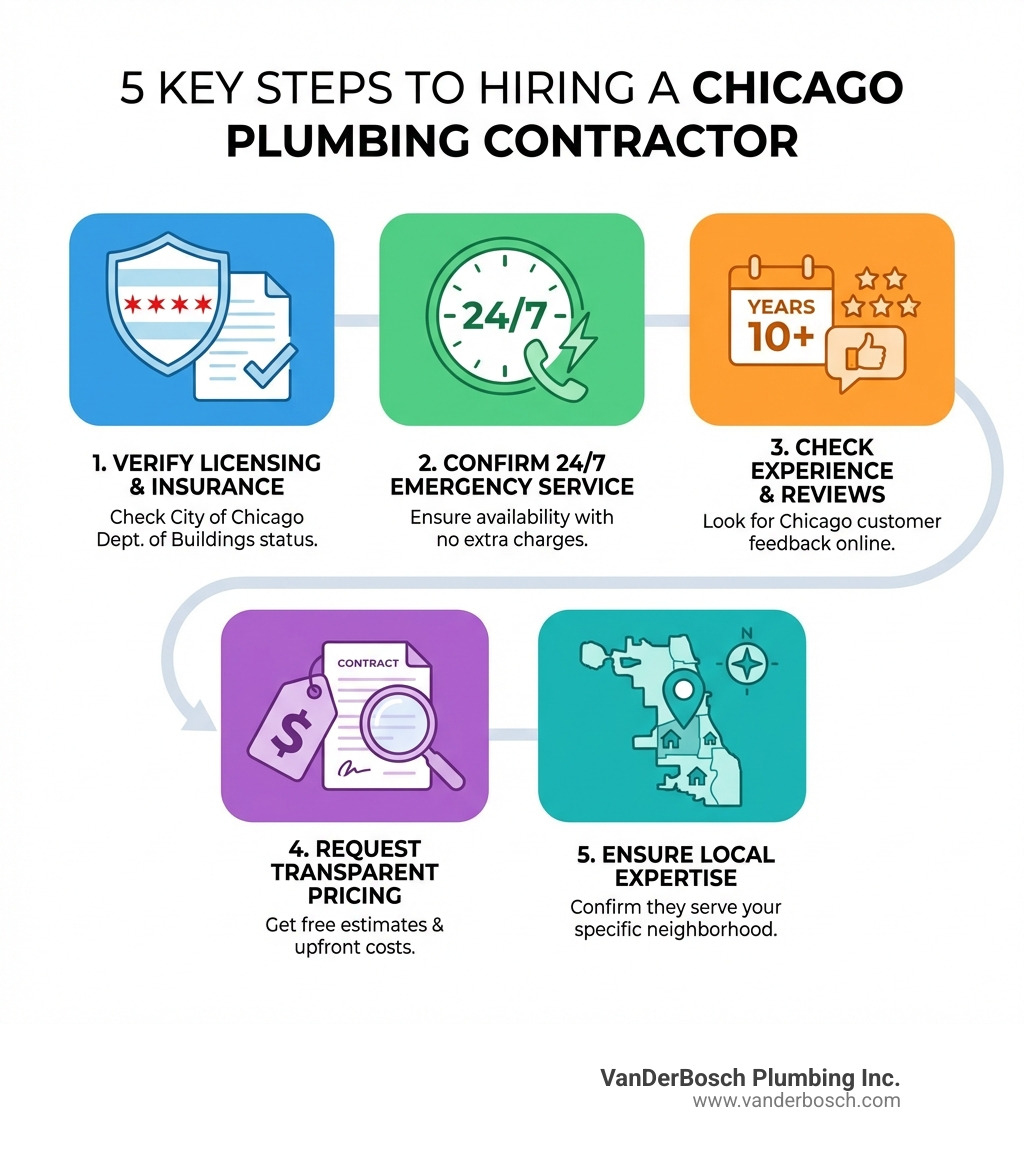
Quick Answer: How to Choose a Chicago Plumbing Contractor

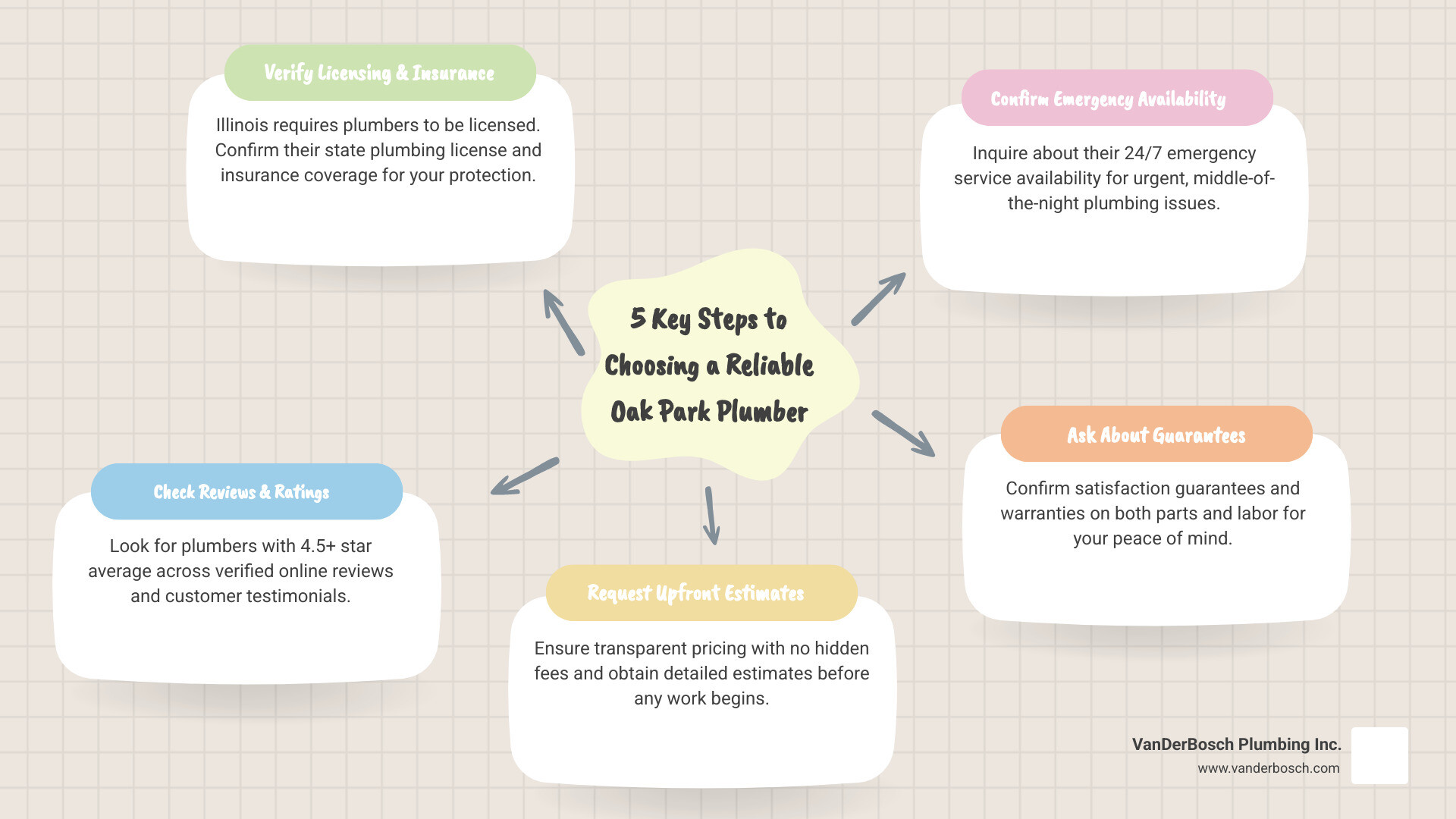
  1. Verify Licensing and Insurance – Check with the City of Chicago’s Department of Buildings
  2. Confirm 24/7 Emergency Service – Plumbing emergencies don’t wait for business hours
  3. Look for Experience – Companies with 30+ years of service understand Chicago’s aging infrastructure
  4. Get Transparent Pricing – Free estimates and upfront costs prevent billing surprises
  5. Check Reviews and Guarantees – Look for satisfaction guarantees and positive customer feedback

Chicago’s plumbing challenges are unique. The city’s ancient infrastructure and brutal winters create problems you won’t find elsewhere. Frozen pipes, sewer line failures from tree roots, and sump pump emergencies are just part of life here.

The stakes are high. A licensed contractor protects you legally and financially. An experienced one knows how to handle Chicago’s old pipes and tough building codes. And a contractor with 24/7 availability? That’s the one who’ll save you from water damage at 3 AM on a Sunday.

The most reputable contractors have been serving Chicago for decades, giving them a deep understanding of what “dinosaur plumbers” means—the specialized knowledge needed to work with the city’s aging systems. They also back their work with satisfaction guarantees on parts and labor. These aren’t just nice-to-haves; they’re essentials.

This guide will walk you through everything you need to know: common plumbing problems in Chicago, how to vet contractors, what emergencies really cost, and how to maintain your system to avoid future headaches.

Infographic showing 5 key steps to hiring a plumbing contractor in Chicago: 1) Verify City of Chicago licensing and insurance status, 2) Confirm 24/7 emergency service availability with no extra charges, 3) Check years of experience and online reviews from Chicago customers, 4) Request transparent upfront pricing and free estimates, 5) Ensure they serve your specific Chicago neighborhood with local expertise - Chicago plumbing contractor infographic

Common Chicago Plumbing Woes & The Services That Solve Them

Living in Chicago, particularly in areas like Elmhurst, Mount Prospect, Niles, and the city proper, means facing a unique set of plumbing challenges. From the historic homes in Ukrainian Village to the busy commercial properties in Melrose Park, our infrastructure has seen it all. We understand that whether it’s a century-old pipe or a modern fixture, plumbing issues can bring your day to a screeching halt. That’s why we offer a comprehensive range of Chicago Plumbing Services designed to address every possible problem.

frozen pipe bursting - Chicago plumbing contractor

Chicago’s aging infrastructure, combined with our famously harsh winters, creates a perfect storm for common plumbing issues. We’ve seen it all, and our expert technicians are equipped to handle everything from minor drips to major system overhauls.

Winter in Chicago can be beautiful, but it’s also a prime time for plumbing disasters.

  • Frozen pipes: These are a constant concern when temperatures plummet. When water freezes, it expands, causing pipes to burst and leading to significant water damage. We know how crucial it is to understand Frozen Pipes in Chicago, IL: What Homeowners Need to Know to prevent costly repairs.
  • Sump pump failure: Heavy rains and melting snow can quickly overwhelm a faulty sump pump, leading to basement flooding. A reliable sump pump is your first line of defense, and we can help ensure it’s always ready. Learn more about How Sump Pumps Protect Against Flooding.
  • Basement flooding: Beyond sump pump issues, foundation cracks or overwhelmed sewer systems can lead to devastating basement floods. Our services include thorough inspections and solutions to protect your home.

Drain and Sewer Line Issues

These are some of the most frustrating and unpleasant plumbing problems.

  • Clogged drains: From slow-draining sinks in Oakbrook Terrace to completely blocked showers in Roselle, clogs are a fact of life. We offer professional Drain Cleaning Services to get things flowing smoothly again. We can even tell you about the 5 Reasons Your Drain Is Clogged and How to Fix It.
  • Sewer backups: A sewer backup is a nightmare scenario, often caused by blockages in your main sewer line. These can lead to serious health hazards and property damage. Our team specializes in comprehensive Sewer Line Repair Services to address these critical issues. We also understand that tree roots are a common culprit, and we’re experts at Dealing With Intrusive Tree Roots and Their Impact on the Plumbing.
  • Tree root intrusion: Chicago’s mature trees are beautiful but their roots can wreak havoc on underground sewer lines. We use advanced techniques like video inspection to locate and remove these intrusions. For stubborn blockages, we often recommend The Benefits of Hydro Jetting to thoroughly clear your pipes.

Fixture and Appliance Failures

Everyday plumbing components can also cause significant headaches.

Your Checklist for Choosing the Right Chicago Plumbing Contractor

When you’re facing a plumbing issue, the last thing you want is added stress from hiring the wrong professional. Picking a reliable Chicago plumbing contractor is paramount. It’s not just about fixing the immediate problem; it’s about ensuring long-term solutions and peace of mind. We believe in transparency and empowering you with the knowledge to make the best choice. For honest feedback, always check out a contractor’s Reviews.

homeowner shaking hands with a plumber - Chicago plumbing contractor

1. Verify Licensing and Insurance

This is non-negotiable. A licensed and insured Chicago plumbing contractor provides a crucial layer of protection for you, the homeowner.

2. Look for Experience and a Strong Reputation

Experience truly matters, especially when dealing with Chicago’s diverse and often older plumbing systems.

  • Years in business: A company with a long history, some with over 50 or 60 years of service, has proven its longevity and ability to adapt. While some companies boast decades of experience, we focus on the combined experience of our team, ensuring that every technician brings a wealth of knowledge to your home. Our team comprises experienced, background-checked technicians ready to tackle any challenge.
  • Family-owned legacy: Many reputable Chicago plumbing contractors are family-owned, bringing a personal touch and commitment to their work. This often translates to a strong work ethic and a focus on customer satisfaction. You can learn more about our commitment to quality on our About Us page.
  • Online reviews: Don’t just take a company’s word for it. Check independent review sites. Look for consistent positive feedback regarding professionalism, punctuality, knowledge, and fair prices.

Here are some questions to ask a potential contractor:

  • How long have you been serving the Chicago area?
  • Can you provide references or examples of similar work you’ve done?
  • What is your company’s philosophy on customer satisfaction?
  • Are your technicians background-checked and continuously trained?

3. Confirm 24/7 Emergency Availability

Plumbing emergencies rarely happen during convenient business hours. A burst pipe at midnight or a gas leak on a holiday requires immediate attention.

  • Burst pipes: A common winter woe in Chicago, a burst pipe can quickly lead to extensive water damage. Having a contractor available 24/7 is critical for mitigating damage.
  • Gas leaks: This is a serious safety hazard that requires immediate professional intervention. If you suspect a gas leak, you need a contractor who can respond instantly for Gas Leak Detection Services.
  • After-hours service: Many reputable Chicago plumbing contractor firms, including us, offer 24-hour emergency repair services, 7 days a week. We understand that issues can arise at any moment, and we’re always ready to help.
  • No extra charge: We pride ourselves on transparent pricing, which means no hidden service charges for evening or weekend emergency calls. For urgent needs, don’t hesitate to Contact Us.

4. Understand Their Service Area

Choosing a local Chicago plumbing contractor has distinct advantages.

  • Local knowledge: A local company understands the specific plumbing challenges and building codes unique to Chicago and its surrounding suburbs like Elmhurst, Mount Prospect, Niles, and Roselle. They’re familiar with the regional infrastructure and common issues.
  • Faster response times: When an emergency strikes, proximity matters. A local contractor can typically arrive at your home in Sauganash or Winnetka much faster than one from outside the immediate area.
  • Neighborhood familiarity: A contractor familiar with areas like Hyde Park, West Ridge, or Melrose Park can often diagnose problems more efficiently, having likely encountered similar issues in nearby homes. Our extensive Service Areas cover Illinois, Cook County, and all the specific locations we serve, ensuring we’re always nearby when you need us.

Understanding the financial aspect of plumbing services, especially during an emergency, is key to making informed decisions. As your trusted Chicago plumbing contractor, we believe in clear communication regarding costs and services. Value isn’t just about the lowest price; it’s about quality work, lasting solutions, and honest pricing.

How to Find an Affordable Chicago Plumbing Contractor

“Affordable” doesn’t mean cutting corners. It means finding a contractor who offers fair pricing for high-quality, reliable work.

  • Upfront pricing: Always look for a Chicago plumbing contractor who provides a clear, detailed estimate before any work begins. This eliminates surprises and allows you to understand exactly what you’re paying for. We are committed to transparent pricing with no service charges.
  • No hidden fees: Be wary of contractors who add unexpected fees for travel, diagnosis, or after-hours service. A reputable company will include all costs in their upfront quote.
  • Free estimates: Many contractors, including us, offer free estimates. This is a great way to get a professional assessment of your plumbing issue without any initial financial commitment.
  • Job-based pricing vs hourly: Some contractors charge by the hour, which can be unpredictable. We prefer job-based pricing, which means you pay for the completed task, not how long it takes. This ensures you know the total cost upfront.
  • Value over price: While cost is a factor, prioritize value. A slightly higher-priced service from an experienced, licensed, and insured contractor with a satisfaction guarantee will likely save you money in the long run by preventing recurring issues.
  • Saving money on water bills: Beyond repairs, we can help you identify ways to reduce your water consumption. Learn more about how to Save Money on Water Bills With Three Easy Tips.

When you’re ready to discuss your plumbing needs and get a transparent estimate, you can easily Schedule Appointment with us.

What Qualifies as a Plumbing Emergency?

Not every plumbing issue is an emergency, but knowing the difference can save you from significant damage and stress. An emergency typically involves a situation that poses immediate risk to your property, health, or safety.

  • Water damage risk: Any situation where water is actively flooding your home or causing significant leaks that could lead to structural damage is an emergency. This includes burst pipes, which are unfortunately common in Chicago winters. Want to know more about Why Do Pipes Burst?? We’ve got you covered.
  • Safety hazards: This is paramount. A gas leak, for example, is a critical emergency requiring immediate attention from a professional.
  • Major flooding: Whether it’s from a burst pipe, a backed-up sewer, or a failed sump pump, extensive flooding in your basement or living areas is an emergency.
  • Uncontrollable leaks: A leak that cannot be contained or shut off at a local valve warrants an emergency call to prevent further damage.
  • No running water: While not always a safety hazard, a complete loss of water service can be an emergency, especially if it affects sanitation or fire suppression.
  • Sewer backups: As mentioned earlier, raw sewage backing up into your home is a major health risk and requires immediate professional intervention.

For any of these scenarios in Chicago, Roselle, Niles, Elmhurst, or any of our service areas, our 24/7 emergency services are available to respond quickly and efficiently.

Future-Proofing Your Home’s Plumbing

As a homeowner in the Chicago area, you know that prevention is often the best medicine, especially when it comes to plumbing. Taking proactive steps and embracing modern technologies can save you from future headaches and costly repairs. We’re not just here for emergencies; we’re also your partners in maintaining a healthy, efficient plumbing system for years to come.

Essential Maintenance Tips for Chicago Homeowners

Regular maintenance is key to extending the life of your plumbing system and avoiding unexpected issues.

  • Insulate pipes: Given Chicago’s cold winters, insulating exposed pipes in unheated areas like basements, attics, and crawl spaces is crucial to prevent freezing and bursting.
  • Regular drain cleaning: Don’t wait for a slow drain to become a complete blockage. Regular, professional drain cleaning can remove buildup of grease, hair, and other debris.
  • Sump pump testing: Test your sump pump regularly, especially before heavy rain seasons or snowmelt. Pour a bucket of water into the pit to ensure it activates properly. This is vital for protecting your basement from flooding. We’ve talked about How Sump Pumps Protect Against Flooding before, and for good reason!
  • Water heater flushing: Sediment buildup can reduce your water heater’s efficiency and lifespan. Annual flushing can remove this sediment, improving performance and preventing issues. Also, keep an eye out for the Signs Your Water Heater May Need Repair or Replacement.
  • Sewer video inspection: For older homes in areas like Hyde Park or Ukrainian Village, periodic sewer video inspections can detect potential problems like tree root intrusion or cracks before they lead to costly backups.

Innovations Your Chicago Plumbing Contractor Can Offer

Plumbing technology is constantly evolving, offering more efficient and less invasive solutions. A forward-thinking Chicago plumbing contractor will be well-versed in these innovations.

  • Trenchless sewer repair: This groundbreaking technology allows for sewer line repair or replacement without extensive digging, saving your yard and landscaping.
  • Hydro jetting: As mentioned earlier, hydro jetting uses high-pressure water to thoroughly clean pipes, removing even the toughest blockages and buildup. It’s an incredibly effective method for drain and sewer line maintenance. You can read more about The Benefits of Hydro Jetting.
  • Tankless water heaters: These energy-efficient units heat water on demand, providing an endless supply of hot water and reducing energy consumption. They’re a fantastic upgrade for many Chicago homes. Dive into Tankless Water Heaters 101 to see if one is right for you.
  • Water filtration systems: Improve the quality of your drinking and bathing water with whole-home water filtration systems. These can remove contaminants, chlorine, and hard minerals, leading to healthier water and longer-lasting appliances.
  • Smart leak detectors: These devices can alert you to leaks as soon as they start, preventing minor drips from turning into major water damage.

Your Trusted Partner for All Plumbing Needs

Choosing the right Chicago plumbing contractor is one of the most important decisions you’ll make for your home or business. We hope this guide has equipped you with the knowledge and confidence to make an informed choice. The key takeaways are to always prioritize licensing and insurance, seek out experienced professionals, ensure 24/7 emergency availability, and choose a contractor with a strong local presence and transparent pricing.

We, VanDerBosch Plumbing Inc., are proud to be your trusted partner for all plumbing needs across Chicago, Roselle, Niles, Winnetka, Elmhurst, Mount Prospect, and all our service areas. Our commitment to you includes:

  • 100% satisfaction guarantee: We stand behind our work, ensuring you’re completely happy with our services.
  • 24/7 availability: Plumbing emergencies don’t keep business hours, and neither do we. We’re always here when you need us most.
  • Transparent pricing: No hidden fees, no surprises. You’ll always know the cost upfront.
  • Experienced, background-checked technicians: Our team is comprised of highly skilled, professional plumbers you can trust in your home.

When you’re looking for a plumbing contractor in Chicago, IL who combines expertise with unparalleled customer service, look no further. We are dedicated to providing licensed residential and light commercial plumbing services that exceed your expectations.

Ready to experience the difference? Explore our full range of services and let us take care of your plumbing with professionalism and care.

Learn more about our services today!

When Disaster Strikes: Your Guide to Emergency Sump Pump Repair in Chicago, IL

emergency sump pump repair chicago

Why Your Chicago Home Needs a Reliable Sump Pump

Emergency sump pump repair in Chicago services are critical when your basement flooding protection fails. If you’re facing a sump pump emergency right now, here’s what you need to know immediately:

Emergency Action Steps:

  1. Call a 24/7 Chicago plumber – Don’t wait for regular business hours
  2. Shut off power to the sump pump area if safe to do so
  3. Remove water manually if possible while waiting for help
  4. Move valuables to higher ground to prevent damage
  5. Document the flooding with photos for insurance purposes

Common Emergency Signs:

  • Pump won’t turn on during heavy rain
  • Strange grinding or gurgling noises
  • Water rising in the sump pit despite pump running
  • Pump runs continuously without shutting off
  • Visible rust or corrosion on the unit

Most Chicago homes have basements, which means sump pumps aren’t just nice to have—they’re essential. These hardworking devices sit in a pit beneath your basement floor, monitoring water levels and pumping excess water away from your foundation. When they work properly, you barely notice them. When they fail, disaster can strike fast.

Heavy rainstorms and melting snow put Chicago basements at constant risk. Your sump pump is your first line of defense against thousands of dollars in water damage. But like any mechanical system, sump pumps can fail—and they often choose the worst possible moment to do it, like during a power outage in the middle of a storm.

Understanding when your sump pump needs emergency repair, what causes failures, and how to respond quickly can save your basement, your belongings, and your peace of mind.

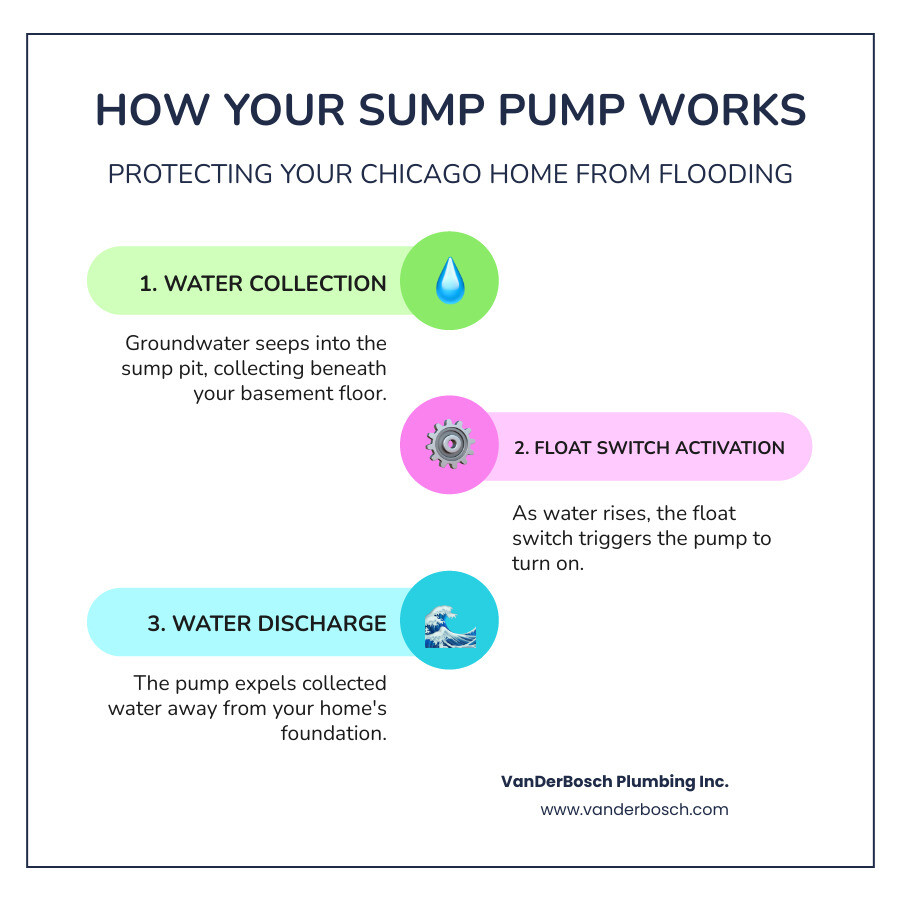
infographic showing how a sump pump protects a Chicago home from flooding with labeled diagram of water collection, float switch activation, and discharge away from foundation - emergency sump pump repair chicago infographic infographic-line-3-steps-colors

Recognizing the Red Flags: Signs Your Sump Pump Needs Emergency Repair

When your sump pump starts acting up, it’s not just a minor annoyance; it’s a distress signal from your home, warning you of impending water damage. Recognizing these signs early can be the difference between a quick fix and a flooded basement. Here are the most common red flags that indicate you need emergency sump pump repair in Chicago, IL:

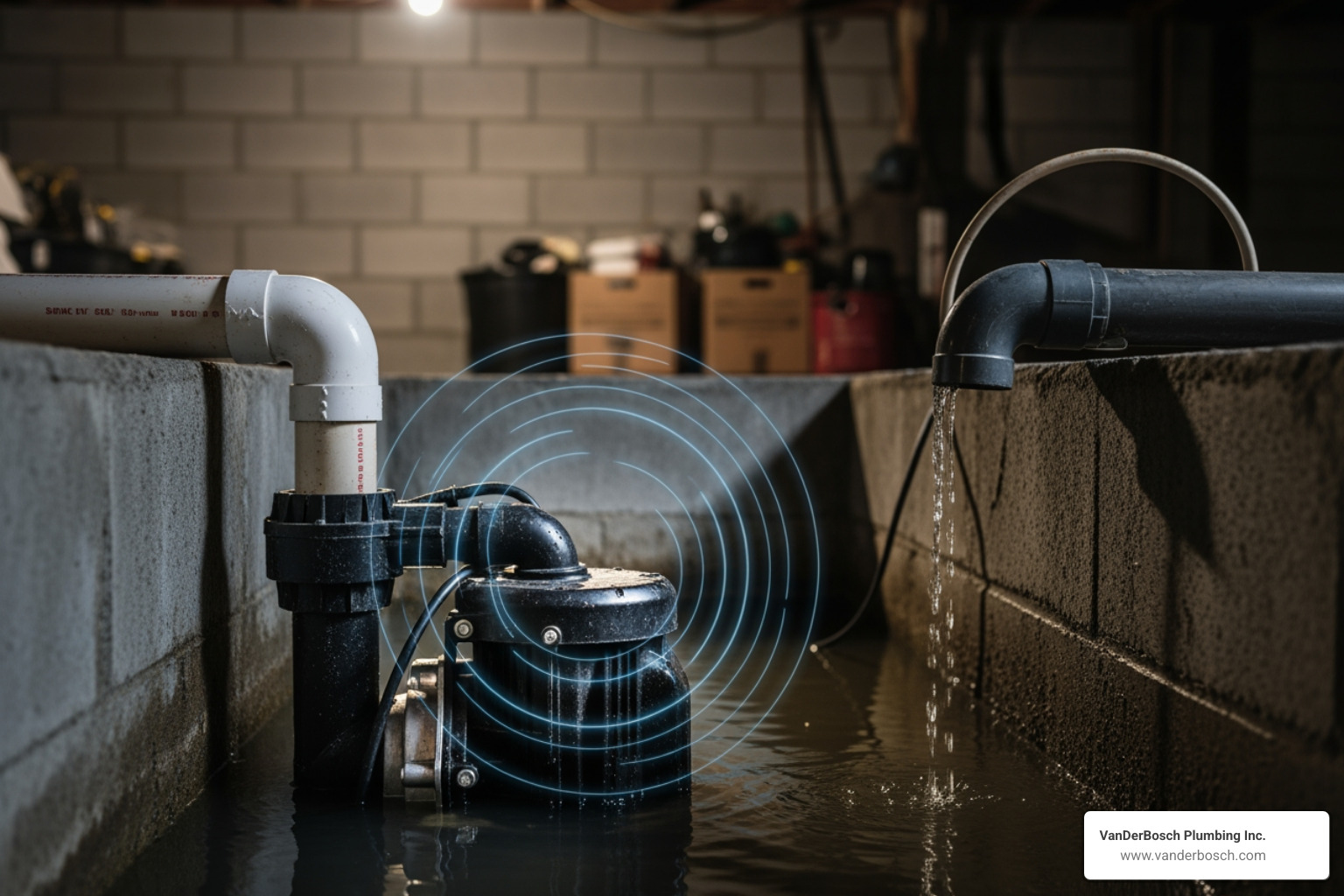
a sump pump making a strange noise with sound wave graphics - emergency sump pump repair chicago

  • Unusual Noises: Sump pumps typically operate with a low hum. If you start hearing strange grinding, clunking, or gurgling sounds, it’s time to pay attention. Grinding noises often indicate debris caught in the impeller, while clunking could mean a loose component. Gurgling, especially when the pump isn’t actively discharging water, can point to airlocks or issues with the discharge line. These sounds are your pump crying for help!
  • Frequent Cycling: Does your sump pump turn on and off more often than it should, even during dry weather or with minimal water in the pit? This “frequent cycling” can be a sign of a faulty float switch, a check valve issue, or even that your pump is improperly sized for your pit. It means your pump is working overtime, wearing itself out prematurely, and wasting energy.
  • Pump Won’t Turn On (or failure to start): This is perhaps the most alarming sign, especially during a heavy downpour. If water is collecting in your sump pit but the pump remains silent and still, you have a critical problem. This could stem from electrical issues, a stuck float switch, or a complete motor failure. During Chicago’s notorious storms, this can quickly lead to extensive flooding.
  • Pump Runs Continuously (or inadequate pumping): On the flip side, a sump pump that runs non-stop without ever shutting off is also a cause for concern. This often suggests a stuck float switch that isn’t disengaging, a discharge line blockage preventing water from being fully expelled, or a pump that is simply overwhelmed by the volume of water (undersized for the job). Continuous operation will lead to premature burnout.
  • Visible Rust or Corrosion: Take a peek at your sump pump and its components. If you notice rust, corrosion, or mold, it’s a clear indicator of aging and potential internal damage. Rust can weaken the pump’s structural integrity and interfere with its moving parts, leading to inefficient operation or complete failure.
  • Water Rising in the Pit (even when the pump is on): If your sump pump is running but the water level in the pit isn’t decreasing, or worse, it’s still rising, your pump isn’t doing its job effectively. This could be due to a clogged discharge line, a pump that’s lost its pumping capacity, or one that’s simply too small to handle the inflow of water.

A properly functioning sump pump is your home’s best defense against water damage, especially in areas like Chicago where basements are common. To understand more about how these vital systems work to keep your home dry, you can explore our guide on How Sump Pumps Protect Against Flooding.

Why Sump Pumps Fail: Common Causes of Malfunction in Chicago Homes

Sump pumps are designed to be resilient, but they’re not invincible. Several factors can lead to their failure, often at the most inconvenient times—like during a severe Chicago storm or a sudden power outage. Understanding these primary causes can help us be more proactive in preventing future emergencies.

  • Power Outages: This is arguably the most common culprit during critical times. Heavy storms that bring torrential rain or melting snow often knock out power. If your sump pump relies solely on your home’s electrical system, it will stop working, leaving your basement vulnerable to flooding. This is why a backup system is so crucial, especially for Chicago homes that experience frequent weather-related outages.
  • Clogged Discharge Lines: The discharge line is the pipe that carries water away from your sump pump and out of your home. It can become clogged with debris, silt, or even ice during winter months. A blocked line means the water has nowhere to go, causing the pump to run continuously without moving water, or to overheat and fail. For more on winter-related plumbing issues, check out our insights on Frozen Pipes in Chicago, IL: What Homeowners Need to Know.
  • Float Switch Malfunction: The float switch is the unsung hero of your sump pump system. It’s the component that senses rising water levels and triggers the pump to turn on or off. If the float switch gets stuck (due to debris, corrosion, or simply wear and tear), it can prevent the pump from activating when needed or cause it to run continuously. Faulty float switches are a very common reason for sump pump failure.
  • Overwhelmed Pump (Undersized Unit): Sometimes, your sump pump simply isn’t powerful enough for the job. If your home experiences a high volume of groundwater, especially during extreme weather events, an undersized pump can be overwhelmed. It will run constantly, struggling to keep up, leading to premature wear and eventual failure. This is particularly relevant in areas like Roselle, Winnetka, and Elmhurst, which can experience significant water accumulation.
  • Improper Installation: A sump pump is only as good as its installation. If it wasn’t installed correctly, it can lead to a host of problems down the line, including vapor lock (where air gets trapped and prevents water flow), constant cycling, or even damage to the pump itself. Proper sizing, positioning, and discharge line setup are critical for optimal performance.
  • Lack of Maintenance: Like any mechanical appliance, sump pumps require regular attention. Neglecting annual inspections and cleanings allows debris to accumulate, moving parts to seize, and electrical connections to corrode. This significantly shortens the pump’s lifespan and increases the likelihood of an unexpected breakdown.
  • Old Age: Sump pumps don’t last forever. The average lifespan of a sump pump is typically 5-7 years, though some can last up to 10 years with diligent maintenance. Over time, components wear out, motors lose efficiency, and the risk of failure increases. If your pump is nearing or past its typical lifespan, it’s more prone to giving up the ghost during periods of high demand.

What to Do When Your Sump Pump Fails: An Immediate Action Plan

When your sump pump fails, especially during a heavy storm, panic can set in quickly. But staying calm and taking immediate, decisive action can minimize damage and ensure your safety. Here’s what we recommend you do:

  1. Prioritize Safety: Disconnect Power! Water and electricity are a dangerous combination. Before you do anything else, locate your home’s electrical panel and shut off the power to the circuit that controls your sump pump. If you’re unsure which breaker it is, or if there’s standing water near the panel, do not risk it. Call us immediately. Your safety is paramount.

a homeowner safely turning off a circuit breaker - emergency sump pump repair chicago

  1. Assess the Situation and Call for Help: Once power is safely off, assess the extent of the flooding. Is it just a small puddle, or is water rapidly accumulating? The next crucial step is to call for professional help. For emergency sump pump repair near me in Chicago, IL and surrounding areas like Niles, Melrose Park, or Oakbrook Terrace, our team is available 24/7. We understand that plumbing emergencies don’t stick to business hours. For immediate assistance, you can always reach out to our team for Emergency Plumbing Services in Chicago.

  2. Manual Water Removal (If Safe and Possible): While you wait for our technicians to arrive, you can start removing water manually if the flooding is manageable and it’s safe to do so. Use buckets, wet/dry vacuums, or old towels to soak up as much water as possible. This can help slow down the damage and make the professional cleanup process quicker. Always wear waterproof boots and gloves.

  3. Move Valuables to Higher Ground: If you have furniture, boxes, or other belongings in the flooded area, move them to a dry spot upstairs or onto liftd surfaces. Even an inch of water can cause thousands of dollars in damage to carpets, furniture, and irreplaceable personal items.

  4. Document the Damage: Take photos and videos of the flooding and any damaged items. This documentation will be invaluable when filing an insurance claim later. The more evidence you have, the smoother the claims process will be.

A failed sump pump can lead to significant water damage if not addressed promptly. Taking these immediate steps can help mitigate the disaster while our experienced plumbers are on their way to provide expert emergency sump pump repair in Chicago services.

Dealing with a sump pump emergency is stressful enough. But knowing how to prevent future crises, understanding the potential costs involved, and knowing how to choose the right professional can bring immense peace of mind.

The Importance of a Battery Backup System

Imagine this: it’s the middle of a torrential Chicago thunderstorm, the power goes out, and your basement starts to flood. This scenario is a homeowner’s nightmare, but it’s preventable with a battery backup sump pump system. These systems are crucial for emergency situations, especially in our service areas like Chicago, Hyde Park, and Ukrainian Village, which are susceptible to heavy rains and power interruptions.

How Battery Backup Systems Work: A battery backup system works in conjunction with your primary sump pump. It consists of a secondary pump, a marine-grade battery, and a charging unit. When your home’s main power supply is interrupted, the battery backup automatically kicks in, powering the secondary pump to continue removing water from your pit. Some advanced systems can even notify you via an alarm or smartphone app when they activate.

Why It’s Crucial for Chicago:

  • Protection During Power Outages: This is the primary benefit. Since most sump pumps are electric, a power outage renders them useless. A battery backup ensures continuous operation, keeping your basement dry even when the lights go out.
  • Protection During Primary Pump Failure: Even without a power outage, your primary sump pump can fail due to mechanical issues or simply old age. The backup system acts as a fail-safe, taking over if your main pump stops working.
  • Peace of Mind: Knowing you have a reliable backup system in place provides invaluable peace of mind, especially during severe weather. It’s an investment that can save you from costly water damage and the headaches of cleanup.
  • Extended Lifespan for Primary Pump: With a backup, your primary pump isn’t constantly running the risk of being overworked or burning out during peak demand.

We often emphasize that preventing basement water problems starts with a reliable sump pump system, and that includes a robust backup. Learn more about protecting your home from water issues in our guide: Basement Water Problems? A Reliable Sump Pump Is Your First Line Of Defense!.

Proactive Maintenance to Prevent Emergency Sump Pump Repair Chicago

An ounce of prevention is worth a pound of cure, especially when it comes to your sump pump. Regular maintenance is the most effective way to prevent costly and stressful emergency sump pump repair Chicago situations. Our goal is to ensure your sump pump is always ready to tackle Chicago’s unpredictable weather.

Here’s a proactive maintenance checklist we recommend for homeowners:

  • Annual Professional Inspections: We recommend having your sump pump professionally inspected and maintained at least once a year. Our technicians will check all components, test the system, and identify any potential issues before they escalate. This is particularly important for homes in areas like Mount Prospect and West Ridge, where groundwater levels can fluctuate.
  • Clean the Sump Pit: Over time, dirt, gravel, and debris can accumulate in the sump pit, potentially clogging the pump’s intake or interfering with the float switch. Regularly (every few months, or more often during rainy seasons) remove any visible debris from the pit.
  • Test the Float Switch: This is a simple test you can do yourself. Slowly pour a bucket of water into the sump pit until the float switch activates the pump. The pump should turn on, discharge the water, and then turn off as the water level drops. If it doesn’t, or if it runs continuously, you have a problem.
  • Clear the Discharge Pipe: Ensure the discharge pipe, both inside and outside your home, is free of obstructions. Check for leaves, dirt, or ice that could block the flow of water. The end of the pipe should be directed away from your foundation to prevent water from re-entering the sump pit.
  • Check the Check Valve: The check valve prevents water from flowing back into the sump pit after the pump has shut off. Listen for a “thump” sound when the pump stops; this indicates the check valve is working. If you don’t hear it, or if the pump cycles frequently, the check valve might be faulty.
  • Ensure a Dedicated Electrical Outlet: Your sump pump should be plugged into a dedicated ground fault circuit interrupter (GFCI) outlet. Avoid using extension cords, as they can lead to power issues and potential hazards.
  • Address Ground Drainage: Proper landscaping and grading around your home can significantly reduce the amount of water entering your sump pit. Ensure that rainwater drains away from your foundation, rather than towards it.

Regular maintenance not only prevents emergencies but also extends the life of your sump pump. It’s one of the key Reasons to Add a Sump Pump to the Home and keep it well-maintained.

Repair or Replace? Making the Right Call

When your sump pump fails, one of the biggest questions you’ll face is whether to repair it or replace it entirely. This decision often comes down to a few key factors:

  • Pump Lifespan: As we mentioned, the average life of a sump pump is typically 5-7 years, though some high-quality units with excellent maintenance can last up to 10 years. If your pump is nearing or has surpassed this age range, replacement is often the wiser choice. You don’t want to invest in a repair only for another component to fail a few months later due to old age.
  • Repair Cost vs. Replacement Cost: This is a crucial financial consideration. While the typical cost for emergency sump pump repair in Chicago can vary widely based on the issue, sometimes putting new parts on an old pump can become almost as costly as replacing it with a new, more efficient model. We believe in transparent pricing and will always provide you with a clear breakdown of repair vs. replacement costs so you can make an informed decision.
  • Frequency of Breakdowns: Has your sump pump been acting up repeatedly? If you’re calling for repairs every few months, it’s a strong sign that the pump is on its last legs. A new installation will offer greater reliability and save you from recurring repair expenses and the stress of repeated failures.
  • Age of the Unit: Even if a repair seems minor, the overall age of the unit indicates that other components are also subject to wear. An older pump is less efficient and more likely to fail again soon.
  • Extent of Damage: If the pump’s motor is burned out, the housing is cracked, or there’s extensive corrosion, repair might not be feasible or cost-effective. In such cases, replacement is the only viable option.

Sometimes, a simple repair, like replacing a faulty float switch, can extend the life of a relatively new pump. However, for older pumps or those with significant issues, investing in a new, reliable unit is often the best long-term solution for peace of mind and basement protection. If you’re considering a new installation, our team can guide you through the process. Learn more about when to call a professional for this: Do You Need a Plumber for Sump Pump Installation?.

Choosing a Qualified Chicago Sump Pump Technician

When disaster strikes and you need emergency sump pump repair in Chicago, you don’t just need any plumber; you need a qualified, reliable expert. Choosing the right technician can make all the difference in the speed and effectiveness of your repair, and ultimately, in preventing further damage to your home. Here’s what to look for:

  • Licensed Plumbers: Always ensure the technician is a licensed plumber. Licensing ensures they have met specific educational and experience requirements and are up-to-date with local plumbing codes and safety standards. Our team consists of licensed professionals, ready to serve our communities in Chicago, Roselle, Niles, and beyond.
  • 24/7 Availability: Sump pump emergencies rarely happen during convenient hours. A reputable service provider for emergency sump pump repair in Chicago should offer 24/7 emergency services. We understand this need and are always available, day or night, weekends or holidays.
  • Experience: Look for technicians with substantial experience in sump pump repair and installation. Experience means they’ve seen a wide range of problems and know how to diagnose and fix them efficiently. Our technicians bring years of hands-on experience to every job, ensuring competent and swift service.
  • Positive Reviews and Reputation: Check online reviews and testimonials. A company with a strong track record of positive customer feedback indicates reliability and quality service. We pride ourselves on our excellent reputation within the Chicagoland area.
  • Certifications: While a plumbing license is essential, additional certifications related to specific pump systems or water damage restoration can be a bonus, indicating specialized expertise.
  • Transparent Pricing: In an emergency, the last thing you want are hidden fees. Look for a company that offers transparent pricing, ideally with no service charges for emergency calls. We believe in upfront, honest pricing so you know what to expect.
  • Background-Checked Technicians: For your safety and peace of mind, ensure the company conducts thorough background checks on all its employees. Our team consists of experienced, background-checked technicians you can trust in your home.

Choosing us means partnering with a team dedicated to providing prompt, professional, and reliable emergency sump pump repair Chicago services.

The Aftermath: Consequences of a Failed Sump Pump

A failed sump pump isn’t just an inconvenience; it can lead to a cascade of devastating consequences for your home and health. If not addressed promptly, the aftermath can be far more costly and stressful than the repair itself.

  • Basement Flooding: This is the most immediate and obvious consequence. Without a functioning sump pump, water that collects in your sump pit will overflow, quickly spreading across your basement floor. Even a small amount of water can cause significant damage.
  • Structural Damage: Persistent moisture and flooding can severely compromise your home’s structural integrity. Water can weaken your foundation, rot wooden support beams, and damage drywall, leading to costly repairs that go far beyond a simple cleanup.
  • Mold and Mildew Growth: Water creates the perfect breeding ground for mold and mildew. These fungi can start growing within 24-48 hours of a flood, spreading rapidly and causing unpleasant odors. Mold not only damages surfaces but can also be a significant health hazard. According to the Environmental Protection Agency (EPA), exposure can trigger allergies, asthma, and other respiratory issues, making prompt cleanup essential.
  • Damaged Property: Think about everything you store in your basement: furniture, electronics, cherished family photos, seasonal decorations, and more. A flood can ruin these items, leading to thousands of dollars in losses—many of which are irreplaceable.
  • Health Hazards: Beyond mold, standing water can harbor bacteria, viruses, and other pathogens, especially if it’s mixed with sewage (which can happen if an ejector pump fails simultaneously). This creates an unsafe environment that requires professional remediation.
  • Decreased Property Value: A history of basement flooding, particularly if it has led to structural damage or persistent mold issues, can significantly decrease your home’s market value. Potential buyers are often wary of properties with known water problems.

Understanding the severe repercussions of a failed sump pump highlights why immediate action and proactive maintenance are so vital. For homes in Chicago, Elmhurst, or Sauganash, where basements are common, a functioning sump pump is an absolute necessity. To learn more about why these devices are so crucial for your home, read our article: Do I Need a Sump Pump?.

Your Partner in Flood Prevention

We’ve explored the critical signs of sump pump distress, the common culprits behind failures, and the immediate steps to take when facing an emergency. We’ve also highlighted the invaluable role of battery backup systems, the power of proactive maintenance, and the factors to weigh when deciding between repair and replacement. Most importantly, we’ve underscored the severe consequences that can arise from neglecting a failing sump pump.

Your sump pump is truly your home’s silent guardian against the unpredictable weather patterns of Chicagoland. Recognizing the red flags—strange noises, frequent cycling, failure to activate, or continuous running—is your first line of defense. Taking prompt action, such as cutting power and calling a professional, can mitigate damage and save you from immense stress and expense.

At VanDerBosch Plumbing Inc., we pride ourselves on being your trusted partner in flood prevention and emergency sump pump repair in Chicago, Illinois. We understand the unique challenges faced by homeowners in Chicago, Roselle, Niles, Winnetka, Melrose Park, Oakbrook Terrace, Hyde Park, Sauganash, West Ridge, Ukrainian Village, Elmhurst, and Mount Prospect. Our commitment to your peace of mind is backed by:

  • 100% Satisfaction Guarantee: We stand by the quality of our work.
  • 24/7 Availability: Plumbing emergencies don’t wait, and neither do we.
  • Transparent Pricing: No hidden fees, just honest, upfront costs.
  • Experienced, Background-Checked Technicians: You can trust the professionals who enter your home.

Don’t wait for disaster to strike. Be proactive, stay informed, and know that our team is always ready to assist you.

Schedule your sump pump service today and let us help ensure your basement stays dry, safe, and sound.

The Best Sump Pump Services in Chicago

sump pump chicago

Protecting Your Chicago Home from Basement Flooding

Sump pump Chicago services are essential for protecting homes from water damage caused by heavy rainfall, melting snow, and the area’s high water table. Whether you need installation, repair, or maintenance, professional help ensures your basement stays dry and your foundation remains protected.

Quick Answer for Chicago Homeowners:

  • What is a sump pump? A device that collects groundwater in a pit and pumps it away from your foundation
  • Why Chicago needs them: Heavy rain, snowmelt, high water table, and aging infrastructure create flooding risks
  • Average cost: $800-$1,500 for installation
  • Lifespan: 5-10 years on average
  • When to call a pro: Strange noises, constant running, visible rust, or water pooling in your basement

Most Chicago homes have basements, which means they’re vulnerable to flooding. Heavy rain, rising groundwater, and aging plumbing systems can all put your basement at risk. A sump pump acts as your first line of defense, automatically removing water before it accumulates and causes damage.

The stakes are high. Basement flooding doesn’t just mean ruined belongings—it can lead to mold growth, structural damage, and costly repairs. In some cases, it can even create electrical hazards and decrease your property value.

The good news? A properly installed and maintained sump pump system provides reliable protection. Regular maintenance keeps your pump working when you need it most, and knowing the warning signs of failure helps you avoid emergency situations during Chicago’s wettest seasons.

infographic showing how a sump pump system works in a Chicago basement, including the sump pit collecting water from beneath the foundation, the float switch activating the pump when water rises, and the discharge pipe directing water away from the home - sump pump chicago infographic infographic-line-3-steps-colors

Why Sump Pumps Are a Necessity for Chicago Homeowners

Living in Chicago, we understand the unique challenges homeowners face when it comes to keeping basements dry. Our city’s climate, characterized by heavy rainfalls and significant snowmelt, combined with a naturally high water table and sometimes aging infrastructure, creates a perfect storm for potential basement flooding. A reliable sump pump system isn’t just a convenience; it’s a critical component for safeguarding your home. It protects your foundation from structural damage, prevents insidious mold growth, and ultimately preserves your property’s value. Without one, you risk costly repairs and the loss of cherished belongings.

water-damaged basement vs dry basement - sump pump chicago

Why are sump pumps essential for Chicago homes?

Chicago’s geography and weather patterns make sump pumps indispensable. We experience intense thunderstorms, especially during spring and summer, which can quickly overwhelm drainage systems. Couple this with harsh winters and rapid snowmelt, and you have a consistent threat of water intrusion. Many homes in Chicago, Cook County, and surrounding areas like Roselle, Niles, Winnetka, and Elmhurst, feature basements, making them particularly susceptible to water accumulation.

Our local groundwater levels can rise significantly, pushing water against and even through your foundation. Sump pumps are designed to collect this groundwater from beneath your foundation and direct it safely away from your home. This continuous removal process is vital for keeping basements dry and functional, protecting against the extensive damage and mold that flooding can cause. It’s a proactive measure against urban flooding, ensuring your home remains a safe and healthy environment.

What are the signs that my home might need a sump pump installed?

You might not realize you need a sump pump until you see the tell-tale signs of water intrusion. If you’ve noticed any of the following, it’s a strong indicator that your home might benefit from a sump pump installation in Chicago:

  • Water stains on walls: Even faint discoloration can point to past water issues.
  • Musty odors: A damp, earthy smell in your basement or crawl space often signals mold or mildew growth, which thrives in moist environments.
  • Dampness in basement: If the air feels heavy or surfaces feel clammy, moisture is present.
  • Warped floorboards: This is a clear sign that water is seeping into the wood, potentially from beneath your home.
  • Visible mold or mildew: Beyond the smell, actual patches of mold or mildew are a definite red flag.
  • Water pooling after rain: If you see standing water in your basement or crawl space after heavy rainfall, your home’s natural drainage isn’t enough.

Ignoring these signs can lead to escalating problems. We encourage you to address these issues promptly. For more information on assessing your needs, visit our guide: Do I Need a Sump Pump?

What are the benefits of installing a sump pump?

Investing in a sump pump system in Chicago offers numerous benefits that extend far beyond simply keeping your basement dry:

  • Flood Prevention: This is the primary role. A sump pump acts as your home’s guardian, actively pumping out water before it can accumulate and cause significant damage during heavy rains or snowmelt.
  • Structural Damage Protection: Constant moisture can weaken your home’s foundation, leading to cracks, shifting, and costly structural repairs. Sump pumps help maintain a dry environment, protecting your home’s integrity.
  • Healthier Air Quality: By preventing dampness and mold growth, sump pumps contribute to better indoor air quality. Mold and mildew can trigger allergies and respiratory issues, making a dry basement beneficial for your family’s health.
  • Increased Usable Living Space: A dry, protected basement can be transformed into valuable living space—a home office, extra bedroom, or recreation area—without the constant worry of water damage.
  • Insurance Cost Reduction: Some homeowners insurance providers offer discounts for homes with proper flood prevention measures, including sump pump installations. It’s always worth checking with your provider.
  • Protection of Valuables: Keep your stored items, appliances, and finished basement safe from water damage.

A sump pump is truly a cost-effective investment with a proven record of effectiveness. To dig deeper into how these systems can benefit your home, explore our resources: Reasons to Add a Sump Pump to the Home and How Sump Pumps Protect Against Flooding.

Choosing the Right Sump Pump: Types, Costs, and Key Considerations

Selecting the right sump pump in Chicago for your home involves more than just picking one off the shelf. We consider several key factors to ensure optimal performance and lasting protection. These include the pump’s horsepower (HP), whether it operates automatically or manually, the type of water level sensors it uses, and the crucial addition of backup systems. Understanding these elements helps us recommend the best solution custom to your specific needs and the unique conditions of your Chicago property.

submersible and pedestal sump pumps - sump pump chicago

What are the different types of sump pumps available?

When it comes to sump pump systems in Chicago, there are two main types, each with distinct advantages, plus essential backup options:

  1. Submersible Pumps:

    • How they work: These pumps are fully submerged in the sump pit, meaning the motor and pump are sealed in a waterproof casing.
    • Pros: They are generally quieter because the water dampens the motor’s sound. They tend to be more powerful, last longer (typically 5-15 years), and require less maintenance due to being out of sight.
    • Cons: They are usually more expensive to purchase and replace. Accessing them for maintenance or repair can be more challenging since they are submerged.
  2. Pedestal Pumps:

    • How they work: With a pedestal pump, the motor is mounted on a shaft above the sump pit, while the pump impeller is at the bottom.
    • Pros: They are typically less expensive upfront and easier to access for maintenance or repair since the motor is exposed. They are also suitable for smaller sump pits. Pedestal pumps can have a significantly longer lifespan, often lasting 25-30 years.
    • Cons: They are generally noisier than submersible pumps and are more visible in your basement.

Backup Systems:
No matter which primary pump you choose, a backup system is a wise investment, especially in Chicago where power outages can coincide with heavy rainfall.

  • Battery Backup Pumps: These systems use a marine-grade battery to power a secondary pump when your primary AC-powered pump loses electricity. They can provide several hours of continuous pumping or days of intermittent operation.
  • Water-Powered Backups: These ingenious systems use your home’s municipal water pressure to create suction and remove water, requiring no electricity. They’re a great option if you have reliable municipal water pressure.

Here’s a quick comparison of the main types:

Feature Submersible Pumps Pedestal Pumps
Lifespan 5-15 years 25-30 years
Cost Higher initial cost, more costly to replace Lower initial cost, less expensive to replace
Noise Quieter (water dampens sound) Noisier (motor exposed)
Space Requires less vertical space in pit Requires less pit diameter, motor above pit
Access Harder to access for maintenance/repair Easier to access for maintenance/repair

How much does a sump pump installation cost in Chicago?

For homeowners in Chicago, including areas like Hyde Park, Sauganash, and West Ridge, a new sump pump installation can typically cost anywhere between $800 and $1,500. This range can fluctuate based on several factors:

  • Pump Size (Horsepower): More powerful pumps (e.g., 1/2 HP or 3/4 HP) generally cost more than standard 1/3 HP units, though a 1/3 HP or 1/2 HP pump is often acceptable for an average single-family home in a normal water table.
  • Existing Setup: If you’re replacing an existing pump, the cost might be lower than a brand-new installation requiring excavation for a sump pit and new plumbing.
  • Type of Check Valve: The quality and type of check valve (which prevents water from flowing back into the pit) can influence the overall cost.
  • Accessibility: If the installation area is difficult to access (e.g., a tight crawl space), labor costs may increase.
  • Optional Basin Lids: Features like sealed or radon-sealed basin lids can add to the expense.
  • Electrical Work: Ensuring the pump is plugged into a dedicated electric outlet, rather than an extension cord, might require additional electrical work, impacting the total cost.

Given these variables, we always recommend a professional evaluation of your specific home setup to provide an accurate and transparent quote.

What is the difference between a sump pump and an ejector pump?

While both sump pumps and ejector pumps are crucial for managing water in basements, they serve entirely different purposes:

  • Sump Pump: This is what we’ve primarily been discussing. A sump pump is designed to remove groundwater that accumulates beneath your foundation. It collects water in a sump pit and pumps it away from your home, preventing basement flooding. Sump pumps handle clean or relatively clean water.

  • Ejector Pump (or Sewage Ejector Pump): An ejector pump handles wastewater from basement fixtures, such as basement bathrooms, laundry rooms, or utility sinks. Since these fixtures are often below the main sewer line, the ejector pump is needed to “eject” this wastewater (which may contain solids) up to the main sewer line so it can drain out of your home.

In short, a sump pump protects your basement from groundwater, while an ejector pump handles your basement’s sewage and gray water. Both are vital for a functional and dry basement, but they tackle different types of water. Our team provides expert installation and service for both sump pumps and ejector pumps throughout the Chicago area, including in areas like Niles, Winnetka, and Melrose Park.

Your Guide to Sump Pump Chicago Services: Maintenance, Repair, and Replacement

A sump pump Chicago system is a workhorse, tirelessly defending your home against water intrusion. Like any hard-working appliance, it requires attention to ensure it’s always ready for action. Proactive maintenance, timely repairs, and knowing when to replace an aging unit are key to extending its longevity and preventing unexpected failures. On average, a sump pump will work for seven to ten years before needing replacement, though some sources suggest an average life of 5-7 years depending on activity, soil, and water conditions. Regular care can help it reach the higher end of that spectrum.

How often should a sump pump be maintained, and what does maintenance involve?

Regular maintenance is the secret to a long-lasting and reliable sump pump Chicago system. We recommend an annual professional inspection, but there are also simple DIY steps you can take:

Annual Professional Inspection:
A licensed plumber can:

  • Inspect the pump and all its components.
  • Clean the pump and the sump basin to remove debris and sediment.
  • Test the pump’s activation and discharge.
  • Adjust the float switch as needed.
  • Lubricate any moving parts.
  • Check all electrical connections for safety and integrity.
  • Inspect and clear the discharge pipe for obstructions.
  • Confirm the check valve is functioning correctly.

DIY Maintenance Steps (Quarterly or Semi-Annually):

  • Cleaning the pit: Remove any debris, dirt, or gravel that might interfere with the float switch or clog the pump.
  • Testing the float switch: Pour a bucket of water into the sump pit to raise the water level. The pump should activate, pump out the water, and then shut off automatically.
  • Clearing the discharge line: Ensure the exterior discharge line is free of leaves, ice, or other blockages, and that it directs water away from your foundation.
  • Checking electrical connections: Ensure the pump is securely plugged into a dedicated outlet and that there are no frayed wires. Never use an extension cord, as this can lead to issues.
  • Battery backup check: If you have a battery backup, test it regularly (as per manufacturer instructions) and ensure the battery is charged. Replace the battery backup every 2-3 years to ensure it’s reliable when needed.

Regular maintenance is crucial for preventing basement flooding and extending the life of your pump. For more insights on protecting your basement, read our article: Basement Water Problems: A Reliable Sump Pump is Your First Line of Defense.

What are the signs that a sump pump needs repair or replacement?

Your Chicago sump pump often gives you subtle hints before it completely fails. Knowing these warning signs can help you address issues proactively and avoid a flooded basement:

  • Strange noises (rattling, grinding, humming): Unusual sounds can indicate motor problems, worn-out bearings, or debris caught in the impeller.
  • Excessive vibration: If the pump vibrates excessively when running, it might be improperly installed or have a bent shaft.
  • Runs continuously: A pump that runs non-stop, even when there’s no water, could have a stuck float switch or a faulty check valve, allowing water to flow back into the pit.
  • Fails to turn on: The most obvious sign – if water is in the pit and the pump doesn’t activate, it’s not doing its job.
  • Visible rust or corrosion: Rust on the pump or basin can indicate a problem with the unit’s integrity or an issue with the water quality.
  • Water rising in the pit even when the pump is on: This suggests the pump is no longer effectively removing water, possibly due to being overworked or undersized.
  • Unusual cycling: If the pump turns on and off too frequently (short cycling), it could be a float switch issue or an undersized pit.
  • Musty/damp smell near the pump or basin: This can be an early indicator of moisture issues or mold.

If you notice any of these signs, it’s time to call in the professionals. Often, repairing an old pump can become almost as costly as replacing it with a new, more efficient model. We can help you assess whether repair or replacement is the best option for your home. Learn more about our services: Sump Pumps.

What causes sump pump failure?

Several factors can lead to your sump pump failing when you need it most. Understanding these common causes can help you prevent future issues:

  • Improper Installation: If the pump isn’t installed correctly, it can lead to problems like vapor lock (where air gets trapped and prevents pumping), or the pump not sitting level, which impacts float switch operation.
  • Switch Problems: The float switch, which activates the pump, is often the first component to fail. It can get stuck, clogged with debris, or simply wear out, causing the pump to run continuously or not at all.
  • Clogged Lines: The discharge pipe can become blocked by debris, sediment, or even freeze in winter. A frozen discharge pipe can cause water to back up into your basement. A temporary solution for a frozen pipe can be to cut the PVC next to the foundation, allowing ice to push out, but this is not a permanent fix.
  • Power Failure: Most sump pumps rely on electricity. During a power outage (common in Chicago storms), your pump won’t work unless you have a backup system.
  • Lack of Maintenance: Neglecting regular cleaning and testing allows debris to build up, leading to clogs and premature wear.
  • Old Age: Even with perfect maintenance, sump pumps have a lifespan. The average life of a sump pump is 5-7 years, depending on pump activity, soil, and water conditions. Once a pump reaches this age, its components wear out, and failure becomes more likely.
  • Overworked or Undersized Pump: If your pump isn’t powerful enough for the amount of water it needs to handle, it will wear out quickly.

When should I consider a battery backup system for my sump pump?

For any homeowner, a battery backup system for your sump pump in Chicago is not just a good idea—it’s essential. Here’s why you should strongly consider one:

  • Chicago Power Outages: Our city experiences its fair share of power outages, often during severe storms when your sump pump is needed most. Without power, your electric sump pump cannot operate, leaving your basement vulnerable.
  • Severe Storms: The same heavy rains and winds that cause power outages are precisely what cause water to accumulate in your sump pit. A backup system ensures your home remains protected during these critical times.
  • Primary Pump Failure: Even if the power stays on, your primary pump can still fail due to mechanical issues or old age. A battery backup acts as a secondary line of defense, taking over when the main pump falters.
  • Uninterrupted Protection: Battery backup systems can provide continuous pumping for several hours or intermittent pumping for one to three days, giving you ample time to restore power or address the primary pump issue.
  • Peace of Mind: Knowing your basement is protected even when you’re away from home or during a severe weather event offers invaluable peace of mind.

We believe that all sump pumps will fail at some point, whether due to age or power loss. A battery backup system is a vital investment to ensure your home remains dry and safe.

The Advantages of Professional Sump Pump Services

When it comes to your home’s defense against water, entrusting your Chicago sump pump needs to professionals is a decision that pays dividends. Our team of licensed experts provides not just a service, but a commitment to effective results with professional, courteous service. As an accredited business, we prioritize proper sizing, adherence to local codes, and ensuring the safety of your installation. With our 100% satisfaction guarantee, transparent pricing with no service charges, and experienced, background-checked technicians, you can rest assured that your home is in capable hands.

How can I test my sump pump to ensure it’s working correctly?

Regular testing is a simple yet crucial step to ensure your sump pump system is always ready. We recommend testing your sump pump quarterly, or at least every few months, especially before the rainy seasons. Here’s how:

  1. Locate your sump pit: This is typically a basin in your basement or crawl space.
  2. Ensure power: Make sure the sump pump is plugged into a dedicated electrical outlet.
  3. Pour water: Slowly pour 3-5 gallons of water into the sump pit. You can use a bucket or a garden hose for this.
  4. Activate the float switch: As the water level rises, it should lift the float switch (a ball or cylinder attached to the pump).
  5. Observe the discharge: Once the float switch activates, the pump should turn on, and you should hear and see water being discharged through the pipe outside your home.
  6. Check for proper shut-off: After the water is pumped out, the float switch should drop, and the pump should turn off automatically.

If the pump doesn’t activate, doesn’t pump water efficiently, or fails to shut off, it’s a sign that something is amiss, and it’s time to call us for an inspection.

What are the local regulations for a sump pump chicago installation?

Proper sump pump installation in Chicago goes beyond just functionality; it also involves adherence to local building codes and regulations to ensure safety and prevent issues for your property and neighbors. In Chicago and Cook County, specific codes govern how sump pumps must be installed.

For instance, the City of Chicago’s municipal code, specifically section 18-29-712.3.1 Sump pump., outlines requirements for sump pump installations. Key considerations include:

  • Proper Discharge Location: Water must be discharged safely away from your foundation and property, typically into a storm sewer or a designated area that won’t cause erosion or flood neighboring properties. It’s crucial to avoid discharging directly onto sidewalks or public ways, especially in winter when it can create ice hazards.
  • Preventing Backflow: Installations must include a check valve to prevent water that has been pumped out from flowing back into the sump pit.
  • Lowest Area Placement: The sump pump should always be installed in the lowest area of the basement floor to effectively collect water.
  • Electrical Requirements: Sump pumps must be connected to appropriate electrical circuits, often dedicated ones, to ensure safe and reliable operation.

We are well-versed in all local Cook County building codes and regulations. Our licensed plumbers ensure that every installation we perform meets these standards, protecting your home and complying with municipal requirements. For optimal sump pump placement, factors like soil type and water table levels are also carefully considered.

Conclusion: Secure Your Basement with Expert Sump Pump Services

Protecting your Chicago home from the unpredictable forces of nature, especially water, is a proactive step every homeowner should take. A reliable sump pump system is not just an appliance; it’s a long-term investment in the safety, health, and value of your property. From preventing devastating floods to safeguarding your foundation and improving indoor air quality, the benefits are clear.

We hope this extensive guide has provided you with a comprehensive understanding of why sump pumps are essential, the types available, what to expect regarding costs, and the critical importance of regular maintenance and professional service. Don’t wait for the next heavy rainfall or spring thaw to realize your home is vulnerable.

At VanDerBosch Plumbing Inc., we pride ourselves on our expertise and commitment to your satisfaction. With licensed residential and light commercial plumbing services across Chicagoland, including Roselle, Niles, Winnetka, Elmhurst, and Mount Prospect, we offer 24/7 availability, transparent pricing with no service charges, and a 100% satisfaction guarantee. Our experienced, background-checked technicians are ready to provide the highest quality service.

For reliable and professional sump pump services, trust our team of licensed experts. Contact us today to schedule your Sump Pumps service!

Finding Your Perfect Plumber in Oak Park, Illinois

Why Finding the Right Plumber Matters in Oak Park

Local plumbers in Oak Park, IL are essential for maintaining your home’s comfort and safety, whether you’re dealing with a minor leak or a major emergency. With over 117 highly-rated plumbing professionals serving the area, Oak Park residents have plenty of options—but not all plumbers are created equal.

Quick Guide to Finding Oak Park, IL Plumbers:

  1. Verify licensing and insurance – Illinois requires plumbers to be licensed; always confirm credentials
  2. Check reviews and ratings – Oak Park plumbers average 4.6 stars across 3,100+ verified reviews
  3. Compare pricing – Expect $45-$200 per hour; get upfront estimates with no hidden fees
  4. Confirm availability – Many offer 24/7 emergency service for urgent issues
  5. Ask about guarantees – Look for satisfaction guarantees and warranties on work

Oak Park’s mix of historic and modern homes presents unique plumbing challenges. Older properties often face issues with aging infrastructure, while all homes can experience problems from harsh Chicago winters, including frozen pipes and sewer backups. Many established local plumbing companies in Oak Park, IL have served the area for decades—some since 1948—giving them deep knowledge of Oak Park’s specific plumbing needs.

Whether you’re dealing with a leaky faucet, a clogged drain, or a middle-of-the-night emergency, choosing the right plumber means the difference between a quick fix and a costly headache. This guide will help you find a trustworthy, qualified professional who can handle your plumbing needs promptly and properly.

Infographic showing 5 key steps to choosing a reliable Oak Park plumber: 1. Verify Illinois state plumbing license and insurance coverage, 2. Check online reviews and star ratings (look for 4.5+ stars), 3. Request upfront estimates and confirm transparent pricing, 4. Confirm 24/7 emergency availability if needed, 5. Ask about satisfaction guarantees and warranties on work - oak park il plumbers infographic mindmap-5-items

Common Plumbing Problems in Oak Park Homes

Living in Oak Park means dealing with a unique set of plumbing challenges, largely due to the area’s aging infrastructure and unpredictable Illinois weather. Homeowners here frequently encounter the following issues:

older pipe system in a basement - oak park il plumbers

  • Aging Infrastructure: In Oak Park’s charming older homes, pipes and fixtures degrade over time, leading to corrosion, weak joints, and reduced efficiency. This often results in persistent leaks and low water pressure, this way you end up searching for burst pipe repair in Oak Park IL.
  • Sewer Line Backups: Common in areas with older sewer systems, backups can cause unpleasant odors, slow drains, and wastewater overflow. This situation requires immediate professional attention and sewer line repair in Oak Park, IL.
  • Tree Root Intrusion: The area’s beautiful, mature trees have extensive root systems that seek moisture. They often invade tiny cracks in underground sewer lines, growing to create stubborn blockages.
  • Weather-Related Damage: Extreme temperature fluctuations from freezing winters to hot summers put immense stress on plumbing, leading to pipes expanding, contracting, and eventually cracking.
  • Sump Pump Failures: Heavy rain and snowmelt can overwhelm basements, making a reliable sump pump critical. A malfunction can lead to significant basement flooding and water damage.
  • Frozen Pipes: Chilly Illinois winters are notorious for freezing pipes in unheated areas like basements or crawl spaces. Frozen pipes can block water flow and burst, causing costly damage and need for a frozen pipe repair in Oak Park, Illinois.
  • Leaky Faucets: A persistent drip, while seemingly minor, wastes significant water and money over time and can signal deeper plumbing issues.
  • Clogged Drains: From kitchen grease to shower hair, clogged drains are a universal problem. While a plunger may fix minor clogs, stubborn ones require professional tools to prevent pipe damage. Learn more on our page about More info about drain cleaning.

Understanding these common issues helps us provide the most effective and timely solutions for our Oak Park neighbors.

What to Look for When Choosing Oak Park, IL Plumbers

When a plumbing issue arises, knowing what to look for in a plumber can save you time, money, and stress. Here’s our expert guide to making an informed decision in Oak Park.

Verify Licensing, Insurance, and Local Experience

This is the most crucial step in selecting a plumber.

  • Illinois Licensing Requirements: In Illinois, plumbers must be licensed by the state, ensuring they meet specific training and examination standards. You can verify a plumber’s license through the Illinois Department of Public Health. Hiring an unlicensed individual risks poor-quality work, code violations, and safety issues.
  • Proof of Insurance and Liability Protection: A reputable plumber must carry comprehensive liability insurance. This protects you from accidental property damage or injuries that occur on your premises. Our team is fully insured for your peace of mind.
  • Years in Business and Knowledge of Local Codes: Longevity often indicates reliability. Plumbers with decades of experience in Oak Park understand its unique mix of historic and modern homes. This local expertise is crucial for navigating specific infrastructure and building codes.
  • Background-Checked Technicians: Trust is paramount. A professional local plumbing company in Oak Park, IL ensures its technicians are background-checked, guaranteeing they are both skilled and trustworthy.

Review Their Range of Services and Customer Feedback

Once you’ve confirmed credentials, look at what they offer and what past customers say.

plumber working on a water heater - oak park il plumbers

  • Residential and Commercial Plumbing: A versatile plumber handles a wide array of issues, from drain cleaning and leak detection to water heater installation and full remodels. To see a full list of how we can help, please visit our More info about our services page.
  • Specialized Services: Look for plumbers who offer specialized services relevant to Oak Park homes, such as sewer line repair, hydro-jetting, or sump pump installation.
  • Online Reviews and Customer Testimonials: Online reviews offer valuable insight. Oak Park plumbers average a 4.6-star rating across over 3,100 verified reviews. Read testimonials and look for patterns in feedback regarding punctuality, professionalism, and quality of work.

Understand Their Pricing, Availability, and Guarantees

A trustworthy local Oak Park plumbers will be transparent about costs and service policies.

  • Transparent Pricing and Upfront Estimates: A reputable plumber provides a clear, upfront estimate before work begins, with no hidden fees. They should explain if pricing is flat-rate or hourly.
  • No Hidden Fees: Be wary of unclear “service charges.” The best plumbers offer transparent pricing with no service charges, ensuring you only pay for the work done.
  • Emergency Response: Plumbing emergencies happen anytime. Look for plumbers who offer emergency services with a rapid response time.
  • Satisfaction Guarantees and Warranties on Work: A confident plumber stands behind their work with satisfaction guarantees or warranties on parts and labor. We proudly offer a 100% satisfaction guarantee, reflecting our confidence in our work.

Emergency Services and Average Costs in Oak Park

Plumbing emergencies are the uninvited guests of homeownership. They rarely happen at a convenient time and often bring a wave of panic. Knowing what to expect from Oak Park plumbers during these stressful situations, and understanding potential costs, can help you steer them more effectively.

What to Expect from Emergency Oak Park, IL Plumbers

When disaster strikes—be it a gushing pipe or a sewage backup—you need immediate, reliable help.

  • Rapid Response Times: When water is actively damaging your home, every minute counts. Emergency plumbers prioritize rapid response times to mitigate damage. While factors like distance and concurrent emergencies can influence arrival, a good emergency service aims to be on-site as quickly as possible to assess and address the problem.
  • Higher After-Hours Rates: It’s important to be aware that emergency calls, particularly those outside standard business hours (nights, weekends, and holidays), typically incur higher service fees. This is due to the necessity of on-call staffing and the immediate deployment of resources. While the cost might be higher, the value lies in preventing potentially catastrophic property damage.
  • On-Call Protocols: Reputable emergency services have established on-call protocols to ensure that your call is handled promptly by someone who can dispatch a technician, whether through in-house staff or a dedicated answering service. You won’t be left wondering if anyone received your urgent message.
  • Preventing Property Damage: The primary goal of an emergency plumber is to stop the immediate threat and prevent further damage to your home. This might involve shutting off water, containing leaks, or clearing severe blockages. They act as your first line of defense against extensive water damage.
  • What Constitutes an Emergency: Not every plumbing issue requires an emergency call, but several situations absolutely do. These include:
    • Burst Pipes: A pipe that has burst, often due to freezing, can release gallons of water quickly, causing severe structural damage.
    • Sewer Backups: When sewage backs up into your home, it’s not just a mess; it’s a significant health hazard requiring immediate cleanup and repair.
    • Gas Leaks: If you smell gas, this is an extremely dangerous situation. Evacuate your home immediately, call your gas provider, and then call an emergency plumber who can address gas line issues safely.
    • No Water: A complete loss of water can indicate a major issue with your main water line or a widespread system failure.
    • Major Leaks: Any leak that is uncontrolled, actively spreading, or threatening electrical systems or structural integrity needs immediate attention.

A Guide to Common Plumbing Repair Costs

Understanding the financial aspect of plumbing repairs helps you prepare, even in an emergency. The average cost for plumbing services can vary widely based on the type and complexity of the issue.

  • Average Repair Cost: Across the board, typical plumbing repairs in Oak Park cost about $325 per job. This figure, however, is an average and can fluctuate significantly.
  • Cost Range: You can expect plumbing repair costs to range from $175 for simpler fixes to $4,000 or more for complex projects.
  • Factors Affecting Price: Several elements influence the final bill:
    • Project Type: Simple fixes like a running toilet are less expensive than major overhauls.
    • Home Size and Type: Larger homes or those with more complex plumbing systems may incur higher costs.
    • Pipe Type and Materials: The kind of piping in your home (e.g., copper, PEX, galvanized steel) and the materials needed for repair will impact the price.
    • Accessibility: If the problem area is difficult to access (e.g., behind walls or under floors), labor costs may increase.
    • Emergency vs. Scheduled Service: As mentioned, emergency calls outside of regular hours will typically be more expensive.
  • Toilet Repair Costs: For common issues like a constantly running toilet, a leaky base, or a weak flush, you can expect costs to be in the range of $150 to $400.
  • Burst Pipe Costs: This is often a more serious and costly repair. Fixing a burst pipe can range from $1,000 to $4,000+, depending on the location of the burst, the extent of water damage, and the need for wall or floor repairs.
  • Sewer Line Repair: Issues with your main sewer line, whether it’s a clog, a crack, or a complete collapse, can be among the most expensive plumbing repairs. Costs will depend on the method of repair (e.g., trenchless vs. excavation) and the extent of the damage. For more detailed information on these critical repairs, please visit our dedicated page on More info about sewer line repair.

While costs can vary, always remember that investing in professional, high-quality plumbing services is an investment in the long-term health and safety of your home.

Your Ultimate Plumber Hiring Checklist

You’ve got a plumbing issue, and you’re ready to call in the pros. But before you pick up the phone, or after you’ve made that initial contact, there are a few key steps that can make the process smoother and ensure you get the best service. This checklist will guide you through asking the right questions and preparing your home.

Key Questions to Ask Your Local Plumbers in Oak Park, IL

A little preparation goes a long way. Having a list of questions ready will help you vet potential plumbers in Oak Park, IL and ensure you’re comfortable with your choice. Don’t hesitate to ask these questions – a reputable plumber will appreciate your diligence.

  • Are you licensed and insured? This is non-negotiable. As we discussed, Illinois requires plumbers to be licensed. Confirming both licensing and insurance protects you from liabilities and ensures professional standards.
  • Do you provide a free estimate? Many plumbers offer free estimates, especially for non-emergency work. This allows you to understand the potential costs upfront without commitment.
  • Is your pricing flat-rate or hourly? Clarify their billing structure. Flat-rate pricing means you know the total cost before work begins, regardless of how long it takes. Hourly rates can be unpredictable but might be suitable for diagnostic work.
  • Do you guarantee your work? A strong guarantee on parts and labor shows confidence in their service. It provides peace of mind that if the problem recurs within a reasonable timeframe due to their work, they’ll fix it.
  • Who will be performing the work? Ask if the company uses its own employees or subcontractors. Also, inquire about their technicians’ experience and if they are background-checked.
  • What is your emergency response time? For urgent situations, knowing how quickly they can arrive is crucial.
  • Is cleanup included? A professional plumber will always leave your home as clean, if not cleaner, than they found it. Confirm this is part of their service.
  • Do you charge extra for nights, weekends, or holidays? As noted, many do. Knowing this upfront avoids surprises on your bill.

Preparing for Your Plumber’s Arrival and The Benefits of Hiring Local

Once you’ve scheduled your service, a little preparation on your part can help the plumber work more efficiently and keep your home safe.

  • Clearing the Work Area: Before your plumber arrives, take a few minutes to clear any obstacles around the affected plumbing. This means moving boxes, furniture, or anything else that might impede access to the pipes, fixtures, or appliances they need to work on. The easier it is for them to get to the problem, the faster they can diagnose and fix it.
  • Securing Pets: For the safety of your beloved furry friends and the plumber, it’s a good idea to secure pets in a separate room or outside during the visit. This prevents them from getting underfoot, potentially escaping, or becoming stressed by unfamiliar people and tools.
  • Shutting Off Water (If Applicable): If you have an active leak or a burst pipe, and you know where your main water shut-off valve is, turning off the water can prevent further damage until the plumber arrives. If you’re unsure, don’t worry, they’ll handle it.
  • The Benefits of Hiring Local: Opting for local Oak Park plumbers offers several distinct advantages:
    • Faster Service: Local plumbers are geographically closer, meaning they can typically respond much more quickly, especially in emergencies. Their intimate knowledge of Oak Park’s layout can also shave precious minutes off travel time.
    • Community Support: By hiring local, you’re supporting a business that is invested in the Oak Park community. These businesses often rely on word-of-mouth and have a vested interest in maintaining an excellent reputation among their neighbors.
    • Knowledge of Local Regulations and Infrastructure: Local plumbers are intimately familiar with Oak Park’s specific plumbing codes, regulations, and the unique characteristics of its infrastructure. This knowledge is invaluable, especially in older homes, as it ensures all work is compliant and appropriate for the area.
    • Personalized Service: Often, local businesses offer a more personalized and attentive customer experience. They’re not just serving a customer; they’re serving a neighbor.

We are proud to serve the Oak Park area and understand its unique needs. To learn more about our service areas and how we cater to the local community, please visit our More info about our Oak Park service area page.

Frequently Asked Questions about Oak Park Plumbers

We know you’ve got questions, and we’re here to provide clear, straightforward answers. Here are some of the most common inquiries we receive regarding plumbing services in Oak Park.

Should plumbers in Oak Park be licensed?

Yes, absolutely! In Illinois, it’s not just a recommendation; it’s a legal requirement for plumbers to be licensed. This state-level licensing ensures that any plumber working in your home or business has met rigorous standards for training, knowledge, and competence.

Why does this matter to you? A licensed plumber understands building codes, safety regulations, and the proper techniques to perform work that will last. Hiring an unlicensed individual puts you at risk of poor-quality work, potential code violations that could lead to costly fines or safety hazards, and even invalidating your home insurance in the event of an issue. Always ask for proof of their Illinois plumbing license number for your protection.

How much do plumbers in Oak Park typically charge?

Plumber rates in Oak Park, as in much of the Chicagoland area, can vary. Generally, you can expect hourly rates to fall between $45 and $200 per hour. However, it’s important to understand that this is a broad range, and the final cost depends on several factors:

  • Type of Job: Simple fixes like a minor leak or a quick drain clear will be on the lower end, while complex repairs, installations, or sewer line work will be higher.
  • Flat-Rate vs. Hourly: Some plumbers charge a flat rate per job, meaning you know the total cost upfront. Others charge hourly, which can fluctuate based on the time taken.
  • Emergency Services: If you need an emergency plumber outside of standard business hours (evenings, weekends, holidays), expect to pay a higher hourly rate, often around $150 per hour, plus an additional trip fee that can range from $100 to $350. This premium covers the immediate availability and specialized response.

Our best advice is always to ask for an upfront estimate. A reputable plumbing company will provide a clear breakdown of costs before starting any work, ensuring transparency and no hidden surprises on your bill.

What are the most common plumbing emergencies?

Plumbing emergencies are those sudden, severe issues that require immediate attention to prevent significant property damage, health hazards, or a complete loss of essential services. Based on our experience in Oak Park, the most common plumbing emergencies include:

  • Burst Pipes: Often caused by freezing temperatures, a burst pipe can quickly flood an area, causing extensive water damage to walls, flooring, and foundations.
  • Major Leaks: While a drip might not be an emergency, a gushing leak that can’t be contained, especially near electrical outlets or structural elements, demands immediate action.
  • Sewer System Backups: When sewage backs up into your sinks, tubs, or toilets, it’s not just unpleasant; it’s a serious health risk due to contaminated water. This requires urgent professional intervention.
  • Gas Leaks: If you detect the smell of natural gas (often described as rotten eggs), this is a critical emergency. Evacuate your property, call your gas company, and then call an emergency plumber who is qualified to handle gas line repairs.
  • Complete Loss of Water: If your entire home suddenly loses water pressure or supply, it could indicate a major issue with your main water line or a municipal problem. Either way, it needs to be investigated promptly.

These situations require professional intervention as quickly as possible to minimize damage and restore safety and functionality to your home. Delaying action can lead to much more costly and extensive repairs down the line.

Your Trusted Partner for Oak Park Plumbing

Navigating plumbing can sometimes feel like a maze, especially when you’re facing an unexpected issue. But with the right information and a clear understanding of what to look for, finding your best plumbers in Oak Park, IL becomes a straightforward task.

Our key takeaway for you is the importance of diligence. Always prioritize licensed and insured professionals who offer transparent pricing and stand behind their work with guarantees. Whether it’s a routine maintenance check or a middle-of-the-night emergency, knowing you have a reliable team to call makes all the difference.

At VanDerBosch Plumbing Inc., we are committed to being that trusted partner for our neighbors in Oak Park and across Chicagoland. We believe in providing top-tier service, backed by our 100% satisfaction guarantee, 24/7 availability for those urgent moments, and transparent pricing with no hidden service charges. Our experienced, background-checked technicians are ready to tackle any plumbing challenge, ensuring your home’s systems run smoothly and efficiently.

For reliable and professional service you can count on, schedule an appointment with an Oak Park plumber today. We’re here to help keep your home comfortable, safe, and worry-free.

Chicago Boiler Repair: Top Local Experts for Water Heater Repair

water heater

Why Boiler Reliability Matters for Chicago Homeowners

Boiler repair in Chicago, IL is essential for staying warm through brutal Midwest winters. When your heating system fails during subzero temperatures, finding a qualified technician quickly becomes a top priority.

Quick Guide to Chicago Boiler Repair Services

What You Need to Know:

  • Emergency Service: Look for 24/7 availability with no extra charges for nights, weekends, or holidays
  • Qualified Technicians: Choose NATE-certified, licensed, and bonded professionals
  • Common Issues: Strange noises, leaks, low pressure, pilot light problems, and insufficient heat
  • Typical Costs: Repairs range from $150-$800; replacements from $3,500-$8,000+
  • Service Timeline: Most repairs completed same-day; emergency response within hours
  • Lifespan: Cast iron boilers last 20+ years; high-efficiency models 15+ years
  • Maintenance: Annual service recommended, ideally in fall before heating season

Chicago winters can get absolutely frigid. From October through April, your boiler works overtime to keep your home comfortable. Whether you own a vintage brownstone with a steam system or a modern condo with hydronic heating, that equipment is the heart of your home’s warmth.

According to industry experts, the majority of boiler failures are due to poor maintenance. But even well-maintained systems can develop problems—especially in older buildings common throughout Chicago neighborhoods.

This guide covers everything you need to know about water heater repair in Chicago IL: recognizing warning signs, finding reliable technicians, understanding your options, and knowing when to repair versus replace.

Infographic showing key boiler warning signs including strange noises like kettling and whistling, visible water leaks, low pressure gauge readings, pilot light failures, inconsistent heating, and rising energy bills, with a note that annual maintenance prevents most emergency repairs - boiler repair chicago infographic

Is Your Boiler Crying for Help? Common Warning Signs

Imagine waking up to a chilly Chicago morning, only to find your usually reliable boiler has gone silent. Before you panic, knowing the common warning signs can help you identify a problem early and call for boiler repair in Chicago services before a small issue escalates into a major emergency.

Here are the top signals your boiler might be crying for help:

boiler pressure gauge showing low pressure - boiler repair chicago

  • Strange Noises: Boilers are generally quiet, so any unusual sounds should grab your attention.
    • Banging or Whistling (Kettling): Often caused by limescale buildup on the heat exchanger, which leads to overheating. It can also indicate air in the system or low water pressure.
    • Gurgling: Usually means air is trapped in the system, preventing proper heat distribution.
    • Rumbling: Could be a sign of a faulty pump or sediment buildup.
  • Leaks and Dripping Water: Any water pooling around your boiler is a clear sign of a problem. Leaks can stem from corrosion, damaged seals, or high pressure. Address them immediately to prevent water damage and system deterioration.
  • No Heat or Insufficient Hot Water: If your radiators are cold or your showers are lukewarm, your boiler is struggling. This can be caused by many issues, including a faulty thermostat, low water levels, or blockages in the system.
  • Low Boiler Pressure: If the pressure gauge consistently drops below the recommended level, it often indicates a leak somewhere in the system.
  • Pilot Light Issues: A pilot light that frequently goes out on an older boiler can indicate a broken thermocouple or blocked gas supply. Ignition failure on modern boilers is also a red flag.
  • High Energy Bills: A sudden spike in your heating bills without a change in usage suggests your boiler is losing efficiency due to internal issues like sediment buildup.
  • Strange Smells: A persistent rotten egg or sulfur smell indicates a gas leak and requires immediate attention. Other strange odors can signal a leak or sediment buildup.
  • Failure to Start or Frequent Cycling: A boiler that struggles to turn on or cycles on and off too often may have issues with its controls or other internal components.
  • Frozen Condensate Pipe: Modern, high-efficiency condensing boilers have a condensate pipe that drains acidic wastewater. In freezing temperatures, this pipe can freeze and cause a blockage, leading to boiler failure.

Recognizing these warning signs early can save you from costly repairs and uncomfortable cold spells. For a more in-depth look at these issues, you can always refer to our guide on Top Signs You Need Boiler Repair in Chicago Before Winter Hits. When in doubt, it’s always best to call a professional.

Your Guide to Professional Boiler Repair Chicago

When your boiler fails, you need a reliable team. Professional Chicago boiler repair services require experience, comprehensive offerings, and customer satisfaction. We are that team for homeowners and light commercial businesses across Chicago and its suburbs, including Roselle, Niles, Winnetka, Melrose Park, Oakbrook Terrace, Hyde Park, Sauganash, West Ridge, Ukrainian Village, Elmhurst, and Mount Prospect.

professional technician working on a boiler - boiler repair chicago

We offer a full spectrum of boiler services to keep your heating system running smoothly:

  • Boiler Repair Services: Our expert technicians handle any boiler malfunction, from low pressure and leaks to strange noises. We service all brands of steam and hydronic boilers and their components, drawing on experience since 1987.
  • Boiler Maintenance: Our comprehensive annual service prevents breakdowns, improves efficiency, and extends your boiler’s life. We inspect, clean, and test all critical components. Planned service agreements are available to help budget costs.
  • Boiler Installation: We provide professional installation of energy-efficient gas or oil-fired boilers custom to your home’s needs. Our water heater installations in Chicago, IL meet all safety standards and use high-quality components for long-lasting performance.
  • 24/7 Emergency Repairs: Boiler emergencies don’t wait. We offer round-the-clock emergency assistance, including weekends and holidays, at no additional cost. Your comfort is our priority.

Our comprehensive approach ensures that whether you need a quick fix, routine check-up, or a full system overhaul, we have the knowledge and skills to get the job done right. You can explore more about our offerings on our Services page.

Finding a Qualified Technician for boiler repair chicago

Finding a qualified and trustworthy boiler repair technician in Chicago involves more than a quick Google search.

  • Check for Licenses and Insurance: Ensure the company is licensed and insured to protect you from liability. We employ licensed, background-checked professionals.
  • NATE-Certified Technicians: NATE certification indicates extensive training and expertise. Our technicians meet these high standards.
  • Online Reviews and BBB Rating: Check customer reviews and BBB ratings for insights into a company’s reputation. An A+ rating is a strong indicator of reliability.
  • Upfront Estimates: A trustworthy company provides clear, upfront estimates. We offer transparent pricing with no hidden fees, and you don’t pay until the job is done.
  • Years of Experience: Decades of experience signal reliability and the ability to handle diverse boiler issues.
  • Service Areas: Confirm the company serves your location. We serve Chicago and suburbs like Roselle, and we don’t subcontract our work, ensuring quality control.

Emergency Boiler Services in Chicago

A broken boiler in a Chicago winter is an emergency. We understand the urgency and offer dedicated emergency repair services.

  • Holiday and Weekend Service: We don’t charge extra for evening, weekend, or holiday service. Your emergency is our priority.
  • Quick Response Times: We dispatch technicians quickly and notify you 10-15 minutes before arrival.
  • Importance During Cold Snaps: A functioning boiler is vital for safety during a Chicago winter. Our emergency boiler repair services in Chicago, IL prevent frozen pipes and protect your family.

Our emergency process is straightforward: dispatch, inspect, provide an estimate, and repair. We carry common parts to complete most repairs on the spot.

Repair, Replace, or Maintain? Making the Smart Choice

When faced with a boiler problem, a critical decision looms: should you repair your existing unit, invest in a new one, or simply focus on better maintenance? This choice impacts your immediate budget, long-term energy costs, and overall home comfort.

Boiler Lifespan

Understanding your boiler’s typical lifespan is crucial for this decision.

  • High-efficiency condensing boilers are generally expected to last at least 15 years with proper care.
  • Cast iron water boilers, known for their robustness, can often last 20 or more years, again, provided they receive regular maintenance.

Repair vs. Replacement Factors

Here’s a breakdown of factors to consider when deciding between repair and replacement:

Factor Repair Replacement
Age of Boiler Generally viable for boilers under 10-15 years old. Strongly consider for boilers over 15 years (high-efficiency) or 20 years (cast iron).
Cost of Repair Cost-effective for minor issues or repairs less than 50% of a new unit’s cost. More cost-effective if repairs are frequent, expensive, or exceed half the cost of a new boiler.
Energy Efficiency Older boilers, even after repair, remain less efficient than modern units. New, high-efficiency models offer significant savings on utility bills.
Frequency of Breakdowns Occasional, isolated issues can be repaired. Frequent breakdowns indicate systemic failure; replacement is often more economical and reliable.
Parts Availability Parts for older models might be harder to find or more expensive. New systems come with readily available parts and manufacturer warranties.
Safety Concerns If repairs don’t fully address safety issues (e.g., carbon monoxide risk). New boilers meet current safety standards, offering peace of mind.

If your boiler is over 15 years old, requires frequent repairs, struggles to heat your home adequately, or is causing your energy bills to skyrocket, it’s likely time to consider a replacement. Newer models are significantly more energy-efficient, offering substantial long-term savings.

Benefits of Regular Maintenance

Regardless of your boiler’s age, regular maintenance is non-negotiable for reliability and efficiency.

  • Improved Efficiency: A clean, well-maintained boiler runs more efficiently, consuming less fuel and lowering your utility bills.
  • System Longevity: Annual servicing extends your boiler’s life by catching minor issues before they become major, costly repairs.
  • Safety Checks: Maintenance includes crucial safety inspections for issues like carbon monoxide leaks, ensuring your system operates safely.
  • Preventing Breakdowns: Regular tune-ups address potential problems before they cause a breakdown during peak heating season.

We recommend having your boiler serviced once every 12 months, ideally in the fall before the Chicago winter truly sets in. This ensures it’s ready to perform when you need it most.

Choosing Your Next Boiler

When you decide to replace your boiler, you’ll encounter different types, primarily steam and hot water (hydronic) systems. Understanding the differences can help you choose the best fit for your home.

  • Steam Boilers: Common in older Chicago buildings, these systems create steam that travels to radiators. They provide robust heat, and we have extensive experience servicing them for maximum efficiency.
  • Hot Water Boilers (Hydronic Systems): These circulate hot water through pipes to radiators or radiant flooring, providing even, consistent heat. Modern high-efficiency models are incredibly fuel-efficient.

Which is better? If your home has a steam system, a modern steam boiler is often the most cost-effective upgrade. For new installations or hot water system upgrades, a high-efficiency condensing boiler offers significant energy savings. The best choice depends on your home, budget, and preferences. We specialize in customized boiler installations to ensure you get the ideal system. You can learn more about our boiler services on our dedicated Boiler page.

Understanding the Costs and Available Assistance

The cost of boiler repair in Chicago or installation can vary widely, depending on the nature of the problem, the type of boiler, and the extent of the work required. It’s a significant investment, but one that’s crucial for comfort and safety during Chicago’s cold months.

Average Repair Costs

  • Minor Repairs: Simple fixes like replacing a pilot light or a faulty thermostat might cost between $150 and $300.
  • Moderate Repairs: Issues like fixing a leak, replacing a circulator pump, or addressing pressure problems could range from $300 to $800.
  • Major Repairs: More complex repairs, such as replacing a heat exchanger or extensive piping, can quickly climb into the thousands. At this point, the cost-effectiveness of repair versus replacement becomes a serious consideration.

Installation Cost Factors

The cost of a new boiler installation is generally higher, reflecting the equipment, labor, and complexity of fitting a new system.

  • Boiler Type: High-efficiency condensing boilers or advanced steam systems will typically cost more upfront than basic models.
  • System Complexity: Installing a new system in an older home might require significant modifications to existing piping or venting, increasing labor costs.
  • Labor Rates: Rates vary, so look for transparent pricing. We offer competitive rates and some providers may offer special deals or guarantees.
  • Permits: Depending on the scope of work, permits may be required, adding to the overall cost.
  • Discounts and Offers: Keep an eye out for seasonal promotions or discounts. Some companies offer a percentage off boiler repair service or a reduced call fee.

When we provide an estimate for a new boiler installation in Chicago area, we consider all these factors to give you a comprehensive and transparent quote. Our goal is to offer you the best value for a high-quality, reliable heating system.

Financial Help for Chicago Homeowners

For Chicago homeowners facing the unexpected expense of emergency heating repairs or replacement, there’s good news. The City of Chicago offers programs to help alleviate the financial burden.

Emergency Heating Repair Program (EHRP):
The City of Chicago’s Emergency Heating Repair Program (EHRP) provides direct assistance to owner-occupants of 1-to-4-unit properties with emergency heating system replacement or repairs during the winter season. This program is a lifeline for many residents in Chicago and Cook County.

  • Eligibility Criteria: To qualify, you generally must:
    • Own and occupy a 1-to-4-unit property in Chicago.
    • Have been on the deed for at least one year.
    • Meet income limits (at or below 80% of the Area Median Income).
    • Have a habitable property that is not in foreclosure.
    • Have current and operational utilities.
    • Note: Hot water tanks are excluded.
  • How to Apply: Applications typically open in the fall and are first-come, first-served. You can apply online through the city’s website, by calling 311, using the CHI311 app, or by submitting a paper application to the Department of Housing (DOH).

Qualified contractors complete all work at no cost to the homeowner through this program. This is a fantastic resource for those who meet the criteria.

For more detailed information and to check current eligibility requirements, you can Learn about the Emergency Heating Repair Program and Apply for the EHRP here. We encourage eligible homeowners in Chicago to take advantage of this valuable assistance.

Frequently Asked Questions about Boiler Repair in Chicago

We know you have questions, and we’re here to provide clear, simple answers to help you steer your boiler repair and maintenance needs in Chicago.

How often should I have my boiler serviced?

We recommend servicing your boiler once every 12 months, ideally in the fall. Annual maintenance is crucial for:

  • Efficiency: It keeps your boiler running at peak efficiency, lowering energy bills.
  • Safety: Technicians perform critical safety checks to protect your home.
  • Breakdown Prevention: It helps identify and fix minor issues before they become major problems.
  • Longevity: Routine care extends your boiler’s lifespan, delaying costly replacement.

This pre-season check ensures your system is ready for the Chicago winter.

What’s the difference between a steam boiler and a hot water boiler?

The main difference is how they distribute heat:

  • Hot Water (Hydronic) Boilers: Circulate hot water through pipes to radiators or radiant flooring. They provide even, consistent heat and are often highly energy-efficient. They are common in newer and renovated homes.
  • Steam Boilers: Heat water into steam, which rises to radiators. They provide intense heat and are very common in older Chicago buildings. Modern steam boilers have improved efficiency.

We are experts in repairing and installing both types.

Can I perform any boiler repairs myself?

While some minor tasks are DIY-friendly, most boiler repairs should be left to professionals due to safety risks and complexity.

  • DIY-Friendly Tasks:
    • Bleeding Radiators: Releasing trapped air from radiators that aren’t heating properly.
    • Checking the Thermostat: Ensuring it has power and is set correctly.
    • Checking Pressure: Monitoring the pressure gauge. A persistent drop, however, needs a professional.
  • When to Call a Professional: Always call a professional for repairs involving gas lines, electrical components, or internal parts. The risks of gas leaks, carbon monoxide poisoning, and high-pressure system damage are too great. Attempting complex repairs can void your warranty and endanger your safety. Our NATE-certified technicians have the tools and expertise to diagnose and fix problems safely. When in doubt, call us.

Conclusion

Chicago winters demand a reliable heating system, and your boiler is at the heart of your home’s warmth. Recognizing the warning signs of a failing boiler early—from strange noises and leaks to inconsistent heating and rising energy bills—is the first step in ensuring your comfort and safety.

When it comes to boiler repair in Chicago, IL, you need professionals you can trust. We at VanDerBosch Plumbing Inc. are committed to providing top-notch service for boiler repair, maintenance, and installation across Chicago and its surrounding communities, including Roselle, Niles, Winnetka, Melrose Park, Oakbrook Terrace, Hyde Park, Sauganash, West Ridge, Ukrainian Village, Elmhurst, and Mount Prospect. We offer 24/7 emergency service with no extra charges, transparent pricing, and our technicians are licensed, background-checked, and dedicated to your satisfaction.

For guaranteed satisfaction and 24/7 service from licensed professionals, Schedule your expert boiler service today!

The Drain Camera Inspection Process Explained

drain camera inspections

Why Understanding the Drain Camera Inspection Process Matters

Drain camera inspections in Chicago, IL are a non-invasive diagnostic method used by professional plumbers to visually examine the interior of your pipes and sewer lines. Here’s what you need to know:

What It Is:

  • A waterproof, high-definition camera attached to a flexible cable
  • Inserted into your drain or sewer line through an access point
  • Transmits real-time video to a monitor above ground

Why It’s Important:

  • Eliminates guesswork – See exactly what’s wrong and where
  • Accurate diagnosis – Identify blockages, cracks, root intrusion, and pipe damage
  • Saves money – Avoids unnecessary digging and exploratory work
  • Faster solutions – Technicians know precisely what repair is needed

Common Uses:

  • Diagnosing recurring clogs or slow drains
  • Pre-purchase home inspections
  • Locating the source of sewer odors
  • Verifying repairs were successful

When you’re facing a mysterious plumbing problem in your Chicagoland home or business, a drain camera inspection removes the uncertainty. Instead of guessing what’s happening underground or behind your walls, you get a clear video showing the exact condition of your pipes.

This technology has revolutionized plumbing diagnostics. Before drain cameras became standard, plumbers often had to dig exploratory trenches or use trial-and-error methods to find problems. Now, a simple camera inspection can reveal tree root intrusion, collapsed sections, grease buildup, or foreign objects in minutes – not hours or days.

The process is straightforward, non-destructive, and provides visual proof of what’s happening inside your plumbing system. You’ll see the same footage the technician sees, making it easy to understand why a particular repair is needed.

Infographic showing the basic components of a drain camera inspection system: a waterproof camera head with LED lights connected to a flexible push cable that feeds through the pipe, transmitting real-time video to a monitor display unit where the technician views the pipe interior - drain camera inspections infographic

What is a Drain Camera Inspection and How Does It Work?

A drain camera inspection or sewer video inspection is essentially an endoscopy for your plumbing system. It allows us to peer into the hidden world of your pipes without having to dig them up. We use a specialized, high-definition, waterproof camera attached to a flexible push rod. This camera is gently inserted into your drain or sewer line through an existing access point, such as a cleanout. As the camera travels through the pipe, it transmits live, real-time video footage to a monitor, allowing our experienced technicians to see exactly what’s happening inside.

The camera is equipped with powerful LED lights, illuminating the dark interior of the pipes so we can clearly identify any issues. This visual information is crucial for pinpointing problems like blockages, cracks, or root intrusion with incredible accuracy. By seeing the problem directly, we can accurately diagnose the issue and recommend the most effective solution, saving you time, money, and unnecessary disruption. This method is far more efficient than traditional guesswork, as highlighted in our guide on The Basics of Sewer Video Inspection Explained.

The Technology Behind the Lens

Modern drain cameras are sophisticated pieces of equipment designed for challenging environments. Our professional-grade cameras feature self-leveling camera heads, ensuring the image on the monitor always remains upright, regardless of the camera’s orientation in the pipe. This provides a clear and consistent view, making it easier to identify subtle defects.

Many systems also include on-screen distance counters, which allow us to accurately log the exact location of any issues from the point of entry. This precision is invaluable when planning repairs, as it tells us precisely where to focus our efforts. Furthermore, these systems often have recording capabilities, allowing us to capture video footage and high-resolution screenshots onto an SD card or USB drive. This provides you with a verifiable record of the inspection and serves as crucial documentation for repair planning or insurance claims.

The technology behind these cameras is constantly evolving, with advancements leading to higher definition resolutions and improved durability. The future of pipe inspection even includes exciting prospects like AI-powered software for defect analysis, which will further improve accuracy and efficiency.

close-up on a modern drain camera head with LED lights - drain camera inspections

The Role of a Sonde and Locator

One of the most powerful features of our drain camera systems is the integration of a sonde and a locator. A sonde is a small, radio-transmitting device typically housed within the camera head. As the camera moves through the pipe, the sonde emits a specific radio frequency, often 512Hz.

Above ground, our technician uses a compatible locating device, or receiver, to detect this signal. This allows us to pinpoint the exact location of the camera head from the surface, directly above the problem area. Not only can we find the horizontal position, but the locator also helps us determine the depth of the pipe.

This technology is a game-changer because it means we don’t have to guess where to dig. If we find a collapsed pipe section or a severe blockage, the sonde and locator tell us precisely where it is and how deep, enabling targeted, minimally invasive repairs. This saves significant time, labor, and restoration costs by eliminating the need for exploratory digging. It’s similar to how we accurately find leaks during our Services: Water Leak Detection process.

Common Problems Uncovered by Drain Camera Inspections

When your drains are acting up, the cause can be a mystery. Is it a simple clog, or something more serious? This is where drain camera inspections shine. They provide undeniable visual evidence of what’s lurking in your pipes, allowing for accurate problem identification and targeted repairs. Instead of guessing, we can show you exactly what’s happening. This proactive approach helps us address issues before they become catastrophic failures, saving you from emergency repairs down the line. It’s how we help you understand the Signs a Sewer Line May Need Repair or Replacement.

monitor showing tree root intrusion inside a pipe - drain camera inspections

List of Issues a Camera Inspection Can Identify

Here are some of the most common and problematic issues that our drain camera inspections can identify:

  • Tree Root Intrusion: This is a very common culprit in Chicagoland, especially in older neighborhoods with mature trees. Tree roots are naturally drawn to the moisture and nutrients inside sewer pipes. They can find their way in through tiny cracks, loose joints, or even pinholes, and once inside, they grow, forming dense blockages that catch debris and restrict flow. Our cameras can clearly show the extent of root intrusion, helping us plan effective removal. Learn more about Dealing with Intrusive Tree Roots and Their Impact on the Plumbing.
  • Broken or Collapsed Pipes: Over time, pipes can suffer structural damage. Factors like shifting ground, corrosion, improper installation, or even extreme temperature fluctuations (something we know well in Chicago winters, where pipes can freeze and contract) can cause pipes to crack, break, or completely collapse. A camera inspection reveals the exact location and severity of this damage, which is crucial for planning repairs.
  • Severe Grease Buildup: For both residential and commercial properties, especially restaurants in areas like Roselle or Melrose Park, heavy grease and sludge buildup is a frequent problem. Grease poured down drains solidifies as it cools, coating the pipe walls. Over time, this accumulation significantly narrows the pipe’s diameter, leading to frequent clogs and potential pipe damage. Our cameras can show the extent of this buildup, informing the best cleaning method. Read about 5 Reasons Your Drain is Clogged and How to Fix It.
  • Pipe Corrosion or Deterioration: Aging pipes, particularly those made of cast iron, are susceptible to corrosion and deterioration. Our camera inspections can reveal signs of wear, such as rust buildup, pitting, and thinning pipe walls. Identifying these issues early allows for proactive maintenance before a pipe completely fails.
  • Misaligned Pipe Sections (Offsets): Due to ground movement, improper installation, or external pressure, sections of a pipe can become misaligned. This creates an “offset” where one pipe section no longer perfectly connects to the next. These offsets act as catch points for debris and can lead to recurring blockages or even pipe separation.
  • Foreign Object Blockages: Sometimes, something that shouldn’t be in the drain ends up there. This could be anything from children’s toys, sanitary products, excessive paper towels, or even construction debris. A camera inspection quickly identifies the nature of the blockage, allowing us to choose the most appropriate removal technique.

The Step-by-Step Professional Inspection Process

When you call us for a sewer video inspection in Chicago, Roselle, or any of our Chicagoland service areas, you can expect a thorough and professional process. Our experienced, background-checked technicians are trained to execute every step with precision, ensuring accurate diagnosis and clear communication. We pride ourselves on transparent pricing with no service charges, so you’ll always know what to expect. This meticulous approach is part of our commitment to providing a Short Guide to Professional Drain Cleaning and effective solutions.

Step 1: Camera Insertion and Navigation

The first step in any drain camera inspection is to find a suitable access point into your plumbing system. This is typically a drain cleanout, which is a capped pipe that allows direct access to the sewer line. In some cases, we might access the line through a toilet flange or another accessible opening.

Once the access point is established, our technician will gently feed the flexible push rod, with the high-definition camera attached, into the pipe. As the camera travels, they will carefully steer turns and bends, ensuring the camera maintains its path. Throughout this process, the technician is continuously monitoring the live video feed on the display unit. They’ll be looking for any anomalies, identifying the pipe material (e.g., PVC, cast iron, clay tile), assessing its general condition, and noting any blockages or damage.

Step 2: Documenting and Locating the Problem

As the camera moves through the pipe and our technician identifies any issues, thorough documentation is key. We record the entire inspection, providing you with a complete video of your pipe’s interior. Additionally, we take high-resolution screenshots of any specific problem areas, such as cracks, root intrusion, or blockages. These visuals are invaluable for understanding the condition of your pipes.

If a significant problem is found, our technician will activate the sonde within the camera head. Using the specialized locator tool above ground, they will precisely mark the spot where the issue is located. This includes determining both the horizontal position and the depth of the pipe. This pinpoint accuracy is critical for planning repairs, allowing us to target the exact area without unnecessary excavation, saving you time and money.

Step 3: Analysis, Reporting, and Recommendations

After the drain camera inspection is complete, our technician will review the recorded footage and screenshots with you, the property owner. We believe in clear and honest communication, so we will explain all the findings in detail, ensuring you understand the nature and severity of any problems. You’ll receive a digital copy of the inspection video and relevant images for your records.

Based on the inspection results, we will provide expert recommendations for the most effective and durable solutions. For example, if we find severe grease buildup, we might recommend professional Hydro-Jetting to thoroughly clean the pipes. If there are broken or compromised sections, we might suggest advanced solutions like Trenchless Pipe Repair to fix the issue with minimal disruption to your property. Our goal is to empower you with the knowledge to make informed decisions about your plumbing.

When to Schedule an Inspection and What to Expect

Knowing when to schedule a drain camera inspection can save you a lot of headache and expense down the road. We encourage both reactive and proactive inspections. While many homeowners and business owners in Elmhurst, Oak Park, or Glenview call us when a problem has already manifested, we strongly advocate for preventative maintenance. Regular inspections are a cornerstone of keeping your plumbing system healthy and can help you How to Avoid and Catch Sewer Line Issues before they become emergencies.

Beyond troubleshooting, drain camera inspections are invaluable for pre-purchase home inspections, giving you peace of mind before investing in a new property. They are also excellent for post-repair verification, ensuring that any work done on your pipes was successful and up to standard.

Signs You Need a Drain Camera Inspection

Your plumbing system often gives subtle hints when something is amiss. Don’t ignore these warning signs, as they could indicate a deeper problem that a drain camera inspection can quickly diagnose:

  • Recurring Drain Clogs or Backups: If you’re constantly dealing with clogged drains or toilets, especially in multiple fixtures throughout your property, it’s a strong indicator of a systemic issue in your main sewer line. We can help with Services: Clogged Toilet Repair, but a camera inspection gets to the root cause.
  • Slow Drains Throughout the Property: Water draining sluggishly from sinks, showers, and tubs could mean a buildup of debris, grease, or even roots in your pipes, restricting flow.
  • Foul Sewer Gas Odors: Unpleasant, persistent odors emanating from your drains or yard can signal a break in your sewer line, a dry trap, or a blockage causing sewage to back up.
  • Gurgling Noises from Drains or Toilets: Strange gurgling sounds after flushing a toilet or running water often mean air is trapped in the drain lines, usually due to a partial blockage.
  • Unexplained Wet Spots in the Yard: If you notice unusually lush patches of grass, soggy areas, or standing water in your yard, particularly near your sewer line’s path, it could indicate a leak or break in the underground pipe.

Understanding the Cost of a Professional Inspection

When considering the cost of a professional drain camera inspection, it’s important to view it as an investment rather than just an expense. The cost of an inspection is typically far less than the potential repair costs of an undiagnosed problem, let alone the expense of exploratory digging. As statistics show, drain cameras save thousands in labor and restoration costs by eliminating the need for exploratory digging.

The typical cost associated with a professional drain camera inspection can vary based on several factors, including:

  • Length of the pipe to be inspected: Longer sewer lines or those requiring inspection of multiple branches may take more time.
  • Accessibility of the cleanout: Easily accessible cleanouts can make the process quicker.
  • Detail of the report required: While we always provide comprehensive reports, specific requests for additional analysis might influence the cost.
  • Condition of the pipe: If the pipe is severely clogged or damaged, the inspection might take longer to steer.

At VanDerBosch Plumbing, we believe in transparent pricing with no hidden fees. We provide a clear estimate upfront, so you know exactly what to expect. While a sewer inspection camera can pay for itself after only a handful of diagnostic calls, often within the first 30 days of ownership for plumbing businesses, for you, the homeowner or business owner, it’s an investment in peace of mind and proactive problem-solving. We’re happy to answer any questions about our pricing during our Frequently Asked Questions session.

Frequently Asked Questions about Drain Camera Inspections

We understand you might have more questions about this valuable service. Here are some of the most common inquiries we receive about drain camera inspections:

How long does a typical drain camera inspection take?

The duration of a drain camera inspection can vary, but generally, it’s a relatively quick process. Factors that influence the time include the length of the pipe being inspected, the overall condition of the line (e.g., if it’s heavily clogged, it might take longer to steer), and the accessibility of the entry point. For a standard residential sewer line, an inspection typically takes anywhere from 30 minutes to 2 hours. Our goal is always a quick and accurate diagnosis, getting you the answers you need without delay.

Can a camera inspection be used before buying a new property?

Absolutely! We highly recommend a drain camera inspection as a crucial part of your pre-purchase due diligence, especially for older homes in areas like Winnetka, Mount Prospect, or Oakbrook Terrace. A standard home inspection often doesn’t cover the interior condition of sewer lines, leaving you vulnerable to hidden and potentially very costly problems.

A camera inspection can uncover issues like root intrusion, collapsed pipes, or significant corrosion that could lead to expensive repairs shortly after you move in. Identifying these problems before purchase provides you with valuable negotiating power and, more importantly, peace of mind. It allows you to make an informed decision and avoid unwelcome surprises down the line.

How do drain camera inspections compare to traditional methods?

Feature Drain Camera Inspection Traditional Snaking/Guesswork
Accuracy Pinpoints exact problem and location with visual evidence Often relies on guesswork; may miss underlying issues
Cost-effectiveness Prevents costly exploratory digging and repeat repairs Can lead to unnecessary digging; may require multiple attempts
Non-invasiveness Requires minimal access, no excavation needed May necessitate destructive exploratory digging
Diagnostic Capability Identifies all pipe conditions (cracks, roots, offsets) Primarily clears blockages; doesn’t diagnose structural issues
Preventative Value Spots minor issues before they become major problems Reactive; addresses symptoms, not root causes

Drain camera inspections offer significant advantages over traditional methods like simply snaking a drain or trying to guess the problem. While snaking can clear a blockage, it doesn’t tell you why the blockage occurred or if there’s an underlying structural issue. Our cameras provide a clear visual, showing us if a recurring clog is due to roots, a broken pipe, or severe grease buildup. This distinction is vital for planning a lasting solution.

This technology is more cost-effective in the long run because it eliminates guesswork and avoids unnecessary, destructive excavation. It provides definitive answers, allowing for targeted repairs and preventative maintenance, ultimately saving you money and stress.

Your Clear Path to a Healthy Plumbing System

In conclusion, drain camera inspections are an indispensable tool for maintaining the health of your plumbing system. They offer unparalleled accuracy, leading to significant cost savings by preventing unnecessary excavation and ensuring targeted, effective repairs. More than just a diagnostic tool, they empower you with knowledge, allowing for proactive maintenance and peace of mind. Regular inspections can spot minor issues like small cracks or early root intrusion before they become catastrophic failures.

At VanDerBosch Plumbing Inc., we are committed to providing licensed residential and light commercial plumbing services throughout Chicagoland, including Chicago, Roselle, Niles, Winnetka, Elmhurst, and our other service areas. Our experienced, background-checked technicians use the latest drain camera technology to deliver precise diagnoses. We stand by our work with a 100% satisfaction guarantee, transparent pricing, and 24/7 availability for when you need us most.

For a thorough and professional evaluation of your sewer lines in Chicagoland, schedule your Sewer Video Inspection today. Let us help you ensure your plumbing system is flowing smoothly for years to come.