Emergency Plumbing Per Hour: What to Expect

Table of Contents

Last Updated: October 18, 2026

How Emergency Plumbing Per Hour Rates Work

When a pipe bursts at 2 AM or your basement starts flooding, understanding how emergency plumbing per hour rates work helps you decide faster.

Hourly labor rate and total bill are not the same thing. Your invoice includes labor, materials, diagnostic time, and sometimes additional fees.

Hourly Labor Rate vs. Total Bill

Your hourly rate covers the plumber’s time only, not the parts installed or the diagnostic work performed before the repair.

A typical emergency call might include:

  • A service call fee or minimum charge
  • Diagnostic time
  • Labor to perform the repair

What’s Included in Your Hourly Charge

When a plumber is on the clock, you’re paying for expertise, time, and liability, diagnosis, the repair, cleanup, plus truck, equipment, license, insurance, and bonding.
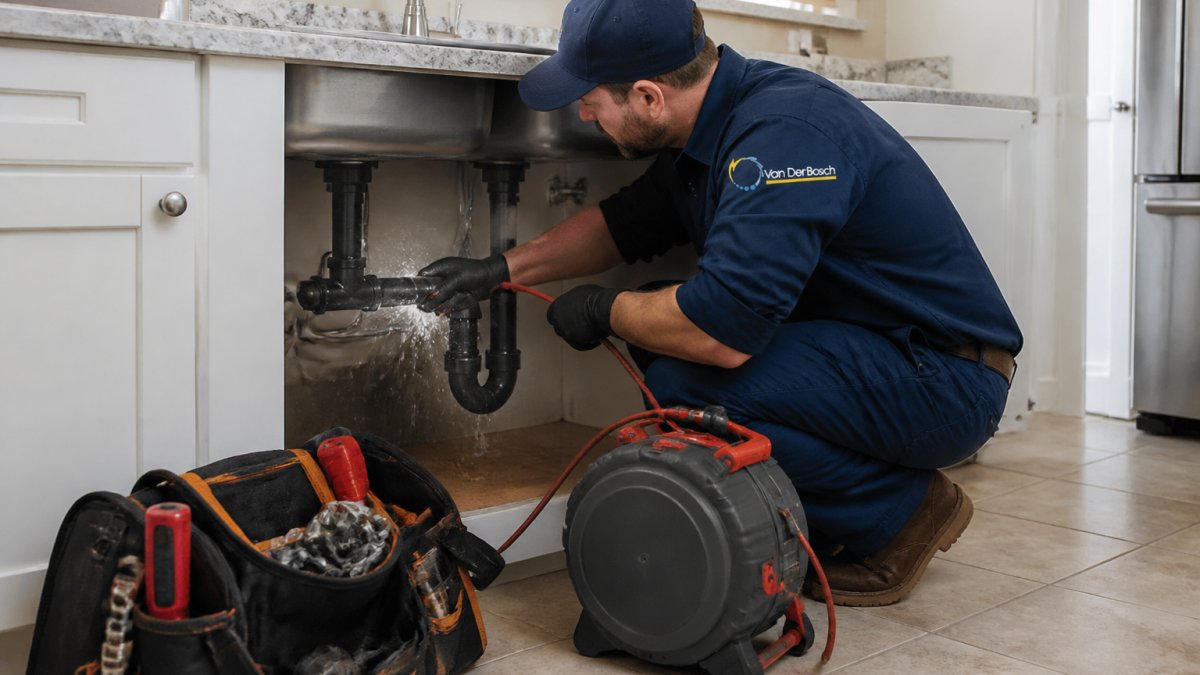
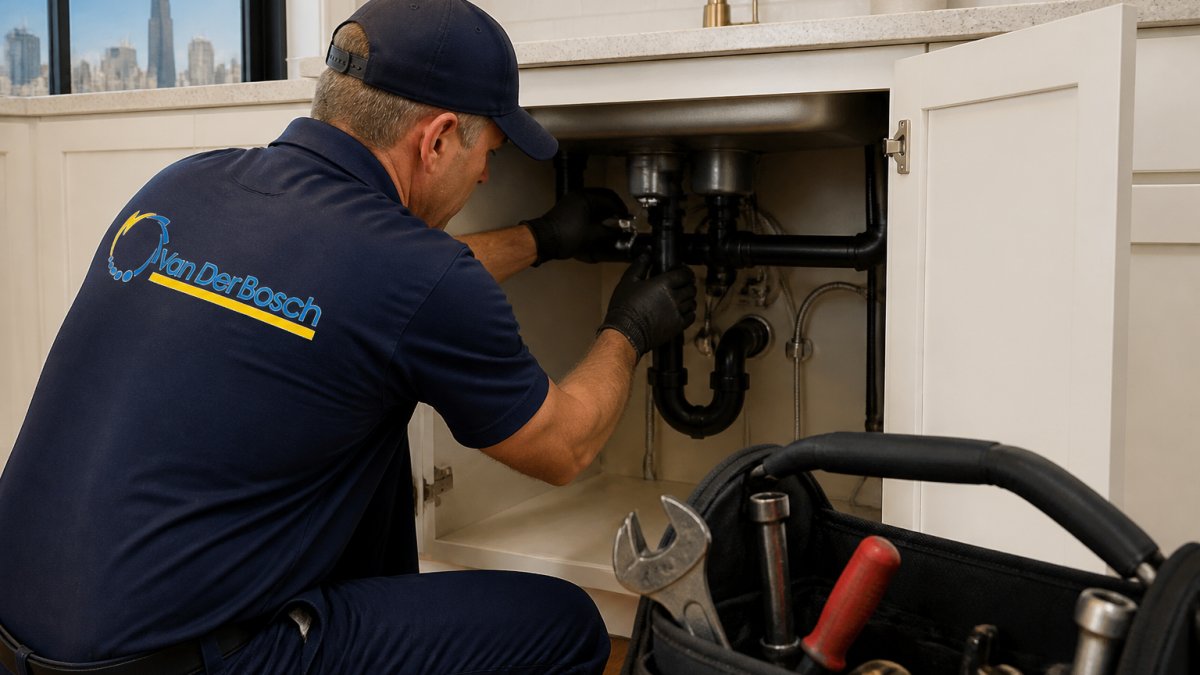
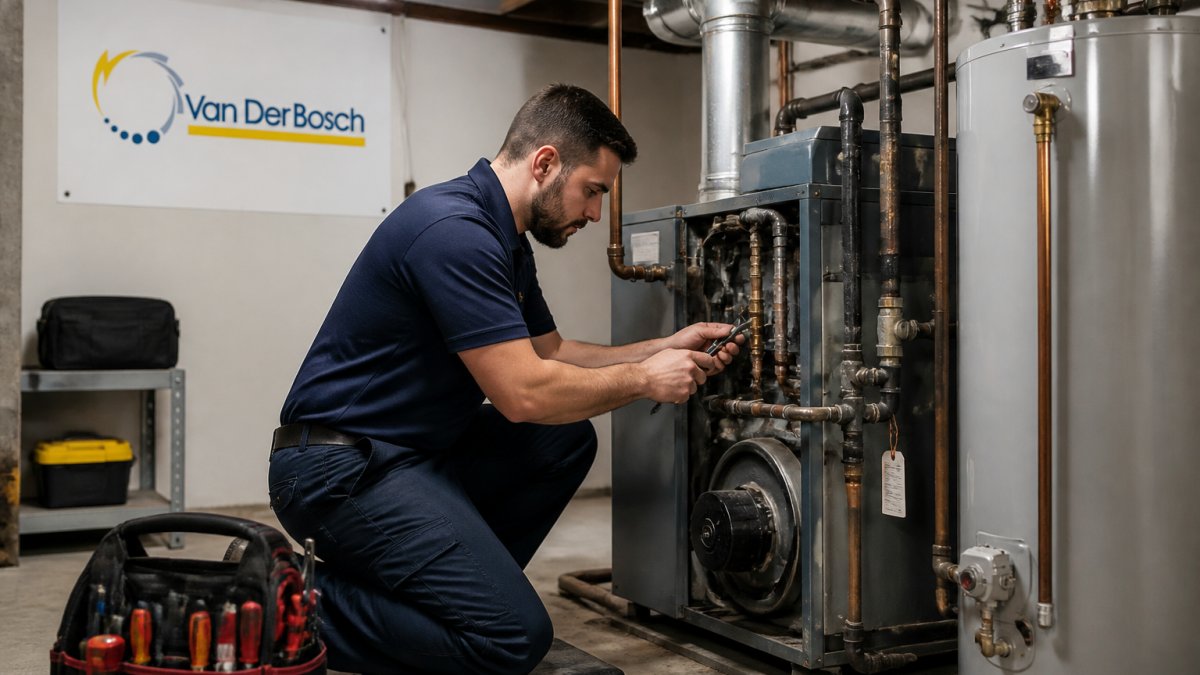
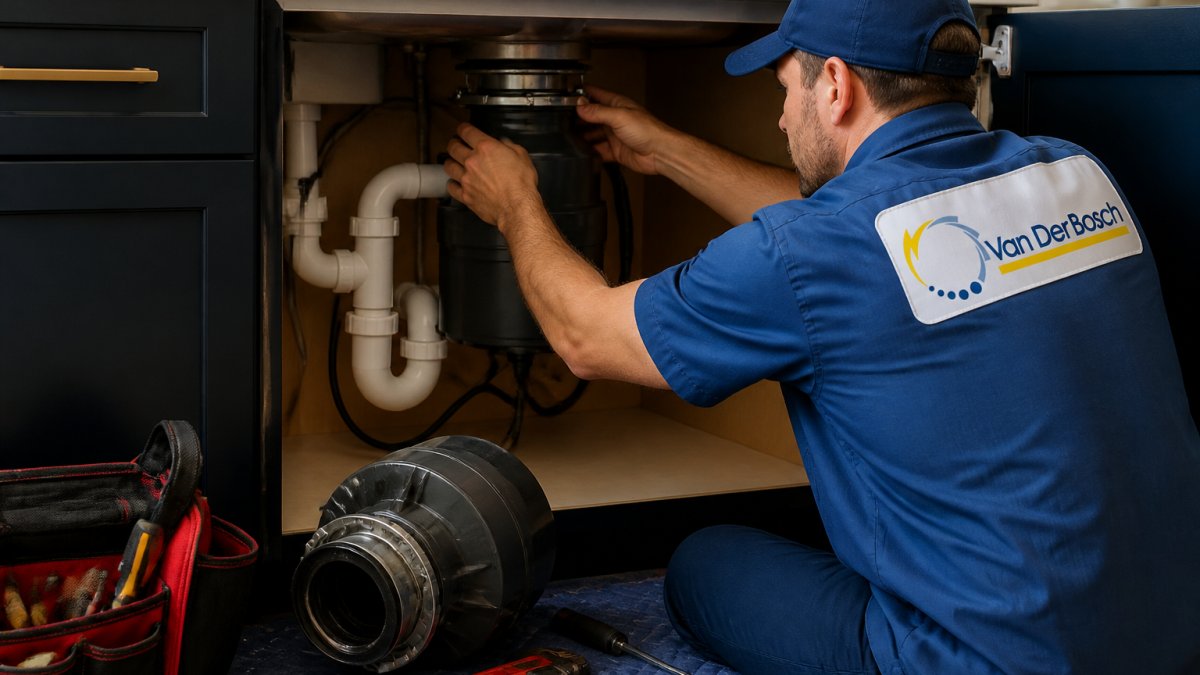
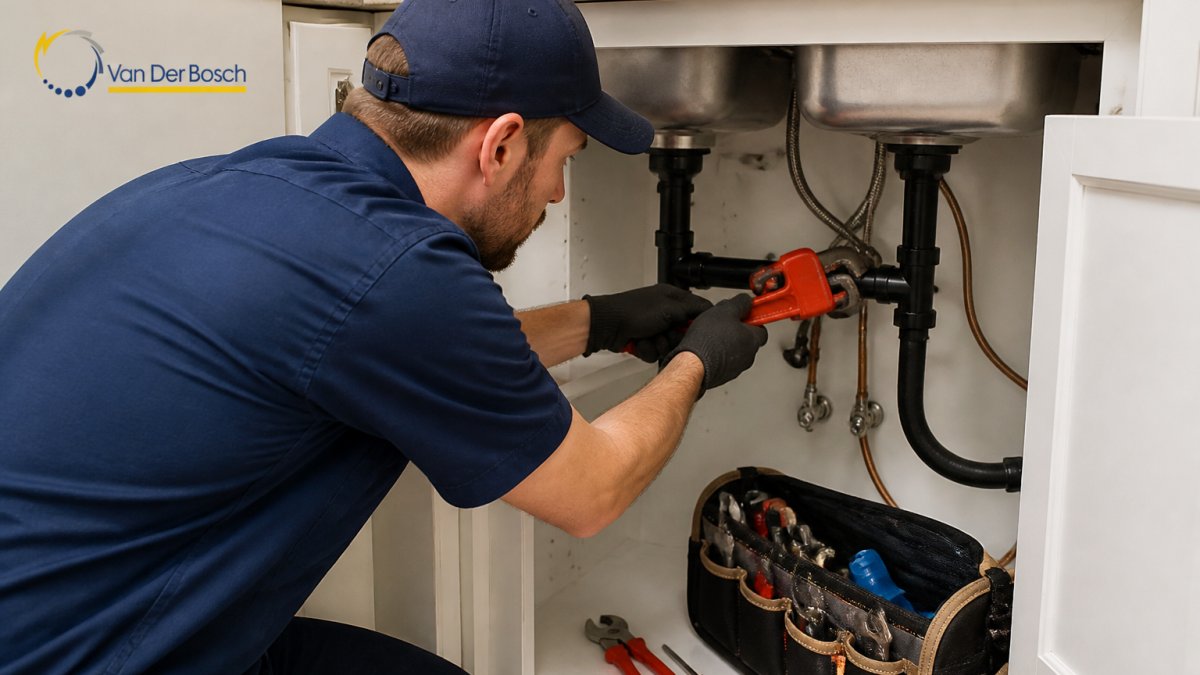
Professional plumber in uniform examining a burst pipe under a kitchen sink with diagnostic equipment and tools visible nearby

Factors That Affect Emergency Plumbing Costs

Two emergency calls can carry the same hourly rate and produce very different bills. What moves the total is clock time, what the plumber must open up to reach the problem, and what parts the repair requires.

Time of Day and Availability

Evenings, nights, weekends, and holidays carry premium rates because the plumber is working outside standard business hours. Many companies tier pricing by window, with rates typically increasing for:

  • After-hours evenings and early mornings
  • Nights and weekends
  • Holidays

That premium reflects availability, not a different quality of work.

Job Complexity and Accessibility

A clogged toilet can often be cleared quickly; a burst pipe inside a finished wall can take significant time for cutting, replacing, and testing. A supply line under a kitchen sink is easy to reach; the same line behind tile, inside a chase, or under a basement slab requires more labor before the repair begins.

Factors that increase time and cost:

  • Hidden or hard-to-reach pipes
  • Multiple problem areas on the same call
  • Damage to surrounding structures

Parts and Materials

Parts are almost always billed separately from labor. Water heaters, copper or PEX piping, PVC fittings, shutoff valves, and specialty components add to the total. Emergency work sometimes requires premium materials: temporary patches or isolation valves, expedited sourcing, and specialty fittings for older plumbing.

A Safe Triage Sequence Before the Plumber Arrives

What you do in the first few minutes of an active emergency affects both the damage and the final bill. This is general guidance, not a repair procedure, when in doubt, call a licensed plumber and follow their instructions.

  1. Stop the water if you safely can. Know where your main shutoff is before you need it. For a fixture-level leak, a local supply valve may be enough.
  2. Protect people first. If water is near outlets, panels, or appliances, keep clear and shut off power at the breaker only if you can reach it without touching water. Never stand in standing water to flip a breaker.
  3. Contain what you can. Towels, buckets, and moving valuables off the floor limit secondary damage while you wait.
  4. Leave gas and boiler work alone. If you smell gas, suspect a gas leak, or a boiler is leaking or making unusual noises, do not attempt repairs. Leave the area, avoid switches and flames, and contact your gas utility or emergency services, then a licensed plumber.
  5. Document as you go. Photos of the leak, the shutoff, and any damaged belongings help with insurance and with the plumber’s diagnosis.

Do not open walls, cut pipe, or disassemble pressurized, gas, or electrical components yourself. Those are jobs for a licensed professional, and DIY attempts can turn a contained leak into a larger loss.

Why the Same Job Quotes Differently

Two plumbers can quote the same burst pipe differently: one includes travel and diagnosis in the hourly rate, another bills them separately; one applies a minimum, another does not; one itemizes parts, another bundles them. Comparing hourly rates alone is misleading, the number that matters is the total for the written scope of work.

Understanding Emergency Plumbing Call-Out Fees

Many plumbers charge a call-out fee or service charge just to show up, covering dispatch, travel, and the cost of making a technician available.

Service Call Fees vs. Labor Time

A service call fee is a flat charge separate from hourly labor, paid for the plumber to arrive and assess the problem.

VanDerBosch Plumbing Inc. charges no service fees, which removes one variable from your emergency plumbing per hour estimate.

Minimum Service Charges

Most emergency plumbers impose a minimum charge, which can be equivalent to a certain amount of labor time. If your problem takes 20 minutes, you still pay the minimum; if it takes four hours, you pay for all four.


After-Hours Plumber Rates and Surcharges

Emergency plumbing per hour rates spike outside standard business hours. The exact surcharge varies, but availability costs more.

Weekend and Holiday Pricing

Weekend rates are typically higher than weekday rates, and holiday rates are higher still. Fewer plumbers work those days, and those who do command higher rates.

Overnight Emergency Response

A 3 AM call costs more than a 3 PM call. Overnight work is disruptive, and skilled plumbers are scarce at that hour. Some companies tier overnight pricing, with higher premiums for late evening and overnight calls.


Getting an Accurate Emergency Plumbing Estimate

An accurate estimate is a written scope with a price attached. Before work begins, know what is included, what is excluded, and what happens if the job turns out bigger than it looked on the phone.

What to Expect During the Initial Call

When you call for emergency service, the dispatcher will typically ask:

  • What is the problem? (burst pipe, backed-up drain, water leak, no hot water, etc.)
  • Where is it located? (kitchen, basement, main line, mechanical room, etc.)
  • Is water actively leaking or backed up?

Be specific. The more detail you give, the better the dispatcher can set expectations for arrival and scope. Phone estimates are common for simple, well-described problems; complex or hidden problems usually require an on-site assessment before a firm quote is possible.

What a Written Quote Should Contain

Ask for the quote in writing before work starts. A usable quote spells out:

Book a Visit →

  • The hourly labor rate and whether it changes by time of day
  • Any service call, dispatch, or minimum charge, and whether it is applied to the bill
  • Estimated labor time for the described scope

How a Bill Is Built: A Sample Invoice Walk-Through

Hourly rates only make sense when you see how the line items combine.

Line item What it represents How it is typically billed
Service call / dispatch Getting a technician to your door Flat fee, sometimes credited toward the bill
Diagnostic time Locating and confirming the problem Often folded into labor or billed at the hourly rate
Labor Time on the repair itself Hourly rate × hours, subject to a minimum
After-hours premium Working outside standard hours Multiplier or higher tier rate
Parts and materials Pipe, fittings, valves, fixtures Itemized or bundled
Permits (if required) Jurisdiction-required approvals Passed through at cost
Taxes Sales tax on taxable goods and services Per local rules

A short job can still produce a meaningful total once the service call, minimum, and after-hours premium are added, while a long job’s total is driven mostly by labor hours and parts.

Authorization Limits and Change Orders

Before the plumber starts, confirm you are authorizing the work at the quoted price. A practical protection is an authorization limit: the plumber may proceed up to the quoted amount and must stop and call you for approval if the scope or price grows.

If You Suspect You Were Overcharged

Disputes are easier to resolve with documentation. If a bill does not match the quote:

  1. Ask for an itemized invoice and compare it to the written quote line by line.
  2. Request an explanation in writing for any charge that differs from what you authorized.
  3. Document everything, the quote, the invoice, photos, and any texts or emails about the scope.
  4. Pay only what you authorized if the dispute is unresolved, and put your position in writing.
  5. Check licensing and complaint channels through the state or local consumer protection or licensing agency.
  6. Use your card’s dispute process as a last resort if the company will not resolve a clear billing error.

The strongest protection against bill shock is a written scope with an authorization limit. It converts a verbal promise into something you can compare against the final invoice.

Insurance and Warranty Coverage

Coverage for emergency plumbing varies by policy and cause. A sudden burst pipe is often treated differently from a slow leak that went unaddressed, and many policies cover the water damage but not the pipe repair itself. Before approving non-urgent work, ask your insurer or home warranty provider:

  • Is the cause covered, and is the repair itself covered or only the resulting damage?
  • What documentation is required (photos, receipts, itemized invoice, plumber’s report)?
  • Is there a preferred-vendor requirement or a claim deadline?

Keep photos, the itemized invoice, and any plumber’s notes, they are usually what a claim is decided on. For urgent work, stop the damage first and sort out coverage afterward.

When you are ready to schedule, VanDerBosch Plumbing Inc. provides written estimates before work begins and charges no service fees, so the quote you receive reflects the work and materials rather than a separate dispatch charge. Request an estimate for emergency plumbing service

Burst Pipe Repair Cost Considerations

Burst pipes are among the most expensive emergency plumbing calls because they often involve hidden damage and extensive diagnostics.

Diagnostic Work and Water Damage

Finding a burst pipe sometimes requires a sewer video inspection or water line tracing. These diagnostics add time and cost but are often necessary.

Water damage complicates the picture. If the burst pipe has been leaking for hours, drywall, flooring, or structural components may be affected.

The emergency plumbing per hour cost for a burst pipe typically includes:

  • Time to locate the leak
  • Time to shut off water and assess damage
  • Time to cut into walls or floors if needed

Repair vs. Replacement Decisions

Sometimes a burst pipe is part of a larger problem. If multiple pipes are corroded or failing, replacing one pipe is a temporary fix. Ask your plumber:

  • Is this pipe likely to fail again soon?
  • Are other pipes showing similar problems?
  • Would repiping the entire line be more cost-effective long-term?

A burst pipe in an older home might signal that other pipes are near failure, and replacing just the burst section may mean another emergency call in the future.


How to Avoid Unexpected Charges

Transparency matters in emergency plumbing. Ask the right questions upfront to avoid bill shock.

Questions to Ask Before Work Begins

Before the plumber starts:

  • What’s your hourly rate?
  • Is there a minimum charge?
  • How long do you estimate this repair will take?

These questions establish clear expectations. If the plumber hesitates to answer, that’s a red flag.

Understanding Your Invoice

When you receive your bill, verify:

  • Labor hours charged match time on-site
  • Hourly rate matches what was quoted
  • Parts are itemized with costs

If something doesn’t match, ask for clarification immediately. Reputable plumbers are happy to explain every line item.


Conclusion

Emergency plumbing per hour rates reflect the complexity of the job, the time of day, and the expertise required.

When you need emergency plumbing service, call VanDerBosch Plumbing Inc. Get a clear estimate and honest pricing when you need it most. Schedule emergency plumbing service with VanDerBosch today

Frequently Asked Questions

What do plumbers typically charge per hour for emergency calls?

Emergency plumbing per hour rates depend on your location, the time of day, and job complexity. Rates vary significantly between regions and between standard business hours and after-hours service. Rather than a fixed number, focus on understanding what factors affect your total bill: diagnostic fees, travel time, parts, and whether you’re calling during the day or late at night. Ask your plumber for a detailed written estimate that breaks down labor costs separately from materials and any service fees.

What’s included in an emergency plumbing call-out fee?

A call-out fee (also called a service charge or dispatch fee) typically covers the plumber’s arrival, initial diagnosis, and time spent assessing your problem. This fee may or may not apply to your final bill depending on the plumber’s policy. Some companies apply it as a credit toward labor if you proceed with repairs, while others waive it entirely. Always ask upfront whether a call-out fee applies and whether it gets credited to your bill if you authorize the work. VanDerBosch Plumbing Inc. charges no service charges, so you only pay for the actual work performed.

Do emergency plumbers charge more after hours?

Yes, after-hours plumber rates typically include surcharges for evenings, nights, weekends, and holidays. These emergency surcharges reflect the higher cost of maintaining 24/7 availability and paying technicians premium rates for off-hours work. Overnight calls, weekend emergency repairs, and holiday service calls generally cost more than the same repair during business hours. Before authorizing after-hours work, ask your plumber to quote the difference between daytime and after-hours rates so you can understand the total cost impact.

What factors affect the total cost of an emergency plumbing repair?

Several factors influence your final bill beyond the hourly rate: the type and location of the problem (burst pipe, clogged drain, water heater failure), accessibility (easy-to-reach vs. buried in walls or crawl spaces), extent of damage, whether parts need to be ordered, diagnostic work required, travel time, and the time of day you call. A burst pipe that requires minimal excavation costs less than one requiring trench work. A clogged toilet is faster to fix than a sewer line backup. Always ask your plumber to explain how these factors affect the estimate.
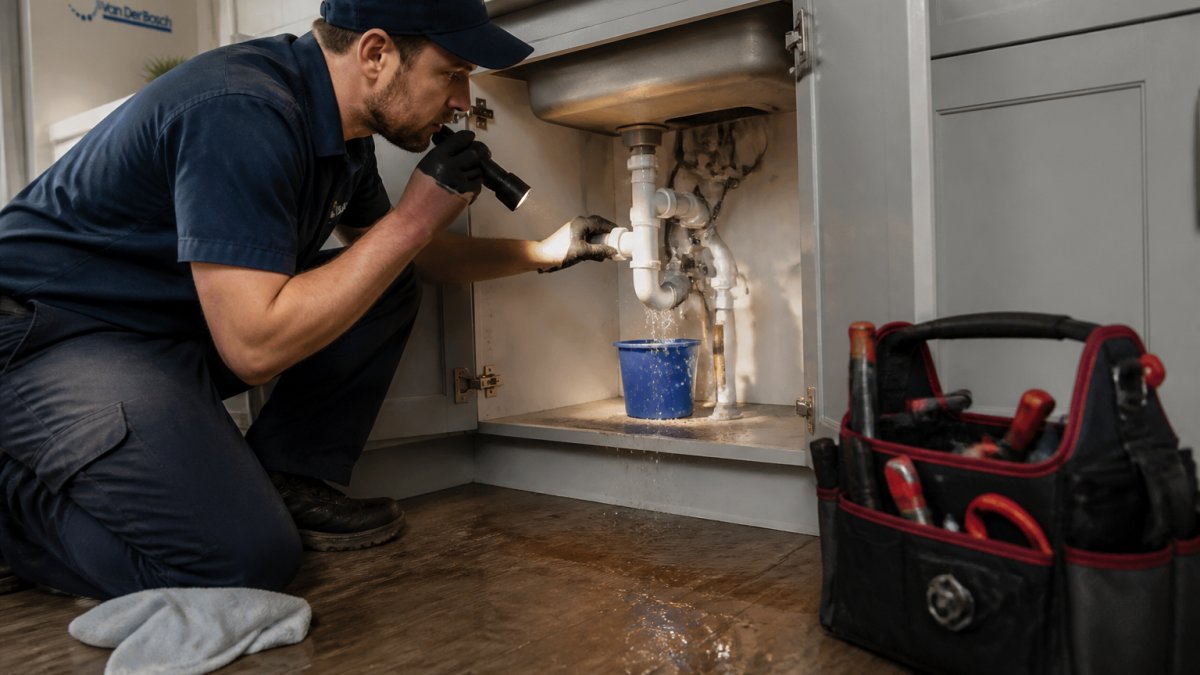
What Is Considered an Emergency Plumbing Issue?

Table of Contents

Last Updated: October 17, 2026

What Qualifies as a Plumbing Emergency

An emergency plumbing issue is any problem that poses an immediate threat to your home, your safety, or your property. The difference comes down to risk: a slow kitchen drain can wait until Monday morning; a burst pipe flooding your basement cannot.

Burst Pipe Emergency: Recognition and Immediate Response

A burst pipe emergency demands immediate action. Water from a ruptured pipe can damage walls, floors, and foundation in just hours.

Signs of a burst pipe include:

  • Visible water spraying or gushing from a pipe
  • Sudden drop in water pressure throughout your home
  • Wet spots or pooling water on walls, ceilings, or floors

What to do immediately:

  1. Locate your main water shutoff valve (usually near the water meter or where the main line enters your home)
  2. Turn the valve clockwise to stop the flow of water
  3. Open faucets throughout your home to drain remaining water from the pipes
  4. Call a licensed plumber right away

Do not attempt to repair a burst pipe yourself. If you cannot locate your shutoff valve, call for emergency service and ask the technician to help you find it. Burst Pipe Repair requires immediate professional attention to stop the water and assess damage to your home’s structure and systems.

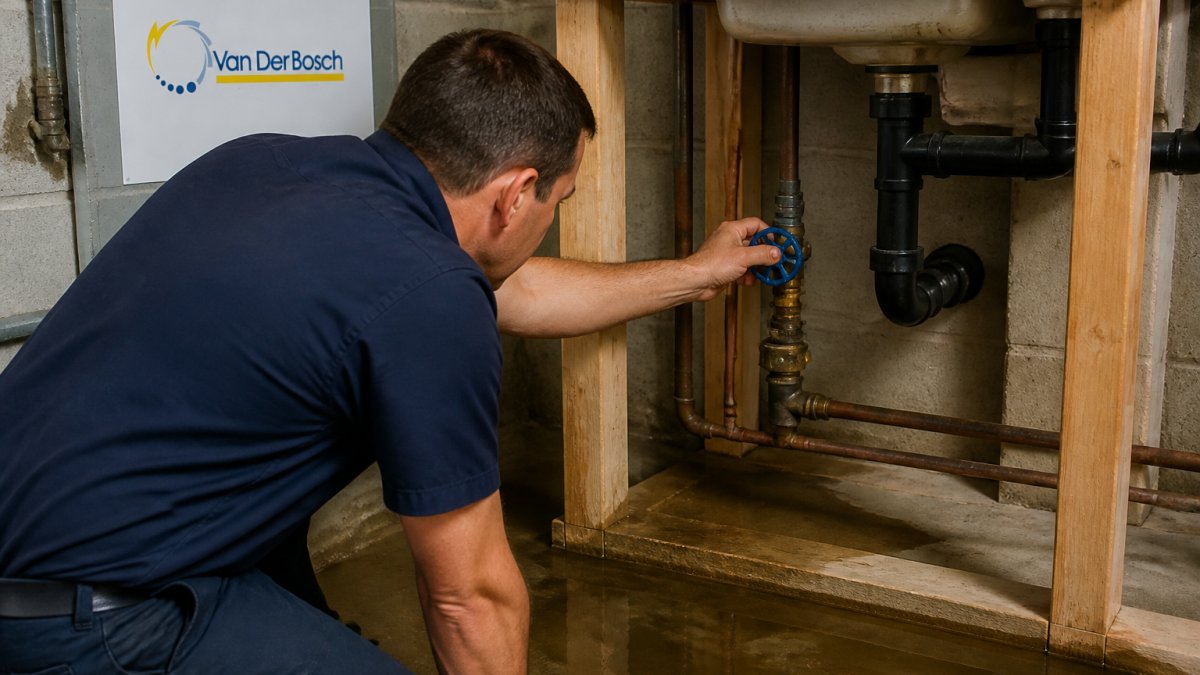
Homeowner locating and turning off the main water shutoff valve under a sink in a basement, showing the valve handle clearly and water pooling nearby

Sewer Backup Emergency: Health Risks and Safety First

A sewer backup emergency is one of the most serious plumbing situations. Sewage contains harmful bacteria and pathogens that pose direct health risks (the CDC).

Warning signs of a sewer backup include:

  • Multiple drains backing up at the same time (toilets, showers, sinks, or floor drains)
  • Raw sewage coming up through drains or toilets
  • Gurgling sounds from drains or toilets

Immediate safety steps:

  • Do not use any plumbing fixtures in your home
  • Keep children and pets away from affected areas
  • Avoid contact with any sewage or contaminated water

Sewage exposure can cause serious illness. According to CDC guidelines on wastewater and sewage hazards, untreated sewage contains disease-causing pathogens including bacteria, viruses, and parasites.

Call a licensed plumber for emergency service. They can perform a Sewer Line Camera Inspection to identify the blockage or damage, then recommend the appropriate repair or cleaning method, such as Hydro Jetting Services for stubborn clogs.

Water Leak Emergency: Active Flooding and Hidden Damage

Water leaks range from minor to catastrophic. The key is recognizing when a leak requires immediate intervention.

Active Leaks and Visible Water Damage

An active leak means water is flowing where it shouldn’t. This demands urgent attention.

Signs of active leaks:

  • Water dripping or flowing from pipes, fixtures, or ceiling
  • Water pooling on floors or in basements
  • Active flooding from any source

What to do:

  1. Turn off the main water shutoff valve if the leak is large or spreading
  2. Place buckets or towels to catch water and protect belongings
  3. Turn off electricity to affected areas if water is near outlets or appliances
  4. Call for emergency plumbing service immediately

Do not ignore active leaks, even small ones. A minor drip can waste significant water and cause structural damage over time.

Hidden Leaks and Warning Signs

Hidden leaks are harder to spot but equally damaging, developing inside walls, under floors, or behind appliances.

Warning signs of hidden leaks:

  • Soft, spongy, or warped flooring
  • Discolored patches on walls or ceilings
  • Mold or mildew growth (especially in basements or crawl spaces)

Hidden leaks develop slowly, and significant damage may have already occurred by the time they become visible. If you notice any of these signs, schedule a professional inspection so a licensed plumber can locate the leak before it causes major damage.

Gas Leaks and Carbon Monoxide Hazards

A gas leak emergency is a serious safety threat.

Signs of a gas leak:

  • Rotten egg or sulfur-like smell near gas pipes or appliances
  • Hissing sound coming from a gas line
  • Dead plants or discolored grass in a line across your yard (may indicate an underground gas line)

If you suspect a gas leak:

  1. Do not use any electrical switches, appliances, or create sparks
  2. Do not use your phone inside the home
  3. Leave the house immediately
  4. Call your gas company’s emergency line from a safe location outside
  5. Do not re-enter the home until emergency responders have cleared it

Gas leaks can cause explosions, fires, and carbon monoxide poisoning. Only a licensed professional should handle Gas Line Repair & Installation.

According to OSHA guidelines on gas line safety, improper gas line work is a leading cause of home explosions and carbon monoxide incidents.

Other Critical Plumbing Emergencies

Overflowing or Backed-Up Toilets

An overflowing toilet can spread contaminated water throughout your bathroom and beyond.

What to do:

  1. Turn off the water supply to the toilet (valve is usually behind or beside the toilet)
  2. Do not flush again
  3. If water is overflowing, place towels around the toilet to contain it
  4. Call a plumber if the toilet continues to back up after one flush

A single backed-up toilet may be a fixture clog. If multiple toilets or drains back up at once, the problem is deeper in your plumbing system and requires professional diagnosis. Clogged Toilet Repair & Toilet Installation Services can address both the immediate blockage and any underlying system issues.

Major Drain Clogs and Backups

A major clog blocks water from draining properly. If water is backing up into your home, immediate action is needed.

Book a Visit →

Signs of a major clog:

  • Water backing up into sinks, showers, or tubs
  • Slow drainage in multiple fixtures
  • Gurgling sounds from drains

Do not use drain cleaners or attempt to snake a major clog yourself; these methods often fail and can damage pipes. A licensed plumber can use professional techniques to clear the line safely.

Water Heater Leaks or Failures

A leaking water heater needs prompt attention. A failing tank can flood your basement or utility room.

Warning signs:

  • Water pooling around the base of the tank
  • Rust or corrosion on the tank
  • No hot water or inconsistent temperature

If your water heater is leaking, turn off the gas or electrical supply (depending on your unit type) and call for emergency service. A professional can assess whether Water Heater Repair and Installation or replacement is necessary.

What to Do Before a Plumber Arrives

The minutes between your call and the plumber’s arrival are when most preventable damage happens, or gets stopped. The goal is not to fix anything, but to stop the water, remove safety hazards, and preserve what you will need for insurance and diagnosis.

Step 1: Stop the water at the right valve

Work from the smallest valve to the largest:

  • Fixture valve first. For a sink, toilet, or water heater, close the supply valve serving that fixture. This isolates the problem without shutting down the whole house.
  • Main shutoff if the fixture valve fails or you cannot find it. The main valve is usually near the water meter or where the service line enters the building. Turn it clockwise until it stops.
  • Open a low faucet after shutting the main to relieve pressure and drain what is left in the lines.

If the main valve will not close fully, common with older gate valves that have not been exercised in years, note that for the plumber. It changes how they approach the repair.

Step 2: Decide whether the electricity is safe

This step matters most for personal safety.

  • If water is near outlets, appliances, cords, or the electrical panel, do not enter the area. Water and electricity together are a shock hazard even when the circuit seems dead.
  • If you can safely reach the breaker panel without walking through water, shut off the circuits serving the affected area. If the panel itself is wet or you must stand in water to reach it, leave it alone and tell the plumber and your utility.
  • Never stand in standing water to flip a breaker or unplug an appliance.
Watch Out
If water has reached the electrical panel, a submerged outlet, or a hardwired appliance, treat it as an electrical emergency as well as a plumbing one. Keep everyone out of the space and call for help from a dry location.

Step 3: Contain what you can, safely

  • Place towels, buckets, or a wet/dry vacuum (only with power confirmed off) to catch and redirect water
  • Move furniture, rugs, and electronics away from the wet area if you can do so without entering standing water or touching wet electrical equipment
  • Do not attempt to lift a sagging ceiling, a bulging ceiling can release suddenly; keep people out from under it

Step 4: Document for insurance and for the plumber

Good documentation makes both the repair and any claim easier.

  • Photograph and video the scene before cleanup, wide shots of the room, close-ups of the source, and any damaged belongings
  • Note the time you noticed the problem and the time you shut off the water
  • Save receipts for anything you buy for containment (towels, buckets, fans)

Step 5: Know what not to touch

Some things are tempting to “just fix” and are exactly the wrong move before a professional arrives.

  • Do not apply tape, epoxy, or clamps to a pressurized pipe as a permanent fix, a patch that fails under pressure can cause more damage than the original leak
  • Do not open a gas valve, relight a pilot, or reset a boiler if you smell gas or are unsure of the procedure
  • Do not pour chemical drain cleaner into a backed-up drain, it can damage pipes, is dangerous to the plumber who arrives later, and rarely clears a main-line blockage

Step 6: Make the plumber’s job easier

  • Clear a path to the shutoff valve, the water heater, the boiler, or the cleanout
  • If you have pets, secure them before the technician arrives
  • Have your address, cross street, and a callback number ready, and note whether anyone in the home has mobility or medical needs

After the water is stopped

The emergency is not over when the water stops, it is over when the space is dry and the cause is fixed. Standing water, wet insulation, and damp drywall can lead to mold and structural problems within days. Ask the plumber what drying or cleanup is appropriate and whether the affected area needs inspection before it is closed back up.

Key Takeaway
The pre-arrival sequence is simple: stop the water at the smallest valve that works, keep people away from water near electricity, contain and document, and do not attempt repairs on pressurized, gas, or sewer systems. Everything else can wait for the professional.

When to Call Emergency Service vs. Regular Business Hours

Most plumbing problems fall somewhere between “ignore it” and “call right now.” A simple severity framework helps you decide faster than a gut feeling, especially at night or on a weekend.

A three-tier triage framework

Tier 1, Call immediately, any hour. These situations threaten safety, health, or the structure of the building, and waiting can turn a repair into a restoration project.

  • Water is actively flowing and you cannot stop it with a fixture valve or the main shutoff
  • A pipe is burst, split, or visibly spraying
  • Sewage or wastewater is coming up through drains, toilets, or floor drains

Tier 2, Call today, during business hours if possible. These need professional attention soon but are not immediately dangerous if you take a safe step first.

  • A single fixture is backed up but other drains run normally
  • A slow leak under a sink that you can catch in a bucket after shutting the fixture valve
  • No hot water, with no leak and no gas smell

Tier 3, Schedule routine service. These are annoyances, not emergencies, and can wait for a normal appointment.

  • A single slow drain that still drains
  • A dripping faucet
  • A running toilet that flushes normally

The questions that decide the tier

When you are unsure, run through these four questions in order. The first “yes” moves you up a tier.

  1. Is anyone unsafe? Gas smell, water near electricity, or sewage in a living space means Tier 1 regardless of anything else.
  2. Is water still entering the space? If closing the fixture valve or the main shutoff does not stop it, treat it as Tier 1.
  3. Is the problem spreading? Water wicking up drywall, sewage backing into multiple fixtures, or a leak that has moved from one room to another signals a system-level problem, not a fixture problem.
  4. Can you isolate it? If a single fixture valve stops the problem, you have bought time. If not, you have not.

What “emergency service” actually means

Emergency plumbing is not a different trade, it is the same diagnosis and repair work performed outside normal scheduling, often with a narrower set of options because supply houses are closed and some parts may not be available until the next business day. That is why the goal before a plumber arrives is always the same: stop the water, remove the safety hazard, and preserve the evidence.

Pro Tip
If you are on the fence, call and describe the situation. A short phone conversation can help you determine whether it can wait until morning.

What affects the cost of an emergency call

We do not quote prices here because the variables matter more than any number. What drives the cost of an emergency plumbing visit includes:

  • Time of day, after-hours, weekend, and holiday dispatch typically carry different rates than weekday business hours
  • Access, a shutoff valve in a finished basement or behind drywall takes longer to reach than one in an open utility room
  • Diagnosis required, a visible burst pipe is faster to assess than a hidden leak or a sewer backup that needs a camera inspection

Ask any plumber you call what their after-hours policy is and whether a diagnostic visit is charged separately from the repair. Those are fair questions, and the answer tells you a lot about how the company operates.

A note on older housing stock

In older homes, the line between Tier 2 and Tier 1 is thinner than it looks.


When a plumbing emergency strikes, the first few minutes matter most. VanDerBosch Plumbing Inc. provides emergency plumbing service to help you stop the water, assess the damage, and get your home back to normal. Whether you are dealing with a burst pipe, sewer backup, major leak, or gas line concern, call for professional help right away.

Frequently Asked Questions

What should I do if a pipe bursts in my home?

Shut off the main water supply immediately to prevent further flooding and water damage. Locate your main shutoff valve, typically near the water meter or where the water line enters your home. Open faucets to drain remaining water from the system. Move valuables away from the affected area and document any damage with photos. Call a licensed plumber right away, a burst pipe emergency requires professional repair to assess the extent of damage and restore your water supply safely.

Is a sewer backup an emergency plumbing issue?

Yes, a sewer backup is a serious emergency. Sewage contains harmful bacteria and pathogens that pose significant health risks. If multiple drains back up simultaneously or you notice sewage entering your home, stop using all plumbing fixtures immediately and call a professional plumber. Do not attempt to clear the line yourself. The problem may require sewer video inspection or professional cleaning to identify and resolve the blockage safely.

How do I know if a water leak is an emergency?

An active leak causing visible flooding, wet spots on walls or ceilings, or water pooling in your basement requires immediate attention. These situations can lead to structural damage, mold growth, and electrical hazards. Turn off the main water supply if the leak is severe, and contact a plumber. Even small leaks that persist should be addressed quickly, what seems minor can waste significant water and cause hidden damage inside walls or under floors.

What are the warning signs of a gas leak?

A strong rotten-egg or sulfur smell near gas lines or appliances is the primary warning sign. You may also hear hissing sounds. If you suspect a gas leak, do not use electrical switches, create sparks, or attempt repairs yourself. Leave the building immediately, call emergency services from outside, and contact your gas provider. Gas leaks pose serious safety risks including carbon monoxide poisoning and explosion hazards. Professional inspection and repair are essential.

Plumbers in Chicago: How to Choose the Right Professional

Table of Contents

Last Updated: October 16, 2026

What to Expect From Plumbers in Chicago

When you call a plumber in Chicago, you want someone who can diagnose the problem quickly and fix it right the first time.

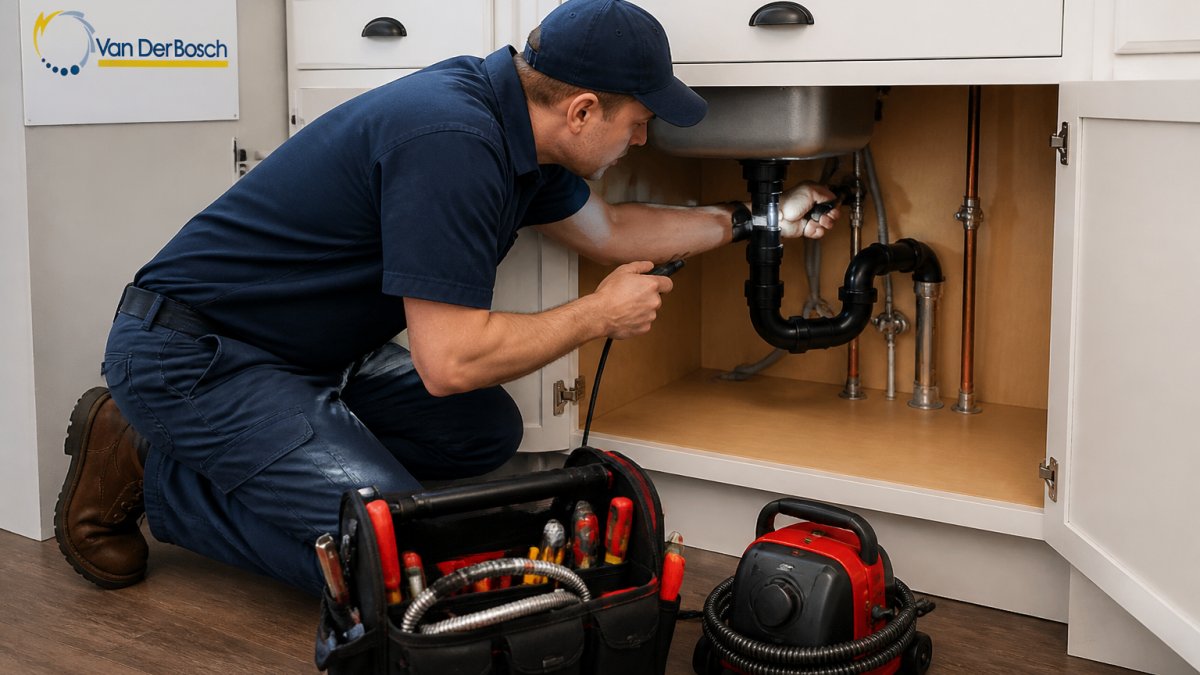
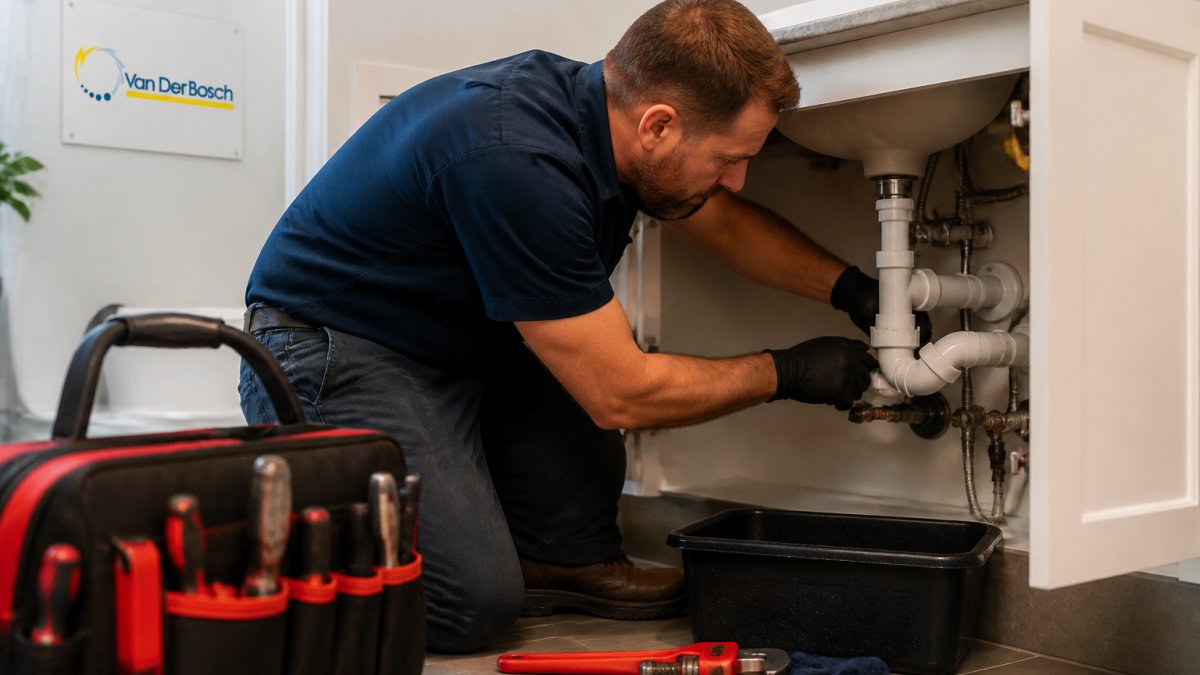
Professional plumber in uniform examining pipes under a kitchen sink with professional tools and diagnostic equipment nearby

A professional plumber arrives with the right tools and asks specific questions about when the problem started, what you’ve noticed, and any previous repairs.

A licensed professional has passed state requirements and carries insurance to protect both you and themselves.

Common Plumbing Problems Chicago Homeowners Face

Chicago’s climate and aging housing stock create specific plumbing challenges. Understanding them helps you recognize when professional service is truly necessary.

Burst and Frozen Pipes in Winter

Winter temperatures in Chicago regularly drop below freezing for extended periods, and that’s when frozen pipes become a real threat. Water inside exposed pipes can freeze and expand, creating pressure that eventually ruptures the pipe.

The earliest warning sign is reduced water pressure in one or more fixtures during cold weather, which may indicate a frozen section rather than a burst. You might also hear banging or clanking as ice forms and pressure builds.

Burst pipes require immediate attention, since water flowing into walls, ceilings, or crawl spaces causes structural damage and mold growth. VanDerBosch Plumbing Inc. offers frozen pipe repair for both frozen sections and burst pipes.

Sewer Backups and Drain Clogs

Sewer backups are among the most unpleasant plumbing emergencies. Multiple drains backing up at once, toilets, showers, sinks, signal a problem in the main sewer line rather than a single fixture. That could be tree roots, grease accumulation, or structural collapse of an older pipe.

A single slow drain might just be soap and hair, but when water comes up through floor drains or backs up into the lowest fixtures, the blockage is downstream and requires professional diagnosis. Sewer video inspection lets a technician see exactly where the problem is and how serious it is.

Recurring clogs in the same drain often point to a bend in the pipe, partial blockage, or damaged section. Drain cleaning with hydro jetting removes buildup more thoroughly than a plunger or snake, and hydro jetting services can restore flow without damaging older pipes.

Water Heater Issues

Most water heaters last 8 to 12 years, depending on water quality and maintenance. You might notice water takes longer to heat, runs out faster, or turns rusty.

Leaks around the base of the tank mean the tank itself is failing and replacement is necessary. Inconsistent temperature can indicate a failing heating element or sediment accumulation. Water heater repair might restore function, but an aging tank may not be worth the repair cost.

Tankless water heater installation offers an alternative to traditional tanks. Tankless systems heat water on demand, providing continuous hot water, useful where multiple people shower back-to-back or space for a tank is limited.

When You Need an Emergency Plumber

An emergency is any plumbing problem where waiting causes active damage, a safety hazard, or loss of habitability. That distinction determines whether you call a plumber, the gas utility, or emergency services first.

What Qualifies as a Plumbing Emergency

  • Active water where it shouldn’t be. A burst pipe, a supply line spraying, or water pooling in a basement or ceiling. Water damage compounds by the hour.
  • Sewage backing up into the home. Beyond the mess, sewage carries health hazards. Keep people and pets away from the affected area.
  • No water at all. A total loss of water to the property usually points to a failed main, a frozen service line, or a shutoff issue that needs professional diagnosis.
  • A gas smell. This is not a plumbing call first, see the safety note below.
  • A water heater leaking from the tank itself. A failed tank can flood a utility room quickly.

What Is Urgent but Not an Emergency

A frozen pipe that still has water flowing is urgent, you have time to call before it ruptures, but not days. A single slow drain, dripping faucet, or running toilet can typically wait for a standard appointment.

Safety First: What to Do Before the Plumber Arrives

For an active leak or burst pipe, the first move is to shut off the water. Know where your main shutoff valve is before you need it, usually near the water meter or where the service line enters the home. If you can’t operate it safely, call for help and stay clear of standing water near electrical outlets or panels.

Watch Out
If you smell gas, leave the building immediately and do not operate light switches, appliances, or your phone inside. Call your gas utility’s emergency line or 911 from outside. Gas line work is not a DIY repair and should only be handled by a licensed professional.

If a water heater or boiler is leaking and there’s any chance water has reached electrical components, shut off power to that equipment at the breaker only if you can do so safely from a dry location. Otherwise, keep away and call for service.

What to Tell the Dispatcher

Be ready to describe:

  • Where the water, smell, or sound is coming from, room, floor, and whether it’s near a fixture, appliance, or the main line.
  • Whether the water is clean supply water or sewage.
  • Whether you’ve been able to shut off the water, and where the shutoff is.
  • The age of the home or the plumbing, if you know it.
  • Any sounds, banging, hissing, gurgling, and when they started.

That helps the technician arrive with the right equipment.

After-Hours and Weekend Service

VanDerBosch Plumbing Inc. provides service seven days a week, so a weekend or evening problem doesn’t have to wait for Monday. When you call, ask whether the visit is scheduled as standard or after-hours service. If the situation is a gas leak, fire risk, or sewage hazard, prioritize the safety steps above and call the appropriate emergency line.

Drain Cleaning: Methods and When to Call a Professional

A slow drain might seem like a DIY problem, but it often indicates something a plunger can’t reach. Hair, soap buildup, grease, and mineral deposits accumulate over time.

Plunging works for simple clogs near the drain opening.

Book a Visit →

Hydro jetting uses high-pressure water to blast through buildup and clear the entire interior of the pipe. It’s more thorough than a mechanical snake and works well on grease, mineral deposits, and partial blockages.

Sewer backups require different diagnosis. If multiple drains are slow or backing up, the problem is in the main line. A sewer camera inspection shows whether the issue is a clog, root intrusion, or pipe damage.

Questions to Ask Before Hiring a Plumber

Most homeowners ask about price first. The more useful questions come before that: who is actually doing the work, what happens if something goes wrong, and how the estimate is structured.

Licensing and Insurance: How to Verify, Not Just Ask

A plumber saying “we’re licensed and insured” is a claim, not proof. In Illinois, plumbing contractors are licensed through the state, and you can look up a contractor’s status yourself. Ask for:

  • The license number, and the name it’s issued under, confirm it matches the company on the estimate, not just an individual technician.
  • A certificate of insurance showing general liability coverage, with the insurer and policy dates visible.
  • Whether workers are employees or subcontractors. If subs are used, ask who carries their insurance.

A legitimate contractor will not hesitate to provide these. If the response is vague or the paperwork “is in the truck,” that’s information too.

Watch Out
If a contractor asks you to pull the permit in your own name, treat that as a red flag. Permits should be pulled by the licensed contractor performing the work, and the permit record is one of the few paper trails you have if a problem surfaces later.

Reading an Estimate Line by Line

An estimate that says only “repair drain, $X” tells you almost nothing. A useful written estimate separates:

  • Diagnosis or service-call charge, if any, and whether it’s credited toward the repair.
  • Labor, and whether it’s billed hourly, flat-rate, or by the job.
  • Materials, listed by type rather than lumped together.
  • Permit fees, if the scope requires one.
  • Disposal of old fixtures, pipe, or equipment.
  • Exclusions, what the price does not cover, such as drywall repair after a leak, or code upgrades discovered mid-job.

Ask what happens if the scope changes once the wall is open or the camera goes down the line. A contractor who explains the change-order process up front is easier to work with than one who surprises you with a revised invoice.

Comparing Two Bids Fairly

A lower number is not automatically the better bid. Compare estimates on the same scope: pipe material, fixture grade, permit responsibility, and warranty terms. A bid that omits the permit or uses a lower-grade part isn’t cheaper, it’s a different job.

Ask each contractor the same three questions:

  1. What is included, and what is explicitly excluded?
  2. What is the warranty on labor, and separately on parts or equipment?
  3. Who do I call if something fails, and how is that handled?

VanDerBosch Plumbing Inc. provides written estimates before work begins and does not charge a service fee to come out and diagnose the problem. Ask for the same scope in writing from each contractor so the numbers are comparable.

Availability, Response, and After-Hours Terms

“24/7 service” means different things at different companies. Ask:

  • Is after-hours service staffed by the company’s own technicians, or routed to an answering service that dispatches a third party?
  • Are after-hours rates different from standard rates, and how is that disclosed before dispatch?
  • What counts as an emergency for scheduling purposes, an active leak, no water, sewage backup, versus a next-business-day call?

Getting these answers before you have a flooded basement saves you from negotiating them at the worst possible moment.

Warranty and Workmanship Protection

Ask what the warranty covers and for how long, labor, parts, and equipment are often covered on different terms. A water heater warranty, for example, is typically the manufacturer’s, while installation labor may carry a separate workmanship guarantee. Know which is which before you sign.

VanDerBosch Plumbing Inc. provides a 90-day warranty on new equipment and a 100% satisfaction guarantee. Ask any contractor you’re considering to put their warranty terms in writing on the estimate, not just in conversation.

Residential and Commercial Plumbing Services

Residential plumbing in Chicago ranges from single-family homes to multi-unit apartment buildings.

Commercial plumbing serves light commercial properties, small office buildings, retail spaces, restaurants, and similar facilities. Commercial systems often handle higher water volume and have different code requirements than residential systems.

VanDerBosch Plumbing Inc. handles both residential and commercial plumbing, so you’re working with a team that understands your specific needs.


Finding the right plumber in Chicago means choosing someone licensed, insured, and transparent about pricing and service terms. VanDerBosch Plumbing Inc. brings over 30 years of experience to residential and commercial plumbing problems throughout the Chicagoland area.

Frequently Asked Questions

What are the most common plumbing problems in Chicago homes?

Burst and frozen pipes during winter, sewer backups, recurring drain clogs, water heater failures, and boiler issues are frequent problems Chicago homeowners encounter. A licensed plumber can diagnose the root cause and recommend whether repair or replacement is appropriate for your situation.

How do I know if I need an emergency plumber versus scheduling regular service?

Contact an emergency plumber immediately if you have a burst pipe, major water leak, sewer backup, gas smell, or no hot water in winter. These situations can cause property damage, create health hazards, or pose safety risks. For clogs, slow drains, or minor leaks that aren’t actively flooding your home, you can typically schedule service during regular business hours.

What questions should I ask before hiring a plumber?

Ask whether they are licensed and insured, what their service area covers, if they charge a service call fee, how they price their work, what warranty or guarantee they offer, and whether they’re available for emergency service. Request a clear estimate before work begins, and confirm what happens if additional problems are discovered. Understanding their pricing structure and guarantees upfront prevents surprises when the bill arrives.

What’s the difference between drain cleaning and hydro jetting?

Drain cleaning typically uses mechanical tools or chemical treatments to clear blockages. Hydro jetting uses high-pressure water to scour pipe walls and remove buildup, grease, and tree roots more thoroughly. Hydro jetting is often more effective for severe clogs or recurring problems but costs more. A professional plumber can assess whether your drain needs basic cleaning or the deeper cleaning hydro jetting provides.

Sewer Pipe Lining: What You Need to Know

Table of Contents

Last Updated: October 15, 2026

What Is Sewer Pipe Lining and How Does It Work

Sewer pipe lining is a trenchless repair method that restores damaged sewer pipes without excavation.

The line is cleaned thoroughly, then a felt tube saturated with epoxy resin is inserted into the damaged section. Water pressure or air inflation hardens the resin, bonding it to the interior walls of the existing pipe.

Sewer pipe lining is useful for older homes where clay or cast iron pipes have deteriorated or roots have penetrated the line, and when access is limited by structures, landscaping, or utilities.

The process eliminates trenching, so there’s no torn-up driveway, landscaping damage, or weeks of disruption.

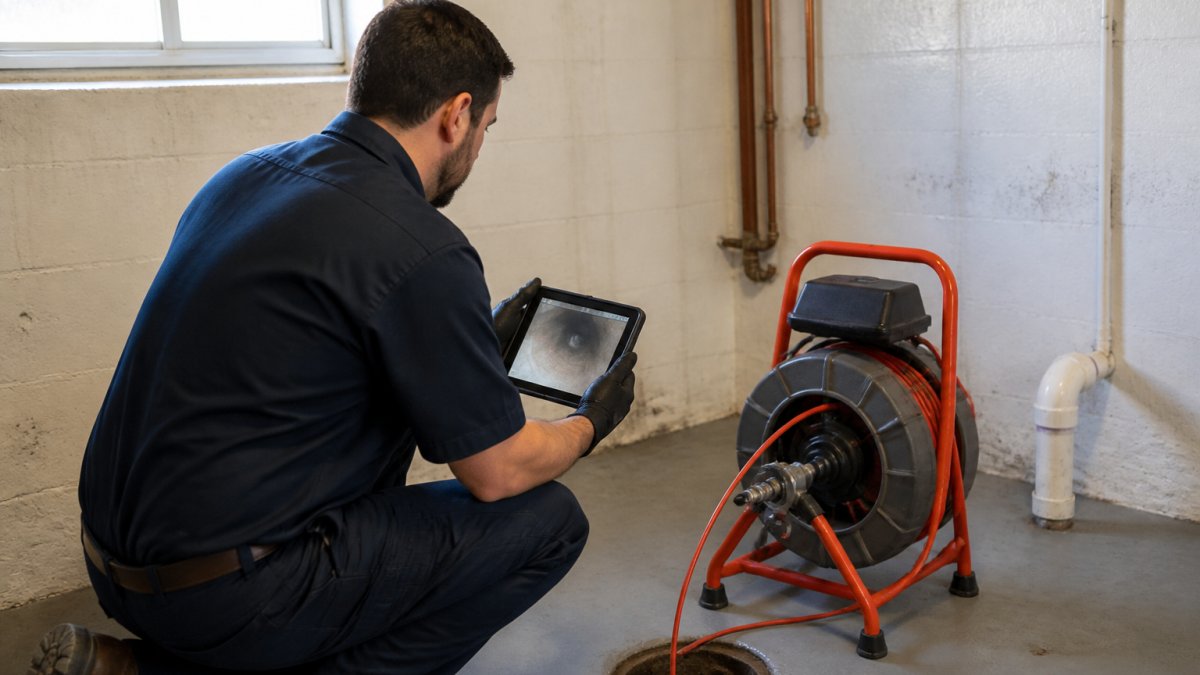
Professional plumber reviewing sewer camera inspection footage on a tablet in a residential basement with natural lighting from a window

Signs of a Damaged Sewer Line

Multiple drains backing up at once is the clearest sign the problem lies in the main sewer line rather than a single fixture. If your toilet, shower, and sinks all drain slowly or back up together, especially after heavy rain, the main line likely has a blockage, crack, or break.

Other warning signs include:

  • Persistent sewage odors around your yard or basement
  • Soggy patches or unusually green spots in your lawn
  • Cracks in your foundation or basement walls
  • Slow drainage throughout the house that plunger or drain cleaner won’t fix
  • Rodent or insect infestations near your home
  • Raw sewage surfacing in your yard or basement

Older homes often have sewer problems because original clay tile or cast iron pipes degrade over time. Clay pipes crack and separate at the joints; cast iron corrodes from the inside out. Tree roots seek moisture and penetrate even small cracks, eventually blocking the line.

A sewer line problem won’t resolve itself. Ignoring it risks sewage backing into your home or contaminating your foundation. If you notice these signs, professional diagnosis is the next step.

Sewer Camera Inspection: Diagnosing the Problem

A sewer camera inspection uses a waterproof video camera on a flexible cable to travel through your sewer line and show exactly where the damage is. The technician views real-time footage on a monitor, identifying cracks, breaks, root intrusion, debris buildup, or misaligned joints.

This eliminates guesswork. Instead of digging exploratory holes, you see the actual problem, and the recording becomes a record you can share with contractors or reference for future repairs.

Camera inspection reveals whether sewer pipe lining is viable. If damage is localized to one section, lining works well. If the line has multiple breaks far apart or has collapsed entirely, replacement may be necessary.

Sewer video inspection can give homeowners clarity before recommending a repair method, so you understand the problem and why a solution fits your home.

Sewer Pipe Lining vs. Replacement: Which Is Right for You

Lining builds a new pipe wall inside the existing one; replacement removes the old pipe and installs a new one. The right choice depends on the host pipe’s condition, how much of the line is damaged, and what sits above it.

Sewer pipe lining works best when:

  • Damage is confined to one or two sections of the line
  • The pipe has cracks, small breaks, or root penetration but hasn’t collapsed
  • Digging would damage driveways, patios, or landscaping
  • The existing pipe is still structurally sound enough to support a lining
  • You want to avoid weeks of yard excavation

Sewer line replacement may be necessary if:

  • The pipe has collapsed or is severely fractured throughout its length
  • Multiple sections are damaged far apart
  • The line is too deteriorated to hold a lining
  • The pipe diameter has shifted or the line has sagged significantly
  • Previous repairs have failed

Decision Factors to Weigh

  • Extent and location of damage. A single cracked section under a driveway is a lining candidate; a line collapsed in three places is not.
  • Host pipe condition. Lining needs a pipe that can hold the resin. Crumbling walls or a pipe that has lost its round shape may prevent proper bonding.
  • Accessibility. If the line runs under a finished basement floor, a mature tree, or a concrete driveway, trenchless methods usually cause less collateral damage.
  • Age and material. Homes built before 1950 often have clay tile sewers; homes from the 1950s through the 1970s typically have cast iron. A camera inspection shows how much life is left.
  • Recurring problems. One root intrusion after years of service differs from the same line clogging every spring.
  • Long-term reliability. A repair that fails in a few years costs more than a solution sized to the pipe’s actual condition.

What Affects the Cost

No two sewer jobs price the same. Factors include:

  • Length and depth of the damaged section
  • Accessibility of the cleanout and the line itself
  • Whether the yard, driveway, or landscaping must be restored
  • Amount of root intrusion or debris to clear first
  • Whether additional plumbing components are affected
  • Diagnostic work required before choosing a repair method

A camera inspection turns an estimate from a guess into a plan.

How to Compare Sewer Repair Providers

Before you sign anything, ask each contractor:

  • Are you licensed and insured? Ask for the license number and a certificate of insurance. A legitimate contractor will provide both without hesitation.
  • Will you show me the camera footage? You should see the same video the technician sees, with the damage pointed out on screen.
  • What is the written scope of work? It should name the method, the length of pipe being addressed, and what happens if the lining fails to bond.
  • What warranty covers the work? Ask what is covered, for how long, and whether it is prorated.
  • Who performs the work? Some companies subcontract. Ask who will actually be on site.
  • What happens if the problem returns? Get the answer in writing before work starts.

A cheap quote from a contractor who can’t answer these questions isn’t a bargain, it’s a second repair waiting to happen.

If you’re not sure which method fits your line, a sewer video inspection is the starting point. A professional can show homeowners the pipe’s actual condition before recommending lining, replacement, or a targeted repair.

How Long Sewer Pipe Lining Takes

The timeline depends on the length of the damaged section and how accessible the line is.

Book a Visit →

Here’s a typical sequence:

  • Day 1 (morning): Sewer camera inspection to confirm damage location and extent
  • Day 1 (afternoon): Line cleaning with hydro jetting to remove debris, roots, and buildup
  • Day 2: Lining insertion, inflation, and resin curing (curing time varies but typically takes several hours)
  • Day 3 (if needed): Final camera inspection to confirm the lining is properly seated and the line is clear

Longer sections or heavy root intrusion take longer because thorough cleaning is essential, resin won’t bond to a dirty pipe. Heavy rain may also delay work if it impacts access. Your plumber will discuss realistic timelines for your situation.

What to Expect During Sewer Pipe Lining Service

Knowing what happens on service day helps, but the days before matter just as much. If your sewer is backing up, what you do before the appointment affects how much damage your home takes.

Before the Crew Arrives: A Safe Triage Checklist

Watch Out
If raw sewage is surfacing in your yard, backing up into your basement, or you smell strong gas, stop and call a licensed plumber or emergency service. Do not enter standing sewage, and do not attempt to open or rod the sewer line yourself.

If the situation is unpleasant but not actively flooding, here is what you can safely do:

  • Stop using water. Every flush, shower, and load of laundry pushes more volume into a blocked line. Switch to minimal use until it’s cleared.
  • Locate your main water shutoff. Know where it is before you need it so you can stop the supply quickly if a related leak develops.
  • Do not pour chemical drain cleaner into the line. Caustic products can damage older pipes, harm technicians, and rarely clear a main-line blockage.
  • Do not remove the cleanout cap if sewage is pressurized behind it. A cap that releases under pressure can spray waste. Let a professional open it.
  • Document the problem. Photograph backed-up fixtures, water stains, and any sewage in the yard for your plumber, insurer, and future repair decisions.
  • Clear access to the cleanout. Move stored items away from the cleanout in your basement, crawl space, or yard so the technician can work without delay.
  • Keep pets and children away from affected areas. Sewage carries bacteria (Biological Hazards in Sewage and Wastewater Treatment Plants). Confine them to unaffected parts of the home until cleanup is complete.

On Service Day: What Happens

Before the work begins, a licensed plumber performs a sewer camera inspection to map the damage and confirm lining is appropriate.

The plumber locates your sewer cleanout, usually a capped pipe in your basement, crawl space, or yard, the entry point for the camera and lining equipment.

The line is cleaned thoroughly using hydro jetting or mechanical methods to remove roots, debris, and buildup. A dirty pipe won’t accept the lining properly.

The lining tube is inserted through the cleanout and guided to the damaged section.

Curing time varies by resin type and conditions, typically several hours, during which you shouldn’t use the plumbing in that section.

A final inspection confirms the lining is properly seated and the line is clear.

Homeowners can often remain in their homes during the process, no excavation noise, heavy machinery, or torn-up landscaping.

After the Work: What to Watch For

  • Confirm the final camera pass. Ask to see the post-repair footage. It should show a smooth, fully bonded lining with no gaps.
  • Keep your paperwork. The written scope, warranty terms, and before-and-after footage belong in your home records.
  • Note any change in flow. Drains should run noticeably better. If they don’t, call the contractor before the warranty window closes.
  • Schedule a follow-up if recommended. Some lines benefit from re-inspection after a season of use.

If you’re dealing with a backed-up line right now, the safest next step is a professional sewer camera inspection so the pipe’s actual condition is known before any repair method is chosen. VanDerBosch Plumbing Inc. provides sewer video inspection and trenchless repair for homeowners and property managers in the Chicagoland area.

Getting Started With Professional Sewer Repair

If you’ve noticed signs of sewer line damage, multiple backed-up drains, sewage odors, or soggy patches in your yard, the first step is a professional sewer camera inspection. This diagnostic tool shows exactly what’s happening and guides the right repair decision.

VanDerBosch Plumbing Inc. provides sewer video inspection and sewer pipe lining services in the Chicagoland area. Our licensed and insured technicians have over 30 years of experience.

Contact us to schedule a sewer camera inspection. We’re available seven days a week, and we stand behind our work with a 100% satisfaction guarantee. Early diagnosis and repair prevent costly damage to your foundation and home.


A damaged sewer line creates serious problems that spread quickly. Professional sewer pipe lining stops the damage without the disruption of digging. VanDerBosch Plumbing Inc. uses advanced camera inspection and trenchless repair techniques.

Frequently Asked Questions

What is sewer pipe lining, and how does it work?

Sewer pipe lining is a trenchless repair method that installs a new pipe inside your existing damaged sewer line without excavation. A resin-coated tube is inserted into the damaged pipe, then inflated or cured to form a durable seal against the interior walls. This creates a new pipe within the old one, restoring function and preventing leaks and root intrusion. It’s faster and less disruptive than traditional replacement.

How can I tell if my sewer line may need lining?

Multiple drains backing up simultaneously, persistent sewage odors near your foundation, patches of unusually lush grass in your yard, or frequent toilet clogs despite cleaning may indicate sewer line damage. A professional sewer camera inspection is the only way to confirm the problem and determine whether lining is appropriate for your situation.

Is sewer pipe lining better than replacing a sewer line?

Sewer pipe lining is often preferred when damage is localized and the pipe structure is still sound. It avoids excavation, reduces disruption to your property, and is typically faster. However, full replacement may be necessary if the pipe is severely collapsed, has multiple sections of damage, or if the pipe material is deteriorating throughout. A sewer camera inspection helps determine which option is right for your line.

How long does sewer pipe lining take?

The timeline for sewer pipe lining depends on the length of the damaged section and the specific lining method used. The process includes camera inspection, pipe cleaning, and the lining installation itself. Some methods require curing time before the line is fully operational. Your plumber can provide a more specific timeline after evaluating your particular situation.

Boiler Repair Near Me: When to Call a Professional

Table of Contents

Last Updated: October 13, 2026

When Your Boiler Needs Professional Repair

A boiler that won’t heat your home or is leaking water is a safety and comfort issue. The right response depends on what’s happening inside the system.

Most boiler problems fall into a few categories: no heat, water leaks, strange noises, or pressure issues. Some you can investigate safely; others involve pressurized systems, gas, or electrical components that are dangerous to troubleshoot yourself.

Knowing when to call for boiler repair near me service helps you get heat back faster and avoid a middle-of-the-night emergency.

Boiler Not Heating: Common Causes and Fixes

No heat is the most common reason people search for boiler repair, and it has the widest range of causes, from simple settings issues to gas valves, control boards, or internal components only a licensed technician should diagnose.

Start with the safe, obvious checks

Before assuming the boiler has failed, confirm:

  • Thermostat mode and setpoint. Confirm it’s set to Heat with a target above room temperature. Dead batteries or a tripped schedule can mimic a boiler failure.
  • Power to the boiler. Check the service switch and breaker.
  • Fuel supply. For a gas boiler, confirm the shutoff valve at the boiler is open. If other gas appliances are also out, that’s a utility issue.
  • Condensate (high-efficiency units). Condensing boilers drain acidic condensate through a trap and line. If it freezes or clogs, many units lock out and won’t fire, a common winter failure in homes with unheated basements or crawl spaces.

If those check out and the boiler still won’t fire, stop and call for service. Do not open the burner compartment, clean the flame sensor, or bypass a safety switch.

Match the symptom to the likely cause

Different no-heat patterns point to different problems. Knowing them helps you describe symptoms accurately to a technician.

No heat anywhere, boiler is silent. The boiler isn’t firing.

No heat anywhere, boiler runs but shuts off quickly (short cycling). The boiler fires briefly, shuts down, and repeats.

Some rooms heat, others don’t. This usually points to circulation, not the boiler: a stuck zone valve, a failed circulator, trapped air, or a balancing issue.

Boiler fires, then locks out after a few minutes. Lockouts are the boiler protecting itself.

What the pressure gauge is actually telling you

Most hot-water boilers run at low pressure when cold, with the target set by system design and the height of the highest radiator above the boiler. A needle in the red zone, or well below the normal cold reading, is a real symptom.

  • Pressure too low. Often a slow leak, a recently bled radiator, or a failed pressure-reducing valve. Overfilling can trigger the relief valve, so if you don’t know your system’s target pressure, let a technician handle it.
  • Pressure too high. Usually a failed expansion tank, a stuck pressure-reducing valve, or thermal expansion with nowhere to go. High pressure can force the relief valve to discharge water, a warning sign, not a normal event.
  • Pressure swings wildly during a cycle. Often a waterlogged or failed expansion tank. Diagnosing it requires checking charge pressure, which is a technician task.
Watch Out
If you smell gas, hear hissing near the boiler or gas line, or your carbon monoxide alarm sounds, do not troubleshoot. Leave the building, get to fresh air, and call your gas utility’s emergency line or 911 from outside. Do not flip switches, use a phone indoors, or relight anything.

Noises that mean stop and call

A healthy boiler makes a low, steady rumble when the burner is on. Problem sounds include:

  • Banging or hammering. Often steam or water hammer, sometimes a failing circulator or trapped air. On steam systems, it can mean the boiler is surging from dirty water.
  • Kettling (a rumbling, kettle-like sound). Usually mineral scale or sludge on the heat exchanger, which reduces efficiency and can eventually crack the metal.
  • Whistling or screeching. Often a failing circulator bearing or a piping restriction.
  • Rumbling that gets louder over weeks. Typically scale accumulation. It won’t fix itself.

None of these are DIY repairs. They require opening the system, and on a gas-fired boiler that means working around combustion components.

When to call for boiler repair

Call a licensed technician if any of the following is true:

  • The boiler won’t fire after the basic checks above.
  • You see a lockout code, a flashing fault light, or repeated shutdowns.
  • The pressure gauge is in the red zone or the relief valve is discharging.
  • You hear banging, kettling, or grinding.
  • You smell gas, see soot, or the carbon monoxide alarm has sounded.
  • The boiler is leaking water from anywhere other than the relief valve discharge.

A technician can test the ignition sequence, check combustion with a gas analyzer, verify the circulator and zone valves, and confirm the system is operating within safe parameters. If you’re not sure whether your situation is urgent, it’s reasonable to call and describe the symptoms; a reputable company can help you decide whether it can wait until morning or needs attention now. You can schedule boiler repair service or call to talk through what you’re seeing.

Boiler Leaking Water: Is It Safe to Wait?

Water pooling around your boiler means something inside the system is failing. The question is whether it’s a minor slow leak or a sign of imminent failure.

A small drip from the pressure relief valve (the pipe hanging down from the boiler) is often normal, it’s how the boiler releases excess pressure.

Leaks from the boiler body, pipe connections, or pump usually get worse over time.

If water is actively dripping or pooling, turn off the boiler and call for boiler repair near me service.

While you wait for service, place towels or a bucket under the leak to limit water damage.

Steam Boiler Repair: What Older Homes Need to Know

If you live in an older Chicagoland home, you may have a steam boiler rather than a hot-water system.

A steam boiler heats water to boiling, pushes steam through pipes to radiators, then the steam condenses back to water and returns to the boiler.

Common steam boiler problems include leaking steam valves, failed condensate return pumps, and water level issues. Many general plumbers and heating contractors won’t work on steam systems because they require specific knowledge.

VanDerBosch Plumbing Inc. specializes in steam boiler repair and maintenance for vintage systems. Our technicians understand older boilers and can often repair them rather than pushing replacement.

Book a Visit →

Boiler Repair or Replacement: Making the Right Decision

When a technician says your boiler needs work, the next question is whether to fix it or replace it. The answer isn’t always replacement.

Start with age. Most boilers have a typical lifespan.

Look at what’s broken. A failed pump or leaking valve can often be replaced without replacing the boiler.

Consider efficiency too. Older boilers use more energy than modern ones.

Ask the technician what happens if you defer the repair. Some problems worsen quickly; others are slow-moving. Understanding the timeline helps you decide.

What to Expect During a Professional Boiler Service Call

Here’s what usually happens during a professional boiler service call.

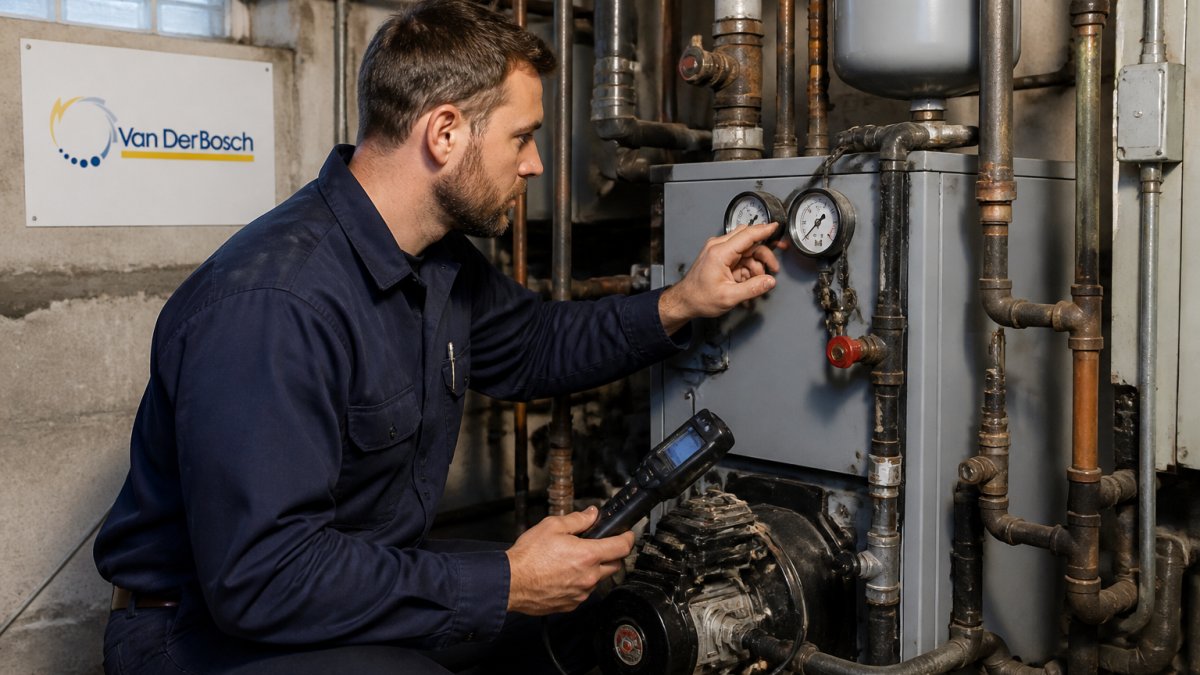
Technician using diagnostic tools to inspect a residential boiler for a boiler repair near me service call.

The technician will ask about symptoms, when the problem started, what you’ve noticed, and whether anything unusual preceded it.

They’ll test the controls and may use a combustion analyzer to check flame quality and burn efficiency.

Once diagnosis is complete, the technician will explain what they found, your options, and what the repair involves.

Repair time varies widely. Replacing a valve might take a certain amount of time; repairing a pump or cleaning the heat exchanger might take longer.

Finding a Licensed Boiler Technician You Can Trust

Boiler work isn’t the same as general plumbing. A technician who’s excellent at clearing drains or replacing water heaters may not have the training or tools to safely diagnose a gas-fired boiler, and the difference matters when combustion, pressurized water or steam, and electrical controls are involved.

Questions worth asking before you book

“Do you work on both hot-water and steam boilers?” These are different systems with different controls, failure modes, and service procedures.

“Who will do the diagnostic work?” Some companies send a sales-focused estimator first.

“How do you test combustion?” A serious boiler technician uses a combustion analyzer to measure flue gases and confirm the burner is set up correctly.

“What’s your policy on emergency calls?” Boiler failures cluster in cold weather, and a January no-heat call is different from a September tune-up.

How to evaluate the diagnosis and estimate

A trustworthy diagnosis has recognizable features:

  • It names the failed component and how it was tested. “The flame sensor is reading below spec” is a diagnosis. “Your boiler is old” is not.
  • It separates the immediate repair from optional recommendations. You should know which items restore safe operation and which are maintenance suggestions.
  • It explains what happens if you defer. Some issues are safe to monitor; a leaking relief valve or cracked heat exchanger is not.
  • It gives you a written estimate before work begins. Verbal-only estimates leave you exposed if scope changes mid-job.

Be cautious of a diagnosis that jumps to full replacement without explaining why the failed component can’t be repaired, or one that pressures you to decide on the spot. A second opinion is reasonable for any major recommendation.

What factors affect the cost of boiler repair

Boiler repair pricing varies widely. The main factors that drive the estimate are:

  • The type of boiler. Steam and hot-water systems use different parts and diagnostic procedures.
  • The failed component. A thermocouple or igniter is a small job; a circulator, zone valve, or control board is more involved; a heat exchanger or cracked section is major and often shifts the conversation toward replacement.
  • Access. A boiler in a tight basement corner or behind finished walls takes longer to service.
  • Age and parts availability. Older boilers may need specialty parts that take longer to source.
  • Routine vs. emergency. After-hours and weekend calls typically carry a different rate structure than scheduled visits.
  • Additional issues found during diagnosis. Low water cutoff problems, expansion tank failures, and relief valve issues often appear together on an aging system.

A written estimate should break these out. If a company won’t itemize, ask why.

Red flags during the visit

  • The technician won’t show credentials or confirm licensing when asked.
  • The diagnosis changes significantly between the phone call and the visit without explanation.
  • You’re told the boiler is “unsafe” without being shown the specific condition or test result.
  • The estimate is verbal and the technician wants to start immediately.
  • You’re pressured to sign a maintenance contract as a condition of the repair.

A note on maintenance plans

Regular boiler maintenance, typically an annual tune-up before heating season, reliably extends boiler life and catches problems before they become no-heat emergencies. A tune-up generally includes cleaning the burner and heat exchanger, checking the flame signal, testing safety controls, verifying pressure and temperature settings, and on steam systems, checking the low-water cutoff and skimming the boiler if needed.

If you’re comparing providers or want to talk through what your boiler is doing before you commit to a service call, contact VanDerBosch Plumbing Inc. to discuss your system and schedule a visit.

Frequently Asked Questions

What are the warning signs that my boiler needs repair?

Common warning signs include strange noises (rumbling, banging, or whistling), inconsistent heat, water leaks around the unit, discolored pilot light, or a burning smell. If your boiler is not heating properly or you notice water pooling beneath it, contact a licensed technician promptly. Some warning signs indicate safety risks that require immediate professional attention.

Should I repair or replace my boiler?

The decision depends on the boiler’s age, the cost of repair, and how often problems occur. Boilers have a typical lifespan. If your boiler is nearing the end of its lifespan, has frequent repairs, or is inefficient, replacement may be more cost-effective long-term. A professional technician can assess the damage and help you weigh repair versus replacement options.

Is a boiler problem an emergency?

Boiler problems can become emergencies quickly, especially in cold weather when heating is essential. Gas leaks, significant water leaks, or complete loss of heat require immediate professional attention. Do not attempt to repair gas lines or pressurized systems yourself. If you suspect a gas leak, leave the area and call emergency services. Licensed technicians are available to diagnose and repair boiler emergencies safely.

Can a plumber fix my boiler, or do I need a specialist?

Licensed plumbers trained in boiler repair can diagnose and fix most boiler problems. Some older steam boilers or complex heating systems may require a technician with specialized experience. When calling for service, ask whether the technician has experience with your boiler type, especially if you have a vintage steam system common in older homes.

24-Hour Emergency Water Heater Repair

Table of Contents

Last Updated: October 12, 2026

Water Heater Emergency Signs That Need Immediate Attention

A water heater failure at 2 AM is nobody’s idea of an emergency you want to handle alone, which is why emergency water heater repair from a licensed professional is so important. Recognizing the warning signs of a serious water heater problem can mean the difference between a quick repair and a flooded basement.

The most critical emergency signs require immediate professional attention. Don’t wait for business hours if you notice any of these conditions.

Leaking water heater

A leak from your water heater tank itself is almost always a sign the unit needs to be replaced. Unlike a leaking connection or fitting, which a plumber can sometimes repair, a leak from the tank body means the steel has corroded through.

Active leaks create two urgent problems. First, you’re losing hot water and wasting energy. Second, pooling water in your basement or utility room can damage flooring, drywall, and stored items.

Small drips from fittings at the top of the tank are different. These can sometimes be tightened or repaired without replacing the entire unit. Still, any visible leak deserves professional diagnosis rather than guesswork.

No hot water or sudden loss of heat

Waking up to cold showers is frustrating, but it’s not always an emergency. However, if you’ve had hot water and it suddenly stops, or if you never get hot water even after running the tap for several minutes, something is wrong.

The cause could be a failed heating element, a broken thermostat, a tripped circuit breaker, or a gas control valve that’s malfunctioning. Some of these are quick fixes. Others mean the unit is nearing the end of its life.

If your water heater is electric, check your circuit breaker panel first. A tripped breaker can cut power to the unit. If the breaker has tripped repeatedly, that’s a sign of an electrical problem that needs professional attention.

Unusual noises or pressure relief valve discharge

A water heater that’s making loud popping, rumbling, or cracking sounds is telling you something is wrong. These noises usually mean sediment has built up inside the tank, or the heating element is failing. The sound gets worse as the unit ages, and it’s often a sign the tank won’t last much longer.

Water actively spraying or dripping from the pressure relief valve (a small pipe that typically runs down the side of the tank) is another red flag. This valve opens when pressure inside the tank gets too high.

Both of these conditions warrant a professional inspection. Unusual noises and pressure relief discharge don’t always mean immediate replacement, but they do mean the unit should be evaluated soon.

What to Do Before a Plumber Arrives

Taking a few quick steps before emergency service arrives can prevent further damage and help the technician diagnose the problem faster.

Shut off the water supply

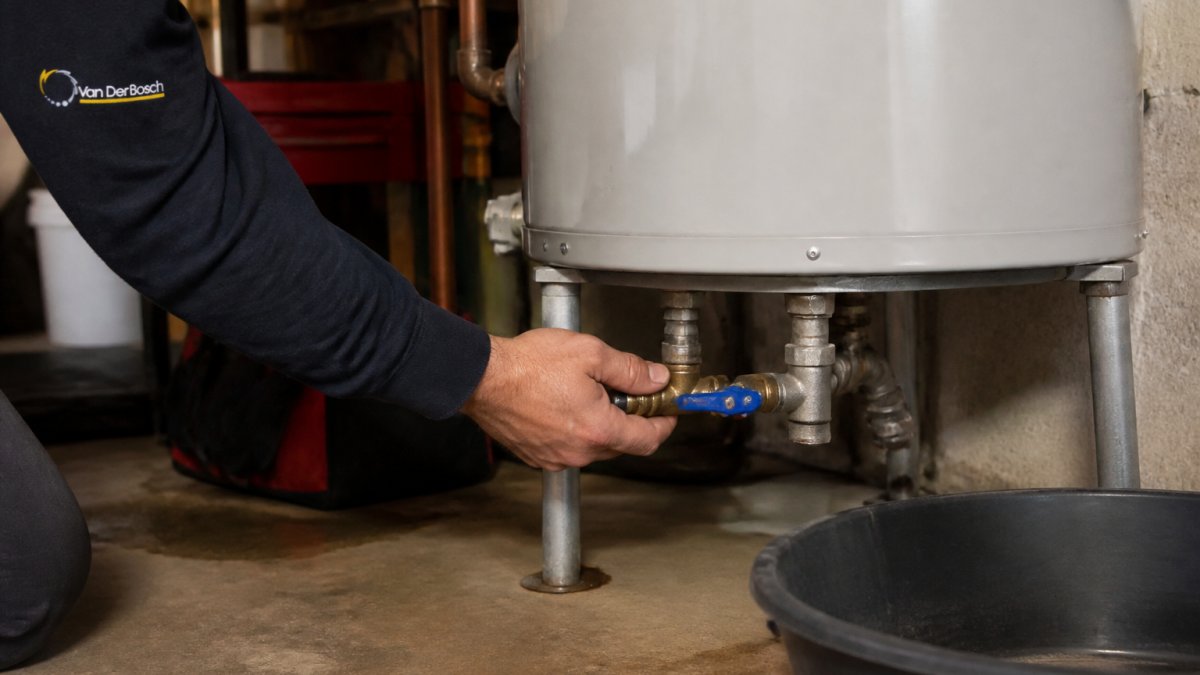
If your water heater is leaking, the first thing to do is stop the water flow. Most water heaters have a shut-off valve at the cold water inlet, typically located at the top of the tank. Turn this valve clockwise until it stops. You’ll need to turn it by hand or with a wrench, depending on the valve type.

If you can’t locate the valve or it won’t turn, shut off the main water supply to your home. This is usually located near your water meter or where the water line enters the house.

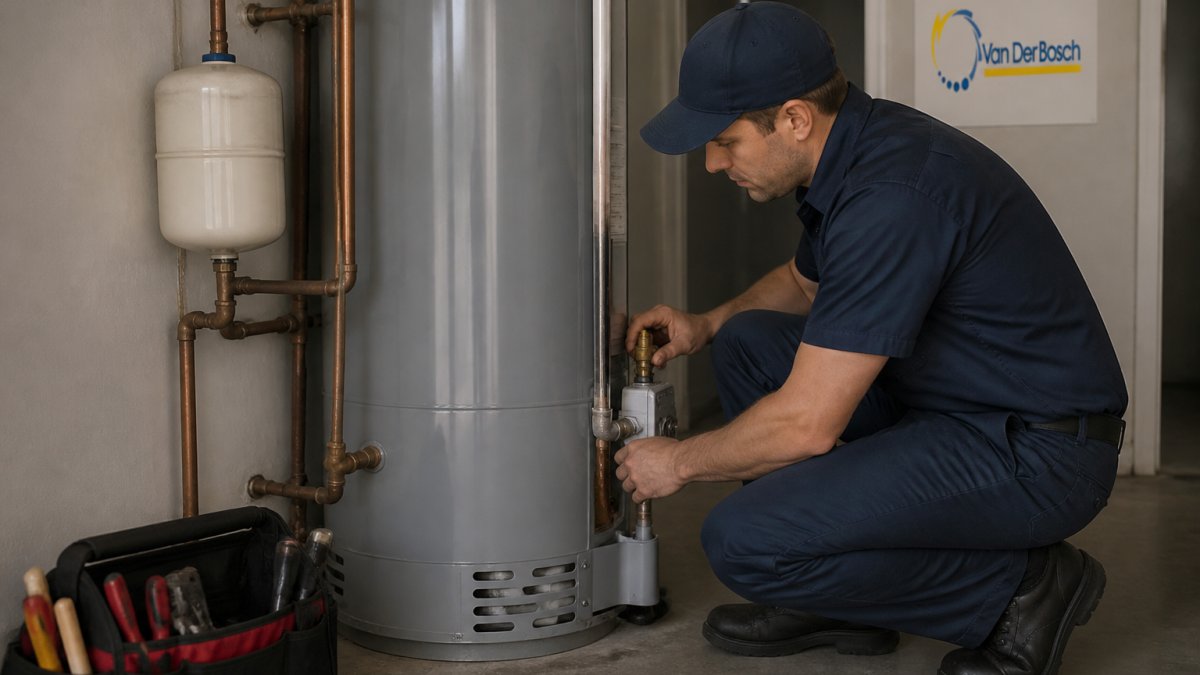
Professional plumber's hand turning the shut-off valve beneath a water heater tank in a basement utility room with soft overhead lighting

Turn off power to the unit

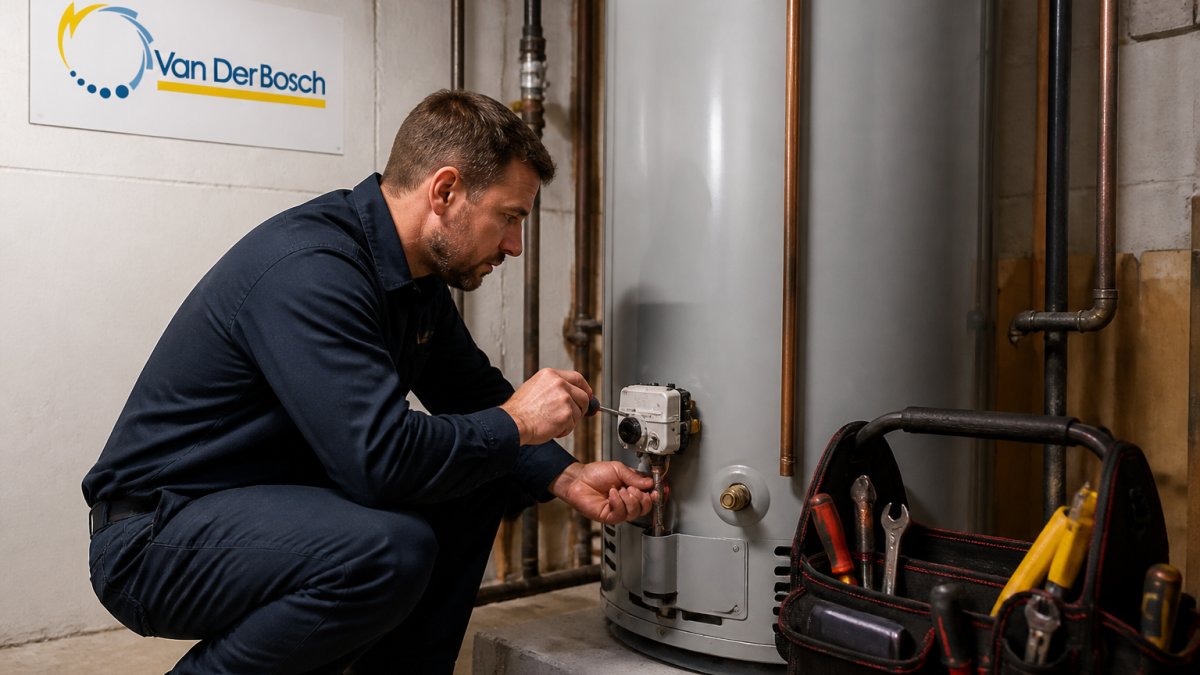
For electric water heaters, switch off the breaker that controls the unit. You’ll find this in your home’s electrical panel. For gas water heaters, turn the control knob on the gas valve to the “off” position. Don’t try to relight it yourself. A professional should inspect the gas control and ignition system before the unit runs again.

Turning off power or gas prevents the heating element or burner from running while the tank is compromised. This is a safety measure that reduces the risk of damage or injury.

Document the problem with photos

Take a few photos of the leak, the water pooling, or any visible damage. Photos help the technician understand what happened and can be useful if you need to file an insurance claim. Capture wide shots showing the location of the damage and close-ups of the actual leak or problem area.

Note the time you discovered the problem and what you observed. Was the water hot or cold? Did you hear any unusual sounds before the leak started? These details help the technician narrow down the cause.

Water Heater Repair vs. Replacement: Making the Right Choice

When a water heater fails, the question isn’t always “replace it immediately.” Sometimes repair is the right call. Other times, replacement saves money in the long run. Here’s how to think through the decision.

Age of the unit

The age of your water heater is one of the strongest indicators of whether repair or replacement makes sense. Most tank water heaters last between 8 and 12 years. Tankless models often last 15 to 20 years (Save More with ENERGY STAR Gas Tankless Water Heaters).

A younger unit with a single fixable problem, like a failed heating element or thermostat, is often worth repairing. A 15-year-old unit with the same problem may be approaching the end of its useful life anyway.

You can find the installation date on the manufacturer’s label, usually on the side of the tank. If you don’t know the age and can’t locate the label, a professional can estimate it based on the model and condition.

Extent of damage and repair history

A single isolated problem is different from a unit with a history of failures. If your water heater has needed repairs multiple times in the last few years, replacement might be the smarter choice. Recurring problems suggest the unit is deteriorating overall, not just suffering from one fixable issue.

A leaking tank, as mentioned earlier, almost always means replacement. A failed heating element, a broken thermostat, or a malfunctioning gas control valve can sometimes be repaired. The extent of the damage and how accessible the failed part is will affect the repair cost and feasibility.

Book a Visit →

A professional inspection will clarify whether the problem is isolated or part of a larger pattern of decline.

Energy efficiency and long-term cost

Older water heaters are less efficient than newer models. If you’re considering replacement, a modern unit will use less energy and lower your utility bills. A tankless water heater installation, for example, heats water on demand rather than keeping a tank hot 24/7, which can significantly reduce energy consumption.

The upfront cost of replacement is higher than repair, but the long-term savings in energy and the reduced likelihood of future breakdowns can make replacement the better financial choice, especially for units that are already aging.

What Happens During a Water Heater Repair Service Call

Understanding what to expect during a professional service visit can help you prepare and know whether the technician is addressing your problem thoroughly.

Professional diagnosis of the problem

The technician will begin by examining the unit and asking questions about what you observed. They’ll check the water temperature, look for visible leaks, listen for unusual sounds, and test the heating elements or gas control. For electric units, they may use a multimeter to check electrical continuity. For gas units, they’ll verify that the burner is igniting and that the thermostat is controlling temperature correctly.

This diagnostic process takes time, but it’s essential. A proper diagnosis prevents guessing and ensures the repair addresses the actual problem, not just a symptom.

Repair options explained upfront

Once the technician has identified the problem, they’ll explain what’s wrong, what can be fixed, and what the repair will involve. They should discuss whether repair or replacement makes more sense given the age and condition of your unit. A professional will be honest about whether a repair is likely to be temporary or lasting.

You have the right to ask questions and understand the recommendation before work begins. If something doesn’t make sense, ask for clarification. A trustworthy technician will explain their reasoning in terms you can understand.

Same-day repair when possible

Many water heater problems can be fixed the same day. A failed heating element, a tripped breaker, or a thermostat adjustment might take an hour or two. A gas control valve replacement may take longer. The technician will give you a realistic timeframe before starting work.

Some repairs require ordering a part. If that’s the case, the technician will let you know and arrange a follow-up visit. In the meantime, you may have limited or no hot water. Ask whether temporary solutions are available, such as setting the thermostat lower to preserve some hot water or using an alternative source while you wait for the repair.

Why 24/7 Emergency Response Matters for Water Heater Failures

A water heater doesn’t fail during business hours. It fails at midnight on a winter night or on a holiday weekend when you have family visiting.

Water heater leaks can cause thousands of dollars in damage if left unaddressed. A flooded basement ruins flooring, drywall, stored items, and can lead to mold growth. The longer water pools, the worse the damage becomes.

Beyond the damage risk, a failed water heater means no hot water for showers, laundry, or dishes. For a family or a business, that’s a serious inconvenience.

VanDerBosch Plumbing Inc. is available seven days a week for emergency water heater calls.

Questions to Ask Before Hiring an Emergency Plumber

When you’re in an emergency situation, it’s easy to call the first plumber you find.

Ask whether the technician is licensed and insured. This protects you if something goes wrong during the repair. Ask about their experience with water heater repair and installation.

Ask for an explanation of the problem and the recommended solution before work begins. You should understand what’s wrong and why repair or replacement makes sense.

Ask about pricing before work starts. You have the right to know what you’ll pay.

Ask whether same-day service is possible.


A water heater emergency doesn’t have to leave you scrambling. Recognizing the warning signs, taking quick action, and calling a licensed professional ensures the problem gets resolved properly.

Frequently Asked Questions

What should I do if my water heater is leaking?

Turn off the water supply immediately at the main shut-off valve, then turn off power to the unit (flip the circuit breaker for electric models or turn the gas valve to off). Do not use hot water while it is leaking. Water pooling around the tank can cause structural damage and electrical hazards. Call for emergency water heater repair service right away, as leaks typically require professional diagnosis to determine whether repair or replacement is needed.

When is a water heater problem an emergency?

Water heater emergencies include active leaks, no hot water in winter, strange odors or sounds, or pressure relief valve discharge. Leaks and loss of hot water during cold months are urgent because they can lead to water damage, frozen pipes, or health risks. If you cannot safely use your water heater or suspect a gas leak (rotten egg smell), contact emergency plumbing service immediately rather than waiting for business hours.

How do I know if my water heater needs repair or replacement?

Factors include the unit’s age, extent of damage, repair history, and efficiency. A unit over 10 years old with a major leak or heating failure may be more cost-effective to replace than repair. A newer unit with a single component failure is usually worth repairing. A licensed plumber can assess whether the problem is fixable and discuss long-term reliability and energy savings with a new system.

What should I tell a plumber when requesting emergency water heater service?

Describe the specific problem: Is it leaking? No hot water? Strange noises? When did it start? Have you already shut off water and power? Note the location of the water heater, whether it is gas or electric, and approximate age if you know it. This information helps the technician arrive prepared with the right tools and parts, reducing diagnosis time and speeding up repair.

Garbage Disposal Repair: When to Fix or Replace

Table of Contents

Last Updated: October 12, 2026

Common Garbage Disposal Problems and What They Mean

Most disposal calls come down to a handful of symptoms, and each points to a different part of the unit. Reading the symptom correctly is what separates a simple fix from an unnecessary replacement. The table below maps common complaints to likely causes and safe homeowner checks.

Symptom Likely cause Safe homeowner check
Nothing happens, no sound No power, tripped breaker, failed reset, or a dead motor Confirm the outlet has power and press the reset button on the unit
Hums but won’t grind Jammed flywheel or impeller, or worn internal components Power off at the breaker, then try the hex-socket reset (see below)
Grinding or rattling Hard object in the chamber or loose mounting Stop use; do not reach in
Squealing or metallic whine Failing motor bearings Stop use; this is not a DIY fix
Slow drain, water backs up Clog in the disposal or downstream drain line Run hot water with the disposal off to isolate the clog
Leak under the sink Failed flange seal, drain connection, or internal seal Dry the area and identify the source with the unit off
Persistent odor Food debris in the chamber, splash guard, or drain line Clean the splash guard and chamber with the unit unplugged

Nothing Happens When You Flip the Switch

A completely silent disposal is almost always an electrical problem. Common culprits include a tripped breaker, a tripped GFCI outlet, a failed reset button, or a loose power cord. Check the outlet, then the reset button, then the breaker. If power is confirmed and the unit is still silent, the motor or switch may have failed and needs professional diagnosis.

Humming but Not Grinding

This is the classic jam: the motor has power but the flywheel is locked, and the overload protector is preventing burnout.

Many disposals have a hex-socket port on the bottom. With power off at the breaker, a homeowner can insert the hex wrench that came with the unit and work the flywheel back and forth to free a mild jam.

Grinding, Rattling, or Squealing

A metallic grinding sound means a hard object is bouncing against the grind ring. A rattle usually points to a loose mounting assembly or a foreign object in the chamber. A high-pitched squeal typically means the motor bearings are wearing out, and clearing the chamber won’t fix it.

Watch Out
Never reach into a disposal with your hand, even with the power off. Use tongs or pliers only, and only after the unit is unplugged or the breaker is off.

Water Draining Slowly or Backing Up

If water pools in the sink while the disposal runs, the problem may be inside the unit or farther down the drain line. Fill the sink a few inches, then run hot water with the disposal off. If it drains normally, the disposal is the bottleneck. If it drains slowly or not at all, the clog is downstream and may need drain cleaning or a sewer line inspection if backups recur.

Persistent Odors

Odors that return after cleaning usually come from the splash guard, the underside of the grind ring, or the drain line. Grease and food particles coat the discharge tube and P-trap, and that film is what smells.

If your symptom isn’t on this list, or if the safe checks above don’t resolve it, the next step is a professional diagnosis. VanDerBosch Plumbing Inc. handles kitchen plumbing and disposal service, and can tell you quickly whether the unit needs repair or replacement.

Garbage Disposal Leaking: Causes and Solutions

A leaking garbage disposal usually means seals or connections are failing. Unlike a humming motor or jammed blade, a leak needs attention soon, water damage can spread quickly inside a cabinet.

Leaks from the Sink Flange

The sink flange is where the disposal connects to the drain opening under the sink. Over time, the putty or gasket sealing this connection can dry out and crack, letting water leak around the flange instead of going down the drain.

This is one of the easier garbage disposal repair jobs for a professional, but not a simple DIY fix: the disposal has to be removed, the old seal cleaned away, and a new seal installed.

Leaks from the Bottom of the Unit

A leak from the bottom of the disposal body usually means internal seals have failed or the unit has cracked. That typically points to replacement rather than repair, since internal seals aren’t easily replaceable on most units and a cracked body can’t be repaired.

If water pools under the disposal, turn it off and don’t use it until a professional inspects it. Continued use with a failing seal can damage the cabinet and flooring.

Safe Troubleshooting Steps Before Calling a Plumber

Before scheduling professional garbage disposal repair, a few safe checks are worth doing yourself. Never put your hands into the disposal or force anything that’s stuck.

Check the Power Supply and Reset Button

First, confirm the disposal is getting power. Check that it’s plugged in and the outlet works.

If reset doesn’t work, flip the breaker off and back on.

Professional plumber's hands safely checking under a kitchen sink with a flashlight, examining a garbage disposal unit and visible drain connections

Clear Visible Blockages Safely

If you can clearly see something stuck (a bone, bottle cap, or piece of plastic), you can try to remove it, but only with the disposal completely unplugged.

Fill the sink a few inches and use tongs to fish out the object. This is only safe if you can see it clearly and grab it without reaching deep into the chamber.

When to Stop and Call for Professional Service

Stop the DIY troubleshooting if:

Book a Visit →

  • You can’t identify what’s stuck or can’t reach it safely
  • The disposal is leaking from the bottom or the flange
  • The motor is humming but won’t turn even after you’ve cleared visible blockages

These are all signs you need professional garbage disposal repair. Trying to force the issue can damage the unit further or create a safety hazard.

Garbage Disposal Repair or Replacement: Making the Right Decision

Once a disposal has been diagnosed, the next question is repair or replace. There’s no single right answer, but a few practical factors make the decision clearer, the goal is to avoid paying for a repair that won’t last and avoid replacing a unit with years of life left.

Factors That Favor Repair

Repair usually makes sense when the problem is specific and the unit is otherwise healthy:

  • A clear, isolated cause. A jammed flywheel, a foreign object, a tripped breaker, or a failed flange seal are all discrete problems with discrete fixes.
  • A relatively young unit. Most disposals have an expected service life depending on use and model. A unit well inside that range with one problem is usually worth repairing.
  • No history of recurring issues. If this is the first problem in several years of reliable operation, repair is reasonable.
  • The housing and motor are sound. If the motor turns freely and the body isn’t cracked or leaking from the bottom, the core of the unit is intact.

Factors That Favor Replacement

Replacement becomes the practical choice when the problem is structural or the unit is near the end of its life:

  • Internal failure. A motor that won’t turn, worn grinding components, or a cracked housing generally can’t be repaired economically. Internal seals on most residential units are not designed to be replaced in the field.
  • Leaks from the bottom of the unit. A leak from the body itself, as opposed to a flange or drain connection, usually means the internal seal has failed.
  • A pattern of repairs. Two or more service calls in a few years is a sign that other components are wearing out and more failures are likely.
  • Age near or past the expected service life.

What Affects the Cost of Either Option

The cost depends on the job. Factors that drive cost include:

  • The type and location of the problem. A flange seal is a different job than a motor replacement.
  • Accessibility. A disposal mounted in a tight cabinet with limited clearance takes longer to service than one with room to work.
  • Parts and materials. A basic replacement unit and a higher-capacity or quieter model are not the same job, and the flange, gasket, and drain fittings may also need to be replaced.
  • Extent of damage. A unit that has leaked may have also damaged the cabinet floor or the drain connection, which adds work.

A reputable plumber will explain what they found, what each option involves, and what they recommend, so you can decide with real information rather than a guess.

A Simple Way to Think About It

If the disposal is young, the problem is specific, and the motor and housing are sound, repair is usually the better value.

VanDerBosch Plumbing Inc. provides both garbage disposal repair and replacement and can help you decide which path makes sense for your kitchen. If you’re not sure which way to go, schedule a service call and get a clear recommendation before any work begins.

Garbage Disposal Installation and Upgrade Options

If replacement is the right choice, you have options. A basic replacement swaps the old unit for a similar new one.

Installation requires disconnecting the old disposal, removing the sink flange, installing a new flange and seal, and mounting the new unit.

VanDerBosch Plumbing Inc. can help you choose the right replacement disposal for your kitchen and handle the installation professionally.

What to Expect During Professional Garbage Disposal Repair

When you call a plumber for garbage disposal repair, the technician will ask you to describe the problem, what sounds it’s making, whether it’s leaking, whether it’s getting power, so they can prepare for the service call.

During the visit, they’ll inspect the disposal, test power and the reset button, and identify the specific problem.

If you choose repair, they’ll complete the work and test the disposal. If you choose replacement, they’ll discuss options and handle installation.


A garbage disposal that stops working can disrupt your kitchen routine, but it doesn’t have to become an emergency.

Frequently Asked Questions

Why is my garbage disposal humming but not working?

A humming disposal usually means the motor is running but the blades are jammed or won’t turn. This often happens when something hard (like a bone or glass) is wedged between the blades or in the grinding chamber. Turn off the disposal immediately, check the circuit breaker to confirm power is off, and look down the drain opening with a flashlight to see if you can spot the blockage. Never put your hands into the disposal. If you can’t safely remove the object or the humming continues after clearing visible debris, a professional plumber can diagnose whether the motor or internal components need repair.

What should I do if my garbage disposal is leaking underneath?

Leaks from the bottom of a garbage disposal usually mean the unit has internal cracks or seal failure, which typically cannot be repaired. Most disposals in this condition need replacement. Leaks at the connection points where the disposal attaches to the sink drain may sometimes be tightened or resealed, but this depends on the severity and the condition of the mounting hardware. Turn off the disposal and stop using it to prevent water damage, then call a professional plumber to assess whether repair or replacement is the better option.

Should I repair my garbage disposal or replace it?

Consider the age of the unit, the type of problem, and how often it has needed repairs. A disposal that is relatively new and experiencing a single mechanical issue may be worth repairing. If your disposal is older, has broken down multiple times, or has internal damage like leaks or corrosion, replacement is usually more cost-effective and reliable long-term. A licensed plumber can evaluate the specific problem and help you decide based on the repair cost, the disposal’s condition, and your budget.

Can I install a new garbage disposal myself?

Garbage disposal installation involves plumbing connections, electrical wiring, and sometimes modifications to the drain line. Improper installation can lead to leaks, electrical hazards, or damage to your sink and plumbing. Most homeowners should hire a licensed and insured plumber for installation to ensure the job is done safely and correctly. A professional can also help you choose the right disposal for your household’s needs and ensure all connections meet local plumbing codes.

Common Reasons for Clogged Drains

Table of Contents

Last Updated: October 10, 2026

Hair Buildup in Bathroom Drains

Hair is the most common cause of clogged drains in bathrooms. It collects in the drain pipe, traps other debris, and creates a blockage that slows water flow or stops it completely.

Close-up of a bathroom sink drain with visible hair and soap residue accumulation around the drain opening, showing the buildup that causes blockages

Hair doesn’t dissolve in water. When it enters the drain, it tangles with itself and catches soap scum, creating a mat-like barrier inside the pipe. Over time, this barrier gets thicker and traps more material.

You can prevent much of this by using a simple drain screen. These inexpensive covers catch hair before it enters the pipe. Empty the screen regularly. It takes seconds and prevents hours of trouble later.

Pro Tip
Install drain screens in every bathroom sink, shower, and tub. Check them weekly during heavy-use seasons. This single step stops most hair-related clogs before they start.

Grease, Oil, and Fat in Kitchen Drains

Grease is the second leading cause of drain blockages, especially in kitchen sinks. Unlike hair, grease doesn’t stay liquid in your pipes.

When hot grease goes down the drain, it flows easily. As it cools, it solidifies and sticks to the pipe walls. More grease builds up over time until the pipe narrows to a trickle.

Never pour cooking oil, bacon grease, or leftover fat down the drain. Let it cool and harden in the pan, then throw it in the trash. If you’ve already poured grease down the drain, wipe the pan with a paper towel before washing it.

For drains that already have grease buildup, hot water alone won’t solve it. The grease has already hardened. Professional drain cleaning removes the blockage safely and thoroughly.

Watch Out
Pouring grease down the drain creates blockages that worsen over time. It also causes problems in the municipal sewer system. Dispose of grease in the trash, not the drain.

Soap Scum and Mineral Buildup

Soap doesn’t rinse away completely. It leaves a residue that builds up on pipe walls over time. Hard water makes this worse because minerals in the water combine with soap to form a stubborn, scale-like coating.

This buildup is especially common in older homes with mineral-heavy water. The combination of soap scum and mineral deposits narrows the pipe opening gradually. Drains become slower and slower until they stop working.

How to Identify Soap and Mineral Buildup

Soap and mineral clogs have distinct characteristics:

  • Slow drainage that develops gradually, The drain works fine for months, then gets progressively slower. This differs from a sudden blockage caused by hair or food.
  • Affects multiple fixtures equally, If your bathroom sink, shower, and tub all drain slowly at the same time, mineral buildup is likely. A single-fixture clog usually points to hair or debris in that drain only.
  • Hard water signs, If your water feels slippery, leaves white spots on dishes, or causes soap to lather poorly, you have hard water. This accelerates mineral and soap accumulation.
  • Visible white or tan deposits, In some cases, you can see crusty buildup around faucet aerators or inside drain openings.

Why Hot Water and Drain Cleaners May Not Work

Once soap and minerals have hardened on pipe walls, hot water alone won’t dissolve them. Chemical drain cleaners designed for hair or grease clogs may not break down mineral scale effectively. Some products can damage older pipes or create safety hazards if used repeatedly.

Mineral buildup requires mechanical removal or specialized cleaning methods. Professional hydro jetting uses high-pressure water to blast away the scale without chemicals or pipe damage. A sewer camera inspection can confirm whether buildup is the actual cause before treatment begins.

Prevention and Long-Term Solutions

You can slow soap and mineral accumulation by using less soap, most people use far more than necessary. However, prevention alone won’t eliminate existing buildup in your pipes.

For homes with hard water, a water filtration system reduces minerals entering your plumbing system and can help prevent future buildup. But it won’t reverse damage that’s already occurred inside your pipes.

If slow drains are a recurring problem in your home, professional inspection is the most reliable way to confirm the cause. Once you know what’s causing the slowdown, you can choose the right solution, whether that’s a one-time professional cleaning, a water treatment system, or both.

Food Waste and Foreign Objects

Food waste and non-flushable items cause blockages that are often harder to clear than hair or grease because they don’t dissolve and can lodge deep in the pipe system.

Food Waste in Kitchen Drains

Even small bits of food accumulate and combine with grease and soap to form blockages. Garbage disposals help by breaking food into smaller pieces, but the pieces still travel through your pipes. They collect in bends, low spots, and where pipes narrow.

Common culprits include:

  • Coffee grounds
  • Vegetable peels and scraps
  • Pasta and rice
  • Bones and meat scraps
  • Eggshells
  • Fruit pulp

The safest approach is to scrape plates into the trash before rinsing them. If you use a garbage disposal, run cold water (not hot) while grinding and for 15 seconds after to flush debris through the system. Hot water can soften grease, causing it to stick to pipes farther downstream.

Non-Flushable Items in Toilets

Toilets are designed for toilet paper and human waste only. Everything else should go in the trash. Items that don’t break down in water get stuck and trap other debris, creating blockages that are difficult to clear without professional equipment.

Never flush:

  • Dental floss
  • Feminine hygiene products
  • Cat litter (even “flushable” varieties)
  • Paper towels
  • Cotton swabs and cotton balls
  • Wipes (even those labeled “flushable”)
  • Hair ties and rubber bands
  • Bandages and medical tape
  • Diapers
  • Medication

“Flushable” wipes are a common source of confusion. Despite marketing claims, they don’t break down like toilet paper and frequently cause blockages in home plumbing and municipal sewer systems.

Small Objects and Accidental Flushes

Small objects, toys, coins, hair clips, or items dropped accidentally, can lodge in the toilet trap or farther down the drain. A plunger may dislodge them, but if the object is stuck or has traveled deeper, professional removal is necessary.

Do not use a plumbing snake on an object you cannot see. You risk pushing it farther into the system or puncturing the pipe. If plunging doesn’t work, call a licensed plumber. A sewer camera can locate the object and determine the safest removal method.

When to Call a Professional

If a clog caused by food or foreign objects doesn’t clear with a plunger, professional help is needed. Signs that professional service is appropriate include:

  • The plunger doesn’t clear the blockage after several attempts
  • Water backs up into other fixtures
  • You suspect a small object is stuck but can’t retrieve it
  • The clog keeps returning in the same location
  • You smell sewage or notice water pooling

A licensed plumber can use a drain snake, hydro jetting, or sewer camera inspection to safely remove the blockage and confirm there’s no additional damage to the pipe.

Book a Visit →

Why Drains Keep Clogging: Recurring Problems

If one drain keeps clogging every few months, the problem might be specific to that fixture. Tree roots, mineral deposits, or a bend in the pipe can cause recurring issues in the same location.

If multiple drains clog at the same time, the problem is likely farther down the system. The main drain or sewer line may be blocked. This requires professional diagnosis.

According to the American Society of Plumbing Engineers, recurring clogs in multiple fixtures often signal a main line issue. A sewer video inspection can show exactly where the blockage is and what’s causing it.

Recurring clogs get worse over time. Each blockage puts pressure on the pipes and can cause damage. What starts as a slow drain becomes a complete backup if left untreated.

Main Sewer Line Clog Symptoms

A main sewer line clog affects your entire plumbing system. Watch for these warning signs:

  • Multiple drains backing up at the same time
  • Toilets gurgling or draining slowly
  • Sewage smell inside or outside your home
  • Wet patches in the yard
  • Unusually green grass in one area

If you notice these signs, don’t wait. A backed-up sewer line can cause serious damage to your home and property.

Professional inspection is the only way to know for sure. A sewer camera can show the blockage and identify its cause. The cause matters because it determines the best solution. Tree roots, collapsed pipes, and mineral buildup each require different approaches.

Watch Out
Sewage backup is a health hazard. If you suspect a main line clog, contact a licensed plumber immediately. Do not attempt to clear this yourself.

How to Prevent Clogged Drains

Prevention is simpler than dealing with clogs after they happen. Most clogged drains are avoidable with basic habits.

Use drain screens everywhere. They catch hair, food, and debris before they enter the pipes. Empty them weekly.

Don’t pour grease down drains. Let it cool and throw it away. Wipe greasy pans with paper towels before washing.

Use less soap. You need less than you think. Excess soap builds up on pipe walls over time.

Watch what you flush. Toilets are for toilet paper and human waste only. Everything else goes in the trash.

Run hot water regularly. Hot water helps clear soap and minor buildup. Run it for 30 seconds after each use.

Schedule professional maintenance. A licensed plumber can clean your drains professionally before problems start.

Prevention Method Frequency Best For
Empty drain screens Weekly All drains
Dispose of grease properly Every time Kitchen sinks
Run hot water Daily All drains
Professional drain cleaning Annually or as needed Recurring clogs

When to Call for Professional Drain Cleaning

You can handle minor clogs with a plunger or drain screen. But some situations require professional help.

Call a plumber if:

  • The clog doesn’t clear with a plunger
  • Multiple drains are backing up
  • Water is draining extremely slowly
  • You smell sewage
  • You see wet patches in your yard
  • The clog keeps returning

Professional drain cleaning uses methods that DIY tools can’t match. Hydro jetting uses high-pressure water to blast away buildup and debris. Sewer camera inspection shows exactly what’s causing the problem.

At VanDerBosch Plumbing Inc., we use proven methods to clear drains safely and thoroughly. Our licensed technicians can handle everything from simple blockages to complex main line issues.

Research from the National Association of Home Builders shows that professional drain maintenance prevents costly emergency repairs. One preventive cleaning often saves thousands in damage later.

If you’re dealing with recurring clogs or slow drains, professional inspection identifies the root cause. This beats treating the symptom over and over.

Frequently Asked Questions

What is the most common cause of a clogged drain?

Hair is the leading cause of clogged drains in bathrooms. When hair combines with soap residue and mineral buildup, it forms a dense blockage that slows water drainage. In kitchens, grease and food waste are the primary culprits. Understanding which cause applies to your clogged drain helps determine whether a simple cleaning will solve it or if professional drain cleaning is needed.

Why do my drains keep getting clogged?

Recurring clogs usually signal one of three issues: your household habits are reintroducing the same debris (like regular grease disposal), your drain pipes are deteriorating and trapping debris more easily, or the problem extends deeper into your sewer line. If a single drain clogs repeatedly within weeks, a professional sewer video inspection can identify whether tree roots, pipe damage, or a structural issue is responsible.

How can I tell if a clog is in one drain or the main sewer line?

A single slow drain or blockage usually points to a local issue in that drain pipe. If multiple drains back up simultaneously, or if your toilet backs up when you run the washing machine or shower, the problem likely lies in your main sewer line. Main sewer line clogs may also produce foul odors near drains or in your yard. This distinction determines whether you need simple drain cleaning or a more involved sewer line repair.

Can tree roots or damaged pipes cause recurring drain clogs?

Yes. Tree roots can penetrate older drain pipes, creating blockages and catching debris. Corroded or cracked pipes deteriorate over time and develop rough interior surfaces where buildup accumulates more easily. Both conditions cause recurring clogs that simple drain cleaning cannot permanently fix. A licensed plumber can use a sewer camera to diagnose pipe damage and recommend whether repair or replacement is necessary.


Recurring drain clogs waste your time and money. If you’re tired of plungers and drain screens that don’t work, professional drain cleaning solves the problem permanently. VanDerBosch Plumbing Inc. offers thorough drain cleaning and sewer video inspection to find and fix the real issue. Call today to schedule service and get your drains flowing freely again.

Reliable Local Plumbing Repair Services: What to Know

Table of Contents

Last Updated: October 10, 2026

What Makes Reliable Local Plumbing Repair Services Stand Out

When a pipe bursts at 2 AM or your toilet backs up before guests arrive, you need more than just someone with a wrench. Reliable local plumbing repair services combine technical expertise, honest communication, and genuine accountability. The difference between a plumber who shows up and one you can actually trust comes down to a few key factors.

A reliable local plumbing repair service has licensed technicians who understand both modern systems and older infrastructure, and they’re transparent about what’s wrong and why, without pressuring you toward unnecessary replacements.

Emergency Plumber Response: What You Should Expect

When water is actively flooding your basement, a gas smell demands immediate attention, or a burst pipe is actively leaking, response time and technician capability matter most. A reliable emergency plumber should be available and arrive as promised.

What Constitutes a True Plumbing Emergency

Understanding what constitutes a true emergency helps you get the right response and avoid unnecessary after-hours charges.

A true emergency typically involves active water damage, gas hazards, or complete loss of essential service:

  • Active water leaks or flooding, Water actively pouring from a burst pipe, a flooded basement, or water spraying from a fixture requires immediate attention to prevent structural damage and mold growth.
  • Gas smell or suspected gas leak, Any smell of natural gas is a potential safety hazard. Leave the building, call your gas utility’s emergency line first, then contact a plumber. Do not use electrical switches, light matches, or create any ignition source.
  • Complete loss of water or sewer function, No water pressure to the entire house or sewage backing up into the home requires urgent repair.
  • Frozen pipes in winter, If pipes are frozen and you have no water, or if you see signs of freezing (reduced pressure, ice on exposed pipes), professional thawing may be needed to prevent bursting.

Problems that are inconvenient but not emergencies include a single slow drain, a dripping faucet, a running toilet, or a water heater that stopped working during business hours. These should be scheduled for regular service, not emergency calls.

What to Expect from a Reliable Emergency Response

When you call with a genuine emergency, here’s what reliable service looks like:

Immediate phone contact, A real person answers or a callback system reaches you within minutes.

Clear assessment, The dispatcher asks specific questions and gives a realistic arrival window.

Technician qualifications, A licensed technician diagnoses and repairs most emergencies on the first visit or stops the immediate problem and explains next steps.

Transparent communication, The technician explains what they found and repair options without pressuring unnecessary replacements.

Follow-up and accountability, Temporary repairs are followed by prompt permanent service.

Questions to Ask Before an Emergency Happens

Ask these questions when researching local plumbers:

  • “Are you available 24/7 for emergencies, or only certain hours?”
  • “What’s your typical response time for emergency calls in my area?”
  • “Do you charge extra for emergency service? If so, what’s the difference between regular and emergency rates?”
  • “Can a technician diagnose and repair most emergencies on the first visit, or will I need a follow-up appointment?”
  • “If I call with what I think is an emergency and it turns out not to be, do I still pay an emergency service charge?”

These answers help you understand whether a plumber is genuinely equipped for emergencies or just takes emergency calls at premium rates.

Common Plumbing Repairs: Residential and Commercial

Understanding what types of repairs are most common helps you recognize when something needs professional attention. Most plumbing problems fall into a few categories, and knowing the difference between a minor fix and a serious issue can save you money and stress. Distinguishing between these plumbing emergencies and routine small home repairs ensures that you address household maintenance with the appropriate level of urgency.

Burst Pipes and Water Leaks

Burst pipes are urgent emergencies because water damage spreads quickly. They often happen in winter when water freezes inside the line, but can also result from age, corrosion, or physical damage.

If you notice water pooling in your basement, wet spots on walls or ceilings, or a sudden drop in water pressure, turn off the main water valve immediately and call for emergency service.

Drain Cleaning Services and Clogged Drains

Most clogs start with hair, soap buildup, or food waste. A backup affecting multiple drains at once suggests the problem is farther down the line, possibly in the main sewer line, which requires different equipment and expertise.

Professional drain cleaning uses methods suited to the specific problem. Conventional drain cleaning works for most clogs. For stubborn buildup or recurring problems, hydro jetting uses high-pressure water to scour pipes and remove grease, mineral deposits, and roots. Sewer video inspection lets technicians see exactly what’s blocking the line.

Water Heater Repair and Replacement

A water heater that stops working is an immediate problem, but not every issue requires replacement. Tank water heaters typically last 10 to 15 years. If yours is within that range and the problem is a faulty valve or heating element, repair often makes sense. If the tank is leaking or the unit is older, replacement is usually more cost-effective.

Tankless water heaters heat water on demand, saving energy and space, but require professional installation. The choice depends on your household’s hot water needs, budget, and home’s infrastructure.

How to Verify Licensing, Insurance, and Credentials

Before hiring any plumber, verify they’re qualified to do the work. This protects you legally and ensures competence.

Why Licensing Matters

A licensed plumber has completed formal training, passed exams, and maintains their license through continuing education and code compliance. A license demonstrates knowledge of plumbing systems, building codes, safety standards, and proper installation methods.

Unlicensed work can void your home’s insurance coverage, fail inspections, and create liability issues.

How to Verify a Plumber’s License

Don’t take a plumber’s word for it. Here’s how to verify:

Ask for the license number, A legitimate plumber should provide this without hesitation.

Check your state licensing board, Illinois plumbers are licensed through the Department of Financial and Professional Regulation (IDFPR), which maintains a searchable database at cyberdriveillinois.com. Verify the license is current and in good standing.

Confirm the license type, A journeyman or master plumber can perform most residential and commercial work. An apprentice works under supervision.

Book a Visit →

Check for disciplinary history, The licensing database shows complaints, violations, or disciplinary action. Multiple recent violations are a warning sign.

Insurance: What You Need to See

A plumber should carry liability insurance (covers damage to your home or property caused by the plumber’s work) and workers’ compensation insurance (covers employee injuries on your property).

How to verify insurance:

  • Ask the plumber for a certificate of insurance.
  • Verify the certificate is current and shows adequate coverage limits.

A plumber who hesitates to provide proof of insurance or says “it’s too much paperwork” is a red flag.

Red Flags: When to Walk Away

Some warning signs suggest a plumber may not be qualified or trustworthy:

  • Refuses to provide a license number or insurance certificate
  • License doesn’t check out, No record, expired, or disciplinary action
  • No written estimate, Only verbal quotes
  • Pressure to pay upfront in full, Before work begins
  • No physical business address, Working out of a car with no verifiable location
  • Reluctance to explain the problem, Can’t or won’t explain what’s wrong and why
  • Vague about guarantees, Won’t guarantee work in writing

What to Ask About Credentials Beyond Licensing

Licensing is the baseline, but you can learn more:

  • “How long have you been in business?”
  • “Are you bonded?”
  • “Do you belong to any trade organizations?”
  • “What’s your warranty on the work?”

A reliable local plumbing repair service should be straightforward about credentials. If a plumber is vague or defensive, that’s a signal to look elsewhere.

Questions to Ask a Plumber Before Hiring

Start with the basics: “Are you licensed and insured?” Then move to the specific problem: “What do you think is causing this?” and “What are my options for fixing it?”

Ask about the repair process: “How long will this take?” and “Will you need to shut off water to the whole house?” If the plumber suggests replacing something, ask why repair isn’t possible. A good plumber can explain the reasoning clearly.

For pricing, ask: “Can you provide a written estimate before starting work?” and “Are there additional charges I should know about?” Finally, ask about guarantees: “Do you warranty the repair?” and “If something goes wrong, can I call you back?”

Repair Versus Replacement: Making the Right Decision

One of the most important conversations you’ll have with a plumber is whether to repair or replace something. This decision affects your budget and your home’s reliability.

Equipment age is significant. A 15-year-old water heater or boiler is approaching the end of its typical lifespan. At that point, repair costs may approach replacement costs.

Repair history matters too. If you’ve had the same component serviced multiple times in the past year, replacement is often more economical. Recurring problems suggest the underlying issue is worsening.

The severity of damage also factors in. A leaking valve is repairable. A cracked tank or burst pipe in an inaccessible location may require replacement of larger sections. Accessibility affects cost.

Consider the condition of surrounding components. If your water heater is failing and the pipes feeding it are old and corroded, replacing just the heater may be temporary.

Older equipment is less efficient. Replacing it with a modern model may cost more upfront but saves money on utility bills over time.

What Affects the Cost of Plumbing Repairs

Plumbing repair costs reflect the actual work involved. Key factors include:

Type and location of the problem, A clogged kitchen sink is simpler than a backed-up main sewer line. A toilet repair is usually quicker than a burst pipe behind a wall.

Accessibility, A pipe in an easily reached basement costs less to repair than one buried under concrete or behind finished walls.

Materials and equipment, Copper pipe costs more than PVC. Sewer line repair might involve specialized equipment like hydro jetting or trenchless technology, which costs more than basic drain cleaning but avoids excavation.

Extent of damage, A single burst pipe in an accessible location is cheaper to fix than multiple burst pipes or damage to surrounding plumbing.

Diagnostic work, Sewer camera inspection or pressure testing pinpoints the actual problem instead of guessing, and this service has a cost.

Time of service, Emergency service on nights, weekends, or holidays typically costs more than standard business hours.

Plumbing problems don’t resolve themselves, and the longer you wait, the worse they get. If you’re dealing with burst pipes, persistent clogs, water heater issues, or any other plumbing concern, contact VanDerBosch Plumbing Inc. today. Our licensed technicians are available seven days a week to diagnose your problem, explain your options clearly, and get the repair done right. Call to schedule service and experience the difference that reliable local plumbing repair services actually make.

Frequently Asked Questions

How can I tell if a plumbing problem needs a professional?

Minor issues like a slow-draining sink may be fixable with a plunger or drain cleaner, but burst pipes, multiple backed-up drains, gas leaks, boiler problems, or sewage odors require immediate professional attention. If you’re unsure whether the problem is serious, call a licensed plumber for diagnosis. A professional can identify the root cause and recommend whether repair or replacement is necessary.

What should I ask before hiring a plumber?

Ask about licensing and insurance, what warranty or guarantee applies to their work, and whether the price quote includes all labor and materials. Request an itemized estimate before work begins. For emergency calls, confirm their availability. Ask about their experience with your specific issue—older steam boilers or vintage plumbing systems, for example, require specialized knowledge.

What factors affect the cost of plumbing repairs?

Repair costs depend on the type and location of the problem, accessibility (basement or crawlspace repairs cost more), materials needed, severity of damage, diagnostic work required, and whether additional plumbing components are affected. The best way to understand cost is to request a detailed estimate from a reliable local plumbing repair service before committing to work.

Should I repair or replace a leaking pipe?

Consider the pipe’s age, the severity and frequency of leaks, accessibility, and the condition of surrounding pipes. A single small leak in a newer pipe may be worth repairing, but recurring leaks in an older system often signal that replacement is more cost-effective long-term. A licensed plumber can assess whether repair will hold or if repiping is the better solution.

Professional Water Heater Installation Services

Table of Contents

Last Updated: October 9, 2026

What Professional Water Heater Installation Involves

Professional water heater installation requires assessment, careful removal, code-compliant work, and thorough testing. At VanDerBosch Plumbing Inc., we handle each step so your system operates safely.

Site inspection and sizing

Before installation, a licensed plumber assesses the location, existing plumbing connections, gas or electric supply, and venting to determine whether your setup can accommodate the new unit or needs modifications.

Sizing is critical: an undersized unit runs out of hot water at peak usage, while an oversized one wastes energy and space.

Removal of the old unit

Removing the old unit means draining the tank, then disconnecting water lines, gas or electric connections, and venting. This prevents water damage, gas leaks, and electrical hazards, and the unit must be disposed of per local regulations.

Installation and connection

The new unit is positioned per code clearances from walls, combustibles, and access points.

Professional plumber installing new water heater in residential basement, connecting copper pipes and gas line with proper fittings and safety equipment

Testing and verification

Before the system is used, the technician tests for leaks, water temperature, gas ignition, pressure relief function, and venting integrity, correcting issues before the job is complete.

Water Heater Installation Process: Step-by-Step

Here is what happens between the estimate and the first hot shower, including the permit and inspection steps most pages gloss over.

Step 1: Assessment and written scope

The technician confirms unit type, fuel source, capacity, and location, then checks whether the existing gas line, electrical circuit, venting, and water connections can support the replacement.

You should leave this step with a written scope that names the unit, the connections being made, and what happens to the old equipment.

Step 2: Permits and code requirements

Most jurisdictions require a permit before a water heater is replaced. The permit triggers an inspection that verifies the safety-critical parts of the job, and a licensed plumber typically pulls it and schedules the inspection.

What inspectors commonly look at:

  • Venting: correct material, correct slope, proper termination, and adequate combustion air for gas units.
  • Temperature and pressure relief valve: correct valve, correct discharge piping, and a discharge path that will not scald anyone standing nearby.
  • Gas connections: approved fittings, leak testing, and correct pipe sizing for the unit’s input.
  • Electrical: correct circuit, disconnect, and bonding where required.
  • Clearances and access: space from combustibles and enough room to service the unit.

Skipping the permit creates problems later: unpermitted work can surface during a home sale, insurance claim, or future inspection, and correcting it usually costs more than doing it right the first time.

Step 3: Preparation and safety shutdown

Before removal, the water supply is shut off, the tank drained, and the fuel or power source isolated.

This is also when the work area gets cleared. If your utility space is packed with storage, moving it beforehand shortens the job and reduces damage to your belongings.

Step 4: Removal and disposal

An old tank holds several gallons of water even after it stops flowing freely, and sediment keeps it heavy. The unit is disconnected, removed, and disposed of properly, since many areas do not allow water heaters at the curb.

Step 5: Installation and connection

The new unit is set with correct clearances, then connected: water lines with shut-off valves, gas or electrical connections to manufacturer specifications, and sealed venting. On a tankless conversion, gas line upsizing, venting changes, or electrical upgrades happen here.

Step 6: Testing and verification

Before the job is called complete, the technician verifies:

  • No leaks at any water connection.
  • Correct outlet water temperature.
  • Proper ignition and combustion on gas units, with no leaks at gas connections.
  • The temperature and pressure relief valve operates correctly.
  • Venting is intact and exhaust is leaving the space safely.
  • The unit cycles on and off as designed.

Step 7: Cleanup and homeowner walkthrough

A complete job includes cleanup and a walkthrough covering thermostat setting, maintenance, and warning signs that should prompt a call. With hard water, ask about flushing intervals, since sediment buildup is a common reason tank units lose capacity and efficiency.

How to prepare before the crew arrives

  • Clear the area around the old unit, including the path to the stairs or door.
  • Confirm access to the gas shut-off, the electrical panel, and the water shut-off.
  • Move anything stored near the unit that could be damaged by water or handling.
  • Secure pets and children away from the work area.
  • Have your questions ready: permit handling, inspection, warranty terms, and what the scope does and does not include.
Key Takeaway
The two questions that separate a thorough installation from a rushed one are simple: who pulls the permit, and what does the inspection cover? If a contractor cannot answer both clearly, that is a signal to keep looking.

If your unit is failing, water heater repair may be the right first step, and a professional assessment will tell you whether repair or replacement makes more sense.

Tank vs. Tankless Water Heater: Which System Is Right for You

Choosing between a traditional tank water heater and a tankless model involves weighing reliability, upfront cost, space, energy use, and your household’s hot water needs.

Tank water heaters: reliability and cost

Tank units are straightforward, durable, and relatively inexpensive to install, and repairs are usually simple.

Tank water heaters typically last 10-15 years. Replacement is straightforward since your existing plumbing and venting are already designed for a tank unit.

Tankless water heaters: efficiency and space

A tankless water heater heats water on demand as it flows through the unit.

Tankless units take up minimal space, ideal where basement or utility closet room is limited, and are more energy-efficient for moderate to high demand, potentially offsetting the higher upfront cost over time. Tankless water heater installation requires careful assessment of your home’s gas and electrical infrastructure to ensure compatibility.

The trade-off: tankless units cost more to purchase and install and often require gas line or electrical upgrades.

Tankless water heaters typically last 15-20 years, longer than tank units.

Conversion considerations

Converting from tank to tankless is not always straightforward. Gas-fired units may need a larger gas line, electric units a dedicated 240-volt circuit, and venting requirements differ.

Book a Visit →

A professional assessment determines whether your home’s infrastructure supports a tankless conversion and what upgrades are necessary.

Water Heater Sizing: Getting the Right Capacity

An undersized water heater runs out of hot water at peak usage, while an oversized unit wastes energy. Proper sizing balances your household’s needs with efficiency.

Calculating household demand

A licensed plumber evaluates household size, bathroom count, and typical hot water usage.

Tank capacity is measured in gallons; tankless capacity in gallons per minute (GPM) flow rate. A professional calculates the right size for your situation.

Undersizing and oversizing problems

An oversized tank wastes energy heating more water than you need. An oversized tankless unit wastes money on unnecessary capacity and may have longer warm-up times in some models.

Proper sizing ensures adequate hot water without paying for excess capacity.

Water Heater Repair vs. Replacement: Making the Decision

When your water heater fails, the repair-versus-replacement decision depends on practical factors. There is no universal rule.

Age and warranty status

A unit 5-7 years old and still under warranty is usually worth repairing.

Most tank water heaters last 10-15 years; tankless units often last 15-20 years, so repair may still make sense for an older unit if the cost is reasonable.

Repair history and frequency

A unit needing multiple repairs in the past year is showing declining reliability, and each repair adds up.

If you have already spent significantly on repairs recently, replacement may be more economical than continuing to patch problems.

Energy efficiency and long-term costs

An older water heater runs less efficiently than newer models. If your energy bills are noticeably high and the unit is aging, a modern efficient replacement may pay for itself through lower utility costs.

A professional can compare repair cost against replacement cost plus the energy savings a new unit would provide.

Factor Repair Makes Sense Replacement Makes Sense
Age Under 10 years Over 12 years
Repair cost Under 50% of replacement Over 50% of replacement
Repair history First or second repair Multiple repairs in past year
Warranty Still covered Expired or minimal coverage
Energy efficiency Acceptable Noticeably high utility bills

Why Licensed and Insured Technicians Matter

Every page says licensed, insured, professional, but that tells you nothing about what to verify before someone touches a gas line or 240-volt circuit in your home. Here is what those credentials mean in practice.

What licensing actually covers

Plumbing licensing is handled at the state and local level, and requirements differ by work type. A journeyman works under a licensed contractor; a master plumber can pull permits and supervise work.

Licensing is tied to code knowledge, not just trade skill.

What insurance actually protects

General liability insurance covers property damage during the job, such as water damage from a failed connection or damage to finishes during removal. Workers’ compensation covers technician injuries on your property, and if a contractor is uninsured, that exposure can come back to you.

Ask for a certificate of insurance before work starts, not after.

What to verify before you hire

  • License number and status: ask for the license number and confirm it is active with the issuing authority.
  • Insurance certificate: request a current certificate of general liability and workers’ compensation coverage.
  • Permit handling: ask directly whether the company pulls the permit and whether the work will be inspected.
  • Scope in writing: the written scope should name the unit, the connections being made, venting work, and what happens to the old unit.
  • Warranty terms in writing: ask what is covered on labor and what is covered by the manufacturer on parts, and get it in writing.
Pro Tip
A quick way to filter contractors: ask who pulls the permit. Companies that routinely skip permits tend to skip other steps too, because the inspection is what forces the venting, relief valve, and gas connection details to be correct.

Why this matters more in older housing stock

Older homes in the region frequently have original venting, undersized gas lines, or utility spaces never designed for a modern unit.

If you want to understand what a professional installation includes before you commit, review the water heater repair and installation services offered and ask about permit handling and inspection during your estimate.

Schedule Your Water Heater Installation Today

Water heater installation is a job for licensed professionals.

Contact VanDerBosch Plumbing Inc. to discuss your water heater installation needs. Our licensed and insured technicians will assess your home, recommend the right system, and handle the complete installation with code compliance.

Frequently Asked Questions

What should I expect during professional water heater installation?

A licensed technician will inspect your current setup, remove the old unit, install the new one, connect all water and gas or electrical lines, and test the system for proper operation. The process typically takes several hours. You’ll receive information about your warranty, maintenance needs, and how to operate the new system.

Is it cheaper to repair or replace a water heater?

That depends on the unit’s age, the type of repair needed, and how often you’ve had problems. A water heater nearing the end of its lifespan may not be worth repairing, even if the immediate fix seems less expensive. A professional inspection can help you understand whether repair or replacement makes sense for your situation.

How do I know what size water heater my home needs?

Size depends on your household’s peak hot water demand, which includes the number of people, simultaneous uses (showers, laundry, dishwasher), and your usage patterns. A professional installer will evaluate your home’s needs during the site inspection and recommend the appropriate capacity or flow rate for your situation.

Can I replace a tank water heater with a tankless model?

Yes, but there are considerations. Tankless systems require different venting, gas line sizing, or electrical upgrades depending on the fuel type. Your home’s plumbing layout and water pressure may also affect performance. A licensed installer can assess whether conversion is practical and what modifications your home may need.


If you’re facing a water heater failure or considering an upgrade, don’t delay. A professional water heater installation from VanDerBosch Plumbing Inc. ensures your system is sized correctly, installed to code, and tested thoroughly before you rely on it. Call today to schedule a consultation and get a clear understanding of your options.